
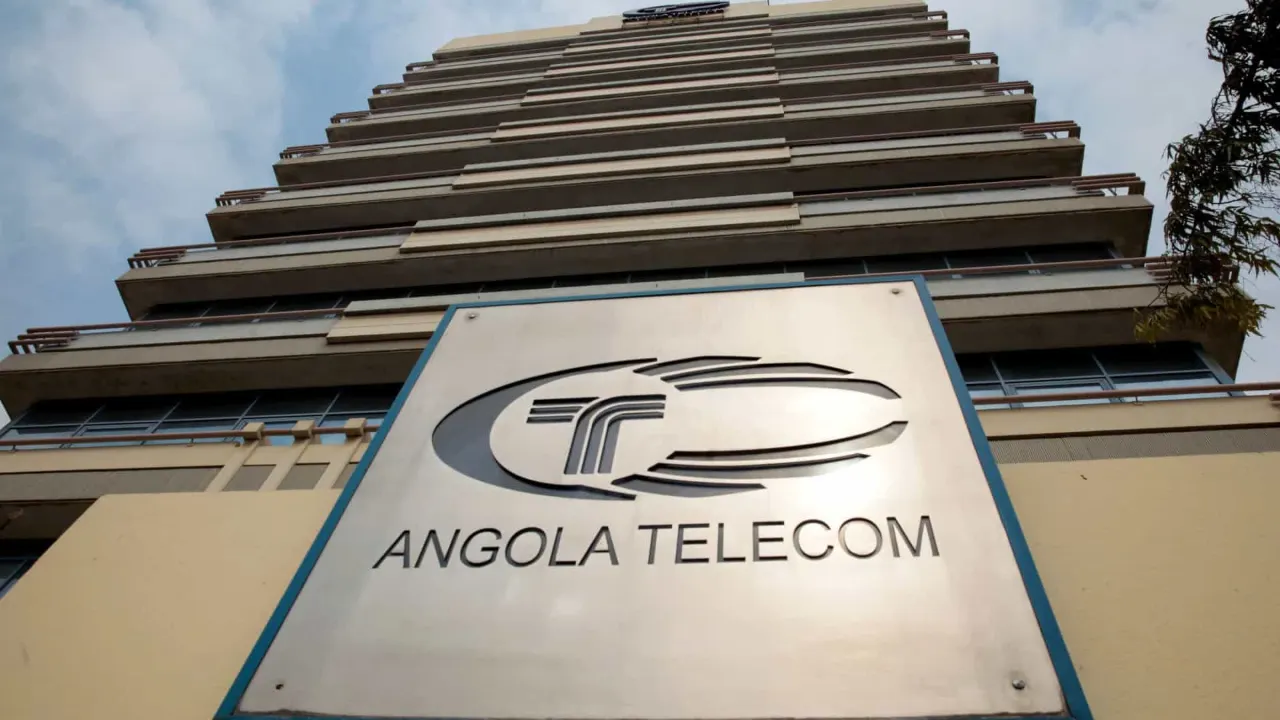
Angola Telecom: Connecting Angola to the future is profiled by BTW Media because published evidence links it to internet infrastructure, governance, operational dependencies, or market visibility.
Angola Telecom: Connecting Angola to the future is tracked as a internet infrastructure institution within the internet infrastructure ecosystem.
Angola Telecom: Connecting Angola to the future has public-source relevance to network operations, governance, dependency mapping, or market structure.
Angola Telecom: Connecting Angola to the future is tracked as a internet infrastructure institution within the internet infrastructure ecosystem.
Public-source signals support medium-impact monitoring for infrastructure visibility and dependency analysis.
Angola Telecom: Connecting Angola to the future is profiled by BTW Media because published evidence links it to internet infrastructure, governance, operational dependencies, or market visibility.
Public-source signals support medium-impact monitoring for infrastructure visibility and dependency analysis.
| 0.90–1.00 | A | High — direct sources |
| 0.75–0.89 | A/B | Strong |
| 0.55–0.74 | B/C | Medium |
| 0.35–0.54 | C/D | Weak–medium |
| 0.10–0.34 | D | Weak signal |
| 0.00–0.09 | D | Internal monitoring |
Several public sources
- Angola Telecom delivers voice, Internet, and data centre services, driving Angola’s digital connectivity.
- Facing competition, it innovates with 4G/5G and fibre optics to bridge the digital divide.
Driving nationwide connectivity
Angola Telecom, formed in 1992 through the merger of ENATEL and EPTEL, is Angola’s pioneering state-owned telecommunications operator, headquartered in Luanda. The company delivers innovative solutions like “Fale e Navegue,” combining voice and Internet services (wired or wireless), and “Fale Mais,” a voice-only offering, alongside data centre housing and multipoint fibre access for businesses using IP/MPLS networks.
Its telephone cards support public payphone usage, while infrastructure leasing, including towers and data centres, caters to enterprise needs. With stores in all Angolan provinces, Angola Telecom ensures broad access to its services, aligning with its mission to drive sustainable development through telecommunications. The company’s 2023 initiative to clear pension backlogs for over 20 employees, led by CEO Adilson Miguel dos Santos, highlights its commitment to social responsibility, reinforcing its role as a key player in Angola’s digital landscape.
Also Read: West Africa Data Centres: Driving digital transformation
Also Read: SCPT: Champions digital transformation at OSIANE 2025
Navigating challenges in Angola’s Telecom sector
Angola’s telecommunications industry, valued at billions of kwanzas, has seen mobile penetration surpass 60%, driven by growing demand for digital services, yet rural connectivity gaps and high infrastructure costs remain significant challenges. Competition from private operators like Unitel pushes Angola Telecom to innovate, with recent advancements including 4G expansion and 5G pilot projects, alongside fibre optic investments to boost data speeds.
The company’s IP/MPLS networks and data centre services align with these trends, meeting the needs of Angola’s urban youth and businesses in a surging digital economy. Regulatory hurdles and economic volatility continue to test the sector, requiring efficient resource management. By integrating global standards and offering scalable solutions, Angola Telecom bridges the digital divide, playing a pivotal role in fostering innovation and shaping Angola’s connected future.
At A Glance
- Name: Angola Telecom: Connecting Angola to the future
- Type: Internet infrastructure institution
- Base: Africa
- Profile focus: Institution
What It Does
- Public records support monitoring of its role, services, and key relationships.
Why It Matters
- Public-source signals support medium-impact monitoring for infrastructure visibility and dependency analysis.
- Operational criticality: Medium
- Time horizon: Next quarter
What To Watch
- Monitoring focuses on verified service continuity, governance changes, and relationship signals.
Track verified source updates, role changes, and current public evidence.
Public-source signals support medium-impact monitoring for infrastructure visibility and dependency analysis.
Longer-term relevance depends on verified operating, policy, and relationship changes.
Member Briefing
Deeper Profile Context
Login is required to unlock the full profile briefing and source notes.
Only for Strategy Circle
Strategic Circle Access
Open to all readers. Unlock profile briefings after joining and logging in.
Join Strategic CircleOnly for Leadership Alliance
Leadership Alliance Access
For owners and management of IP-holding companies. Login required to unlock.
Join Leadership Alliance


