
- Intel’s fifth-gen Xeon and Core Ultra processors, unveiled at AI Everywhere, intensify the competition with AMD and Nvidia in the AI sector.
- Intel’s 5th Gen Xeon boosts AI and computing by 21%, enhances efficiency by 36%, offering businesses a 77% TCO improvement over a 5-year cycle.
Intel made a significant stride in the AI domain with the introduction of its fifth-generation Intel Xeon processors at the AI Everywhere event in New York. The unveiling of this new data center chip was complemented by the launch of Core Ultra processors for laptops. As the AI landscape expands, the burning question emerges: Amidst fierce competition from formidable rivals like AMD and Nvidia, will Intel emerge as the victor in this unfolding technological battle?
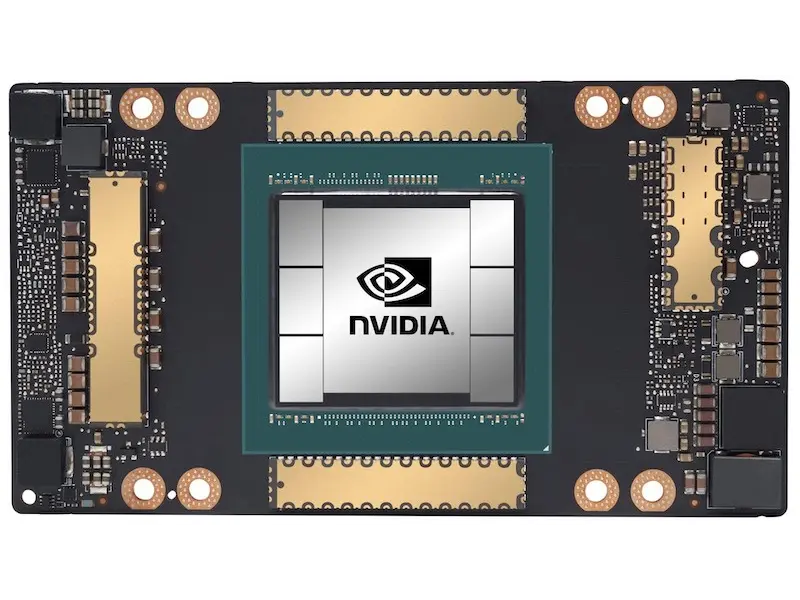
Nvidia corporation: a trailblazer in technological dominance
Advantages of Nvidia Corporation
- Focus on one architecture (CUDA)
CUDA, the parallel computing platform, stands as a seamless and efficient solution, steering clear of uncertainties associated with diverse architectures. This unique dedication, distinct from competitors juggling multiple architectures, fosters trust and ensures enduring support. - Seven-year head start in GPU-based deep learning
A seven-year lead in deep learning, a pivotal facet of AI, positions Nvidia with a formidable competitive advantage.The latest Volta architecture, boasting a claimed 100-fold speed increase over its counterpart four years ago. - Founder-CEO leadership
Under the stewardship of founder-CEO Jen-Hsun Huang, Nvidia benefits from a leader profoundly invested in the company’s triumphs.Studies affirming the outperformance of founder-led companies in the stock market align with NVIDIA’s emphasis on long-term goals.
Disadvantages of Nvidia corporation
- Dependence on the PC market
Despite boasting a diversified product portfolio, Nvidia’s substantial reliance on the PC market renders it vulnerable to financial setbacks in the event of a downturn in the PC industry. - Intellectual Property Risks
Nvidia’s competitive edge hinges heavily on its intellectual property, encompassing patents and trademarks.Any challenges or invalidation of this intellectual property could precipitate substantial financial losses for Nvidia, jeopardizing its standing in the market.
Current market capitalization and stock price
- Nvidia market cap as of December 19, 2023 is $1236.9B.
- The average Nvidia stock price for the last 52 weeks is 356.89.
- The latest closing stock price for Nvidia as of December 19, 2023 is 496.04.
Also read: NVIDIA sidesteps U.S. export rules, makes new chip series for booming China market
Intel corporation: navigating challenges with strengths
Advantages of Intel Corporation
- Product dominance
As a veteran kingpin, Intel has accumulated a strong presence in traditional technologies. Intel CPUs are known for superior performance and reliability and are the industry standard. Intel’s x86 architecture microprocessors dominate the personal computer and server markets. In the data centre market, the widespread adoption of its Xeon processors plays a critical role in powering servers and supporting global cloud infrastructure.
Intel Labs sponsors various science and technology centres at universities around the world in order to foster collaborations and development of communities among Intel and academia. They also collaborate on initiatives with the National Science Foundation and the Semiconductor Research Corporation. Collaborations facilitate staying at the forefront of emerging technologies and markets.
- Global brand recognition
Successful “Intel Inside” marketing builds a globally recognised brand. Consumers associate Intel with quality and performance, contributing to market strength.
Disadvantages of Intel corporation
- Competition in the CPU market
Faces intense competition, particularly from AMD, in the CPU market. Maintaining or increasing market share is a significant challenge.
- Diversification and innovation
In recent years, Intel has appeared indifferent to this potentially huge market, obsessed with developing technology for personal computers. Despite investing heavily over the years, Intel has consistently underperformed in the market for mobile chips used in smartphones and tablets, and has lagged behind competitors in the emerging field of artificial intelligence chips.
Current market capitalization and stock price
- Intel market cap as of December 19, 2023 is $192.63B.
- The latest closing stock price for Intel as of December 19, 2023 is 46.66.
- The average Intel stock price for the last 52 weeks is 33.21.
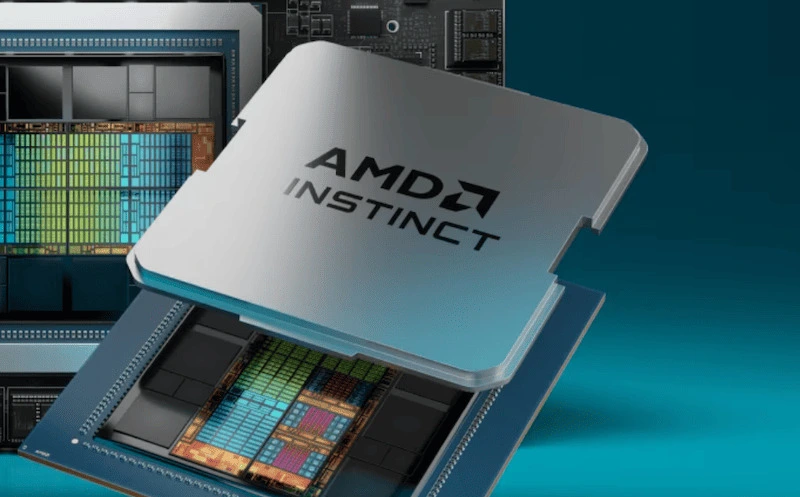
AMD: pioneering innovation in semiconductors
Advantages of AMD corporation
- Pace of Innovation
AMD’s competitive edge lies in its rapid pace of innovation in CPU and GPU design. The company is known for pushing the limits of microprocessor and graphics card technology, with products like Ryzen and Threadripper processors gaining traction in gaming and data center markets. - Strong Partnerships
Leveraging strategic partnerships with major PC and laptop manufacturers, including Dell, HP, and Lenovo, strengthens AMD’s market presence. Collaborations with partners ensure the inclusion of AMD products in their product lines, increasing market share in traditionally Intel-dominated markets. - Expansive Product Portfolio
Diversification beyond microprocessors and graphics cards, with products like EPYC processors for data centers and Ryzen processors for gaming, positions AMD to reach a broader customer base. The expansion into new markets enhances its competitive stance.
Disadvantages of AMD corporation
- Dependence on outsourced manufacturing
AMD’s lack of fabrication plants places a substantial reliance on third-party manufacturers, notably TSMC. This dependence exposes the company to potential disruptions in production, especially during times of heightened demand or global chip shortages. - Limited Presence in Mobile
AMD’s constrained foothold in the mobile processor market, a rapidly expanding segment, raises concerns. With no participation in smartphone processor production, AMD misses out on opportunities in a significant market. - Dependence on a few key customers
A noteworthy portion of AMD’s revenue is derived from a select group of key customers, including Sony and Microsoft for gaming consoles. While indicative of strong partnerships, this concentration poses risks if these customers shift suppliers or if demand experiences a downturn.
Current market capitalization and stock price
- AMD market cap as of December 19, 2023 is $222.24B.
- The average AMD stock price for the last 52 weeks is 100.97.
- The latest closing stock price for AMD as of December 19, 2023 is 140.15.
More about Intel’s 5th Gen Xeon chip
Intel’s 5th Gen Xeon chip is a breakthrough in AI and high-performance computing. While not replacing dedicated AI accelerators, these chips offer native AI functionality for versatile computing tasks. Designed for AI across cloud, network, and edge applications, they deliver a 21% performance boost and 36% more efficiency, allowing powerful tasks with lower power consumption. Businesses adopting these chips can expect a substantial 77% improvement in total cost of ownership over a five-year system refresh cycle, showcasing the economic benefits of embracing Intel’s latest innovation.
Quiz
who is going to win the AI chip race?
A. Nvidia
B. Intel
C. AMD
Leave your answer in the comments!