
- Carbon footprint refers to the total amount of greenhouse gases (GHG) released into the atmosphere by human activities, primarily carbon dioxide (CO2).
- Carbon footprints are often measured in tons of carbon dioxide equivalent (tCO2e), and reducing them is critical to combating climate change
As global sustainability efforts intensify, businesses are increasingly being held accountable for their environmental impact. One of the key metrics used to assess this impact is the carbon footprint. It refers to the total greenhouse gases (GHGs) emitted by a company’s operations, supply chain, and products. This guide will talk about what a carbon footprint is, how it’s measured, and why it’s crucial for long-term success.
Also read: 5 important things to know about your Cloud Carbon Footprint
What is a carbon footprint?
The carbon footprint represents the total greenhouse gases released by a business’s activities, especially CO2. These activities include energy consumption in offices or factories, logistics for product delivery, and resources used in manufacturing.
For businesses, the carbon footprint goes beyond direct emissions (like energy use in offices and factories). It also includes scope 2 emissions (indirect emissions from purchased energy) and scope 3 emissions (from the supply chain, transportation, and the use of products). The goal for businesses is to minimize these emissions, reducing environmental impact and meeting sustainability targets.
How is carbon footprint measured?
Carbon footprints are measured in tons of CO2 equivalent (tCO2e). This represents the total greenhouse gases emitted by an organization over a specific period, usually a year. Several factors contribute to a business’s carbon footprint:
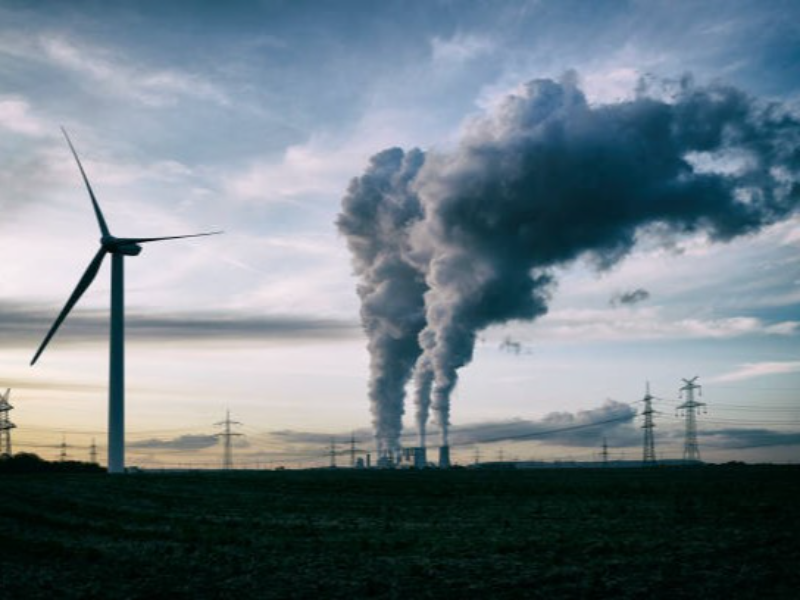
- Energy consumption: This includes the emissions from electricity, heating, and cooling used in your office or manufacturing facilities. Energy consumption from non-renewable sources such as coal or natural gas emits higher emissions than renewable sources such as wind or solar.
- Transportation and logistics: The carbon emissions from delivering products, shipping goods, or employee travel. Logistics and transportation account for a significant portion of many businesses’ carbon footprints.
- Supply chain and materials: Every product and every service has its own carbon footprint. The extraction, manufacturing and transportation of raw materials contribute significantly to the overall emissions.
- Waste and disposal: Emissions from the disposal of waste products or packaging materials, as well as how your company manages waste reduction and recycling initiatives.
To accurately calculate carbon footprint, businesses can use tools like carbon calculators, environmental audits, or partner with sustainability experts who specialize in corporate carbon measurement.
Why does carbon footprint matter for businesses?
Understanding and reducing the company’s carbon footprint is not just an environmental responsibility—it’s a business imperative. Here are some reasons why:
- Regulatory compliance: Governments worldwide are implementing stricter environmental regulations. Reducing carbon footprint can help businesses stay ahead of regulatory requirements, such as carbon reporting and emissions caps.
- Cost savings: Reducing energy consumption and waste can lower operational costs. Businesses that invest in energy-efficient technologies often see significant savings in the long term.
- Consumer demand: Today’s consumers are increasingly concerned about sustainability. Businesses that demonstrate a commitment to reducing their carbon footprint are more likely to attract environmentally conscious customers, boost brand loyalty, and enhance their market position.
- Investor confidence: Investors are now prioritizing sustainability. Companies with a clear, measurable plan to reduce their carbon footprint are more likely to attract investment from sustainability-focused funds.
How can businesses reduce their carbon footprint?
There are several strategies businesses can adopt to reduce their carbon emissions:
- Transition to renewable energy: By switching to green energy sources like solar or wind power, businesses can significantly reduce their carbon emissions. Many energy providers offer renewable energy options for businesses.
- Optimize supply chains: Streamlining supply chains, using local suppliers, or switching to low-emission transport can help reduce logistics-related emissions.
- Implement energy-efficient practices: From upgrading to LED lighting to optimizing heating and cooling systems, businesses can improve energy efficiency and lower consumption. Consider implementing smart energy management systems for even greater savings.
- Encourage remote work and reduce travel: Encouraging remote work where possible and reducing unnecessary business travel can lower emissions from transportation.
- Adopt circular economy principles: Reduce, reuse, and recycle materials. In a circular economy model, initiatives such as minimising waste, reusing or recycling products can significantly reduce a business’s carbon footprint.
- Engage employees and stakeholders: Involve your team in sustainability initiatives. Educate employees about reducing their personal carbon footprints and encourage them to contribute ideas for improving company-wide sustainability.