
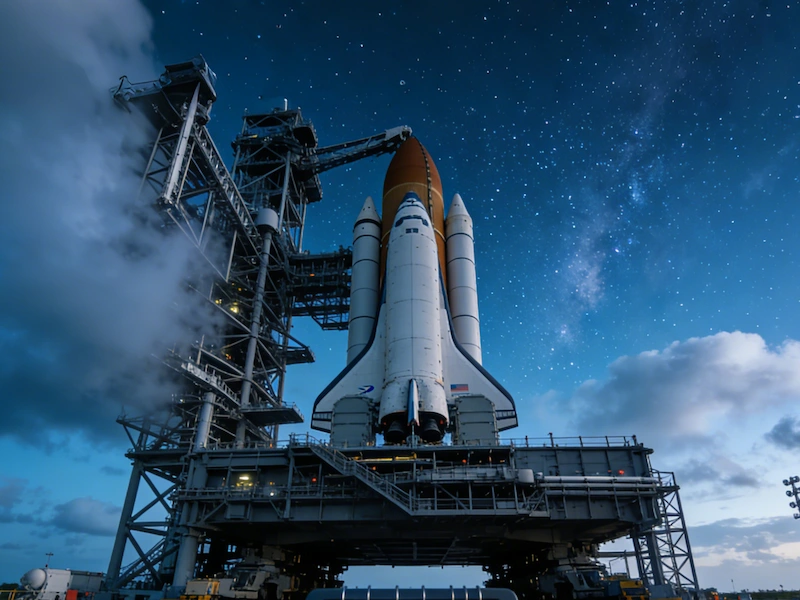
SpaceX delays Starship test is a public record based on article evidence, entity context, event links, and relationship context.
Next Starship test flight delayed to May 2026 as SpaceX completes vehicle preparations. Regulatory reviews and technical validation continue to shape the timing of Starship flights. What happened Short delay reflects ongoing testing and regulatory hurdles in Starship programme SpaceX has delayed the next test launch of its Starship rocket by roughly a month, chief executive Elon Musk said. The postponement follows earlier test flights that have faced mixed outcomes, including partial successes and in-flight failures.
Starship, the world’s largest and most powerful rocket system, is central to SpaceX’s long-term ambitions, including lunar missions under NASA’s Artemis programme and eventual human travel to Mars. However, its development has been marked by iterative testing, where each launch aims to validate different stages of the system, from booster separation to re-entry and recovery. The delay also comes amid ongoing regulatory oversight from US authorities, particularly the Federal Aviation Administration (FAA), which must approve launch licences following incident reviews.
Previous test flights have triggered investigations due to debris and environmental concerns, contributing to scheduling uncertainty. While SpaceX has made rapid progress compared with traditional aerospace timelines, the company continues to refine propulsion, thermal protection and landing systems—critical elements for achieving full reusability. Also read: SpaceX files for IPO with Mars investment opportunity Why it’s important The delay highlights how uncertainty is intrinsic to high-end aerospace innovation, where engineering complexity, safety validation and regulatory scrutiny intersect.
Even for a fast-moving private company like SpaceX, timelines remain fluid. More broadly, it reinforces that delays are not anomalies but a structural feature of commercial space development. Fully reusable systems like Starship push the boundaries of propulsion, materials science and operational coordination, making setbacks both expected and necessary. For the wider industry, this underscores a key reality: ambitious space projects operate on iterative progress rather than fixed schedules. As competition intensifies globally, the ability to absorb delays while sustaining long-term investment will be critical to success.
Also read: SpaceX sets April 21 analyst day amid IPO speculation Also read: SpaceX orbital data centres face harsh reality check
Member Briefing
Deeper Trend Context
Sign in with the right membership level to unlock the full briefing and source notes.
Only for Strategic Circle
Strategic Circle
Open to all readers. Unlock trend briefings after joining and signing in.
Join Strategic CircleOnly for Leadership Alliance
Leadership Alliance
For operators, investors, and policy teams that need relationship evidence, failure paths, and source notes. Sign in to unlock.
Join Leadership AllianceSnapshot
Category
Global Cloud Services TrendsSpaceX delays Starship test is covered for governance relevance.
Region
GlobalSignal Focus
GovernanceContent Type
EventPrimary Domain
MarketTopic
GovernanceImpact
MediumConfidence
Good confidence (80%)Confidence score guide
Published reporting