Trends
IoT market: $1.1 trillion by 2026
The Internet of Things (IoT) is transforming the way we live, work, and interact with the world around us. As devices become increasingly interconnected, the IoT market is experiencing rapid growth, promising a future where everything from our homes to our cities operates seamlessly. But what exactl…
Headline
The Internet of Things (IoT) is transforming the way we live, work, and interact with the world around us. As devices become increasingly interconnected, the IoT market is experiencing rapid growth, promising a future where everything from our homes to our cities operates…
Context
The Internet of Things (IoT) is transforming the way we live, work, and interact with the world around us. As devices become increasingly interconnected, the IoT market is experiencing rapid growth, promising a future where everything from our homes to our cities operates seamlessly. But what exactly is the IoT market, and how is it shaping our lives? The IoT market refers to the network of physical objects embedded with sensors, software, and other technologies that enable them to connect and exchange data with other devices and systems over the internet. These ‘smart’ devices range from everyday household items like thermostats and refrigerators to complex industrial machines. The goal of IoT is to create a more efficient, responsive, and interconnected world.
Evidence
Pending intelligence enrichment.
Analysis
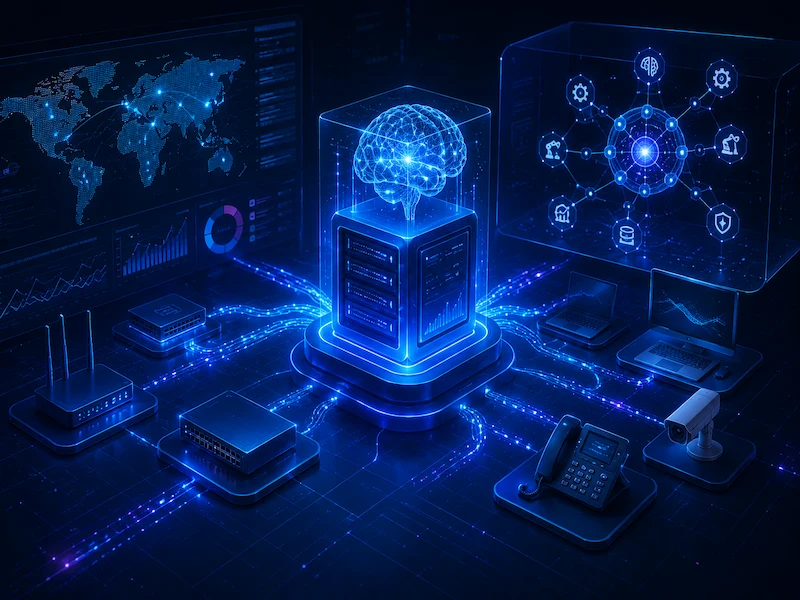
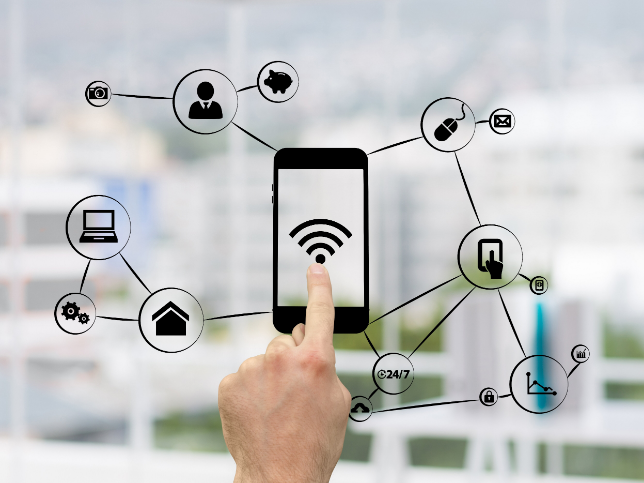
a. Devices and sensors IoT devices and sensors are the foundation of the IoT market. These gadgets collect data from their surroundings, allowing for real-time monitoring and decision-making. Examples include wearable fitness trackers, smart thermostats, and industrial sensors. b. Connectivity Connectivity is crucial for the IoT ecosystem. Devices use various communication protocols, such as Wi-Fi, Bluetooth, and cellular networks, to transmit data. This connectivity enables seamless interaction between devices and central systems. c. Data processing and analytics The data collected by IoT devices is processed and analysed to derive meaningful insights. Advanced analytics and machine learning algorithms help in predicting trends, optimising performance, and making informed decisions. For instance, smart grids use data analytics to manage electricity distribution efficiently. d. User interfaces User interfaces, such as mobile apps and web dashboards, allow users to interact with IoT devices. These interfaces provide real-time updates, control options, and insights into device performance.
Key Points
- The global IoT market is projected to reach $1.1 trillion by 2026.
- Major sectors like healthcare, manufacturing, and smart homes are leading IoT adoption.
Actions
Pending intelligence enrichment.