Trends
GM’s Cruise eyes fare-charging for Robotaxi rides by 2025
OUR TAKEIt’s like a rollercoaster ride for Cruise. Same example as Tesla’s Autopilot faced some heat after accidents, but Cruise seems determined to bounce back. Remember how Waymo also hit a few speed bumps early on with their self-driving tech? It’s all part of the game, I guess. Cruise’s move to …
Headline
OUR TAKEIt’s like a rollercoaster ride for Cruise. Same example as Tesla’s Autopilot faced some heat after accidents, but Cruise seems determined to bounce back. Remember how Waymo also hit a few speed bumps early on with their self-driving tech? It’s all part of the game, I…
Context
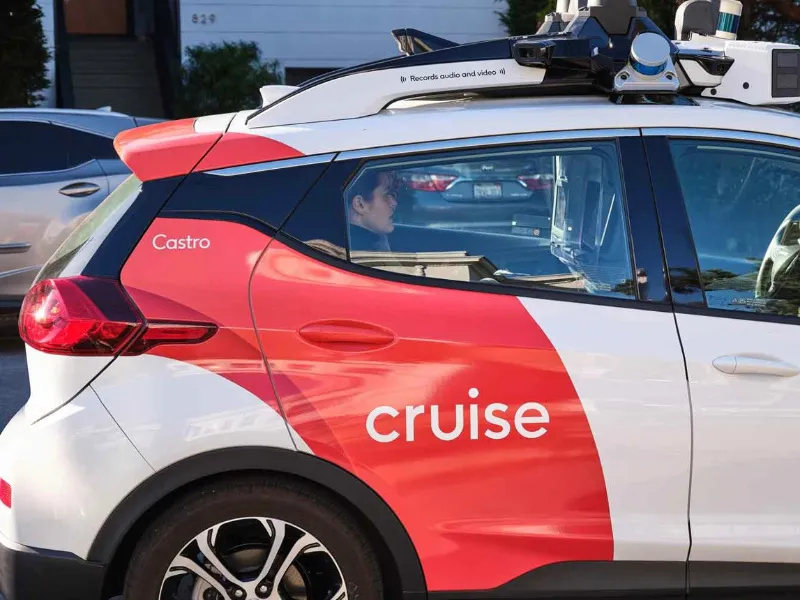
OUR TAKE It’s like a rollercoaster ride for Cruise. Same example as Tesla’s Autopilot faced some heat after accidents, but Cruise seems determined to bounce back. Remember how Waymo also hit a few speed bumps early on with their self-driving tech? It’s all part of the game, I guess. Cruise’s move to Phoenix for supervised testing feels like a smart step back to basics, focusing on safety first. And ditching the Origin for a more conventional Bolt? Smart pivot, might help ease public concerns. But let’s see if they can really pull off a comeback by charging fares in 2025. Time will tell if they’ve learned from past mistakes and can rebuild that trust. –Miurio huang, BTW reporter General Motors’ self-driving technology unit, Cruise, is planning a significant comeback. According to Bloomberg News, Cruise aims to resume fully autonomous rides later this year and start charging fares by early 2025. This ambitious timeline follows a tumultuous period for the San Francisco-based company, which has been recovering from a major setback. Last year, one of Cruise’s robotaxis struck a pedestrian and dragged her for 20 feet (6 meters), leading to a suspension of its autonomous vehicle operations in California.
Evidence
Pending intelligence enrichment.
Analysis
In response to the incident, Cruise resumed operations in April 2023 with a small fleet of human-driven vehicles in Phoenix, Arizona. Despite these efforts, the company’s authority to provide passenger service in autonomous vehicles in California remains suspended. Cruise is currently focusing on supervised autonomous testing in Phoenix, Dallas, and Houston as part of its strategy to rebuild trust and enhance the safety and performance of its autonomous vehicles. A spokesperson for Cruise emphasised that safety remains their guiding principle as they expand into driverless operations, although no specific timeline has been provided. In a shift from previous plans, Cruise announced earlier this week that it would focus on developing a next-generation Chevrolet Bolt instead of the previously planned Origin vehicle, which was designed without a steering wheel or pedals. Also read: AI tools revolutionise accessibility for the visually impaired Also read: MIT unveils a new way to simulate training for home robots
Key Points
- General Motors’ self-driving technology unit, Cruise, is planning a significant comeback.
- The company’s efforts to regain momentum and eventually charge for robotaxi rides by 2025 signify a critical juncture in the race to develop viable autonomous driving systems.
Actions
Pending intelligence enrichment.