
Primary Domain
Risk and Accountability
Within the Primary Domain facet, Risk and Accountability intelligence groups reporting by primary domain so readers can follow a focused area of internet infrastructure, governance, connectivity markets, or digital capital. The page brings together related articles, public evidence, institutions, companies, people, regional exposure, operating dependencies, and market context that may otherwise sit across separate category pages. It explains the domain, the likely actor class, the market or governance context, and the source material readers should use when comparing signals. Operators, analysts, and governance readers can see how the same domain appears across events, profiles, market shifts, public-source evidence, regional dependencies, and longer-cycle infrastructure decisions over time.
Global Cloud Services
Azure's 2021 DNS Cache Defect Made Retry Amplification an Accountability Test
Azure DNS did not need every client request to be hostile for its 1 April 2021 outage to grow. Microsoft said an anomalous global query surge exposed a code defect that reduced the efficiency of DNS Edge caches. As the service overloaded, ordinary DNS clients retried unanswered…
Global Cloud Services
The 2019 Route 53 DDoS Made DNS Mitigation Coordination an Accountability Test
On 22 October 2019, Amazon Route 53 was hit by a distributed denial-of-service attack. The attack impaired resolution of some AWS names, but the most revealing part of the public record was not that a large authoritative DNS service received hostile traffic. It was that defenses…
Global Cloud Services
The 2018 Route 53 Hijack Made BGP-to-DNS Trust an Accountability Test
The 2018 Route 53 Hijack Made BGP-to-DNS Trust an Accountability Test intelligence summary explains the development, the public evidence available to readers, the organisations involved, the regional context, market exposure, and the infrastructure consequences that may follow.…
Global Cloud Services
Cloudflare's 2025 1.1.1.1 Outage Made Route Withdrawal a DNS Accountability Test
Cloudflare's 1.1.1.1 public DNS resolver became unreachable worldwide for 62 minutes on 14 July 2025 after a service-topology change withdrew the resolver's anycast prefixes from production locations. The failure was not caused by an attack, a defective DNS protocol, or the…
Global National Telecom
NTT Docomo's 2021 Network Switchback Outage Made Mobile-Core Capacity an Accountability Test
NTT Docomo's nationwide mobile-network disruption on 14 and 15 October 2021 began during a migration of an IoT subscriber and location-information server. When trouble appeared on the new equipment, the operator switched the population back. The return generated a mass of…
Global Cloud Services
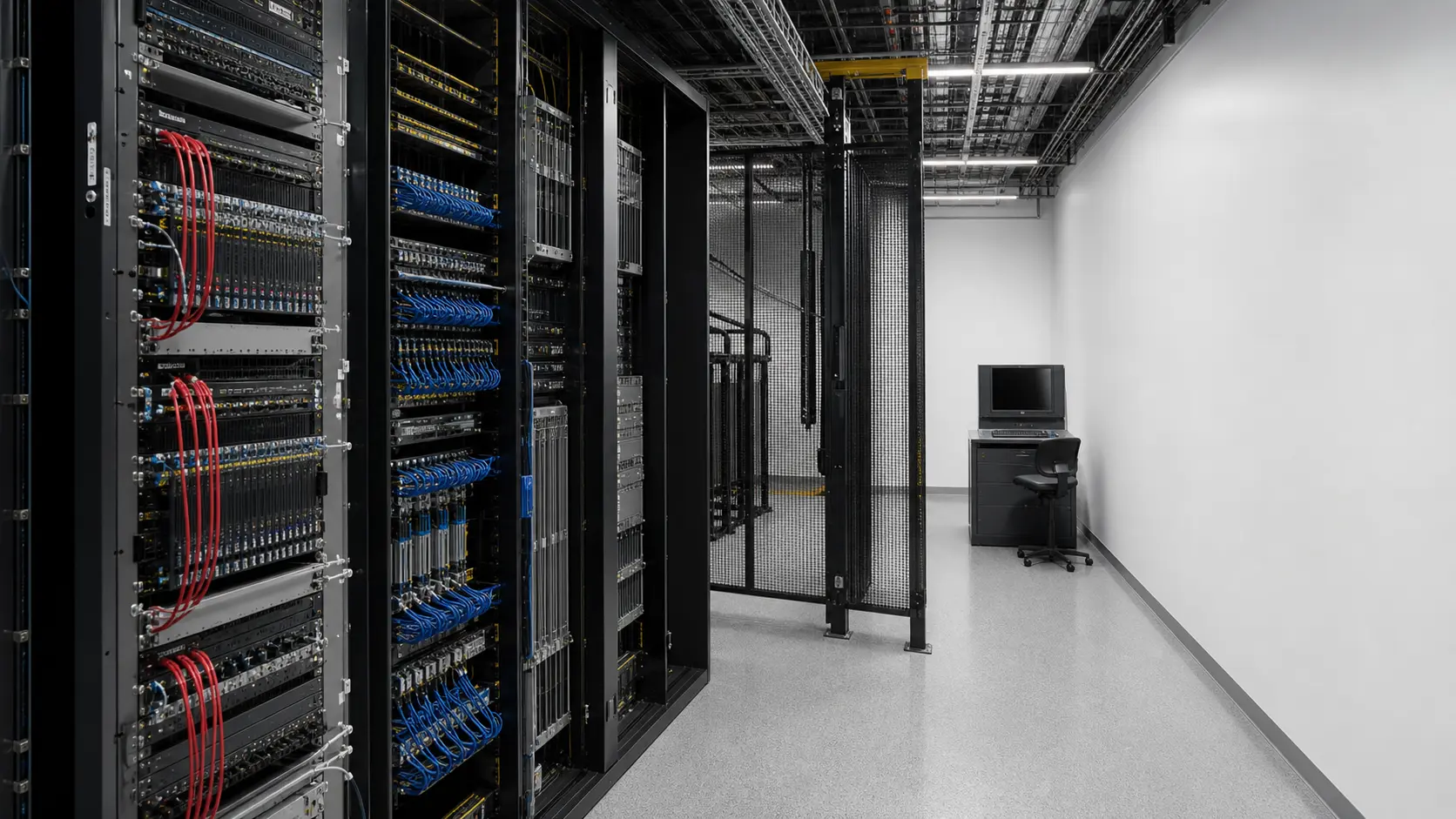
Azure's 2023 WAN Change Outage Made Global Routing Validation an Accountability Test
A planned IP-address change on a Microsoft wide area network router became a global service incident on 25 January 2023. Microsoft's account said a command behaved differently across network devices, propagated messages to other WAN routers, and forced adjacency and…
Global Cloud Services
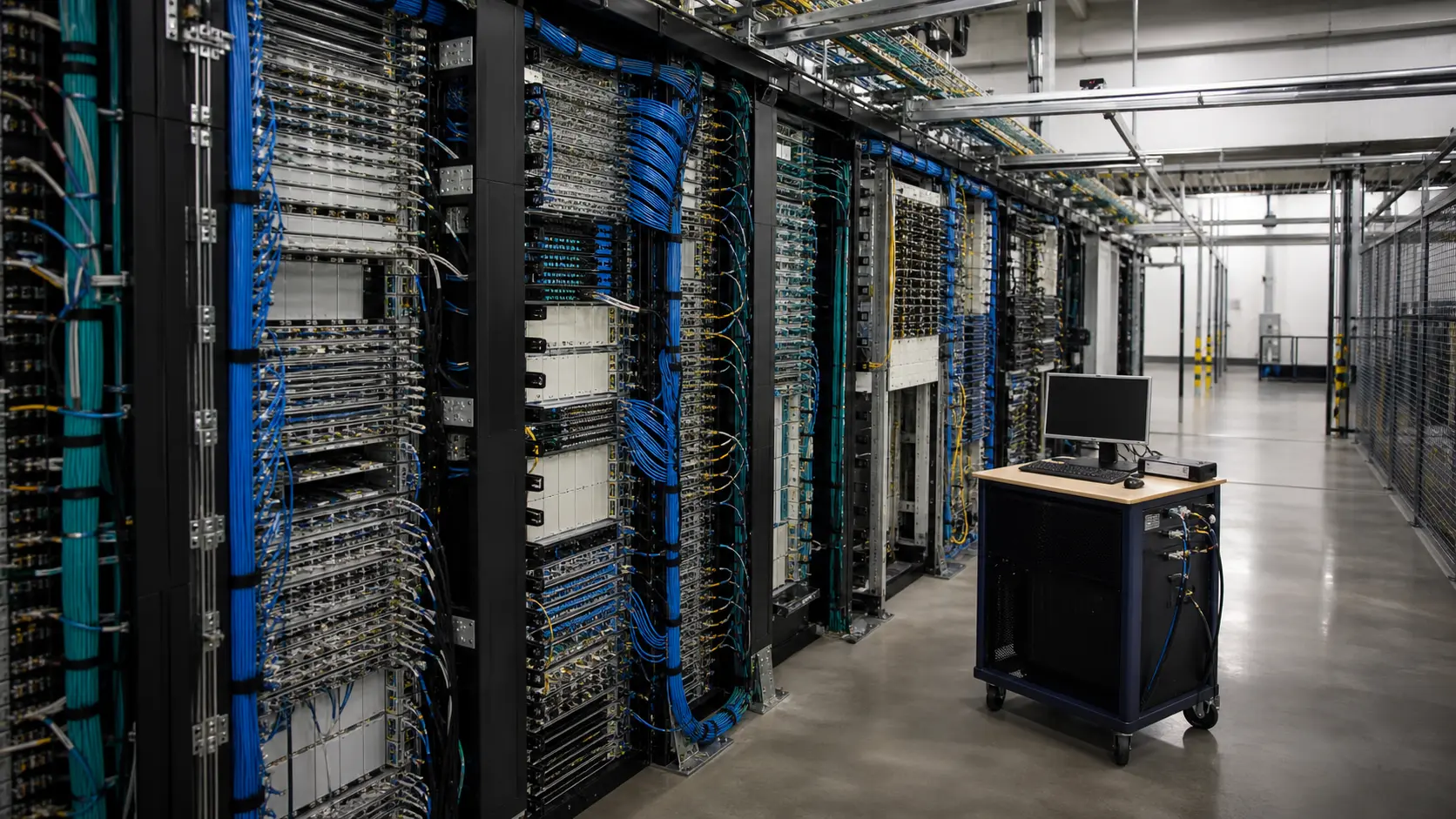
Cloudflare's 2022 Outage Made BGP Change Staging an Accountability Test
Cloudflare's June 2022 outage did not begin with an attack or a broken fiber. It began with a reviewed network change whose rollout steps did not exercise the architecture that could fail. When reordered BGP policy terms withdrew site-local prefixes from 19 high-traffic…
North America National Telecom
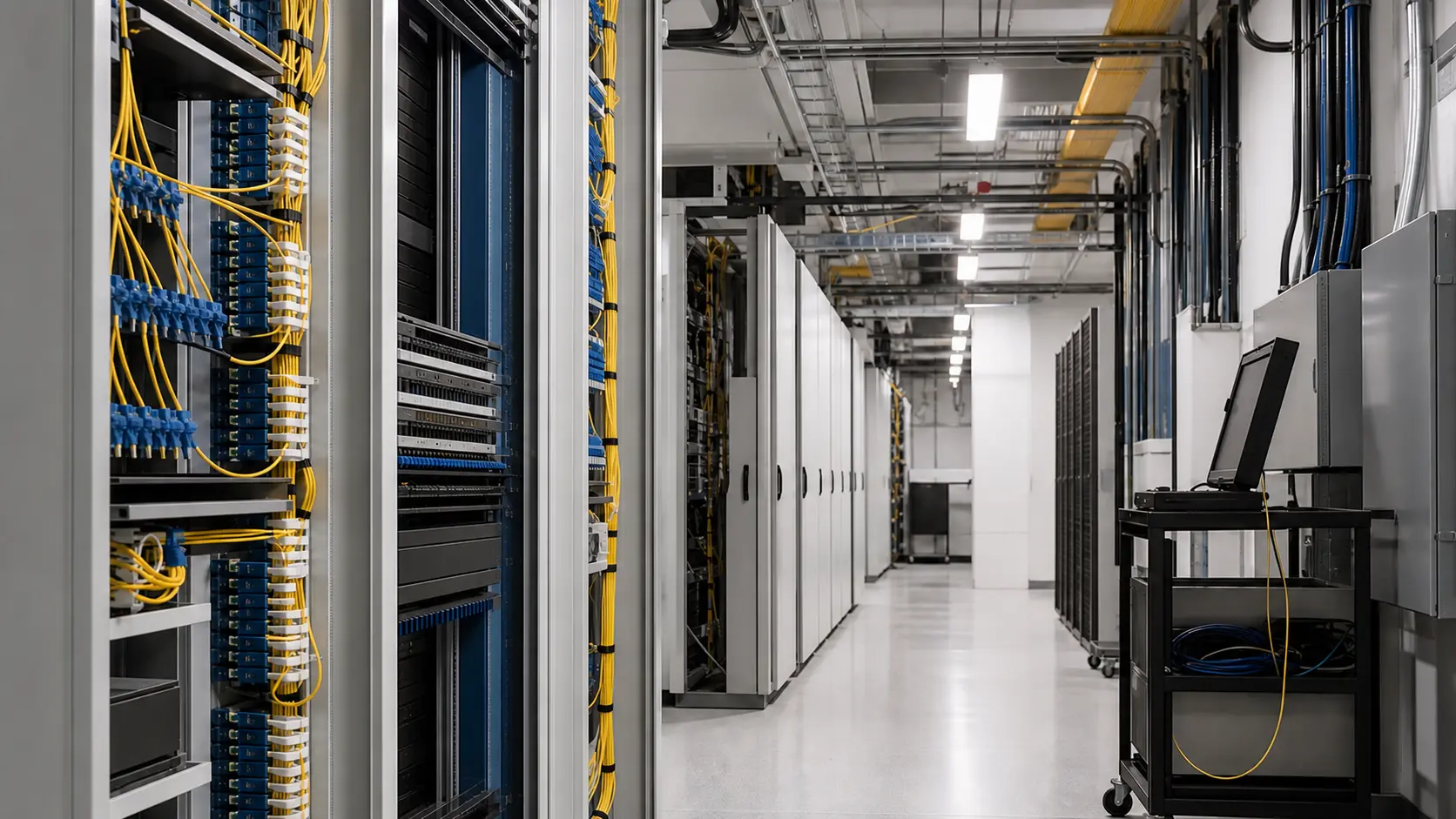
CenturyLink's 2018 Outage Made Backbone Management Isolation an Accountability Test
Four malformed management packets exposed a nationwide failure domain in CenturyLink's optical transport network. The incident showed why unused control features, unbounded packet propagation, lost remote visibility, and shared emergency-service transport must be treated as…

Global National Telecom
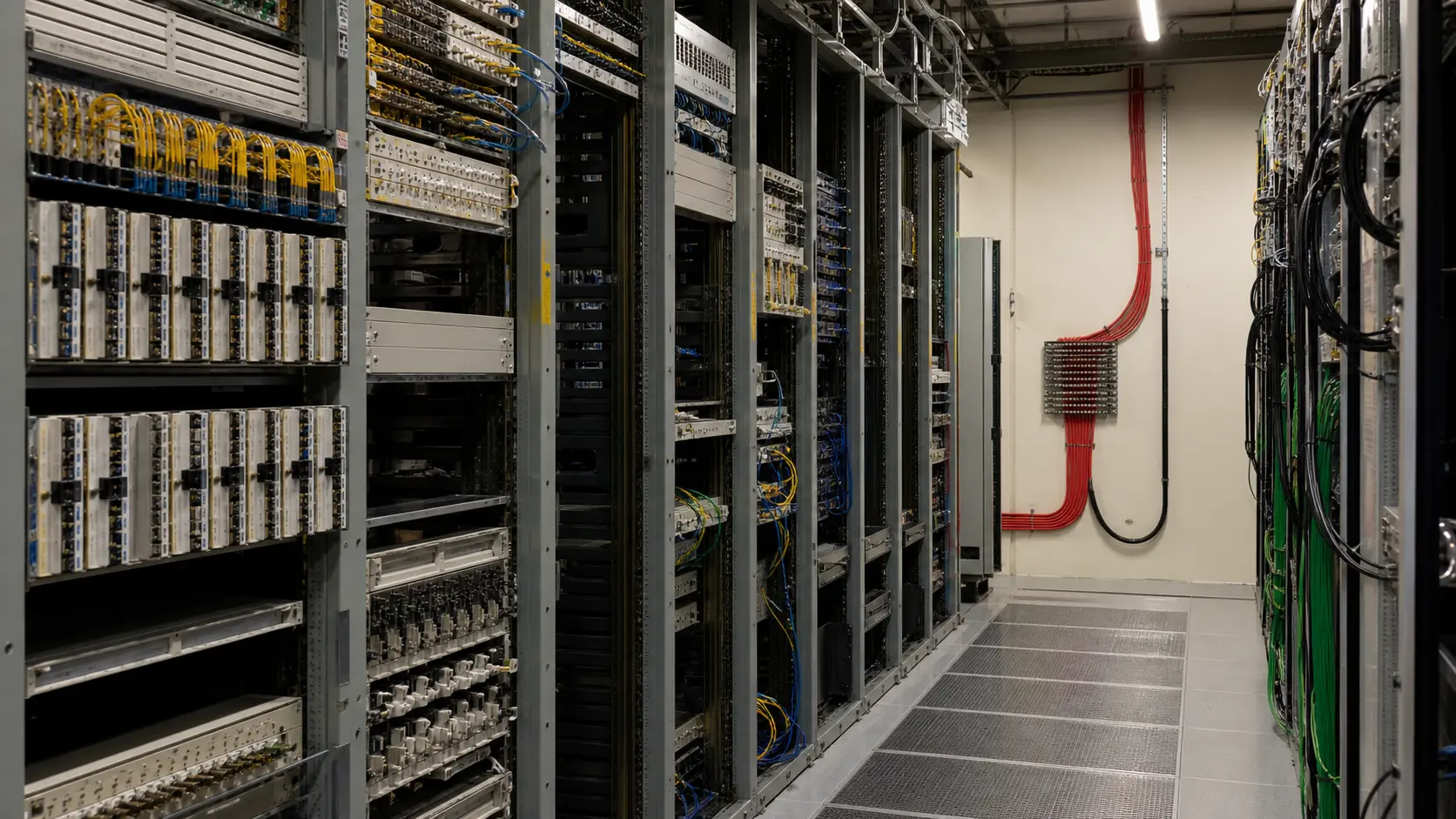
West Africa's 2024 Multi-Cable Outage Made Regional Route Diversity an Accountability Test
Four separately named submarine cable systems encountered faults near a shared West African corridor in March 2024. The resulting disruption showed that regional resilience depends on physically independent routes, reachable and sufficiently provisioned alternatives, working…
Global National Telecom
Orange France's 2021 Emergency-Number Outage Made Voice-Core Fallback an Accountability Test
Orange's 2 June 2021 disruption showed why emergency-call continuity cannot be inferred from the number of sites in a voice platform. A configuration sequence and shared software behaviour impaired a geographically distributed call-server estate, while many emergency centres…

Global National Telecom
Swisscom's 2020 Emergency-Call Outages Made Telecom Redundancy a Public-Safety Test
Swisscom's early-2020 disruptions exposed a hard distinction between redundancy that exists on a diagram and redundancy that carries an emergency call during maintenance or failure. The public record supports a control-based inquiry into routing, fault separation, alarm-centre…
Global National Telecom
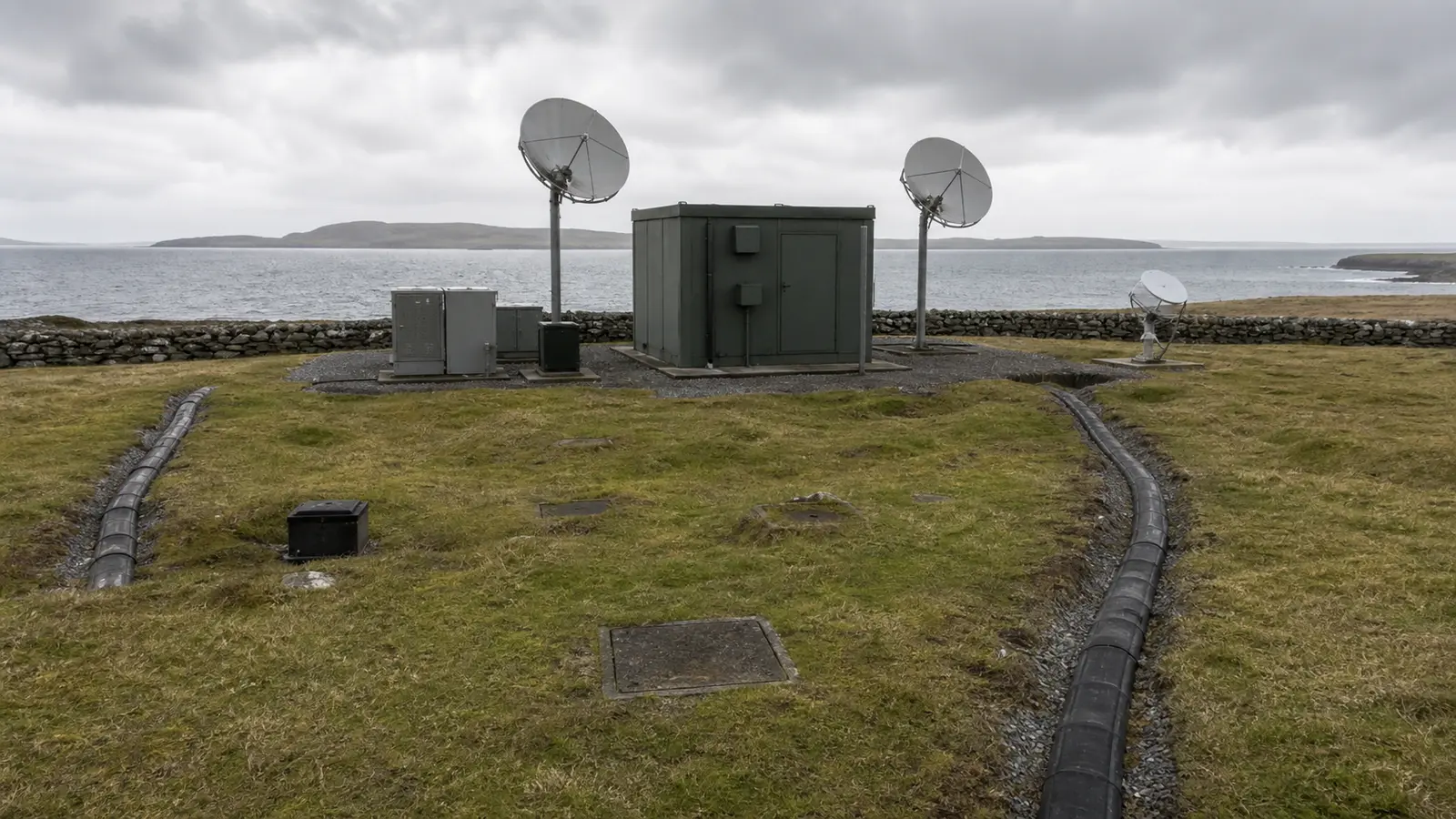
Shetland's 2022 Cable Outage Showed Why Physical Redundancy Must Be Usable
Shetland appeared to have the basic shape of resilience: a subsea fibre path south through Orkney to mainland Scotland and another path north toward the Faroe Islands. In October 2022, the northern path developed trouble first. When the southern path was damaged days later, much…

Global National Telecom
KDDI's 61-Hour Mobile Outage Made Router Change Control an Accountability Test
A routing error that lasted roughly fifteen minutes should not be confused with the outage it initiated. In July 2022, KDDI reverted an incorrect route setting, yet millions of voice and data users remained affected while signalling retries congested VoLTE nodes, overloaded the…

Europe and Middle East National Telecom
Vodafone Portugal's 2022 Core-Network Recovery Made Telecom Resilience Evidence an Accountability Test
When Vodafone Portugal's network failed on 7 February 2022, recovery moved backward through mobile generations before it moved forward. Voice returned over 2G. Mobile data returned over 3G. Teams then restored 4G and 5G while fixed voice, television, SMS, customer care and…

Europe and Middle East Institutional
Belnet's 2021 DDoS Outage Made Shared Public-Network Resilience an Accountability Test
When a large distributed denial-of-service attack reached Belnet in May 2021, the effects did not stop at an operator status page. Government websites became difficult or impossible to reach, parliamentary work was interrupted, students and public employees lost remote access…

Global Cloud Services
Akamai's 2021 Edge DNS Outage Made Configuration Rollout a Reachability Accountability Test
On 22 July 2021, many users could still send packets across the Internet, yet they could not reach the applications they wanted. Akamai said a software configuration update triggered a bug in a DNS component of its Secure Edge Content Delivery Network. The update was rolled back…
Global National Telecom
Telekom Malaysia's 2015 Route Leak Made Upstream Filtering a Transit Accountability Test
Telekom Malaysia's 2015 Route Leak Made Upstream Filtering a Transit Accountability Test intelligence summary explains the development, the public evidence available to readers, the organisations involved, the regional context, market exposure, and the infrastructure consequences…
Europe and Middle East National Telecom
BT's 2023 999 Outage Made Fallback Call Routing a Public-Network Accountability Test
BT's nationwide emergency-call disruption on 25 June 2023 was not simply a bad software morning. It exposed a harder network-infrastructure question. The United Kingdom depended on one provider to receive 999 and 112 traffic and transfer each call to an emergency authority. When…

Europe and Middle East National Telecom
KPN's 2019 112 Outage Made Routing-Platform Common Mode a Public-Safety Accountability Test
KPN's national voice outage on 24 June 2019 was not only a three-hour loss of telephone service. It exposed a structural fact about Dutch emergency communications: calls from every voice provider entered the 112 chain through KPN's telephone network. Four routing systems that…
North America National Telecom
CenturyLink's 2020 FlowSpec Outage Made Backbone Change Control an Internet Accountability Test
The narrow task sounded ordinary for a large carrier: block unwanted traffic from one IP address for a customer. The result was not ordinary. On 30 August 2020, a problematic BGP FlowSpec announcement spread through the CenturyLink/Level 3 network, interfered with BGP session…