
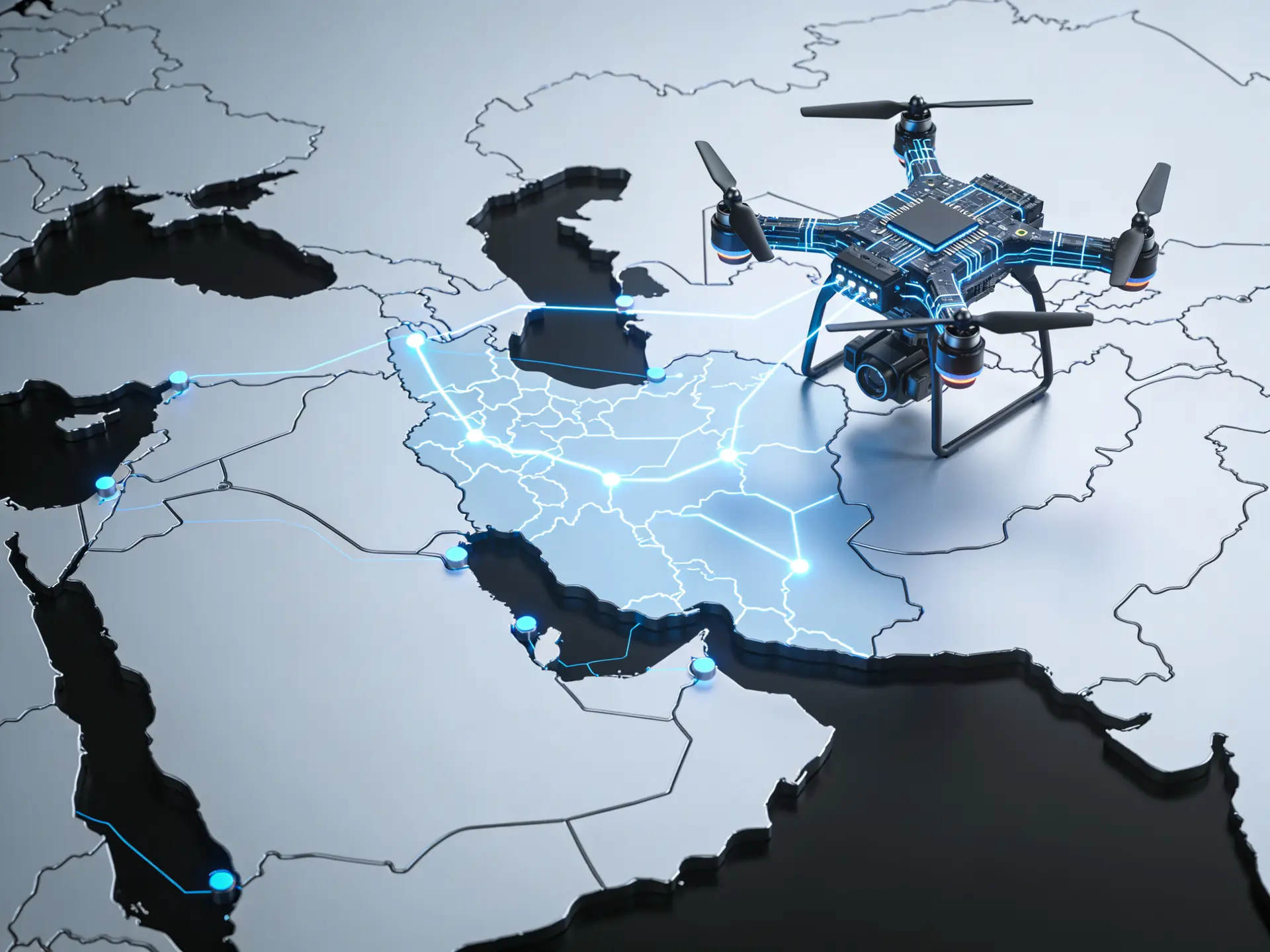
- Chainalysis says crypto donations linked to Russia and Iran have funded drone purchases and components via e-commerce platforms.
- Investigators argue blockchain transparency could help trace procurement networks despite rising misuse.
What happened
Groups linked to Russia and Iran are increasingly using cryptocurrency to finance the purchase of low-cost military drones and their components, according to a report by blockchain analytics firm Chainalysis. Reuters and Economic Times reported the findings.
Commercially available drones have become central to conflicts in Ukraine and the Middle East. The wide availability of these products on global e-commerce platforms makes identifying buyers difficult. According to the report, procurement networks are now intersecting with blockchain payments, enabling researchers to trace transactions from crypto wallets to vendors selling drone equipment.
Chainalysis investigators traced crypto transfers from wallets linked to drone developers and paramilitary groups directly to purchases of drones and parts online. Since Russia’s full-scale invasion of Ukraine in 2022, pro-Russia groups have raised more than $8.3 million in crypto donations, with drones listed among the items bought using these funds.
Researchers also matched crypto payments ranging between $2,200 and $3,500 to the price points of drone hardware sold on e-commerce sites. The report further identified Iran-linked activity, including a wallet connected to Iran’s Islamic Revolutionary Guard Corps (IRGC) purchasing drone parts from a Hong Kong-based supplier.
Although the crypto volume remains small compared with total military spending, analysts say blockchain’s transparency can help investigators map financial flows that would otherwise be hidden.
Also read:Data encryption: Safeguarding our digital life
Also read:US Urges Firms to Secure Microsoft Tool After Stryker Attack
Why it’s important
The findings highlight how digital assets are reshaping sanctions enforcement and national security. The war in Ukraine has already demonstrated how inexpensive commercial drones can alter battlefield dynamics, making supply chains a growing focus for regulators and intelligence agencies.
From a financial perspective, the report reinforces a long-running debate: cryptocurrencies offer transparency on public ledgers, yet they can still bypass traditional banking controls. Regulators globally have tightened oversight of crypto transactions in recent years, partly to prevent sanctions evasion and illicit finance.
Security experts say blockchain analytics may become a critical tool in identifying procurement networks early. In a short financial view, this also signals rising compliance pressure on exchanges and payment providers, potentially increasing costs and regulation across the crypto sector.