Egyptian LNG powers Egypt’s rise as gas export giant is profiled by BTW Media because public-source evidence links it to internet infrastructure, governance, operational dependencies, or market visibility.
Egyptian LNG powers Egypt’s rise as gas export giant is tracked as a internet infrastructure institution within the internet infrastructure ecosystem.
Egyptian LNG powers Egypt’s rise as gas export giant has public-source relevance to network operations, governance, dependency mapping, or market structure.
Egyptian LNG powers Egypt’s rise as gas export giant has public-source relevance to network operations, governance, dependency mapping, or market structure.
Egyptian LNG powers Egypt’s rise as gas export giant is tracked as a internet infrastructure institution within the internet infrastructure ecosystem.
Public-source signals support medium-impact monitoring for infrastructure visibility and dependency analysis.
Egyptian LNG powers Egypt’s rise as gas export giant is profiled by BTW Media because public-source evidence links it to internet infrastructure, governance, operational dependencies, or market visibility.
Public-source signals support medium-impact monitoring for infrastructure visibility and dependency analysis.
| 0.90–1.00 | A | High — direct sources |
| 0.75–0.89 | A/B | Strong |
| 0.55–0.74 | B/C | Medium |
| 0.35–0.54 | C/D | Weak–medium |
| 0.10–0.34 | D | Weak signal |
| 0.00–0.09 | D | Internal monitoring |
Mixed-source
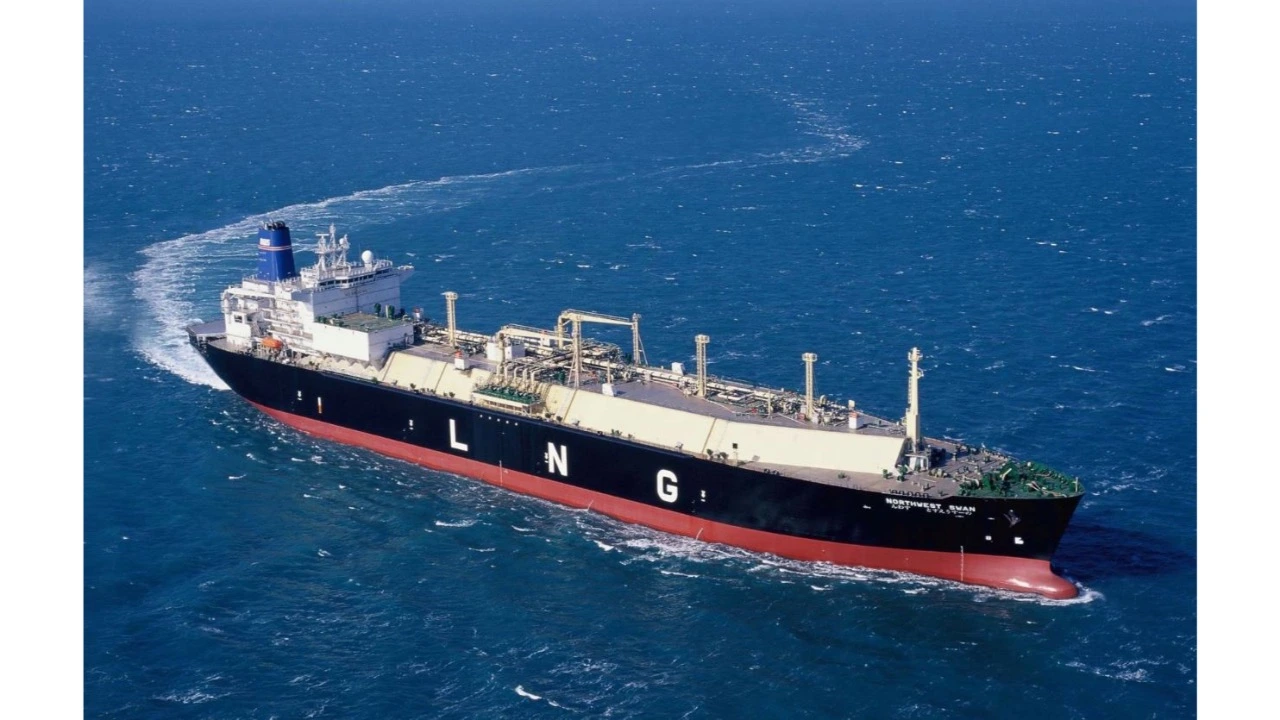
- Egyptian LNG’s twin-train liquefaction plant processes 7.2 mtpa of natural gas for export
- The company plays a pivotal role in transforming Egypt into a regional energy hub
Egyptian LNG: From domestic surplus to global supplier
The Egyptian Operating Company for Natural Gas Liquefaction Projects SAE, commonly known as Egyptian LNG, has been at the forefront of Egypt’s transformation into a global energy exporter. The company operates a major LNG facility located at Idku, northeast of Alexandria, and was established in response to the discovery of world-class gas reserves in the West Delta Deep Marine (WDDM) concession in the mid-1990s.
Initially, the gas finds—developed by the Egyptian General Petroleum Corporation (EGPC) in partnership with BG International and Edison—far exceeded domestic demand. This surplus prompted a shift in policy, allowing for gas exports in the form of liquefied natural gas (LNG). In 2002, Egyptian LNG was formed with the backing of key sponsors including EGPC, EGAS, BG, Edison (later replaced by PETRONAS), and GdF (now Engie).
To deliver on its export commitments, Egyptian LNG commissioned Bechtel to build a two-train liquefaction facility using the ConocoPhillips Optimised Cascade Process. Each train has a capacity of 3.6 million tonnes per annum (mtpa), making the total plant capacity 7.2 mtpa. The first train’s output was sold under a 20-year agreement to Engie, while the second was contracted to STASCO (Shell).
Also read: Apple drops out of talks to join OpenAI investment round
Also read: OpenAI offers Thrive Capital exclusive sweetener in latest funding round
Egyptian LNG: A regional anchor amid global challenges
Today, Egyptian LNG plays a central role in Egypt’s ambitions to become an energy hub connecting the Mediterranean, Africa, and Europe. The LNG sector has gained heightened attention amid the ongoing global push for energy diversification and security, especially in the wake of supply disruptions linked to geopolitical tensions and climate policy transitions.
However, the LNG industry faces structural challenges. These include fluctuating gas prices, infrastructure constraints, and the pressure to reduce carbon emissions. In response, industry players, including Egyptian LNG’s stakeholders, are exploring carbon capture, enhanced efficiency processes, and floating LNG technologies to improve resilience and reduce environmental impact.
Egypt’s strategic location, strong infrastructure, and robust government support position Egyptian LNG to remain a key player in the international gas trade, offering both flexibility and long-term supply stability.
Core Entity Brief
- Entity: Egyptian LNG powers Egypt’s rise as gas export giant
- Subject Type: Internet infrastructure institution
- Region: Africa
- Classification: Institution Type
Service Surface / Control Surface
- Public records support monitoring of governance, service, and infrastructure control surfaces.
Governance and Policy Surface
- Public-source signals support medium-impact monitoring for infrastructure visibility and dependency analysis.
- Operational criticality: Medium
- Time horizon: Quarter (30-120d)
Decision Trigger Matrix
- Monitoring focuses on verified service continuity, governance changes, and relationship signals.
Current state favours active tracking due to infrastructure relevance.
Public-source signals support medium-impact monitoring for infrastructure visibility and dependency analysis.
Long-cycle infrastructure decisions likely to remain path-dependent.
Member Unlock
Restricted Profile Intelligence
Login is required to unlock full profile briefings and deep-dive sections.
Only for Strategy Circle
Strategic Circle Access
Open to all readers. Unlock profile briefings after joining and logging in.
Join Strategic CircleOnly for Leadership Alliance
Leadership Alliance Access
For owners and management of IP-holding companies. Login required to unlock.
Join Leadership Alliance