Trends
AI data centres to surpass Japan’s power use by 2030
The IEA projects that AI data centres will consume more electricity than Japan by 2030, highlighting the need for strategic energy planning.
Headline
The IEA projects that AI data centres will consume more electricity than Japan by 2030, highlighting the need for strategic energy planning.
Context
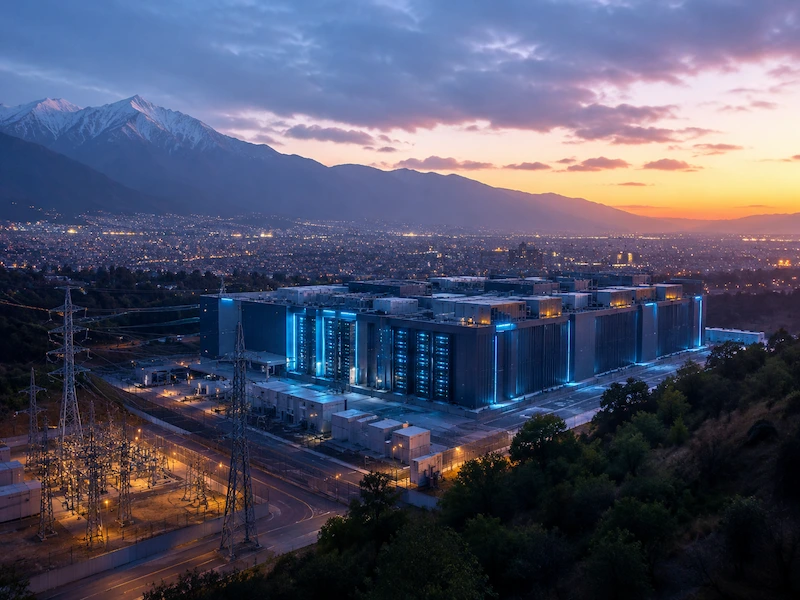
The International Energy Agency (IEA) has projected that by 2030, the electricity consumption of AI data centres will surpass that of Japan, the world’s third-largest economy. This surge is attributed to the rapid expansion of artificial intelligence applications, which require substantial computational power and, consequently, significant energy resources. The IEA’s report highlights the growing energy demands of AI technologies and the potential implications for global energy consumption patterns. The agency emphasises the need for strategic planning to manage this anticipated increase in energy usage.
Evidence
Pending intelligence enrichment.
Analysis
Also read: DOE identifies sites for AI data centres Also read: Meta explores $200B AI data centre project The anticipated increase in energy consumption by AI data centres presents significant challenges for global energy sustainability. As AI technologies become more integrated into various sectors, the demand for energy-intensive data processing is expected to rise correspondingly. This trend may strain existing energy infrastructures and complicate efforts to reduce carbon emissions. The IEA’s findings underscore the importance of developing energy-efficient AI solutions and investing in renewable energy sources to mitigate the environmental impact of this growth. Policymakers and industry leaders are urged to consider these factors in future energy planning and AI development strategies.
Key Points
- IEA forecasts AI data centres will consume more electricity than Japan by 2030
- Rapid AI expansion may challenge global energy sustainability efforts
Actions
Pending intelligence enrichment.