
Primary Domain
Submarine Cable Infrastructure
Within the Primary Domain facet, Submarine Cable Infrastructure intelligence groups reporting by primary domain so readers can follow a focused area of internet infrastructure, governance, connectivity markets, or digital capital. The page brings together related articles, public evidence, institutions, companies, people, regional exposure, operating dependencies, and market context that may otherwise sit across separate category pages. It explains the domain, the likely actor class, the market or governance context, and the source material readers should use when comparing signals. Operators, analysts, and governance readers can see how the same domain appears across events, profiles, market shifts, public-source evidence, regional dependencies, and longer-cycle infrastructure decisions over time.
Europe and Middle East Institutional
Nobody Divides the Red Sea's Cable Faults by Anything
The submarine cable industry publishes its fault count six ways, its cable length at three different totals and its repair clock from two different starting points. In the 25 documents read for this briefing, the only rate anyone printed measures fishing and anchor damage in…

Europe and Middle East Regional ISP
Subcan's capacity figure is another cable's total
Two unrepeatered fibre-optic cables run between Tenerife and Gran Canaria: 142 km and 136 km in the academic account, in service since 2002. The only one of the fifteen sources I read for this piece that prints their design factors gives each cable twelve fibre pairs and “una…

Asia-Pacific National Telecom
SISCC prints five capacities and leaves the perimeter to a stranger
The Coral Sea Cable System has carried Solomon Islands traffic since February 2020, and its owner states its size as up to 20 Terabits/s for each country. That figure closes only when the reader supplies a fibre-pair perimeter no reviewed page prints. Across the same fibre pairs…
CASE FILE
The repeaters come from Greenwich, and the census comes in threes
On 27 June 2024 Nokia agreed to sell Alcatel Submarine Networks to the French State at an enterprise value of EUR 350 million, keeping a fifth of the company and a board seat for a transition of unstated length. What completed on 31 December 2024 was not a cable fleet with a…
Africa National Telecom
Four ways to buy a cable, no price on the page
WIOCC lists lease, IRU, capitalised lease and pay-as-you-grow, a capacity band from 1 Gbps to 1 Tbps, and three handoff types. It lists no price, no term and no restoration commitment. The company's own data-centre arm prints exactly which variables its price depends on — and…
CASE FILE
A Cable Zone's Biggest Fine Falls on the Entity That Can't Be Jailed
New Zealand's cable-protection law, in the words retained for this reading, is a rule about anchors rather than a rule about cables. Anchoring or operating fishing gear inside a protected area is an offence. The number that follows turns on whether the offender is a person or a…
CASE FILE
The Red Sea's Cables Wait on a Signature, Not a Ship
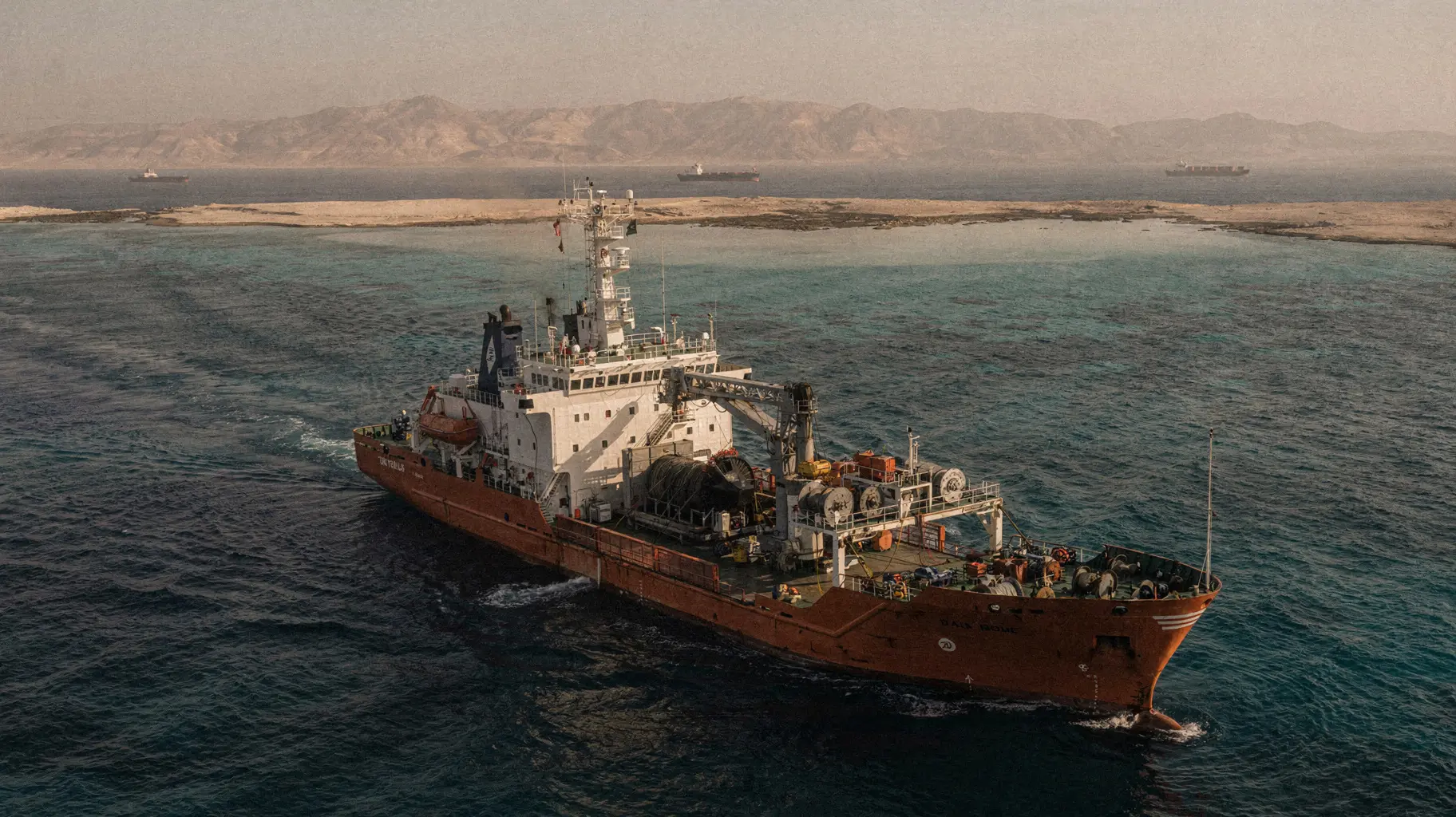
Two documents describe the same July 2024 work in Yemeni Red Sea waters. The first, a wire report on 18 July, says an E-Marine vessel called Niwa restored AAE-1 and stayed on station for SEACOM and EIG, and it mentions permit difficulties involving Yemen's internationally…
Asia-Pacific National Telecom
Bangladesh Buys Bandwidth by the Year and Sells Cable Life by the Decade
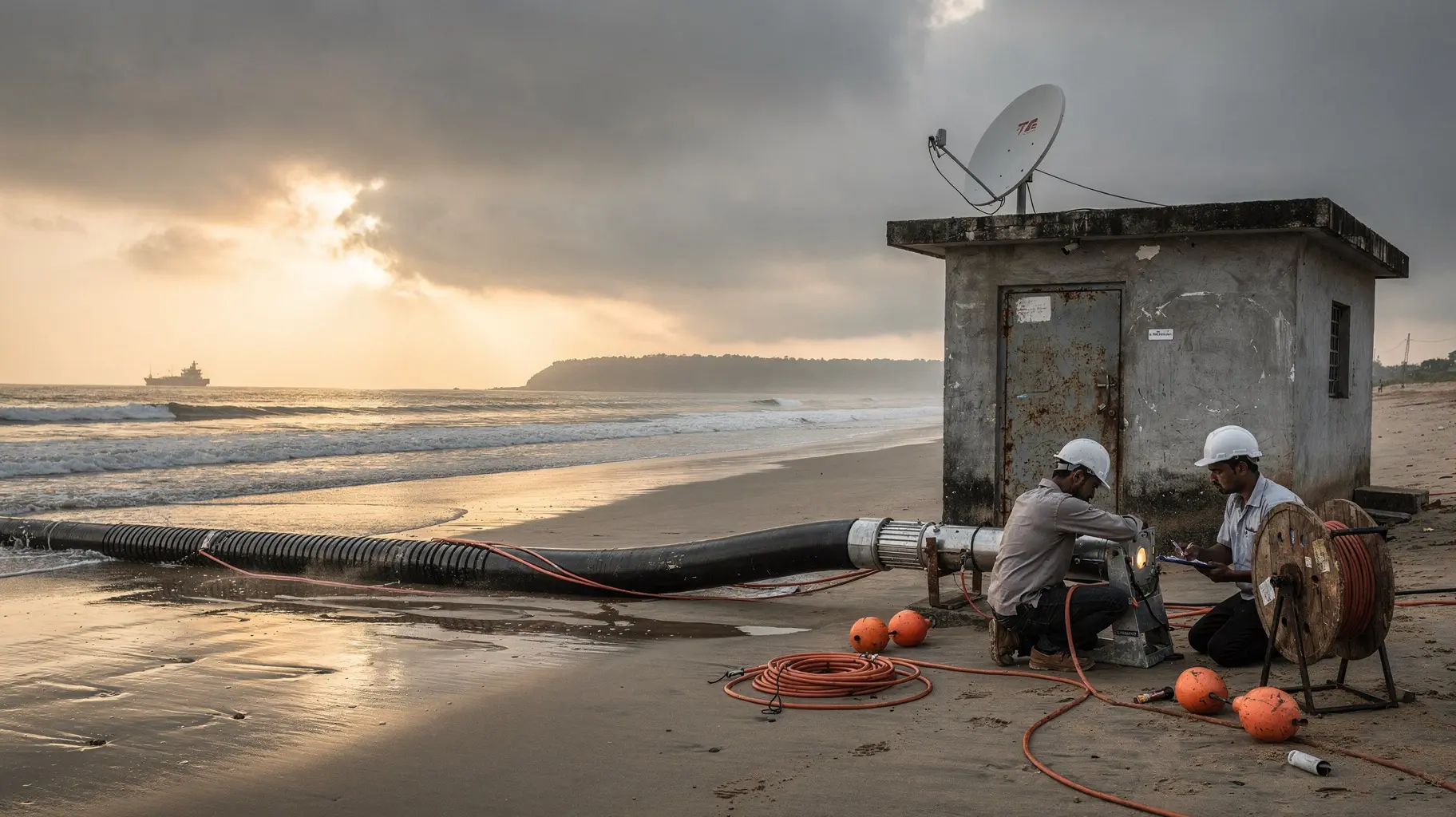
Two landing stations, three consortium memberships and a pile of contracts that expire in the wrong order: the audited accounts of Bangladesh's cable company show the country's longest international commitments belong to capacity leaving the country, not to the capacity it uses…
Asia-Pacific National Telecom
Bangladesh Doubled Its Subsea Capacity and Left the Compass Pointing East
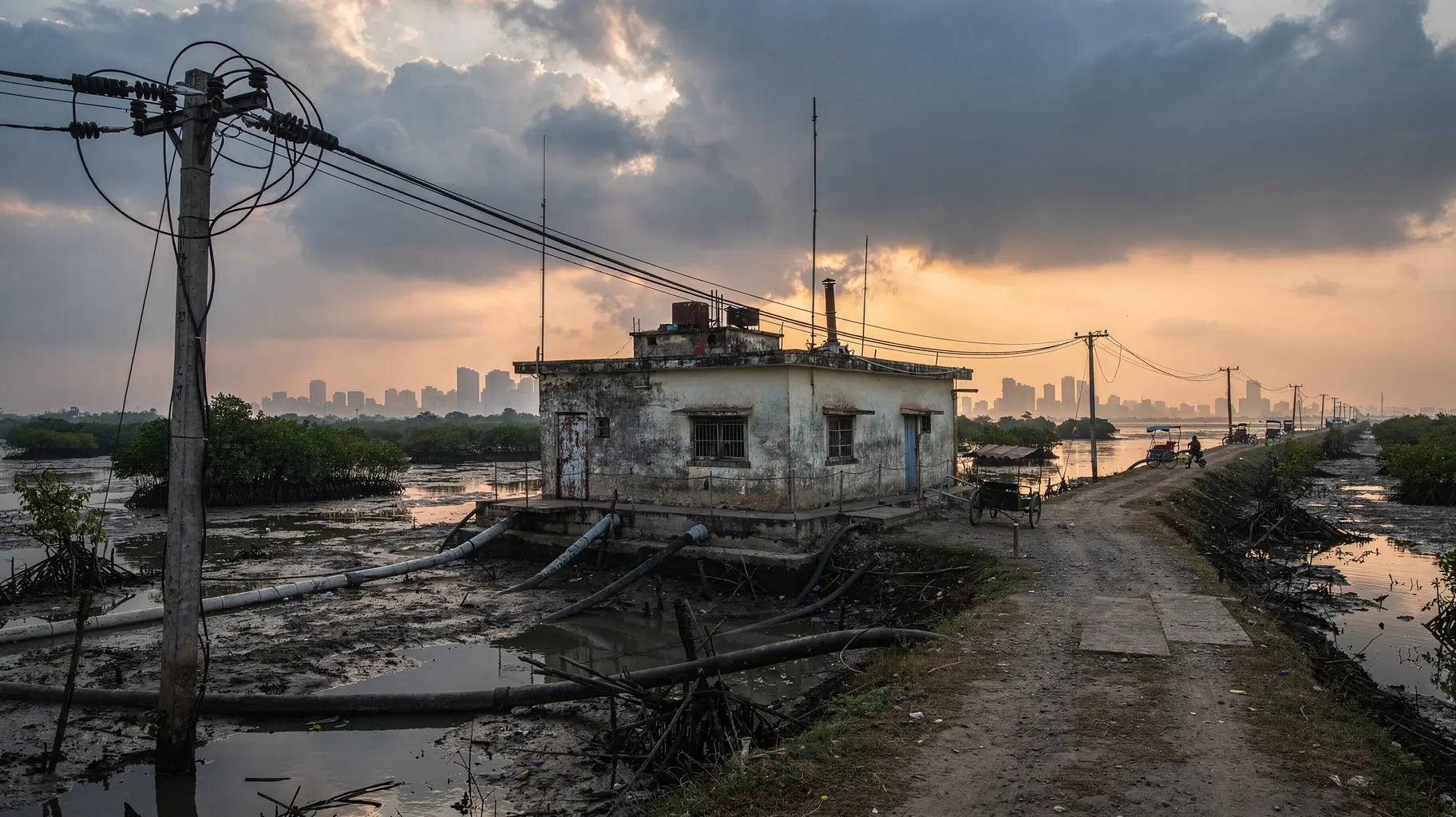
In June 2023 the country's landing party was running at 83.8% of its lit cable capacity. It then added 3,800 Gbps in a single upgrade, and its own annual reports show what that bought: a much bigger pipe, still pointed at Singapore.
Asia-Pacific Datacenter
The ocean didn't move: Hawaiki's record is an equipment story wearing a route headline
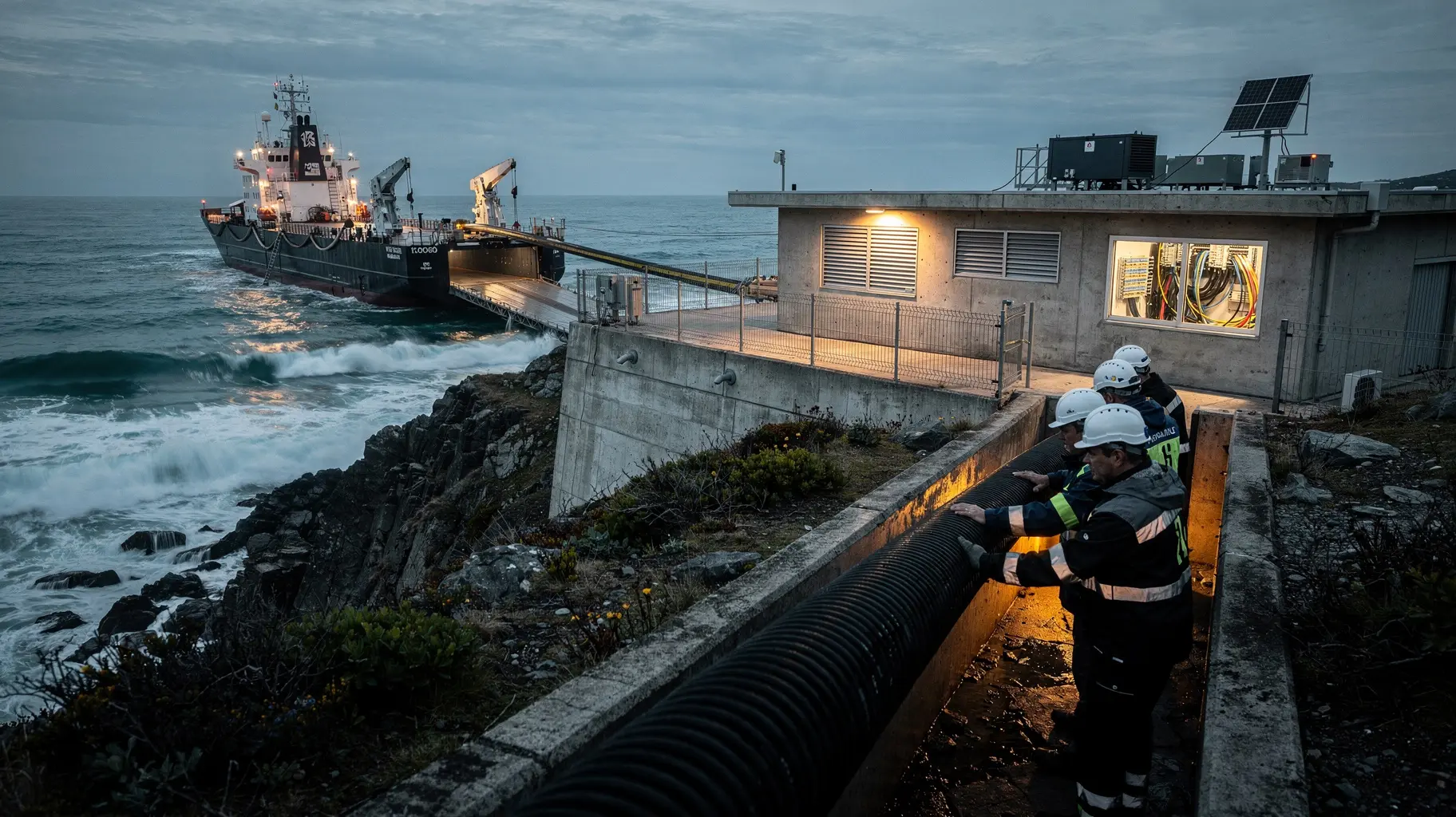
A vendor-announced performance record on a 15,000 km cable that has been in the water since 2018 tells you a great deal about glass and terminals, and almost nothing about the map. For anyone buying Pacific capacity, that distinction is the whole deal.
Asia-Pacific Regional ISP
A Cable, an AS Number and No Confirmed Operator
A Cable, an AS Number and No Confirmed Operator intelligence summary explains the development, the public evidence available to readers, the organisations involved, the regional context, market exposure, and the infrastructure consequences that may follow. The Asia-Pacific…
Asia-Pacific National Telecom
Australia Gifted the Cable. Solomon Islands Built the Gate.
The Solomon Islands Submarine Cable Company owns the international and domestic systems that carry the country's traffic, and it sells capacity to licensed operators only. That one commercial sentence will outlast every aid cycle attached to the cable itself.
CASE FILE
240 Terabits, Zero Landings: The Cable That Exists Only as a Number
Hawaiki Nui 1 has been sold on paper since May 2024. A review of the operator's own page on 9 November 2026 still produced a design capacity and three flags on a map — and nothing a buyer could put a date on.

CASE FILE
One Name in an Owner Field, and Two Cables Nobody Answers For
Two JSON records, read on 9 November 2026, put a company name in an owner field and a supplier name in a supplier field, give two lengths of 143 km and 136 km, and stop. Everything a buyer, an operator or an investor would actually need to act is absent from both documents — and…
CASE FILE
A card cannot see a cable. Hawaiki's card has stopped pretending it can.
BTW's directory projection of 4 November 2026 delivered twenty-three claims about Hawaiki Submarine Cable LP and observed its network layer exactly zero times. The file it cites twice names a different cable. Read the card as a register of what has been observed, never as a…
Europe and Middle East Institutional
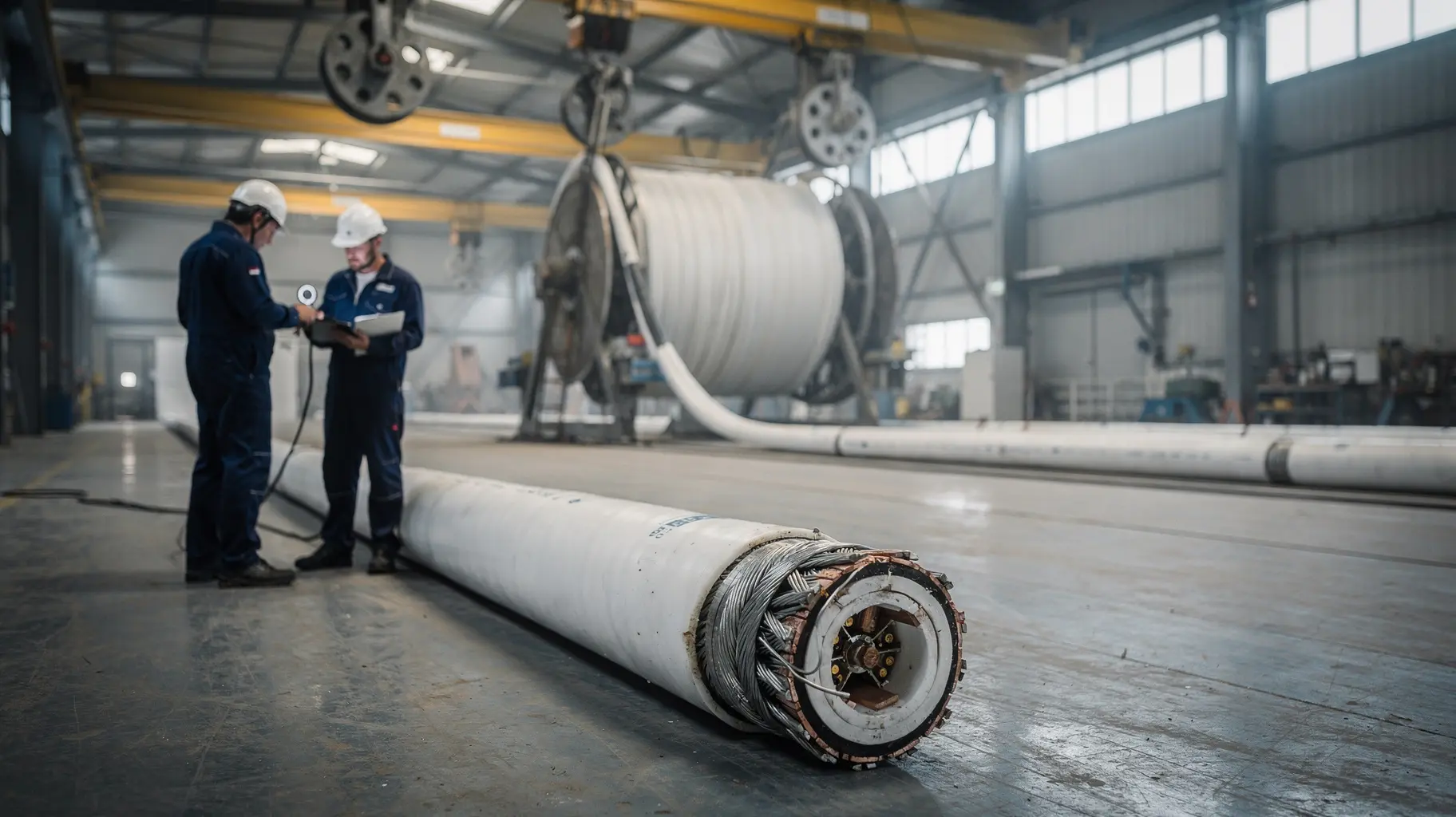
France Bought the Cable Factory. Nokia's Own Paperwork Cannot Agree on When.
Nokia sold 80% of Alcatel Submarine Networks to the French State at a €350 million enterprise value, kept 20% with a put option attached, and signed up to a €100 million industrial plan for Calais and Greenwich. The record cannot agree on the day the handover happened — and that…

Europe and Middle East Regional ISP
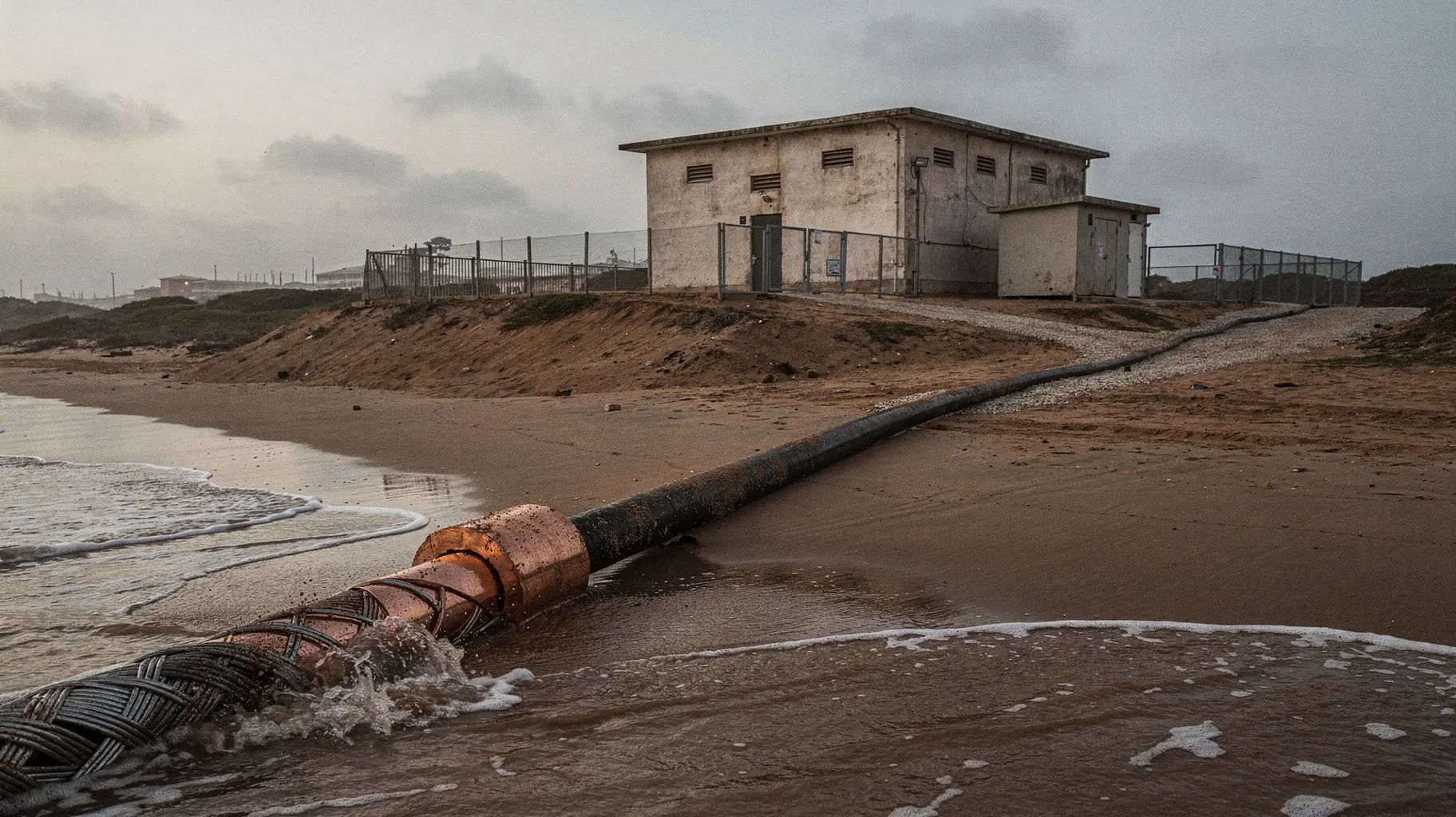
Cable Submarine de Canarias: an owner's name, and no operator behind it
Two public cable records from 2002 attach the same owner and the same supplier to a pair of short links between Las Caletillas and Piedra Santa. Everything a market needs in order to price that asset — who runs it, who paid for it, who sells the capacity — is missing from the…
Africa National Telecom
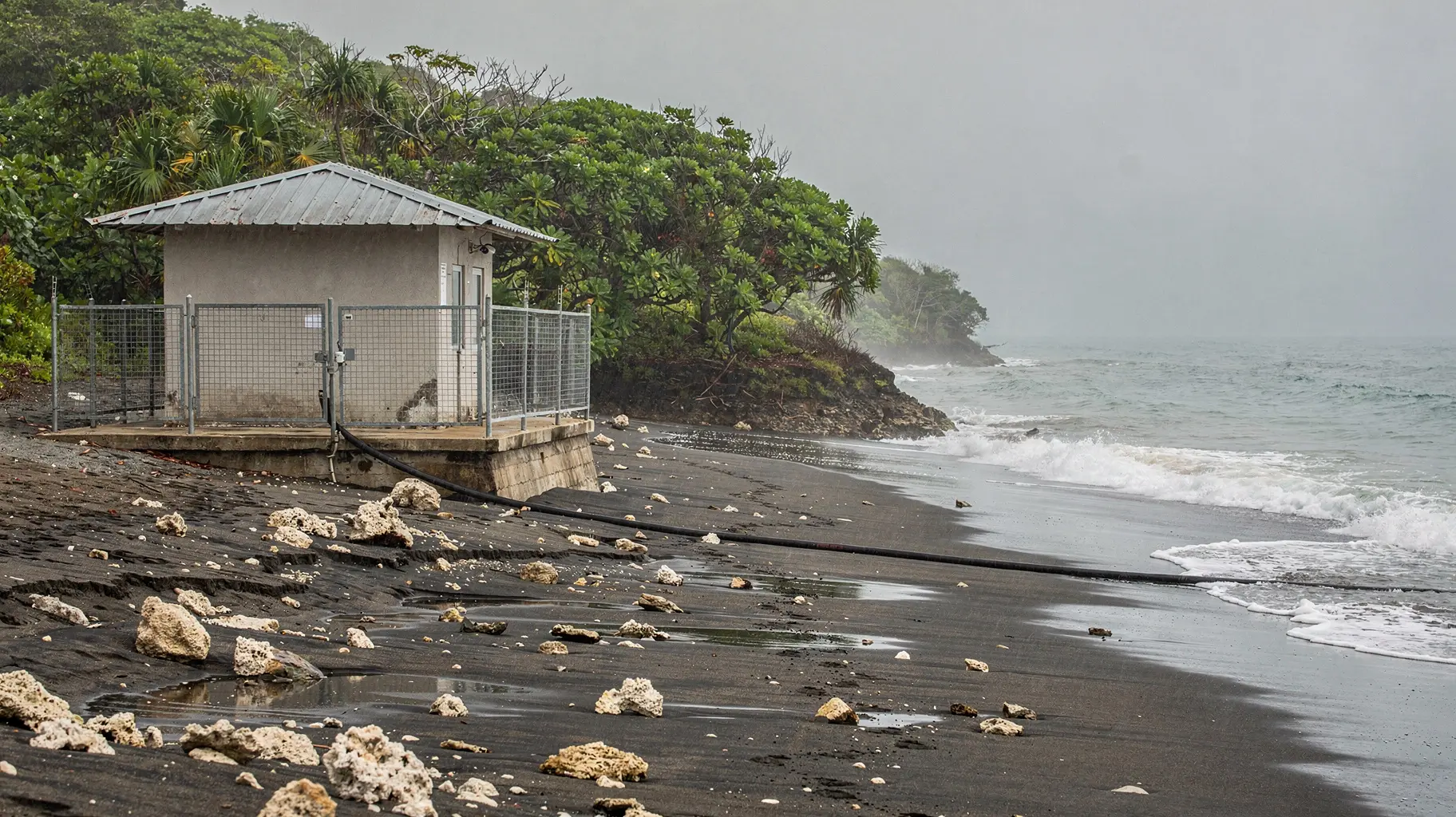
Three references, one document: who may sell capacity at Banjul, and where the record stops
The Africa Coast to Europe cable record places a landing point at Banjul and carries this company's name in an owners field. What a buyer of Gambian capacity needs next is the party entitled to sell over that landing, and an owners string does not name it. That gap carries a…
Asia-Pacific National Telecom
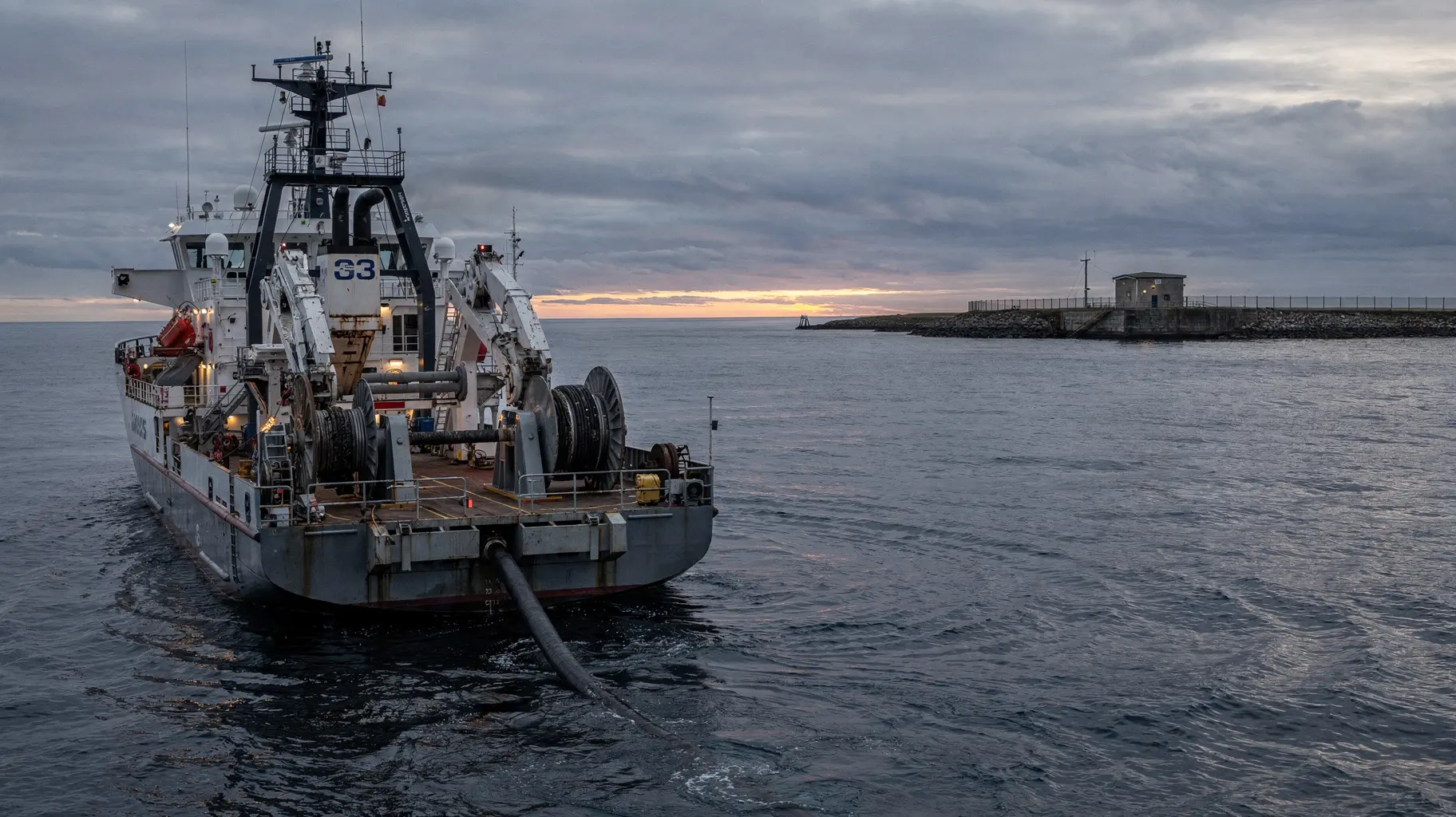
Naming the cable operator is not the same as documenting access
Naming the cable operator is not the same as documenting access intelligence summary explains the development, the public evidence available to readers, the organisations involved, the regional context, market exposure, and the infrastructure consequences that may follow. The…
Europe and Middle East Institutional
Alcatel Submarine Networks: a cleared owner, an unmeasured fleet
The French State's purchase of Nokia's subsea business is visible in an announcement and a competition record that resisted every attempt to read them as text on 18 October 2026. The supplier's ships, plants and order positions were not visible at all — and that asymmetry, not…