
Region
United States
United States regional intelligence explains how companies, people, policy moves, network operations, investment signals, data centre demand, telecom execution, and market constraints shape infrastructure delivery in the same geographic market or governance area. The page connects published coverage with evidence, regional actors, operating dependencies, market context, and customer or regulatory exposure that may otherwise sit across separate topic or company pages. Readers can compare who is active, which signals are backed by public evidence, how local execution risk connects to broader internet infrastructure strategy, and what changes may affect customers, partners, regulators, or capital planning. Readers can understand the geography, the relevant infrastructure sectors, the public evidence base, and the practical questions that make the regional page more useful than a short listing of articles.
North America National Telecom Trends
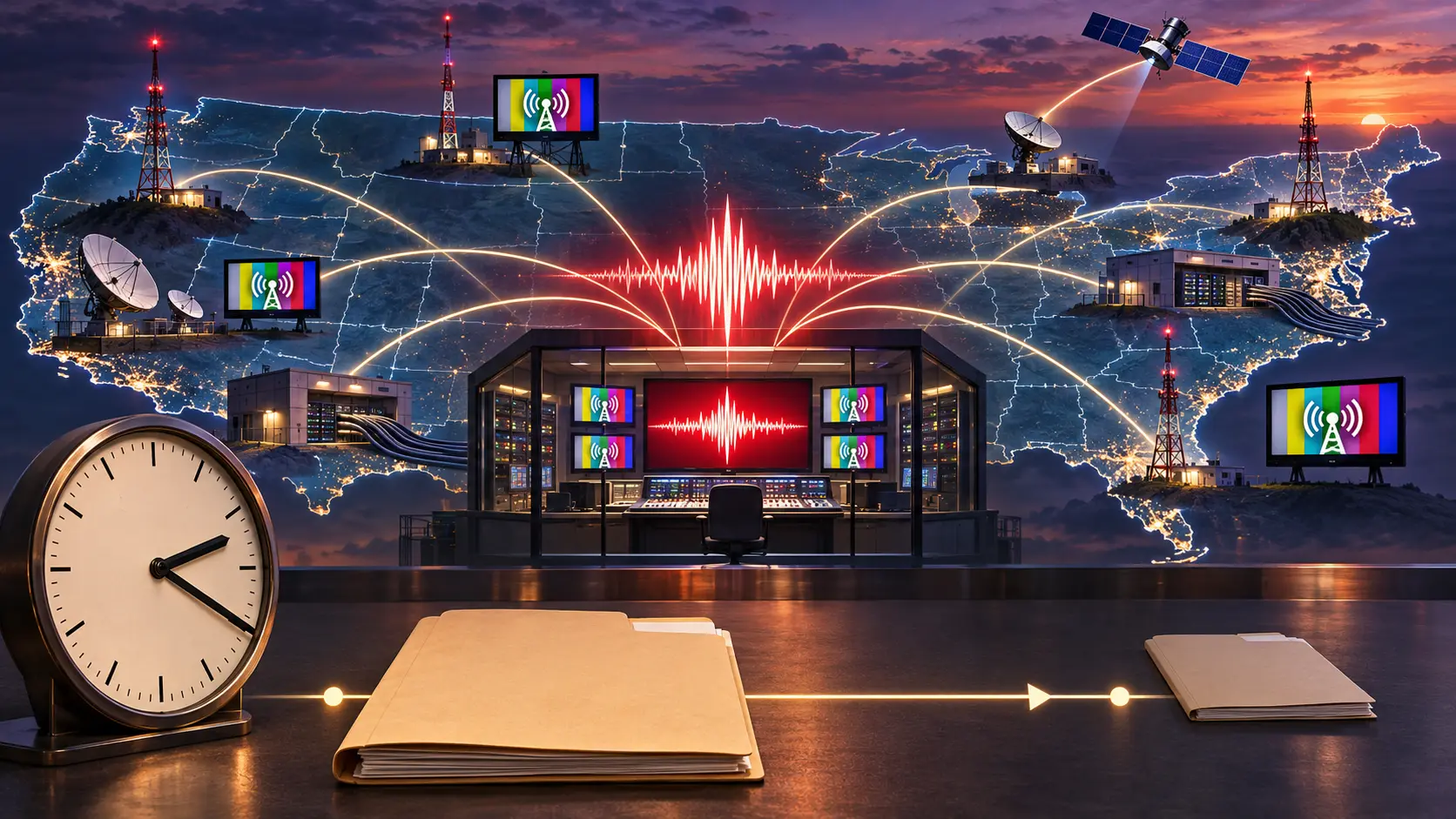
The National Alert Fires at 2:20. Its Full Report Arrives in January.
FEMA has a 17 November slot for the US Emergency Alert System test. The FCC has two later clocks for the operators: 48 hours for the first account, then until 4 January for the detailed one.
History
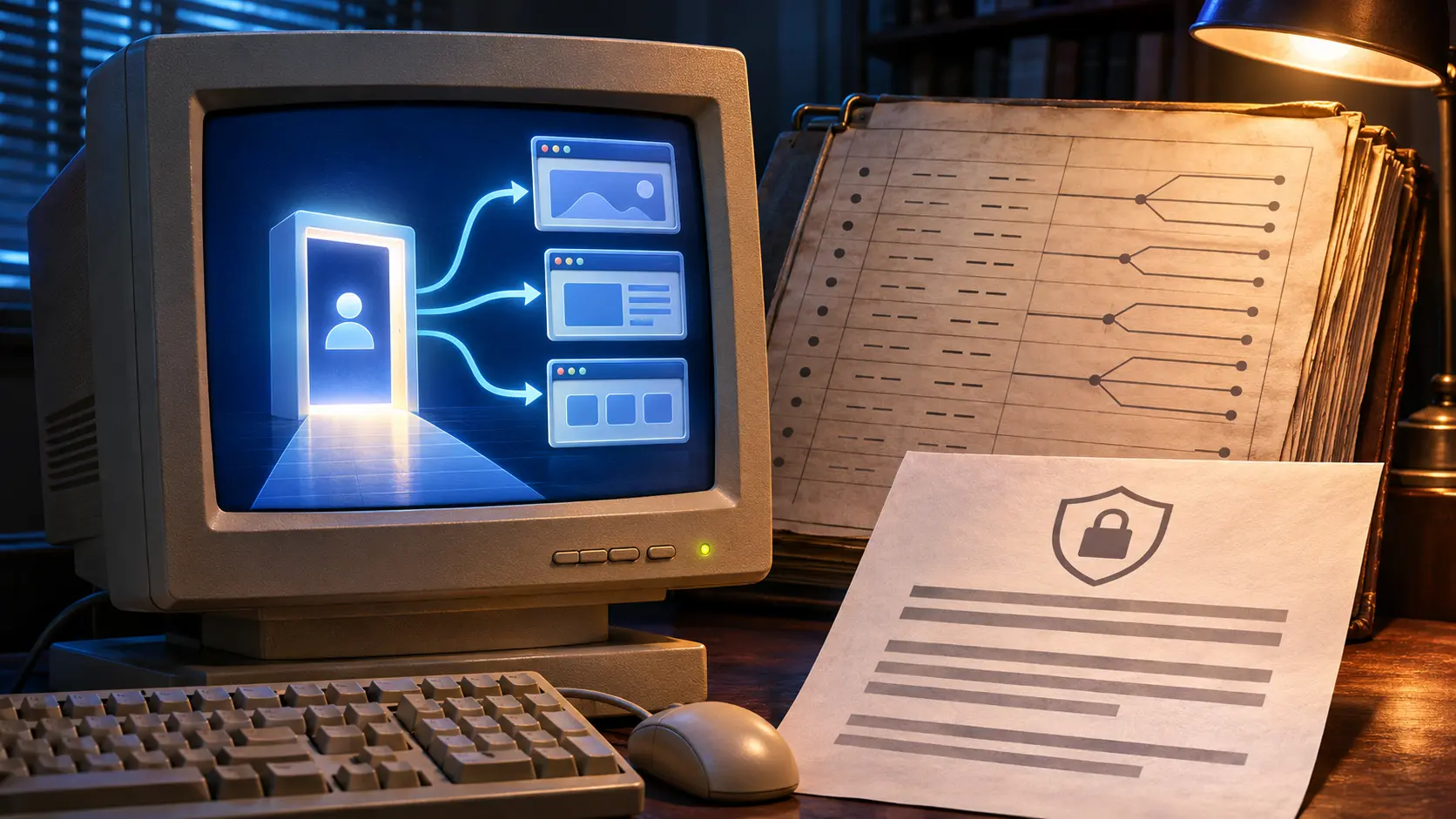
Passport Promised One Login. It Kept a Site-by-Site Sign-In Record.
Microsoft sold a simpler way to enter participating websites. The FTC's 2002 complaint described the less visible product of that convenience: a record of which sites each Passport user signed into, and when.

History
Pets.com Shut Its Store. The Puppet Went on the Sale List.
The checkout went dark on 10 November 2000. The company's paperwork kept moving: inventory, warehouse equipment, web addresses and even its famous advertising character became assets in a liquidation.
History
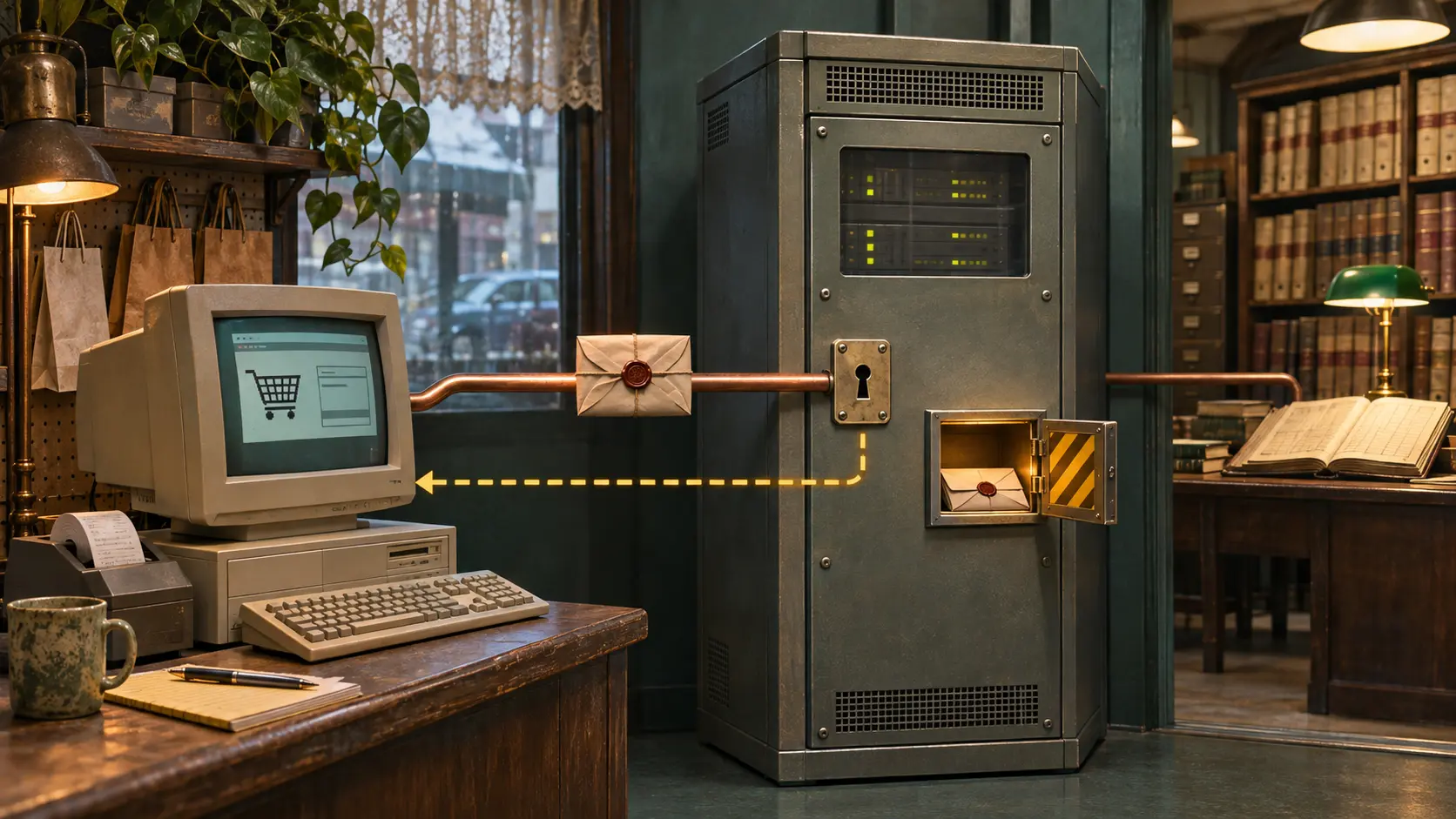
CyberCash Hid the Card Number. The Acquiring Bank Could Hand It Back.
CyberCash's 1996 protocol routed a customer's card details past the shop and into a payment server. The shop still had two ways to see the number. One depended on its bank; the other left a record of the request.
History
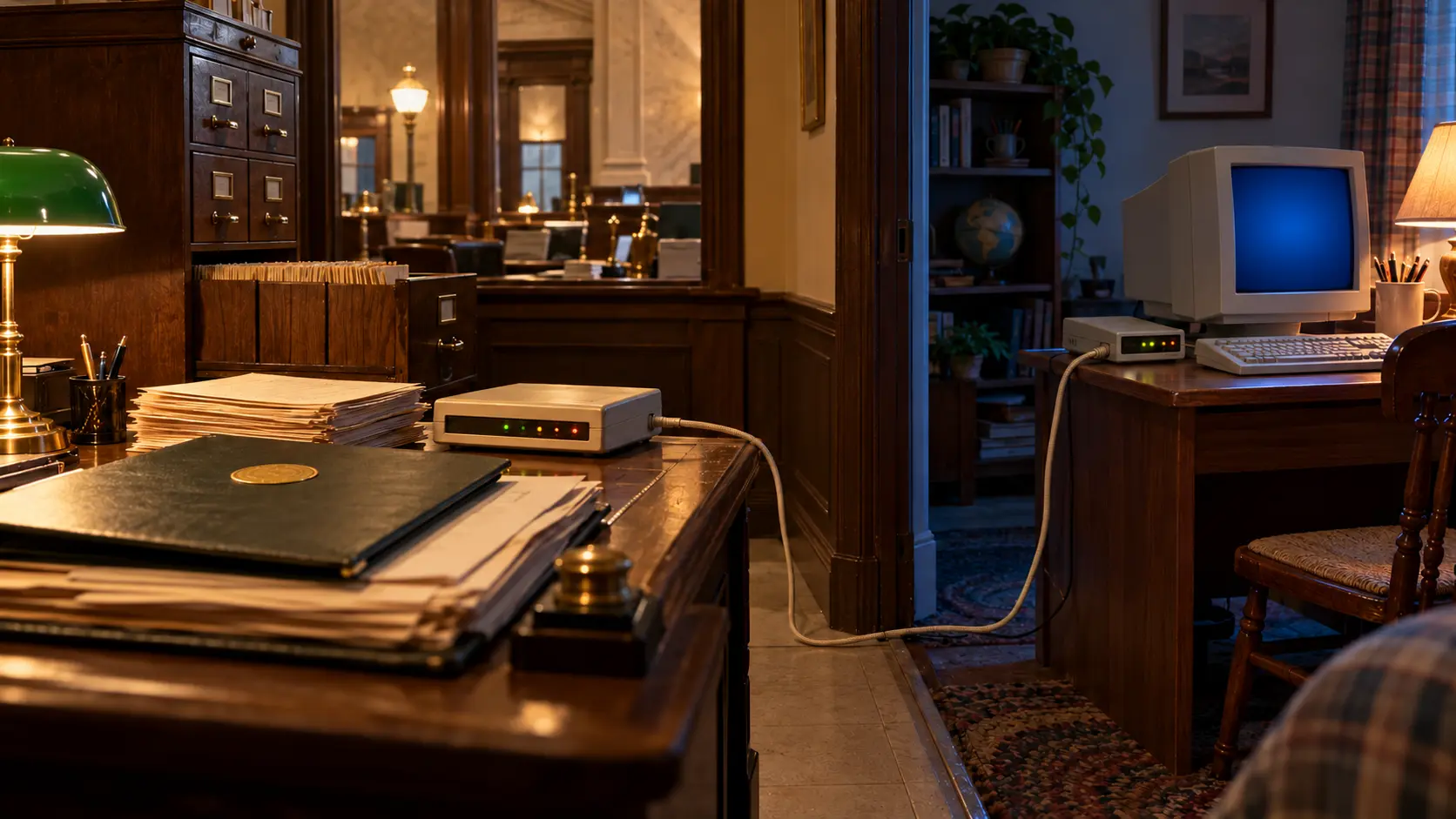
The First Internet Bank Needed a Bank Approval. The Internet Was the Delivery Route.
Security First Network Bank opened for online business in 1995. Its regulator's record drew a line that the “virtual bank” label blurred: approval was needed to create the bank, while the Internet was a way for that bank to serve customers.
History
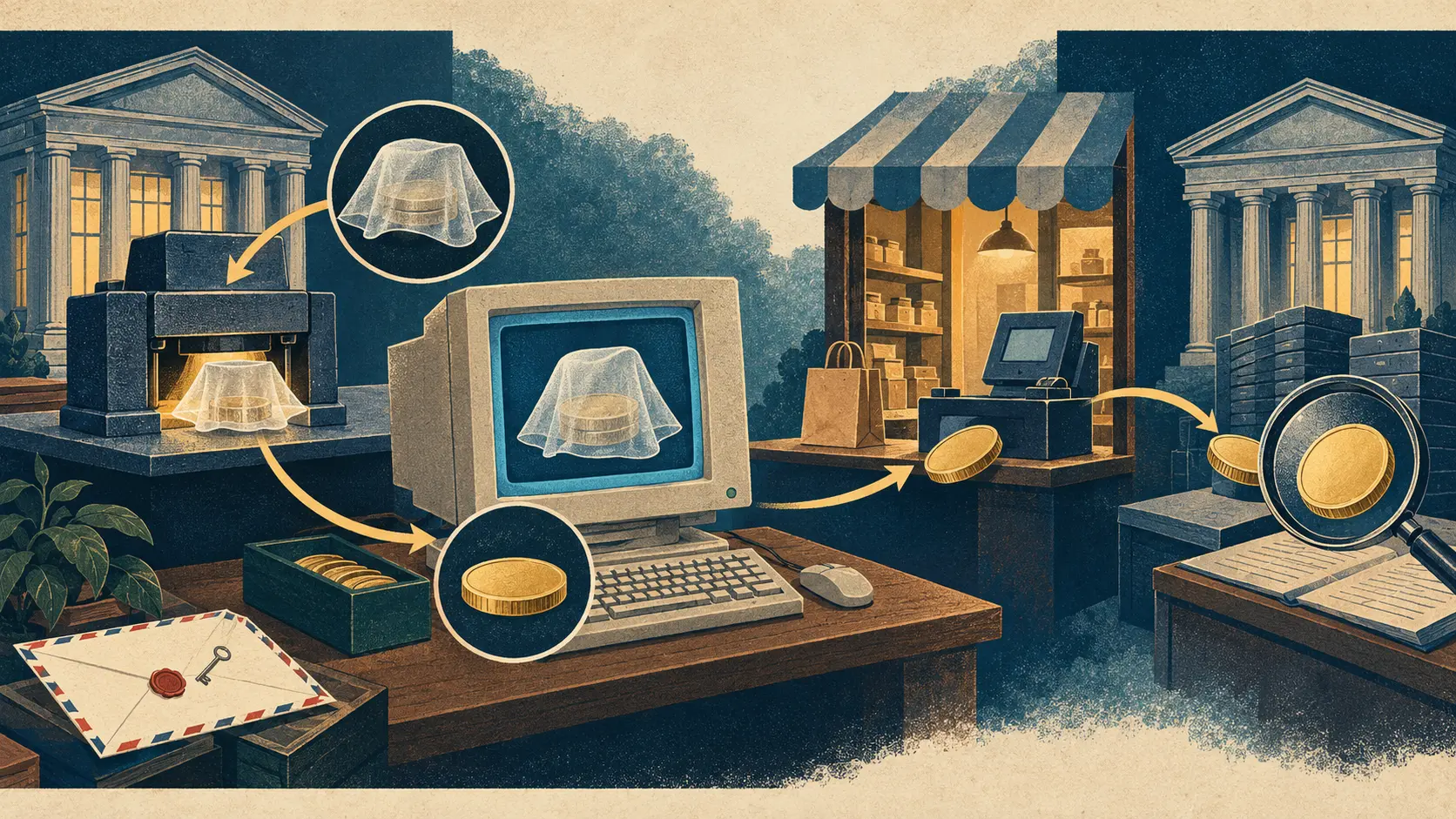
DigiCash Hid the Purchase. Mark Twain Bank Still Mailed the Password.
DigiCash’s 1995 eCash design promised a striking separation: the bank could issue real-dollar digital coins without being able to match a later spent coin to the customer’s withdrawal. The bank still ran the account, signed the money and redeemed it. One part of the launch…
History
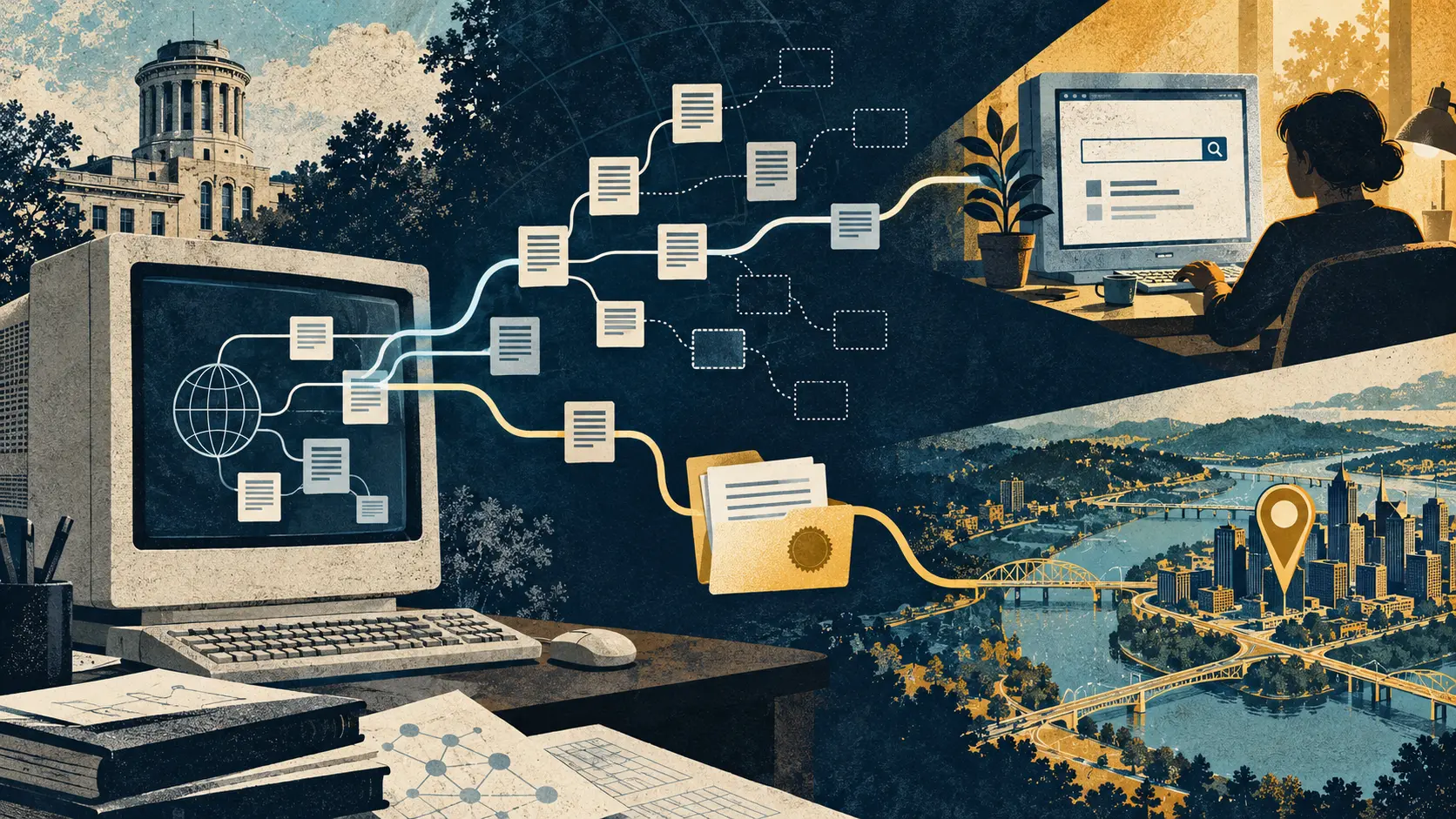
The Search Was Free. Lycos’s New Company Had to Be in Pittsburgh.
Carnegie Mellon turned a working web-search project into a commercial venture without charging readers for the search box. Its 1995 bargain gave an investor exclusive rights to Lycos Spider Technology, gave the university cash and equity, and required the new company to locate in…
History
A Browser Could Erode Windows’ App Barrier. The Appeals Court Drew Two Lines.
Microsoft’s browser fight was also a fight over who controlled the interfaces developers could build on. The courts separated a future threat to Windows from proof that browsers could become a monopoly of their own.

History
Microsoft spent $425 million to put the Web behind a TV remote
WebTV paired a television set-top terminal with an online service and licensed the hardware design to Sony and Philips. Microsoft took a minority stake, proposed browser integration, then bought the company for about $425 million.
History
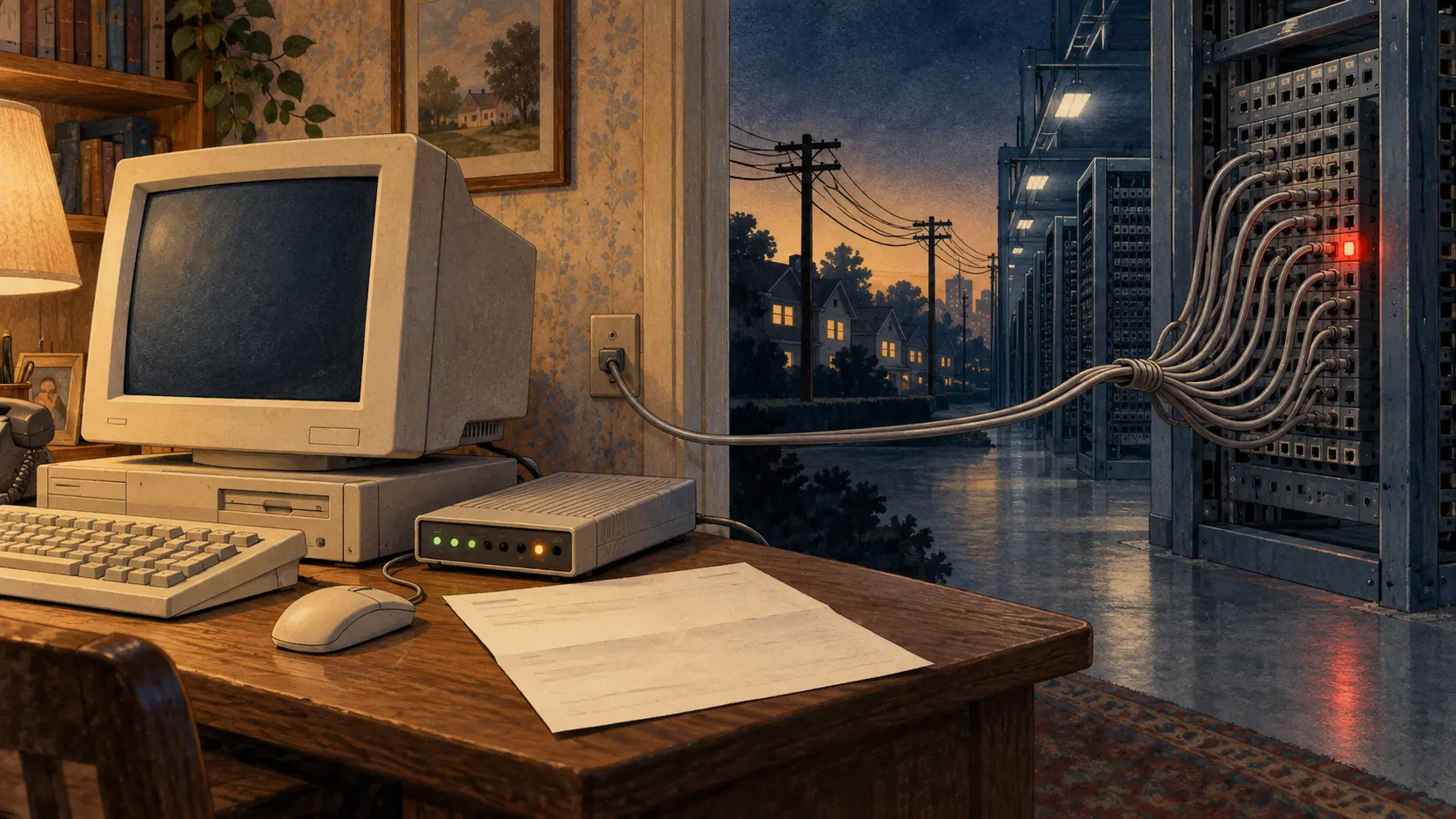
AOL Called $19.95 “Unlimited.” First Came the Billing Switch; Then the Busy Signal
A flat monthly price removed the clock from the bill. It did not add a single working phone line. Washington’s records show two different fights hiding inside AOL’s “unlimited” offer: notice when the plan changed and access after demand surged.
History
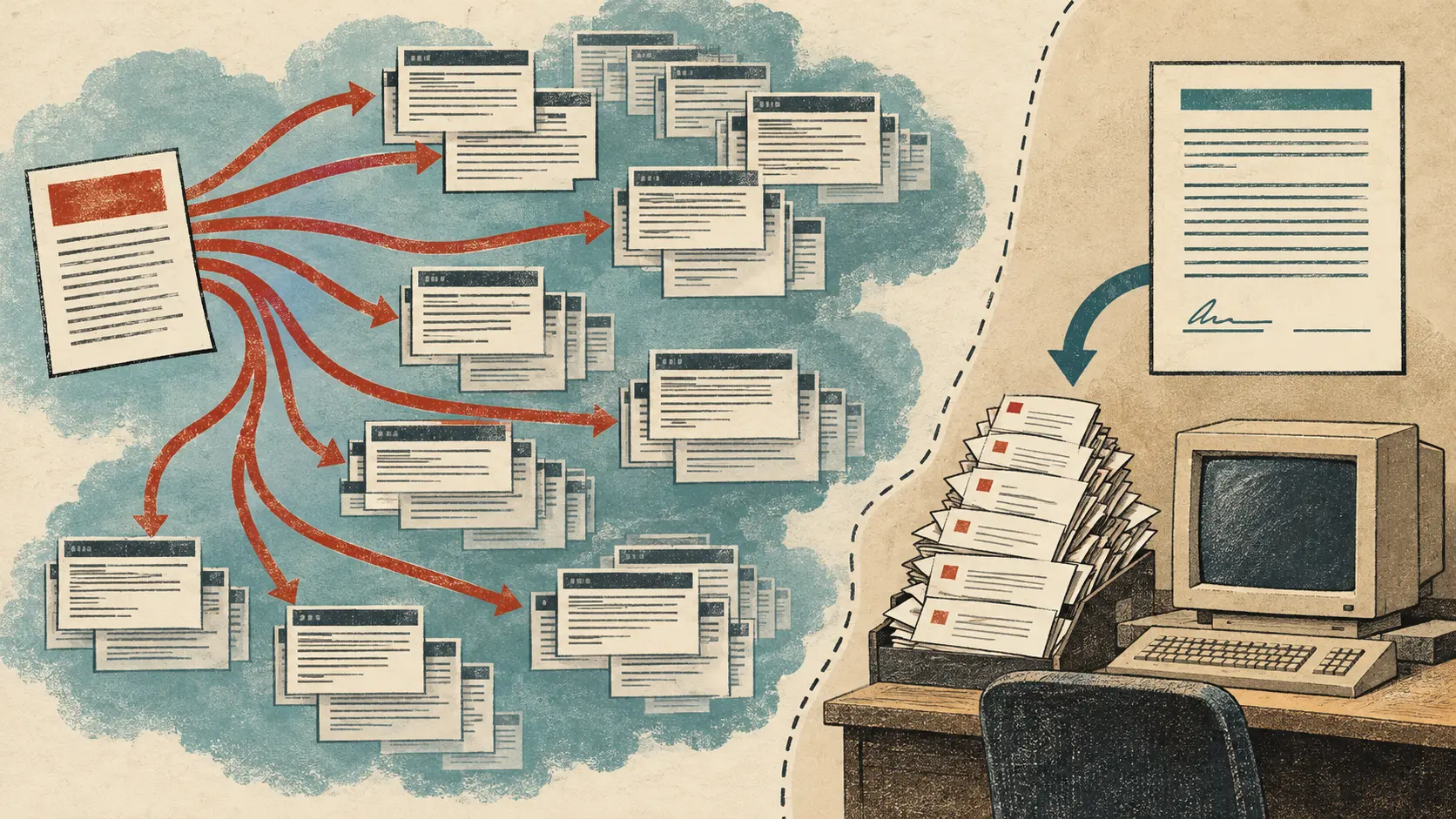
Almost 5,000 Usenet Groups—and a $250,000 Threat to the Provider
On 12 April 1994, Internet Direct’s system administrator said a Green Card Lottery advertisement had reached almost 5,000 Usenet groups, the provider had disabled the users, and the law firm threatened a $250,000 suit. The telling question was who controlled the account that sent…
History
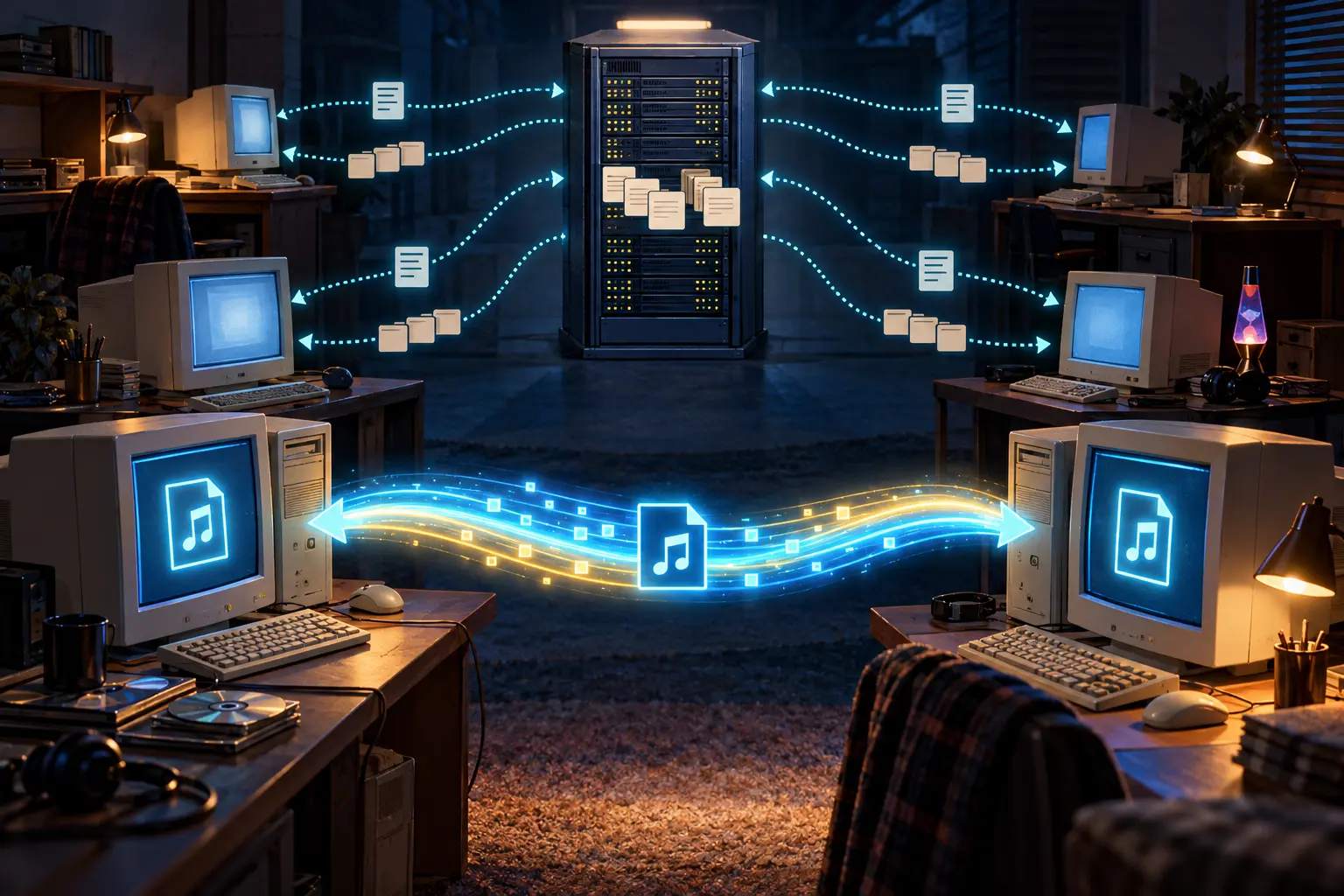
Napster’s Search Was Central. The Song Wasn’t.
The MP3 stayed on a user’s computer, but its name entered a live server directory. That small architectural split gave Napster a search-and-exclusion control point—and put the court’s attention on what the service could actually see and do.
CASE FILE
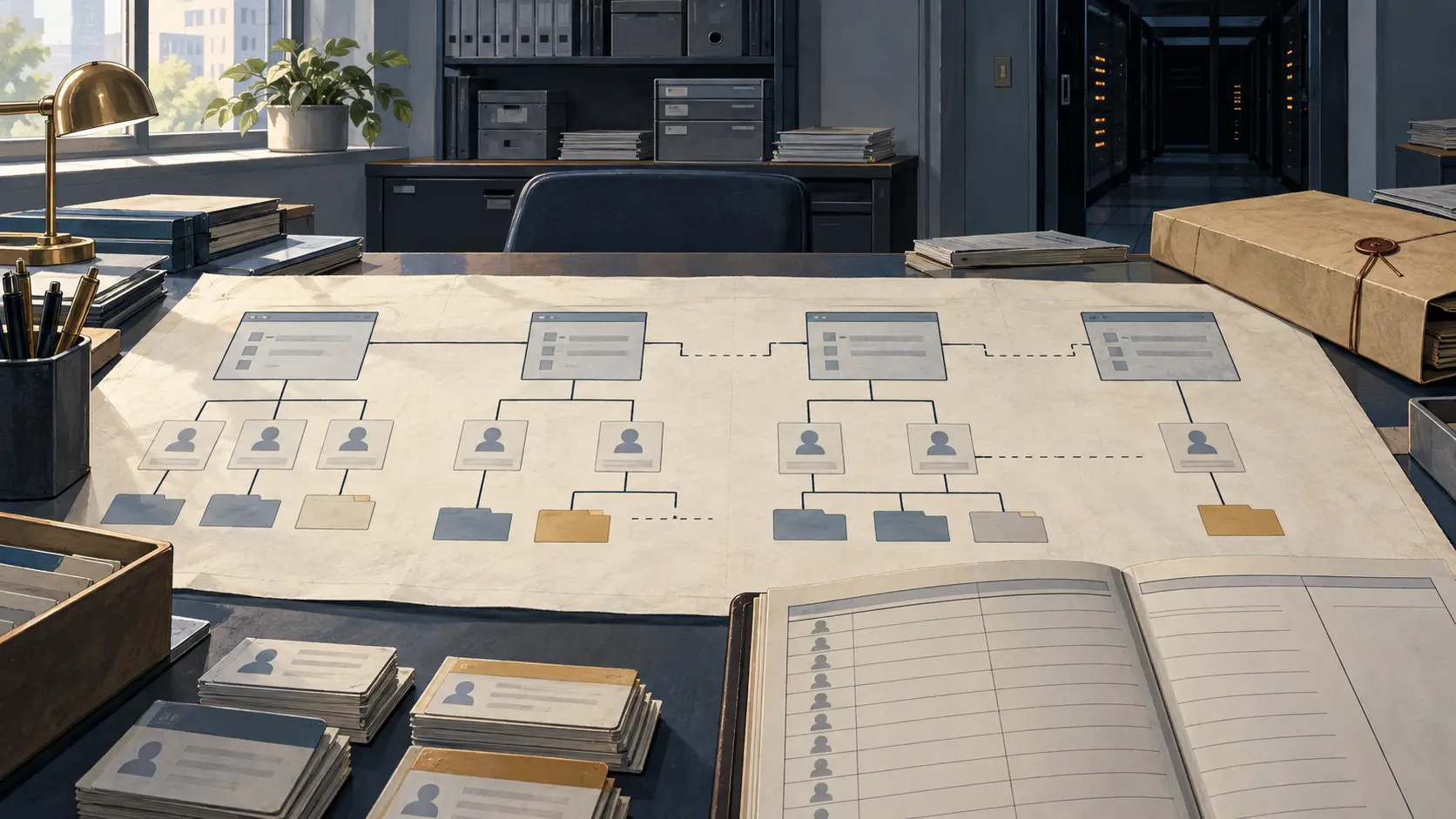
More Than 23 Systems. GAO Still Couldn’t Map DOGE’s Permissions.
Four agencies reported DOGE team access to more than 23 systems. Two would not identify the systems their teams could reach, and the permissions behind the reported access remained out of view.
CASE FILE
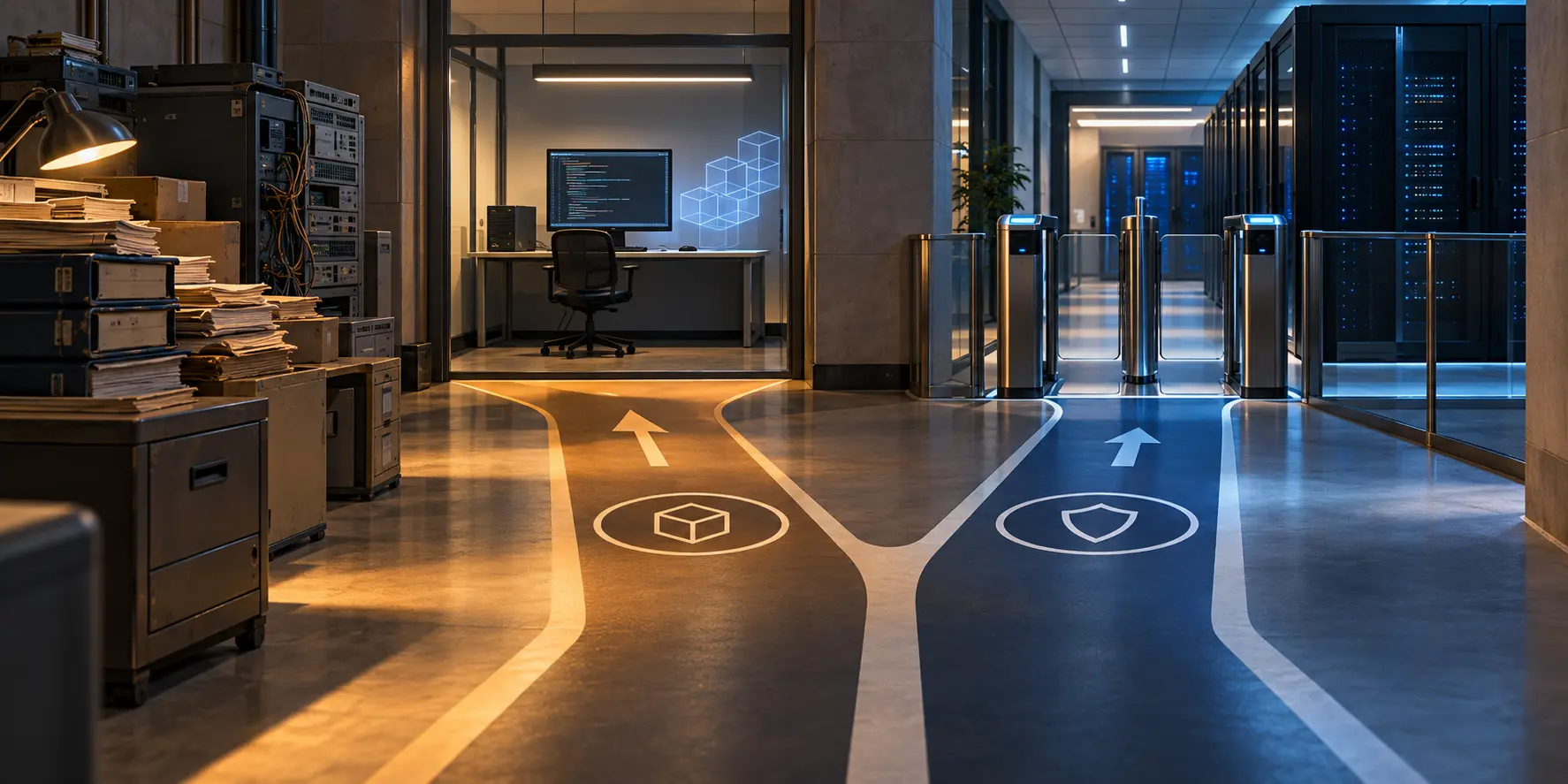
More Than 850 Virginia Apps Need Modernizing. JLARC Wants a Fast Lane for AI Coding.
Virginia had more than 850 state applications in need of modernization and over 300 marked urgent. JLARC’s draft asks VITA to speed review of AI coding tools. The route needs to match the risk in the code, data and access.

CASE FILE
Hanford Dug 36 Feet Without Pricing the Alternative
At burial ground 618-10, the U.S. Environmental Protection Agency (EPA) chose a residential-use assumption over the industrial use expected in the record of decision. The U.S. Department of Energy (DOE) agreed, excavated to 36 feet and met a residential-allowing standard. The…
North America National Telecom Trends
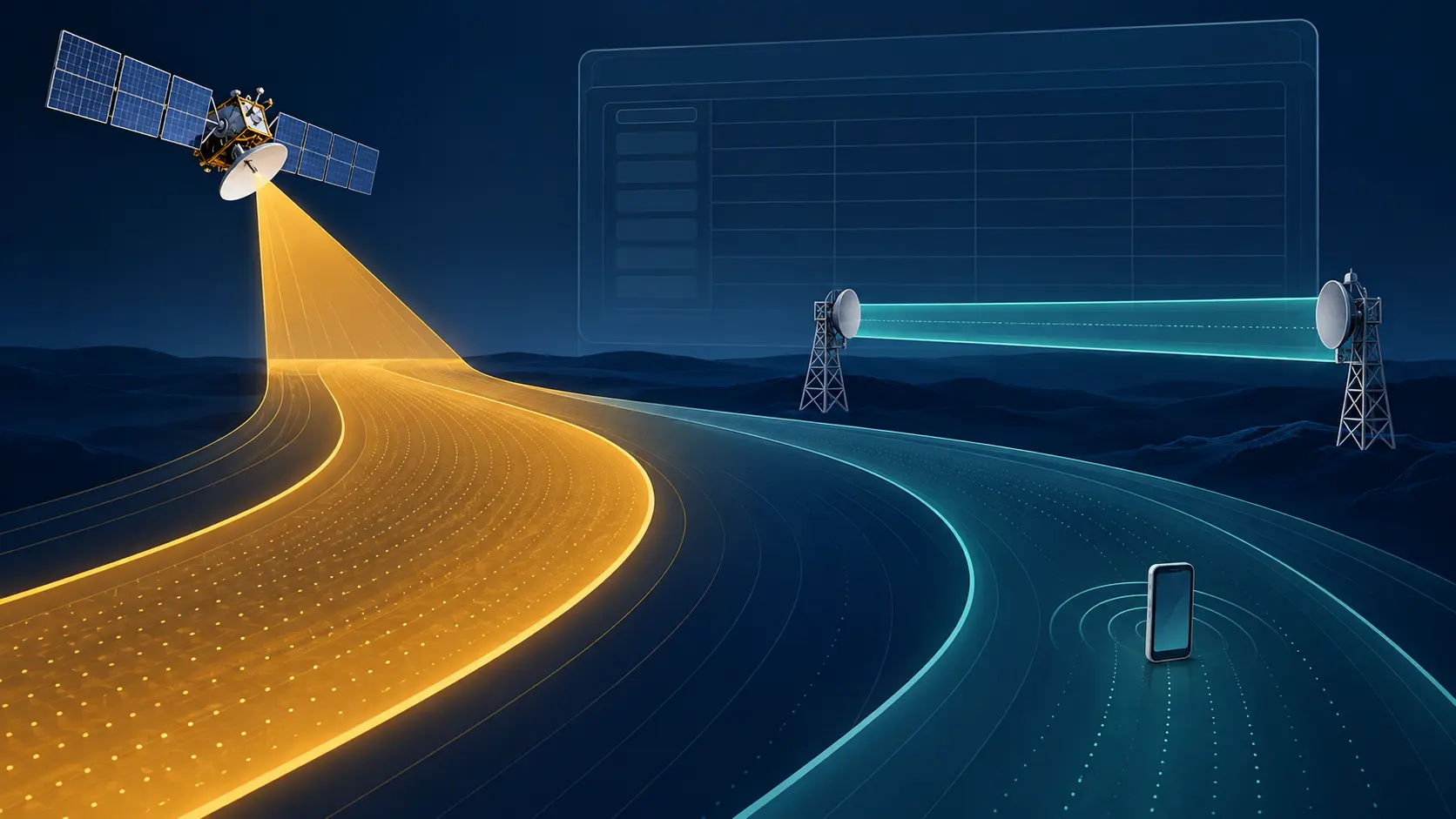
FCC’s 42 GHz draft: satellites get the downlink; mobile goes secondary
The FCC’s circulated proposal would give satellite gateway downlinks primary status across 500 MHz at 42 GHz, keep terrestrial fixed links primary too, and move mobile services to secondary. The coordination machinery that would make the sharing work is still for a later…
History
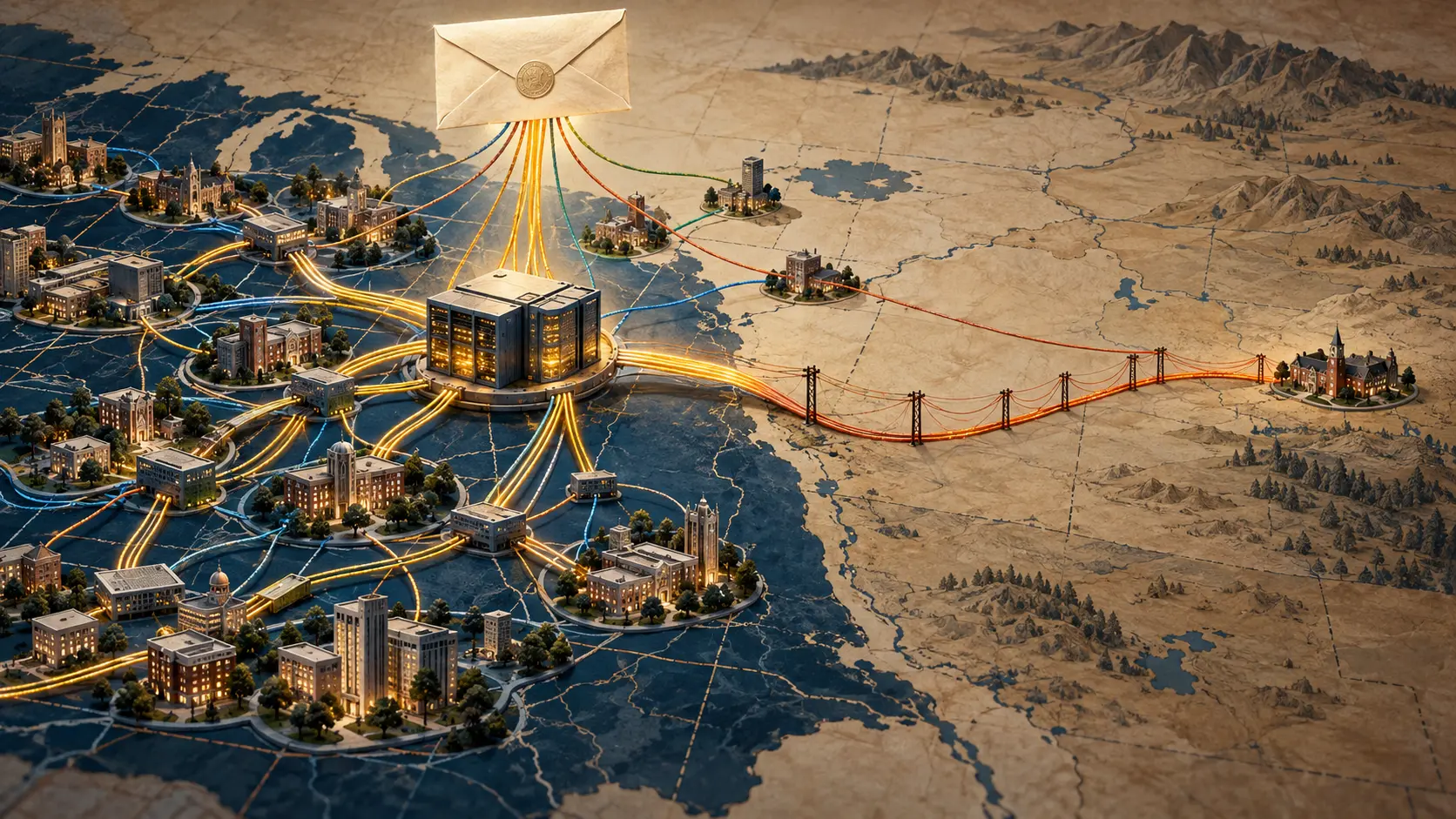
The Backbone Was Free. The Rural Line Still Had a Bill: NSFNET’s 1990 Argument
In 1990, a research network could ride the NSFNET backbone without a backbone invoice while a distant college still faced the cost of a long leased line. RFC 1192 asked where public money should sit when a supposedly free national route met an uneven map.
History
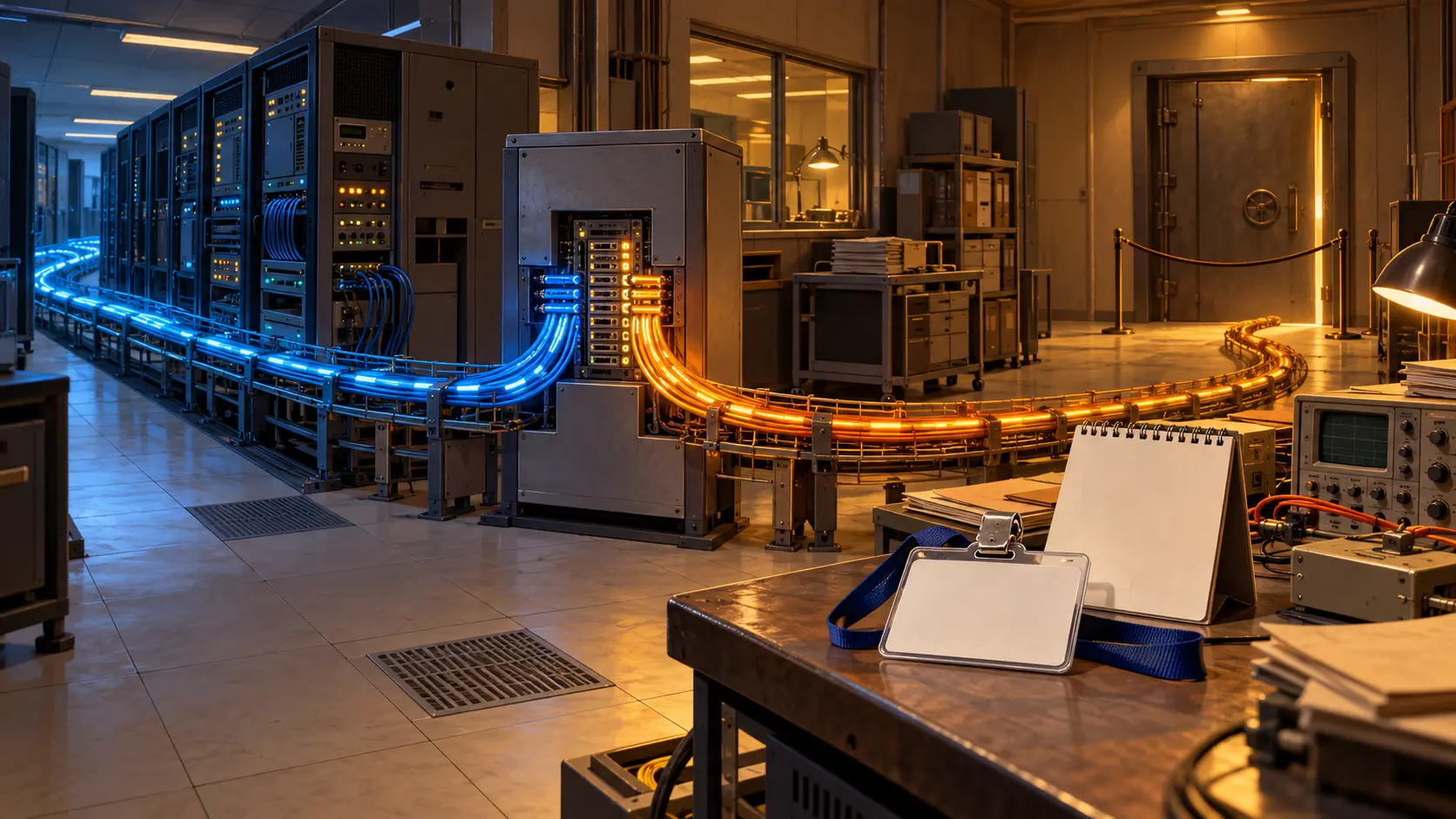
The Pentagon Gave OSI a Trial Badge and a Promotion Plan
In July 1987, the Pentagon opened the door to a rival protocol suite and handed it a temporary badge. OSI could enter government procurements beside the established DoD protocols; promotion depended on formal approval and operational homework. The old systems, meanwhile, had an…

History
The Upload Button Was a Postage Stamp
In 1993, the Internet Underground Music Archive offered bands a route from cassette to network download. Someone still had to choose the track, scan the artwork and type the introduction.

History
Please Hold, Your Question Needs a Biologist
Ask A Biologist opened a small door into a university in 1997. Keeping it useful required a surprisingly human piece of Internet infrastructure: people who knew where to send the mail.