Summary
- Carnegie Mellon’s June 1995 Lycos agreement paired exclusive rights to the search technology with an upfront fee, university equity and a Pittsburgh-area location requirement.
- The search service was already free to the public. The announced company would keep it that way while selling advertising and licensing the catalog and key technology.
The search came before the company
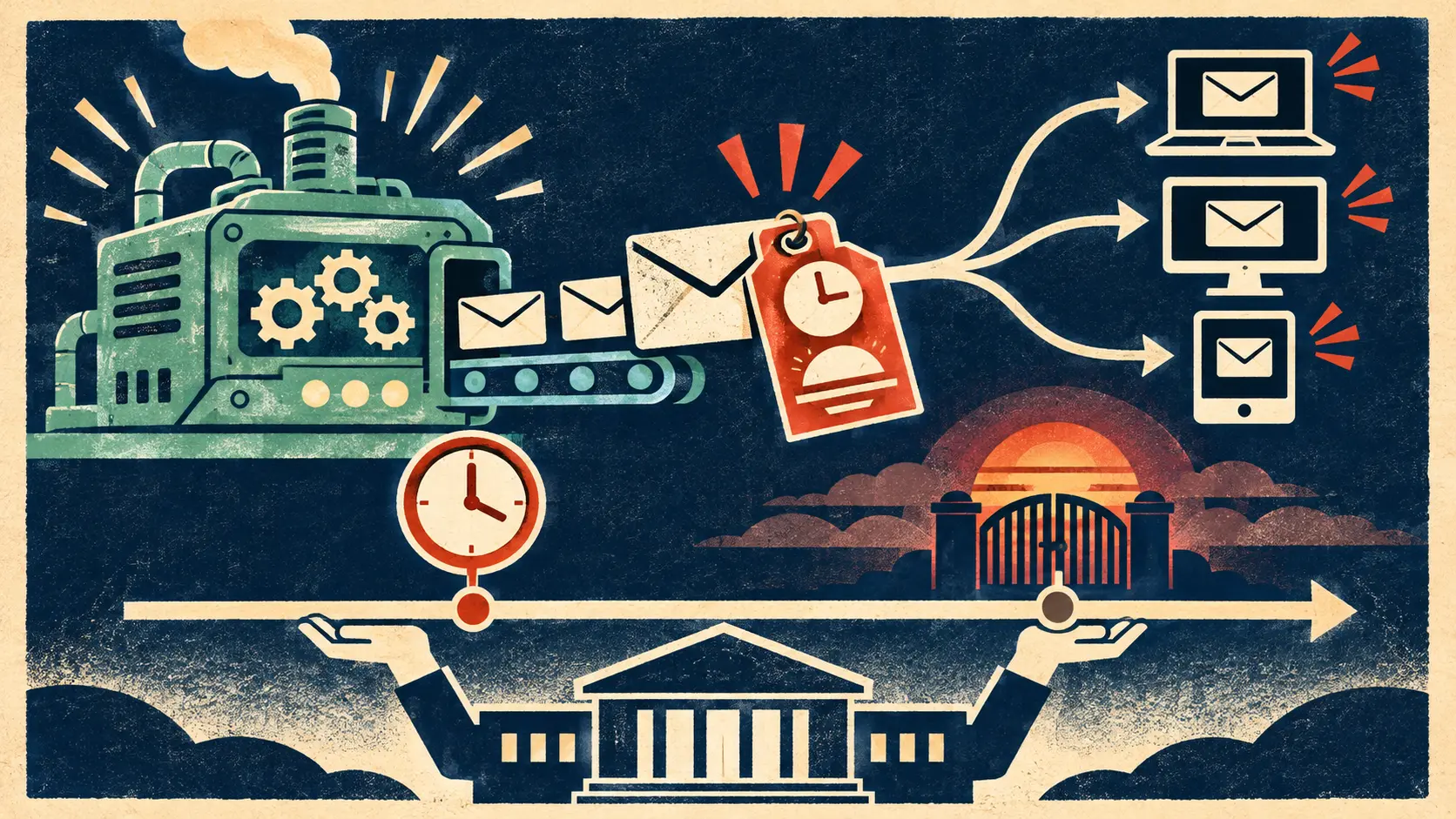
The address clause is the sharpest line in Carnegie Mellon University’s June 1995 announcement: the new Lycos company had to be located in the Pittsburgh area. The same release described the technology deal. CMU had signed an exclusive licensing agreement with CMG@Ventures, which acquired exclusive rights to Lycos Spider Technology. The university would receive an upfront fee and an equity stake in Lycos, Inc. Public search, CMU said, would remain free.
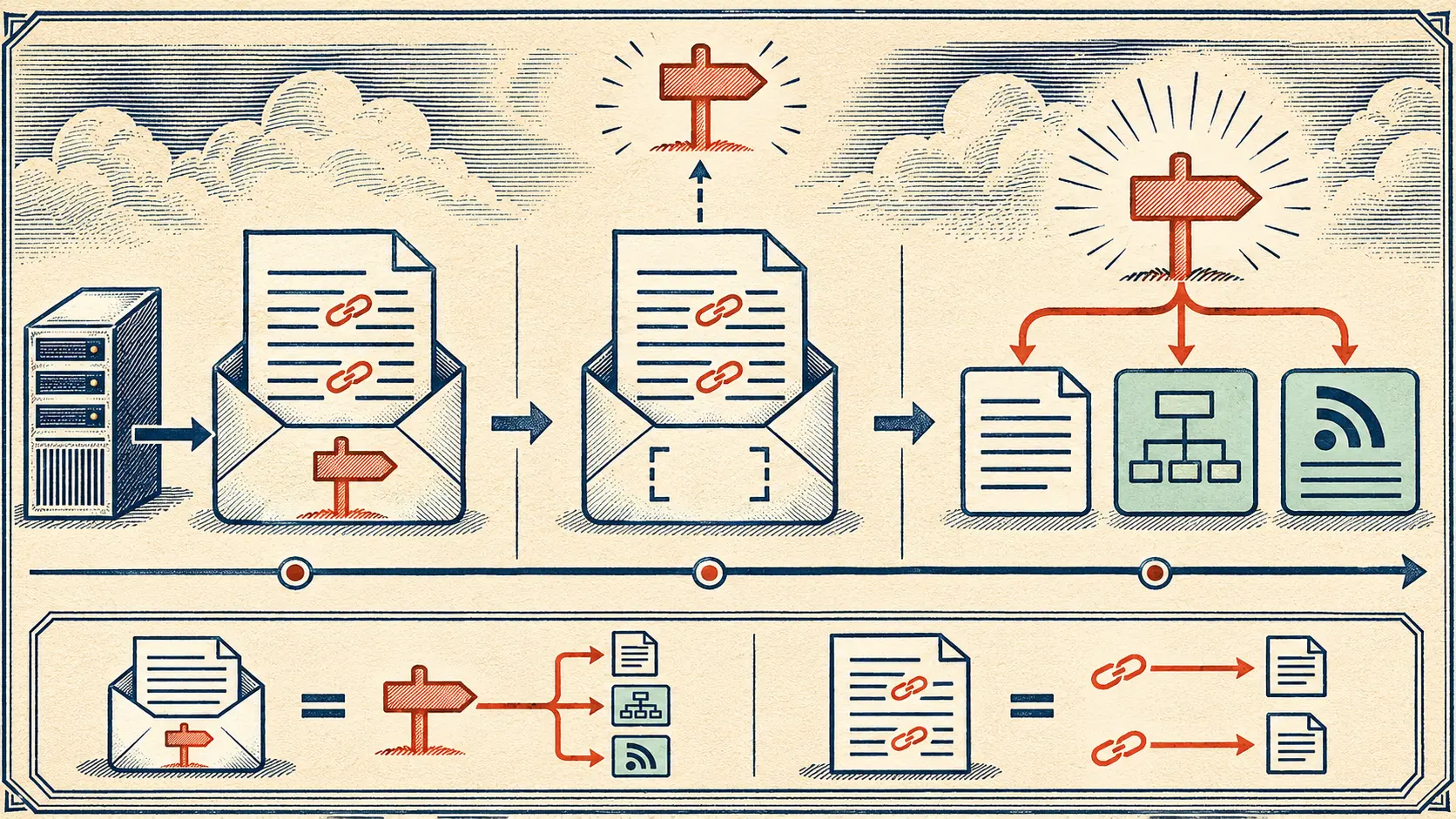
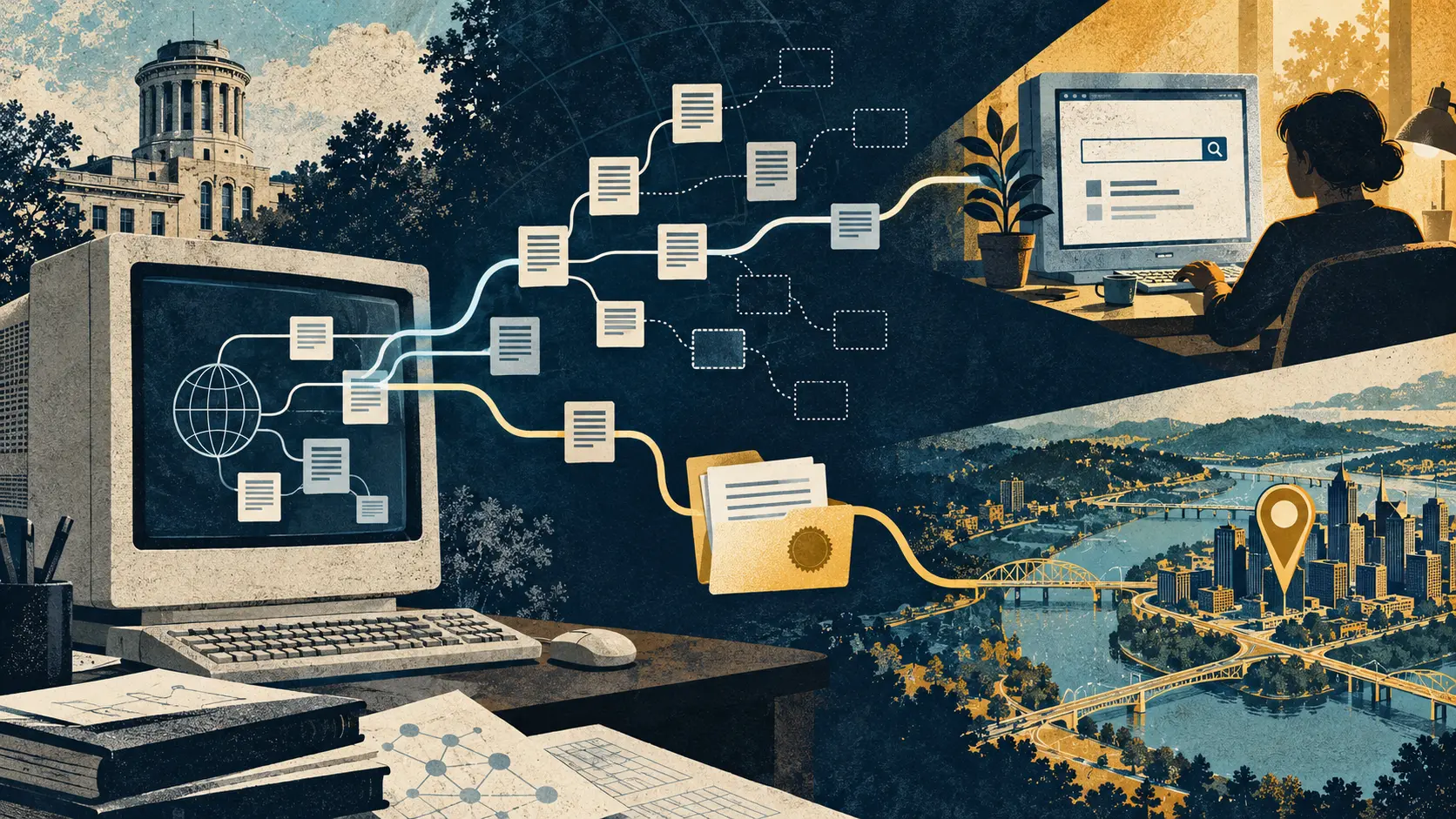
Lycos had been a working project before it became a venture. In an August 1994 paper, researchers Michael Mauldin and John Leavitt described it as an experiment in searching the web’s document space. A web explorer was running; the indexer was due online later that month. Their system reduced each document to a compact record: its title, headings, a set of high-weight words, the first lines, byte size and word count. The aim was to make a sprawling web searchable without keeping a complete copy of every page.
The project had a machine to run on because Carnegie Mellon reassigned one. A 26 August update on Mauldin’s Lycos project page says the university dedicated a SPARCstation previously used for ARPA Tipster Phase I to search service. The hardware crossed from a research programme into a public tool before the corporate agreement existed.
The catalog grew quickly, though its numbers described different things. On 20 September, the project page reported 547,675 unique URLs after search results were merged. A December update described 1,493,787 URLs found between 21 November and 27 December. Of those, 216,008 documents had actually been fetched; another 1,277,779 unexplored URLs had descriptions. A catalog could map a page before Lycos had retrieved the page itself.
In June 1995, CMU said it had offered the internet community a free catalog and search tool since October 1994. Its announcement reported more than 400,000 users a week and more than three million hits. Those were the university’s figures for a service that already had an audience and an operating history.
The new company’s revenue plan sat beside that free access promise. Lycos, Inc. would sell advertising and license the catalog and key technology components. Mauldin would remain at CMU as a consultant and director of the company’s technical board; members of the core team would join the venture. The agreement kept research, staff and commercial development in contact while giving each a different role.
That is the bargain’s useful detail. Readers could keep using the service without paying. The company could sell access to the underlying technology and catalog. CMU received money immediately and a share of future value, while placing the new firm in its own region. The public announcement leaves out the equity percentage and the license’s full scope, so it cannot price the university’s upside or map every right CMU retained. It does show what the parties chose to put on the record: exclusive technology rights, a local-company condition, university equity and continued free search.
The browser-facing service crossed the network. The company behind it had a Pittsburgh address clause.
Member Briefing
Deeper Profile Context
Sign in with the right membership level to unlock the full briefing and source notes.
Only for Strategic Circle
Strategic Circle
Open to all readers. Unlock profile briefings after joining and signing in.
Join Strategic CircleOnly for Leadership Alliance
Leadership Alliance
For qualified IP-asset owners and management; sign in to unlock alliance briefings.
Join Leadership Alliance