Summary
- In September 1996, WebTV’s terminal and online service were already available through Sony and Philips. Microsoft described Internet Explorer integration as a future release.
- Microsoft agreed in April 1997 to buy WebTV for approximately $425 million in stock and cash, then completed the deal in August.
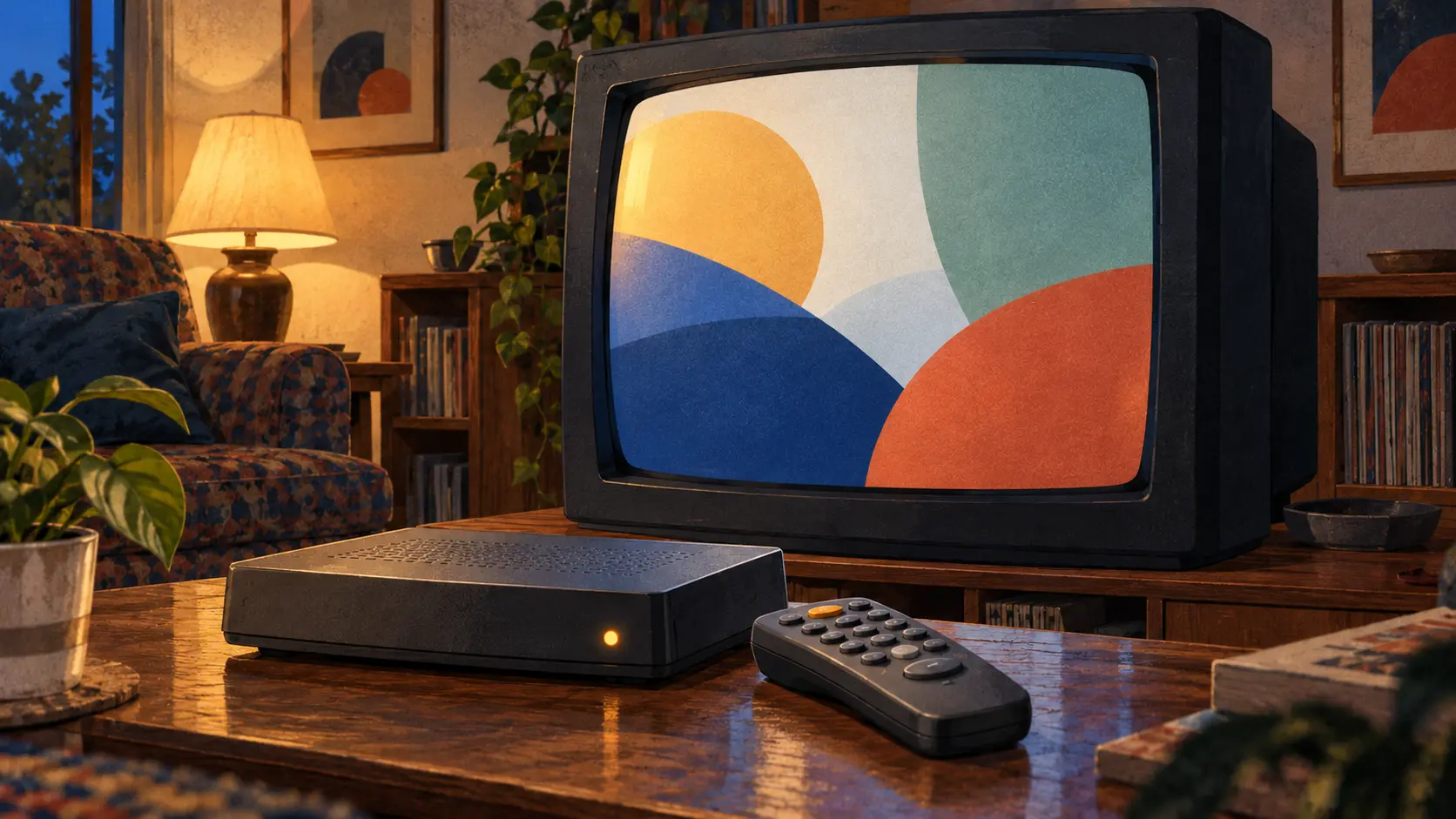
What would it take to make a television useful for the Web if the only control in the room were a television remote? WebTV’s answer was not a smaller computer. It was a terminal designed for the television, a browser system and an online service presented as one system.
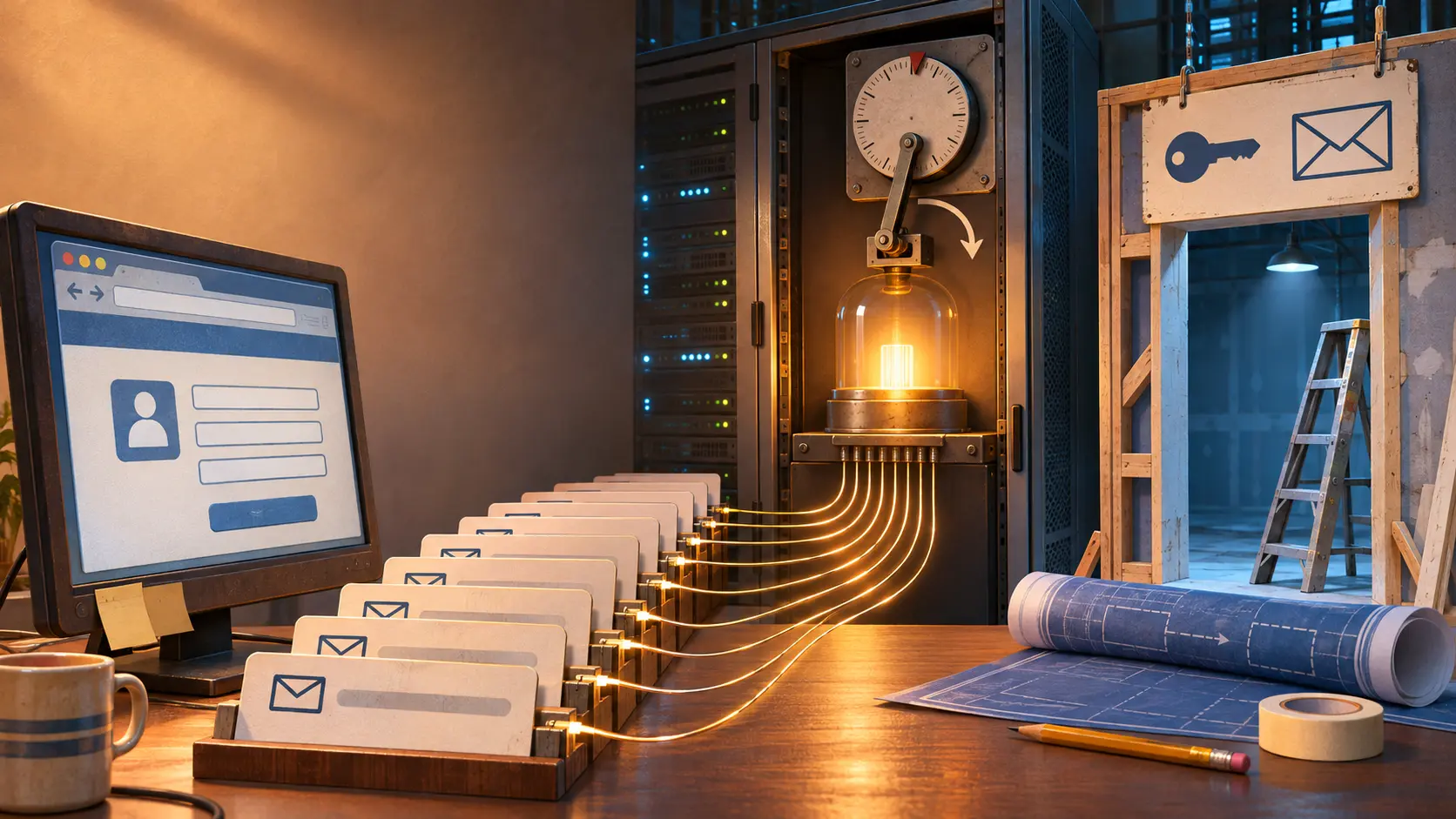
On 30 September 1996, Microsoft announced a strategic relationship with WebTV Networks and disclosed a minority equity position. The company’s release put two different clocks side by side. WebTV technology licensed to Sony and Philips was already on sale, with the WebTV Network service available at the same time. Microsoft’s Internet Explorer technology, adapted for television, belonged to a future browser release. One part was in shops; another was still a plan.
That distinction matters because the acquisition announced six months later was not a purchase of a browser feature. On 6 April 1997, Microsoft signed a definitive agreement to acquire WebTV for approximately $425 million in stock and cash. Its announcement called WebTV a “complete end-to-end system”. A viewer could use a television remote to browse. The company licensed its set-top reference design to Sony and Philips. Microsoft was buying the firm that joined the terminal, browser system and online service, while those manufacturers remained licensees.
The purchase also changed who would set the next technical direction. Microsoft said WebTV would draw on Windows CE and Internet Explorer over time. On 1 August, it announced that the acquisition had closed, that WebTV would remain a subsidiary with its Palo Alto offices and staff, and that future terminal versions would use Windows CE-based technology. Microsoft’s fiscal 1997 Form 10-K placed WebTV inside its Consumer Platforms division and described those Windows CE terminals as future versions.
The design solved a real interface problem on paper: a television owner could reach Internet content with the device already pointed at the screen. But the product was more than a remote-control browser. It depended on a terminal design, a software layer, an online service and hardware licensees arriving as one usable offer. A browser alone could not make that arrangement work.
The public record gives no terminal shipment, active-account or service-use totals; a dated WebTV operating report with those figures would turn the $425 million bet into a measurable user-reach judgment.
Sources
- Microsoft, “Microsoft and WebTV Networks to Collaborate On Internet Television Browsing for the Masses”, 30 September 1996.
- Microsoft, “Microsoft to Acquire WebTV Networks”, 6 April 1997.
- Microsoft, “Microsoft Completes Acquisition of WebTV Networks”, 1 August 1997.
- U.S. Securities and Exchange Commission, Microsoft Corp. 1997 Form 10-K, filed 29 September 1997.
Member Briefing
Deeper Profile Context
Sign in with the right membership level to unlock the full briefing and source notes.
Only for Strategic Circle
Strategic Circle
Open to all readers. Unlock profile briefings after joining and signing in.
Join Strategic CircleOnly for Leadership Alliance
Leadership Alliance
For qualified IP-asset owners and management; sign in to unlock alliance briefings.
Join Leadership Alliance