Summary
- Washington said its 1996 agreement required clearer notice when AOL switched customers to the $19.95 monthly plan.
- After busy signals followed the flat-rate launch, a separate 1997 agreement tied refunds to use, billing dates and a customer request.
“Unlimited” looked simple on a bill: $19.95 a month, no meter ticking with each hour online. A phone line was less simple. If a caller got a busy signal, the monthly price could not create another connection.
The Washington Attorney General’s 29 January 1997 release describes the second problem. Washington and 35 other states entered a voluntary agreement with AOL after thousands of customers nationwide complained of repeated busy signals and trouble reaching the advertised unlimited service. The Attorney General said AOL’s marketing had “got out ahead of its technological capacity.” That is the state’s account of the dispute, not a court’s finding.
The release gives two different scales of evidence. It reports thousands of complaints nationwide, while “nearly 50” Washington consumers had filed written complaints with that office in recent months. Many of those Washington complainants, the office said, also could not reach AOL telephone operators to cancel or ask for a refund. The record does not supply a national failure rate or a count of affected accounts.
The 1997 relief covered service billed for December 1996 and January 1997. For the $19.95 Unlimited and $9.95 Bring Your Own Access plans, the release lists a full refund when a subscriber used the service for less than two hours across those billing periods, 50 percent for two to eight hours, and 25 percent for eight to fifteen. Those are usage bands, not a count of failed calls. The release names eight hours in both middle bands; the executed agreement would settle how a claim at exactly that point was handled.
A refund did not arrive just because a line had been busy. Customers had to request relief within 120 calendar days and choose between a one-month automatic credit and the refund schedule, which offset the amount by use. AOL also agreed to explain cancellation methods, provide several ways to contact it, maintain enough support operators to process cancellation and refund requests, and stop February advertising until the network and system problems caused by the new flat-rate plan were resolved. AOL denied guilt and denied violations of laws enforced by the attorneys general.
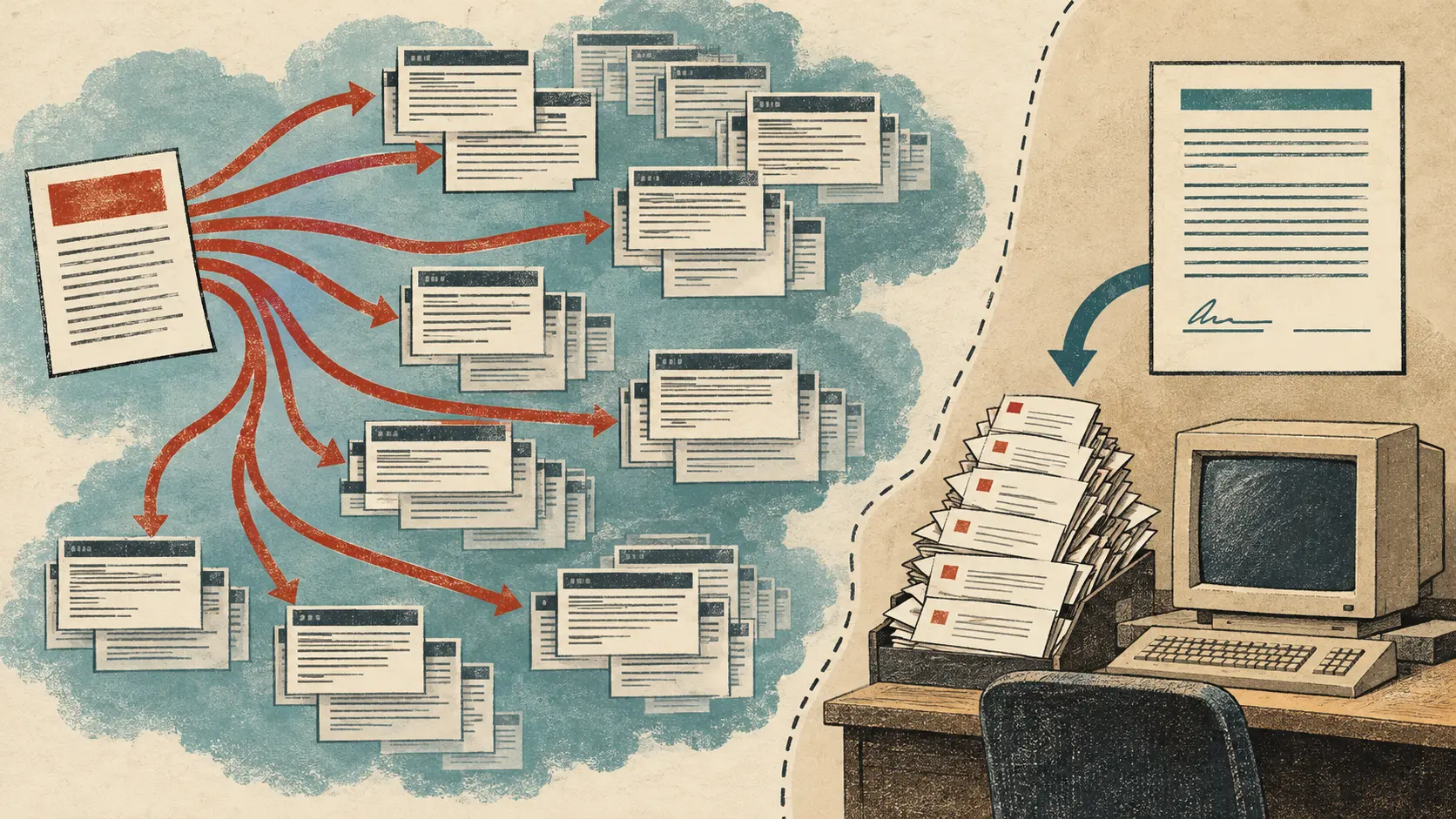
The billing switch belonged to a different agreement. In its May 1998 retrospective, the Washington office said it had reached the first state agreement with AOL in 1996 for clearer notification when the company switched customers to the $19.95 plan; 19 other states later made similar agreements. The same retrospective describes the March 1997 settlement as an access-and-refund action. One addressed what subscribers were told about the plan. The other addressed what happened when they tried to use it. The dates remain unresolved: the January 29 release says the 36-state agreement was entered that day, while the 1998 recap dates the access-and-refund settlement to March; only the executed agreement can show whether these were successive steps.
That distinction matters. A fixed fee can remove the customer’s reason to watch the clock while increasing the amount of demand placed on a shared access system. Notice can make a price change visible; it cannot answer a busy signal. In May 1998, Washington’s office said the prior state actions had produced $34 million in consumer restitution, without allocating that total between the 1996 and 1997 agreements. Its separate 1998 settlement required at least 30 days’ notice for later price or contract changes.
The record therefore leaves a plain operating lesson: the promise on the invoice and the service behind it need separate controls. The releases do not quantify failed calls or reproduce the original 1996 agreement; that document and contemporaneous connection records would show how notice and access were measured. The bill could say “unlimited”; the connection still had to be there.
Member Briefing
Deeper Profile Context
Sign in with the right membership level to unlock the full briefing and source notes.
Only for Strategic Circle
Strategic Circle
Open to all readers. Unlock profile briefings after joining and signing in.
Join Strategic CircleOnly for Leadership Alliance
Leadership Alliance
For qualified IP-asset owners and management; sign in to unlock alliance briefings.
Join Leadership Alliance