
Region
United States
United States regional intelligence explains how companies, people, policy moves, network operations, investment signals, data centre demand, telecom execution, and market constraints shape infrastructure delivery in the same geographic market or governance area. The page connects published coverage with evidence, regional actors, operating dependencies, market context, and customer or regulatory exposure that may otherwise sit across separate topic or company pages. Readers can compare who is active, which signals are backed by public evidence, how local execution risk connects to broader internet infrastructure strategy, and what changes may affect customers, partners, regulators, or capital planning. Readers can understand the geography, the relevant infrastructure sectors, the public evidence base, and the practical questions that make the regional page more useful than a short listing of articles.
History
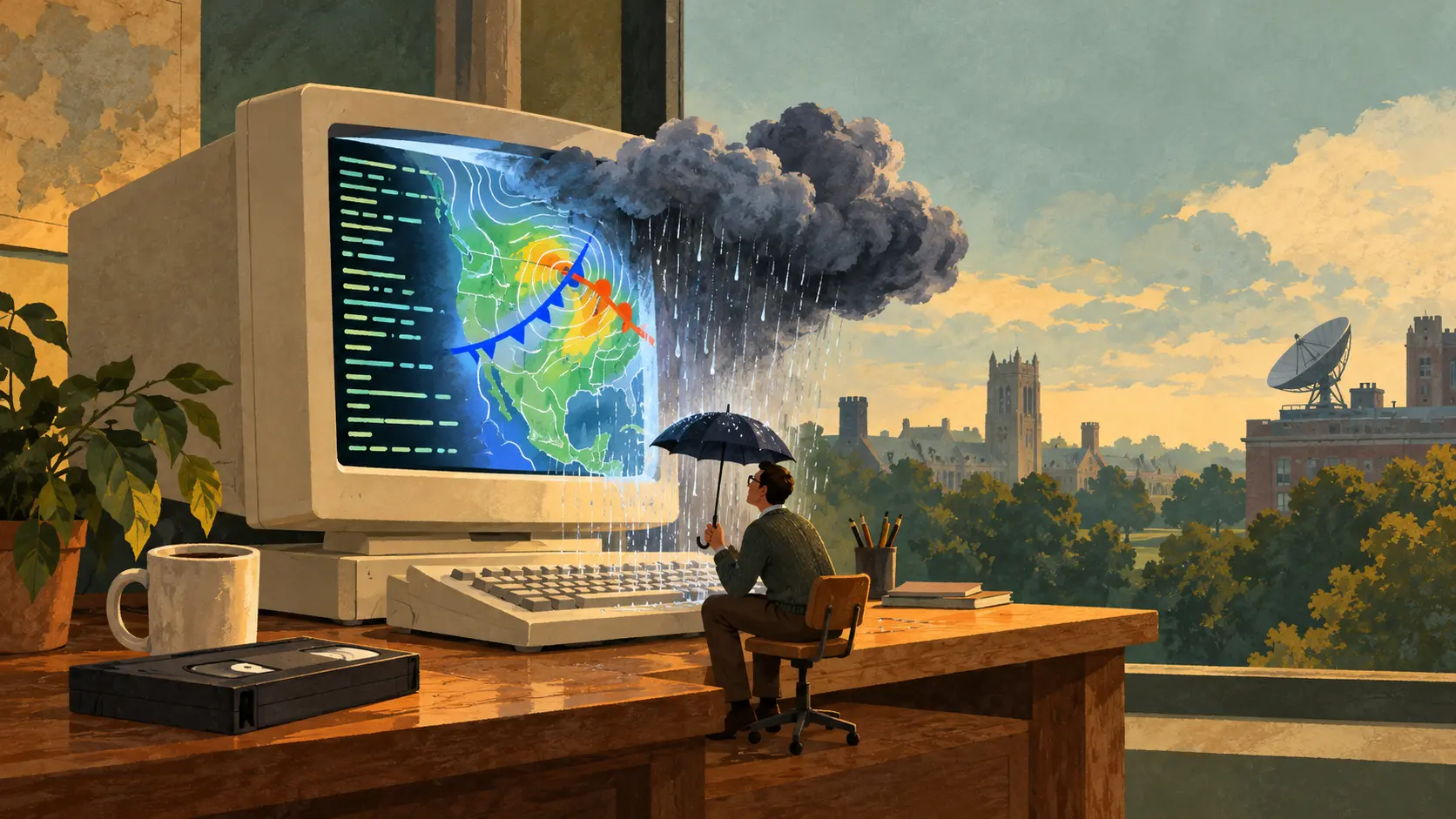
The Forecast Was Waiting on Port 3000
In 1991, checking the weather online could begin with a host name and four digits. UM-WEATHER’s journey from terminal to map shows how much work went into making the obvious easy.

History
The Writing Lab Closed. Its Filing Cabinet Kept Working.
Purdue’s early online writing service sent handouts after hours. The automatic reply was easy to admire; keeping useful material and real people behind it required a longer conversation.

History
Foldit Players Gave the Opposition Their Recipes
An online protein puzzle acquired a cookbook. By 2011, researchers were tracing the family trees of players' automated tricks—and finding that a good move could have a very busy social life.
CASE FILE
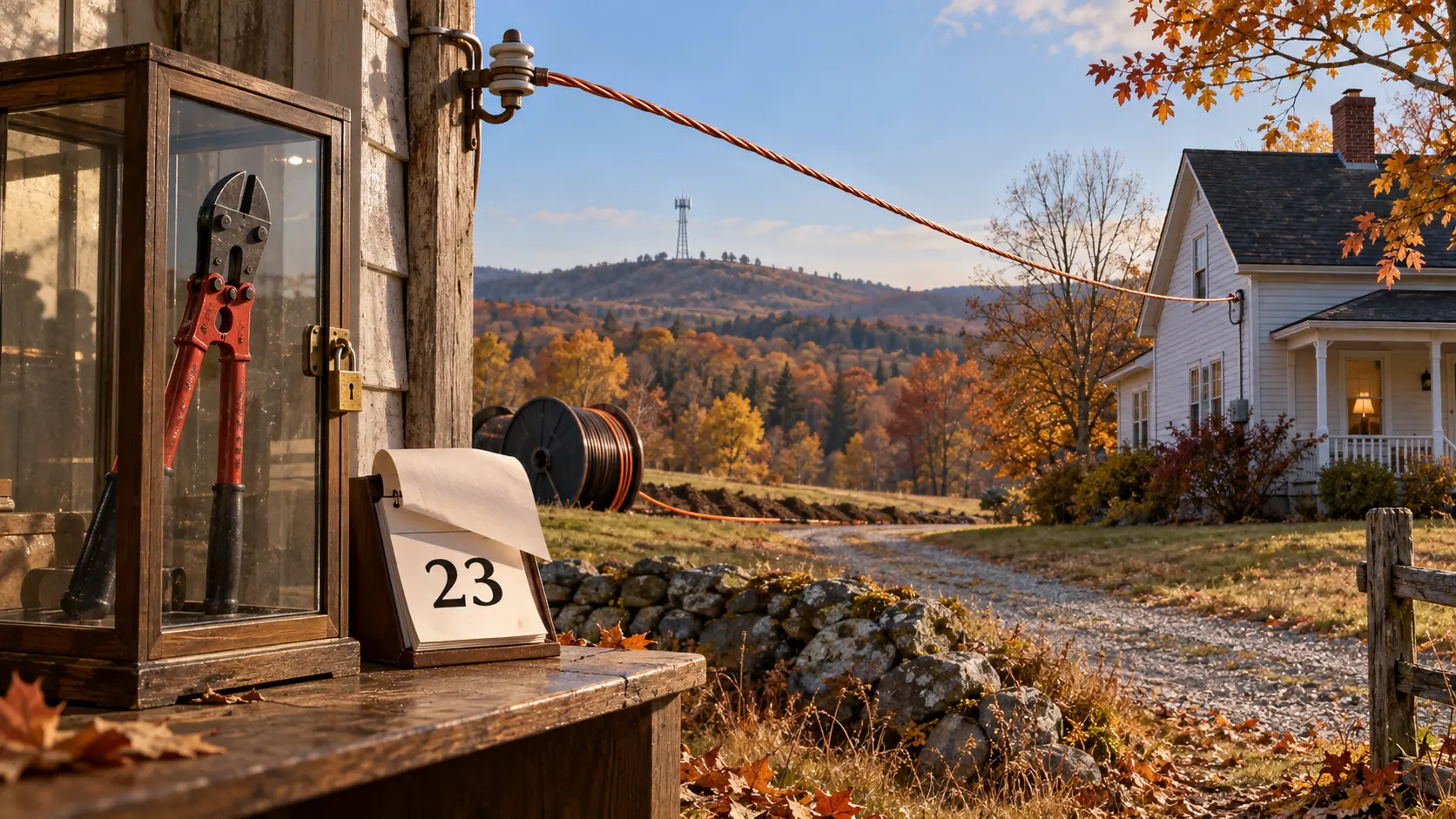
October 23 Came. Verizon’s Copper Scissors Stayed Locked.
Verizon’s earliest date to retire legacy phone lines has passed. The FCC stopped the application’s automatic approval before it took effect. In rural Virginia, counties are asking the question the calendar cannot answer: which household has a working replacement voice line?
History
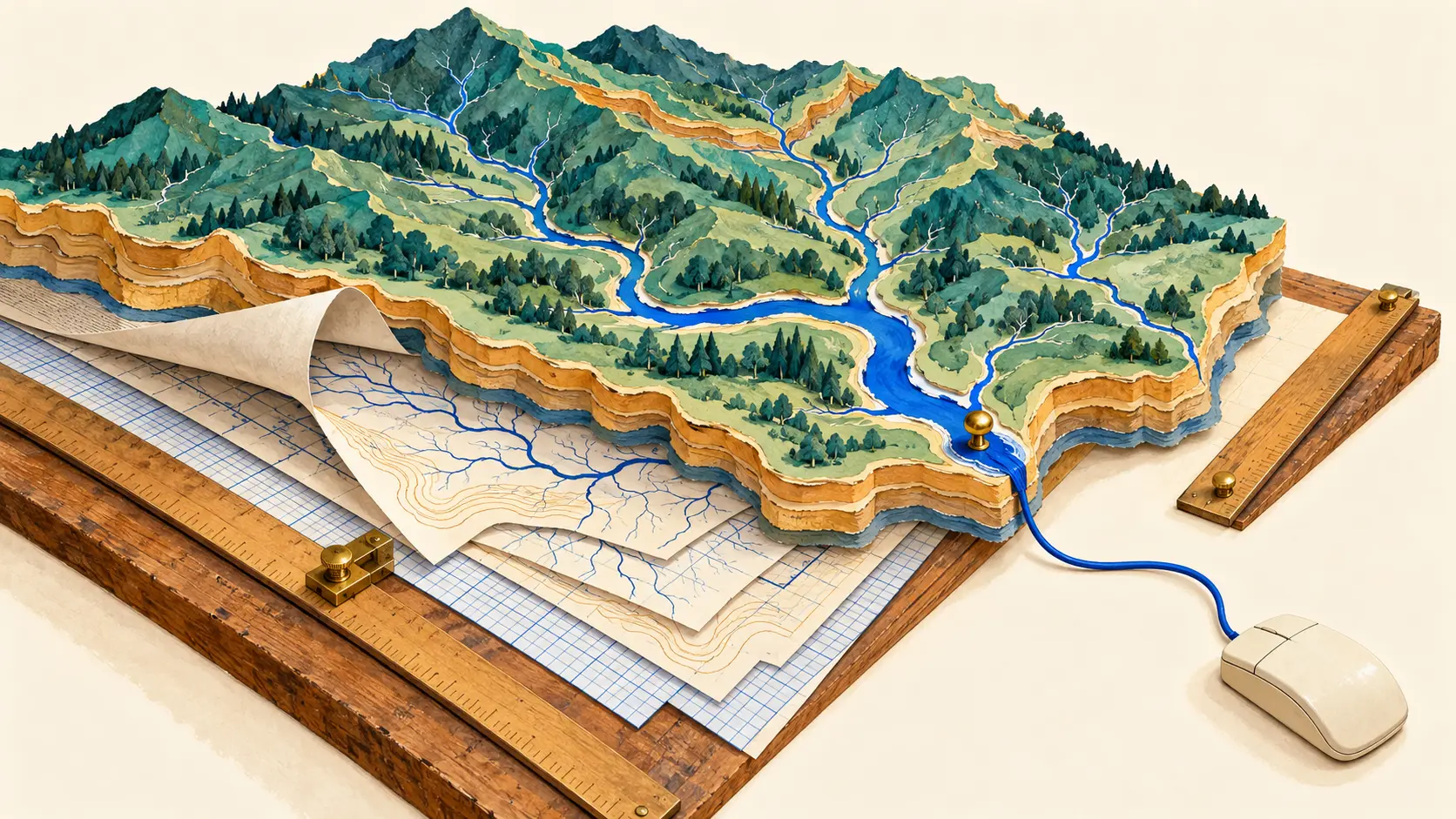
Click the River. Summon the Watershed.
StreamStats put a formidable amount of mapmaking behind a small mouse click. Getting that click to work across America required a less glamorous instrument: the funding agreement.
History
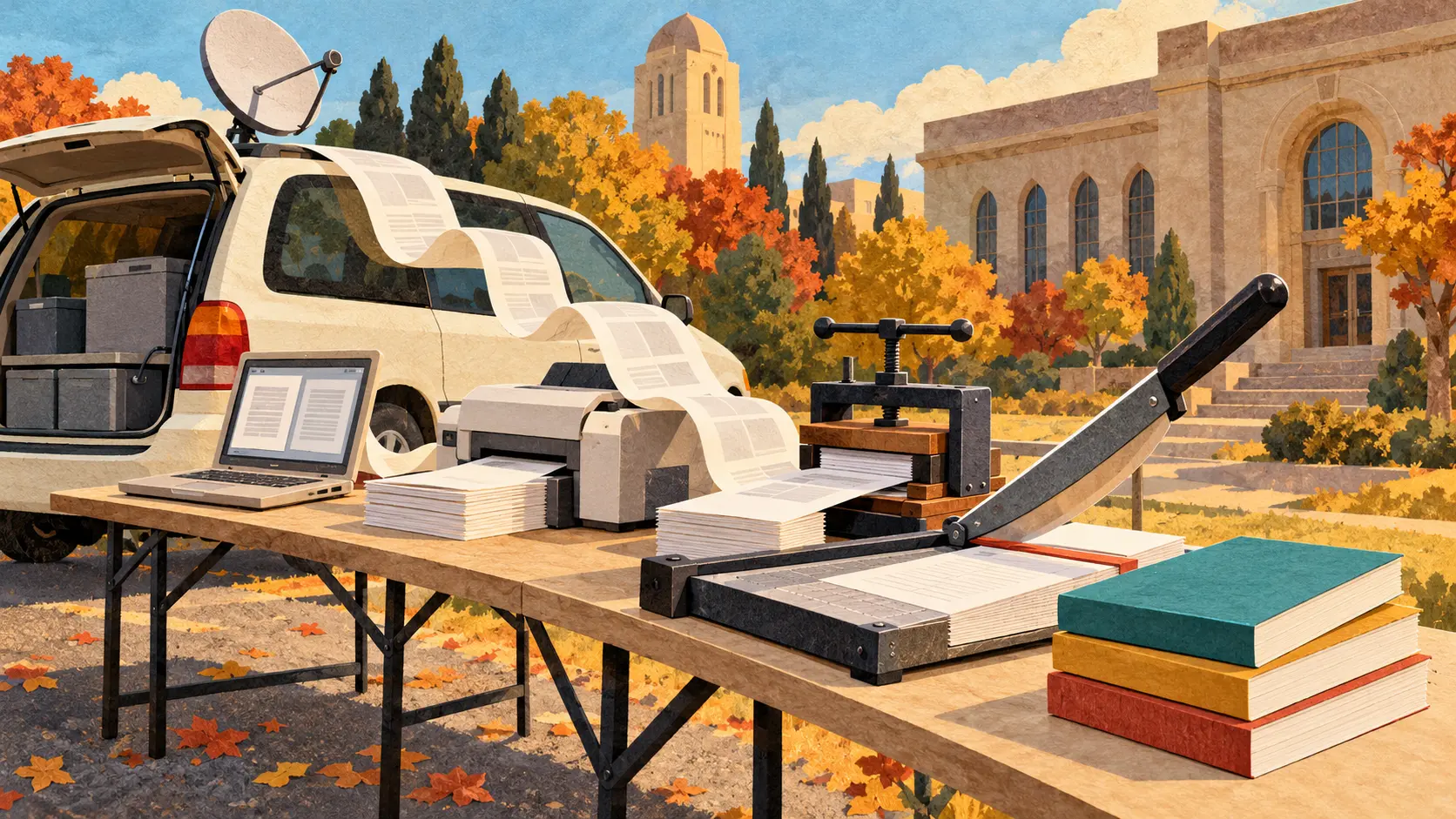
The Internet Needed a Paper Cutter
In 2002, Internet Archive took a digital library on the road. Delivering a book to someone's hands required a van, a printer and some gloriously unvirtual machinery.

History
The Chocolate Arrived. The Bandwidth Bill Kept Coming.
MusicBrainz's supporters sent eighteen chocolate bars in 2006. Its more consequential gifts bought server capacity, a modest paycheck and a little predictability for the people keeping a shared music catalogue alive.
History
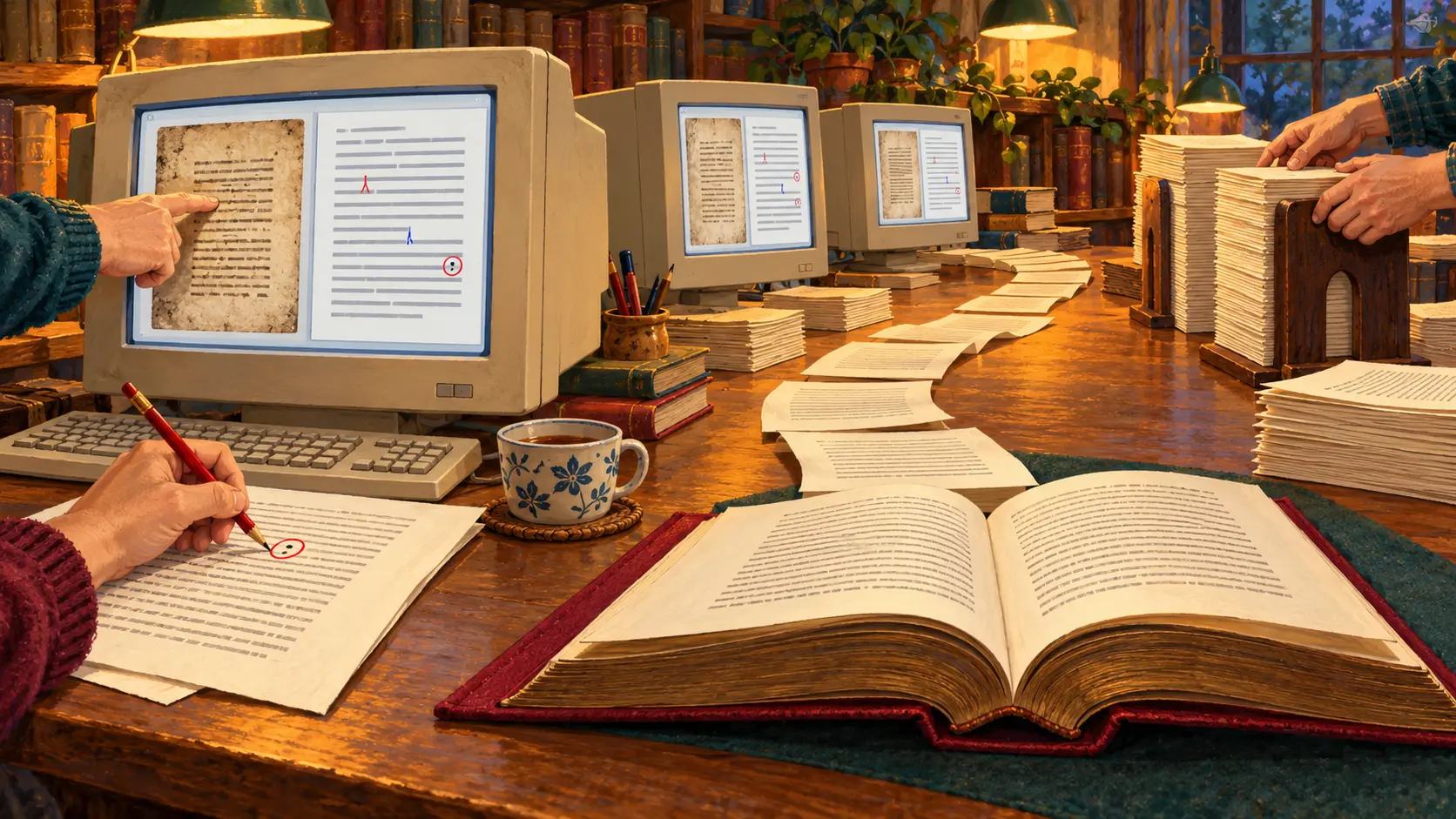
She Came to Proofread. Then the Beginners Arrived.
Distributed Proofreaders gave volunteers a manageable unit of work: one page. Suzanne Shell's account of joining in 2002 shows how quickly those pages could move—and how much teaching, preparation and book finishing they could set in motion.
History
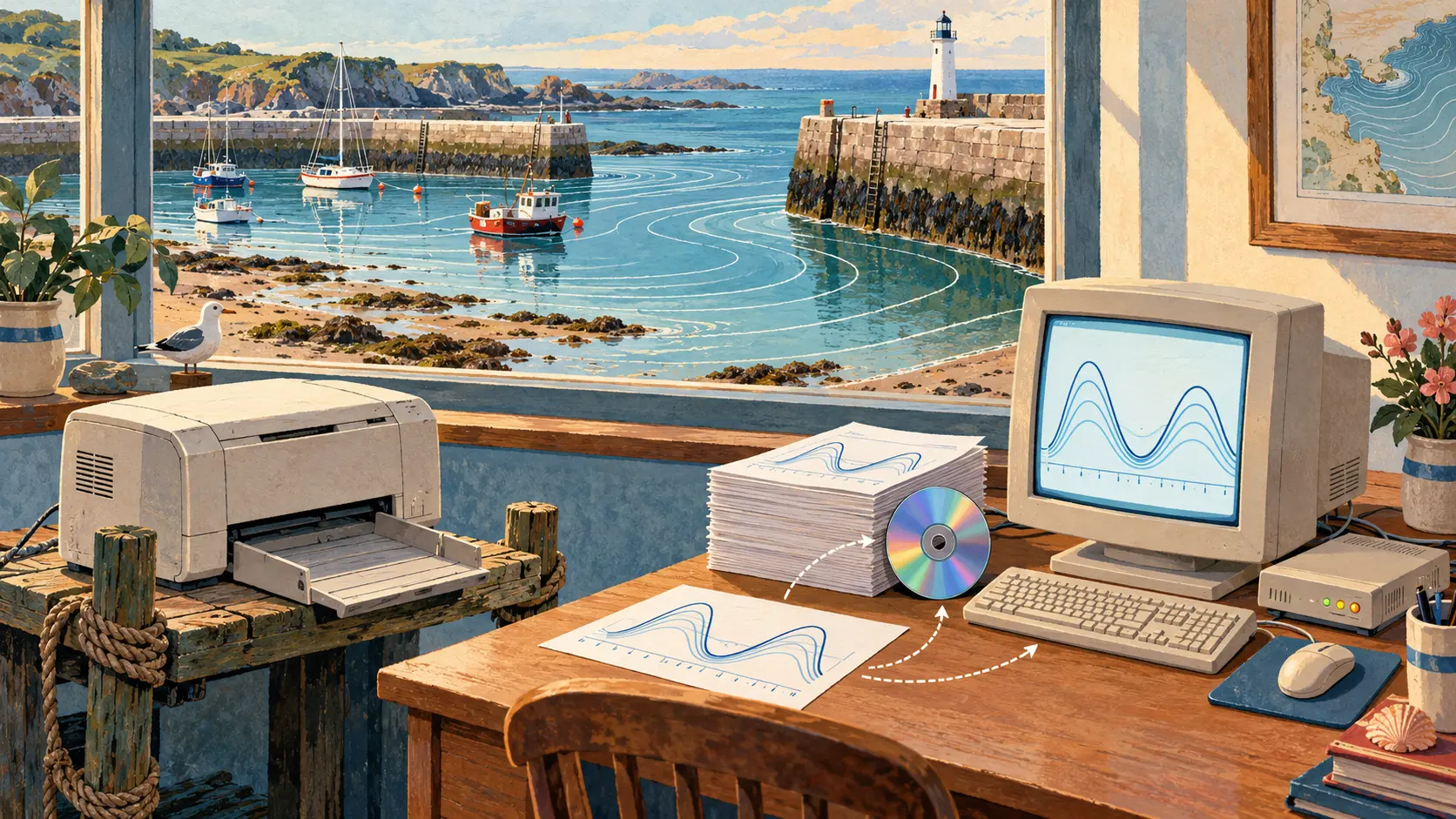
Low Tide in the Printing Budget
In 1995, NOAA invited private printers to take over the job of putting its tide tables on paper. A CD, a modem and a Mosaic homepage would offer three quite different ways to find out what the water would do next.

History
The Library Put Its Ruler Online Too
Digital Scriptorium gave medieval manuscripts a web audience. The photographs brought along uneven edges, colour references and measuring tools — useful company for readers trying to judge what they saw.

History
This Web Map Wanted Thirty Years of Experience
WaterWatch put live river conditions on a clickable map. Behind each coloured dot stood a long-serving stream gauge and a remarkably unfashionable asset: years of uninterrupted work.
History
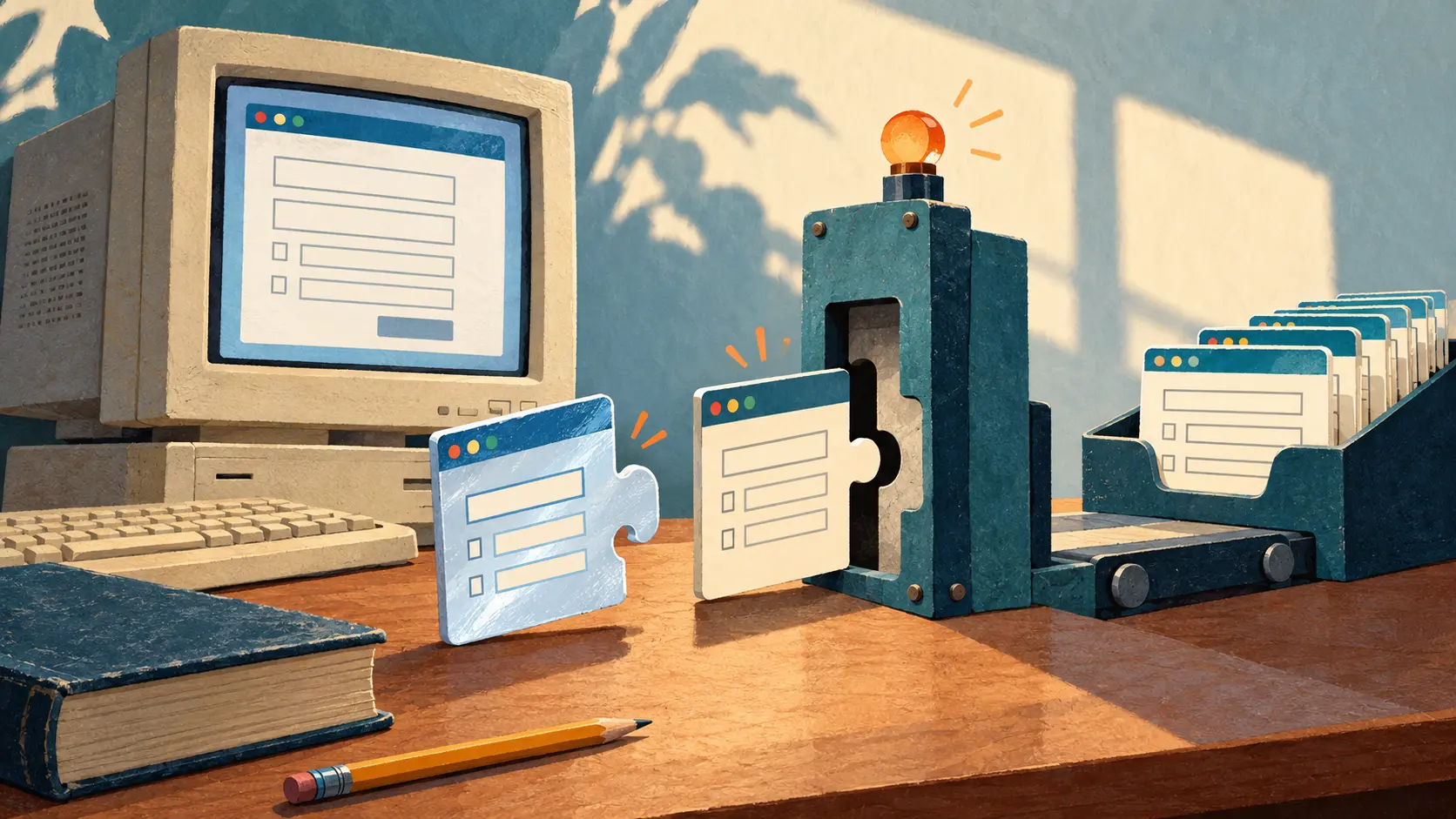
Your New Browser Just Flunked Financial Aid
In January 1998, FAFSA accepted Internet Explorer 4.0 but would not certify 4.01. The little number after the dot had become part of the machinery of applying for college money.
History
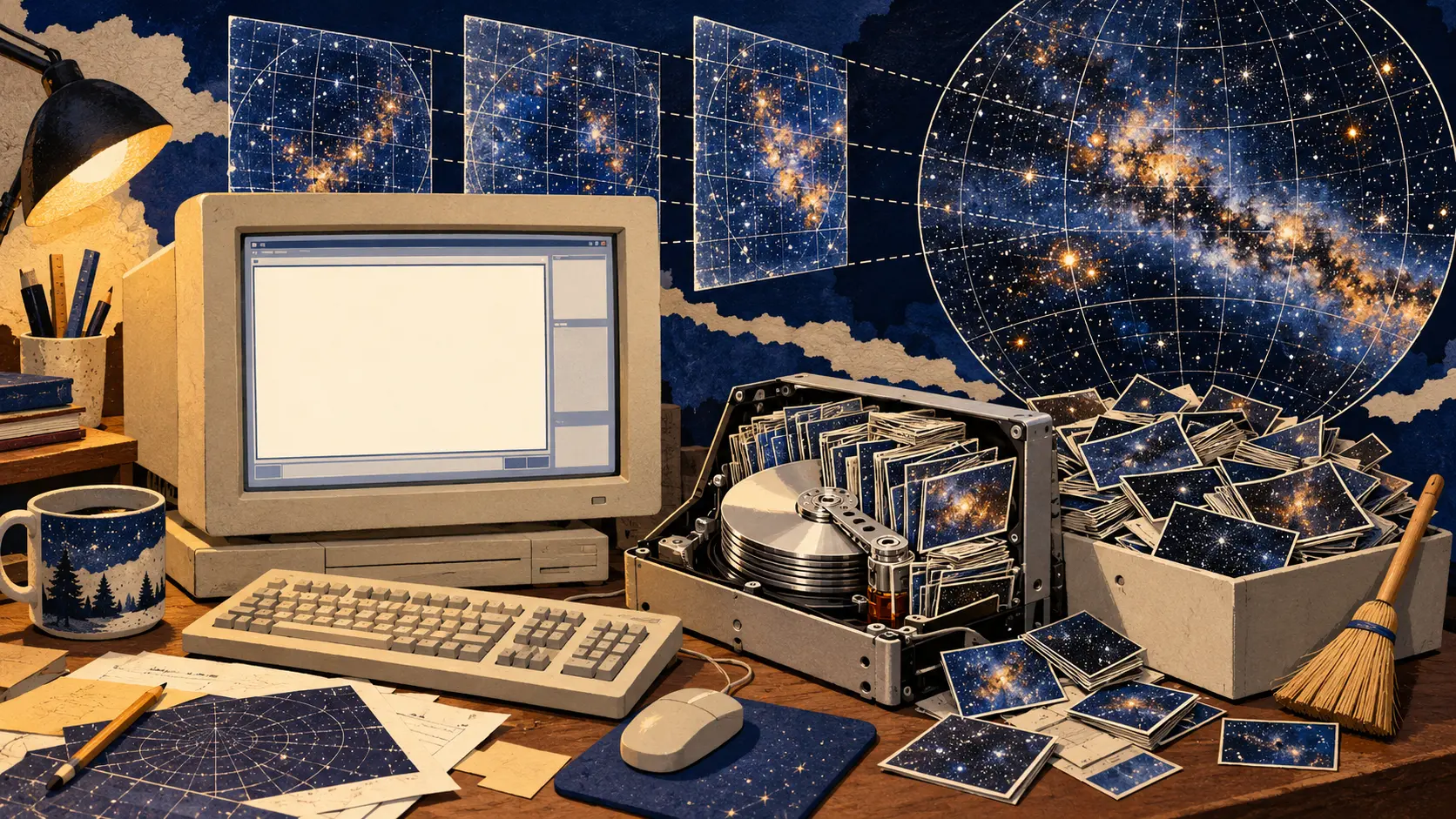
The Sky Was Empty. The Disk Was Full.
In 1995, NASA's SkyView could return a blank sky image because its output disk had filled up. The virtual observatory had acquired a very earthly problem.
History
Congress Was Online. Bring Your Own Computer.
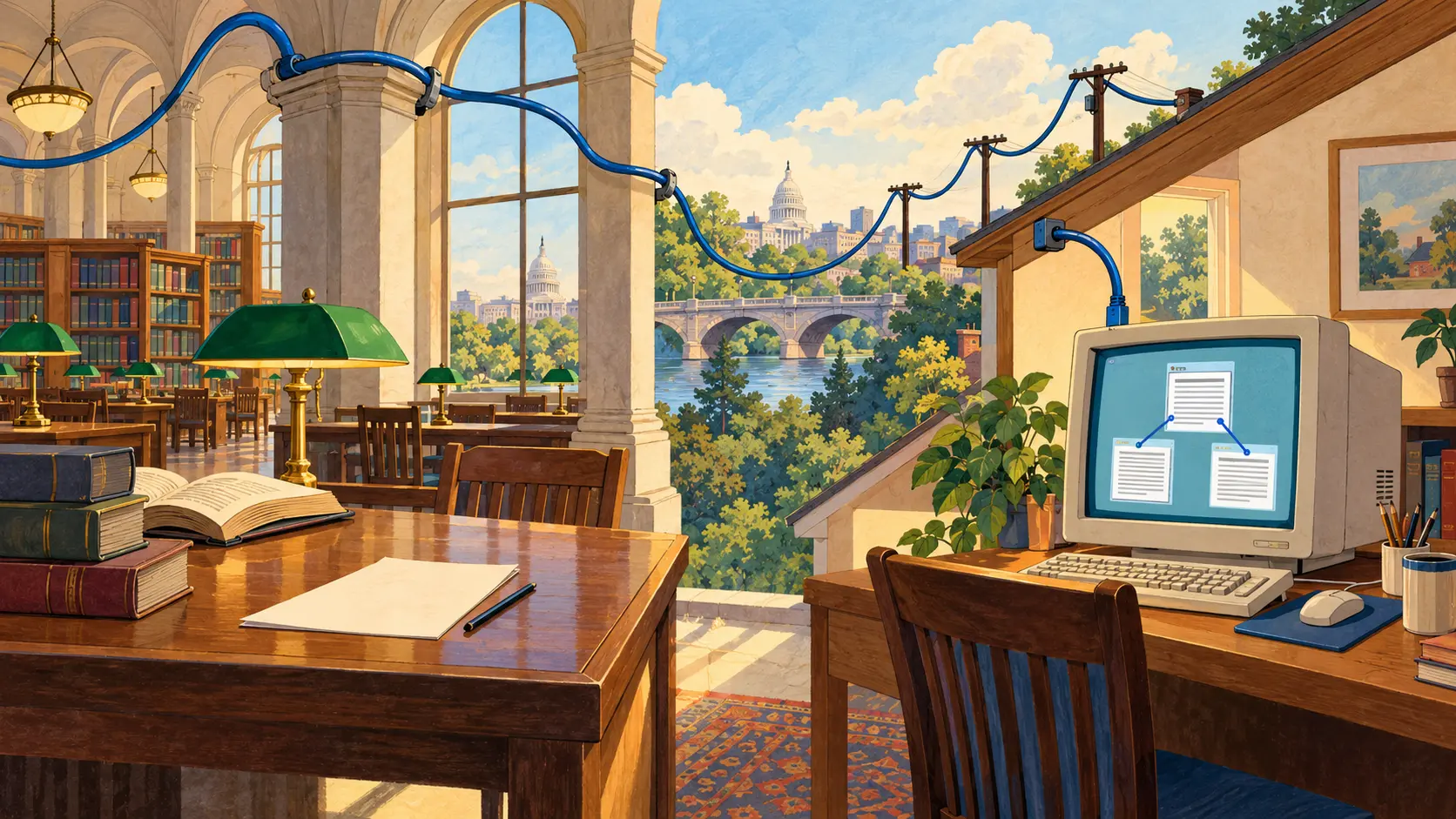
THOMAS opened in January 1995. Five days later, a Law Library memo explained that its reading room could hand out the directions, but lacked Web access.
History
Free Download. Allow Two Weeks.
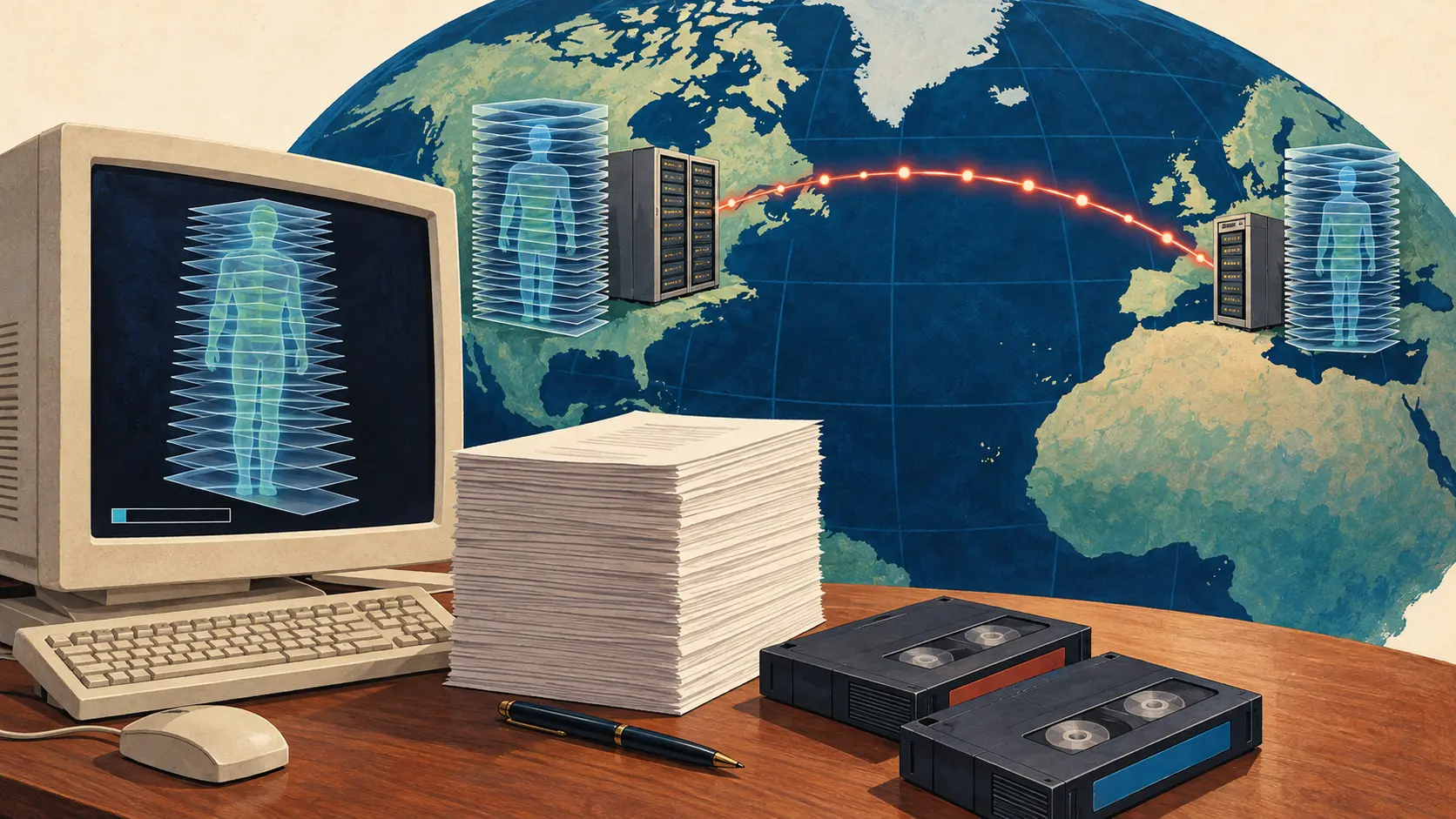
In 1995, the National Library of Medicine warned that fetching its 15GB anatomy dataset could require two weeks online. First, researchers had to send in the paperwork.
History
Please Type the Tripe
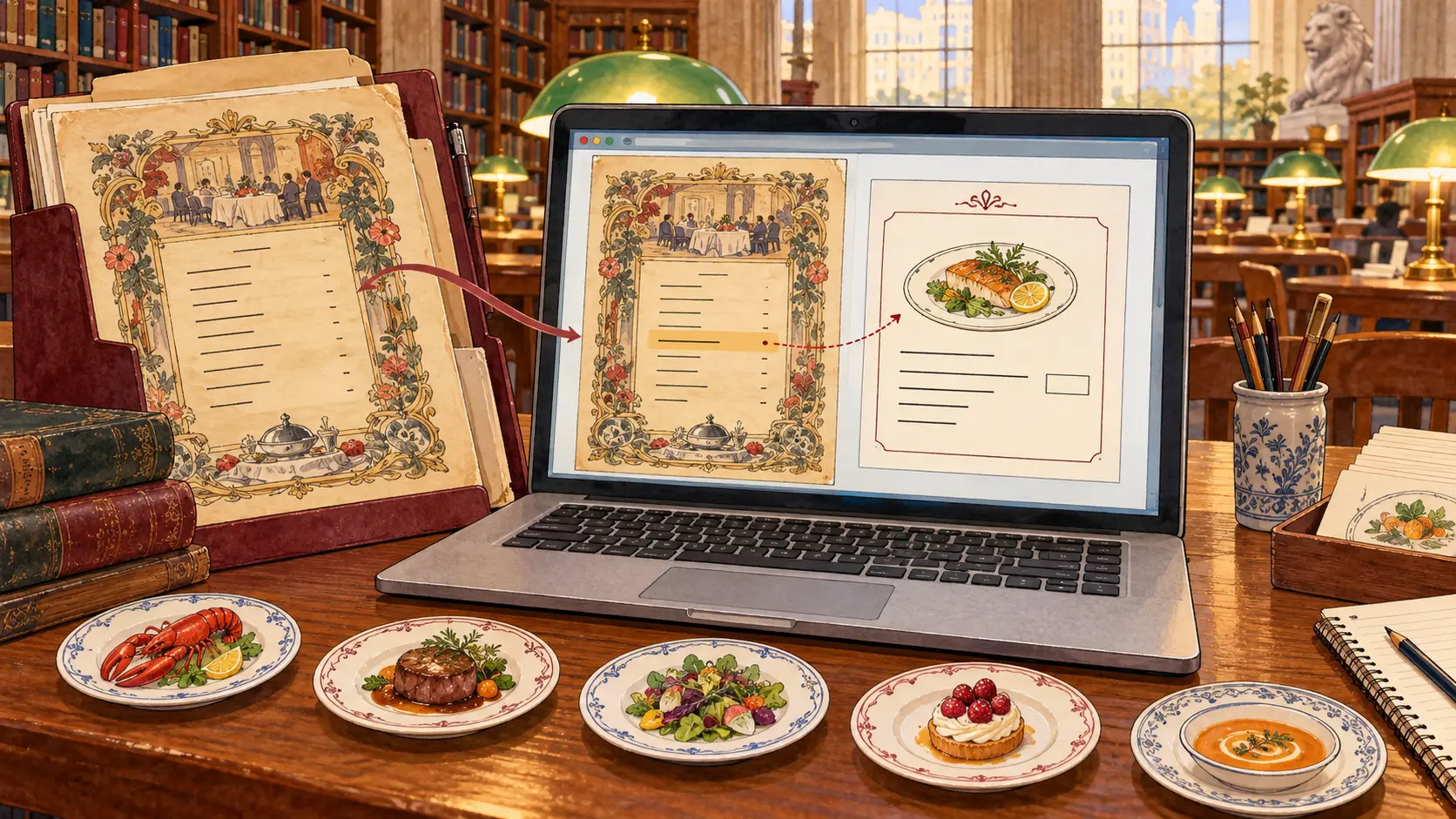
The New York Public Library gave internet volunteers a modest assignment: copy a few dishes from an old menu. Hundreds of thousands of entries later, dinner had acquired a search function.

History
Your Five Minutes of Panda Are Up
In 2010, Smithsonian's National Zoo rationed visits to its Panda Cam while trained observers kept watching. The later upgrade improved both the public picture and the work behind it.

History
The Camper Paid. The Revenue Waited.
ReserveUSA brought federal campsite bookings to the web in 1999. Following the money beyond the booking screen reveals another journey, through the Forest Service’s accounts.

History
NASA Got Useful Work from People Who Never Came Back
In the early Clickworkers experiment, one-time visitors supplied 37% of the work. A browser, a few crater-rim clicks and some careful checking let NASA keep the contribution after the contributor had left.

History
A Scientist Answered. Now Make It Understandable.
Argonne’s early Internet question service let the questioner send age information along with the puzzle. Connecting a classroom to an expert was one achievement. Getting an explanation back at the right height was another.