Summary
- Ofcom's crisis measures, ICU C15 and C16, took effect on 2 November in its code for services where users share content. The decision came in June; the amendments were issued in October.
- C15 recommends a written plan, warning signs chosen by the provider, a senior response team and a recorded review at crisis end or after 90 days, whichever comes first.
- C16 separately recommends a law-enforcement contact channel for qualifying large services. The provider makes the call that a crisis is under way or likely.
The alarm has two owners
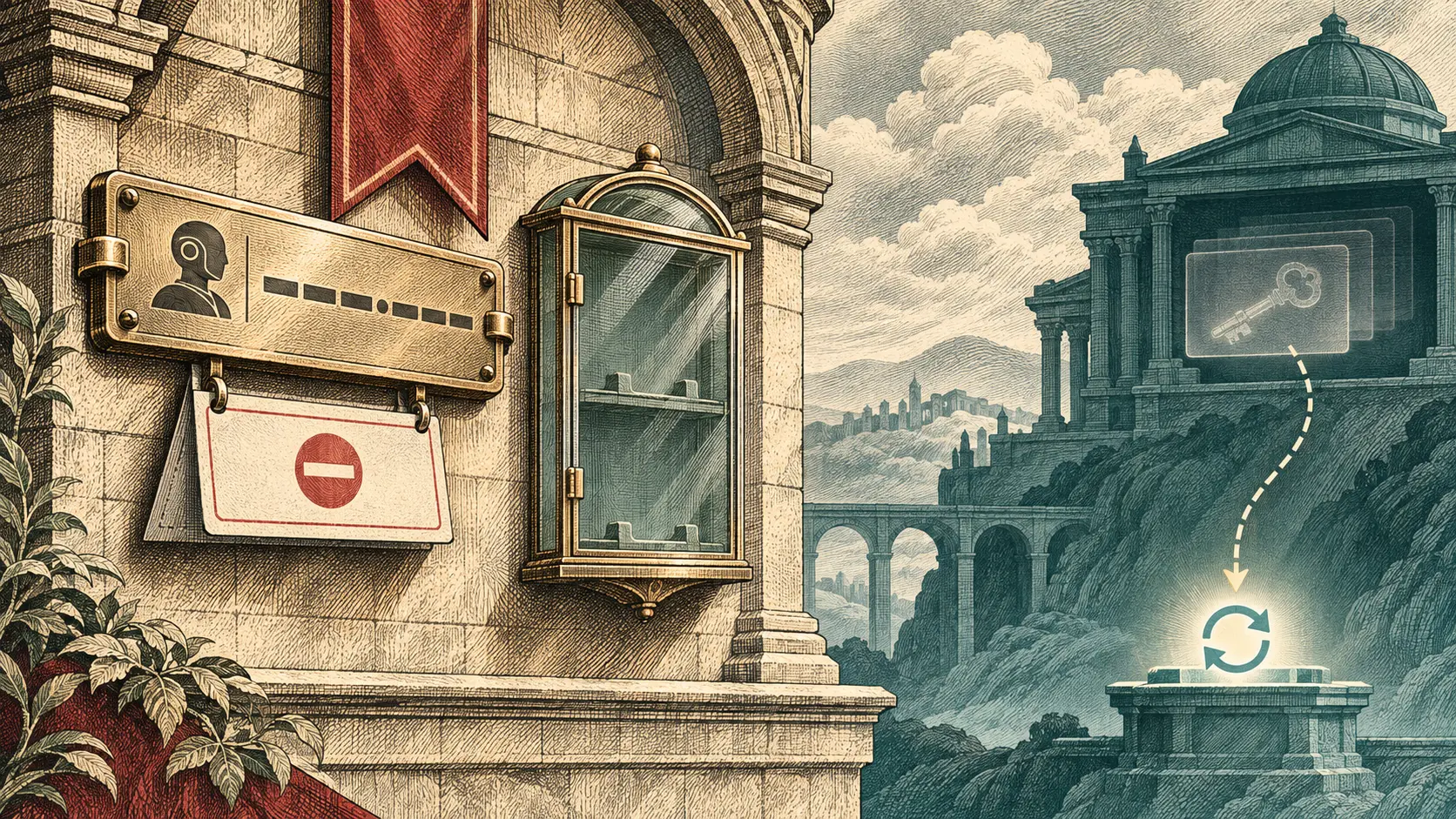
One sentence settles who has the switch. If Ofcom sends a public notice under section 175(3) of the Online Safety Act, the provider should consider it alongside its own warning signs. The service then decides whether a crisis is happening or likely. A notice may start the conversation; the provider starts the response.
The code sets a high bar for “crisis”: an extraordinary situation that seriously threatens UK public safety and is highly likely to have resulted from, or to cause, a large rise in relevant illegal content on the service. The named harms include terrorism, hate, harassment, stalking, threats, abuse and the foreign-interference offence.
The two measures cover different groups. C15's plan applies to large services with medium risk in any named category and to services of any size with high risk. C16's contact channel applies only to large services with medium or high risk.
The service chooses the signs it will watch. It must keep watching and update those signs when they stop working. Its written plan names a sufficiently senior crisis team and says how risk-reducing systems will be put to work as soon as reasonably practicable. The plan can stay private. The platform owns the instrument panel.
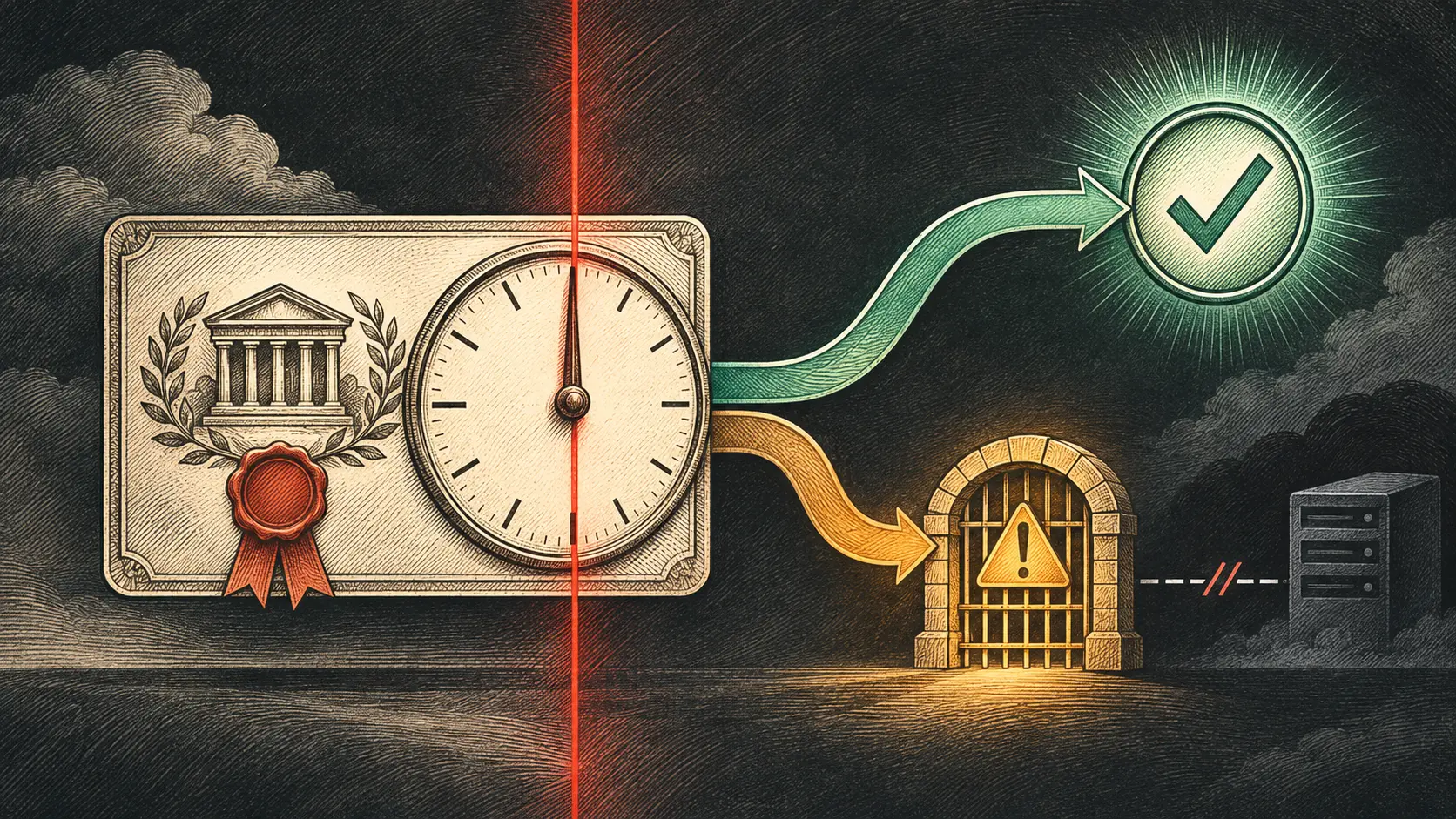
After activation, another clock runs. When the crisis ends, or 90 days after it began if sooner, the provider should record its key decisions, test the plan and fix what failed. That record may also stay private. Inside the service, there should be a clear chain: signal, decision, team, action, review.
Ofcom announced its decision in June and issued the amendments on 12 October. The current code page marks the new versions as in force on 2 November and the old versions as superseded. The measures are recommended ways to meet existing safety duties; a provider using another way must document it. No official source reviewed here names a platform that activated the plan on the first day.
Official sources
Member Briefing
Deeper Profile Context
Sign in with the right membership level to unlock the full briefing and source notes.
Only for Strategic Circle
Strategic Circle
Open to all readers. Unlock profile briefings after joining and signing in.
Join Strategic CircleOnly for Leadership Alliance
Leadership Alliance
For qualified IP-asset owners and management; sign in to unlock alliance briefings.
Join Leadership Alliance