
Profiles
Leaders
Senior decision-makers controlling strategy, capital, and execution.
Market / People
People intelligence profiles the leaders, operators, researchers, creators, investors, and policy actors shaping internet infrastructure strategy. The category connects interviews, public profiles, company links, role changes, governance exposure, affiliation context, and related articles so readers can follow decision-makers by operating role rather than by isolated article chronology.

Latest Coverage
1,564 articles

Leaders
RFC 10070 removes the token-endpoint audience choice from OAuth JWT client authentication. A signed assertion must now name the authorization server’s issuer identifier, and nothing else, as its audience. The same identity assertion no longer has two acceptable addresses at the…

Leaders
A routing-security proposal reached the RIPE Routing Working Group list on 25 February 2025 with a number in it: revoke a delegated RPKI certification authority when no valid Manifest has been seen "for over a 100 days". The policy that now governs the question says "more than…

Leaders
RFC 10091 makes the EPP extension registry a current-state list with named reviews, permanent references and Active/Inactive status. It also says the registry has no history. An extension can disappear from the public record while clients still depend on its namespace, commands…
Leaders
RFC 10057 gives a controller one tunnel name. Under that name, the model can hold computed-only paths, several node-local LSPs, a standby that has no committed data-plane resources, and interface advertisements. One green label cannot speak for all of them.
Leaders
RFC 10069 lets a single QUIC connection use several paths at once. The connection stays shared; the evidence does not. Each path receives its own identifier, packet-number space, congestion state and availability signal, while the application still chooses how traffic is…

Leaders
Seven annual reports from one complaints office count complaints, then submissions, then cases. Only the newest report defines the word it counts. Only the newest report carries a signature.
Leaders
RFC 9050 does not merely send a computed path to a router. It gives a central PCE label instructions for every hop, each device with its own state to program, label range, resource reservation and report. An accepted controller message is only one point on that chain.
Leaders
RFC 10073 lets X.509 treat a composite signature as one algorithm. Its private-key story is less tidy: the interoperable entity carries an ML-DSA seed and a traditional private key, while implementations may split custody across separate modules.

Leaders
APNIC's by-laws hand an elected Executive Council member a term, a three-consecutive-term cap and, from 2027, a clock that ends at the third AGM after election. The Director General's clauses hand him appointment, qualification, functions and a removal threshold. They print no…
Leaders
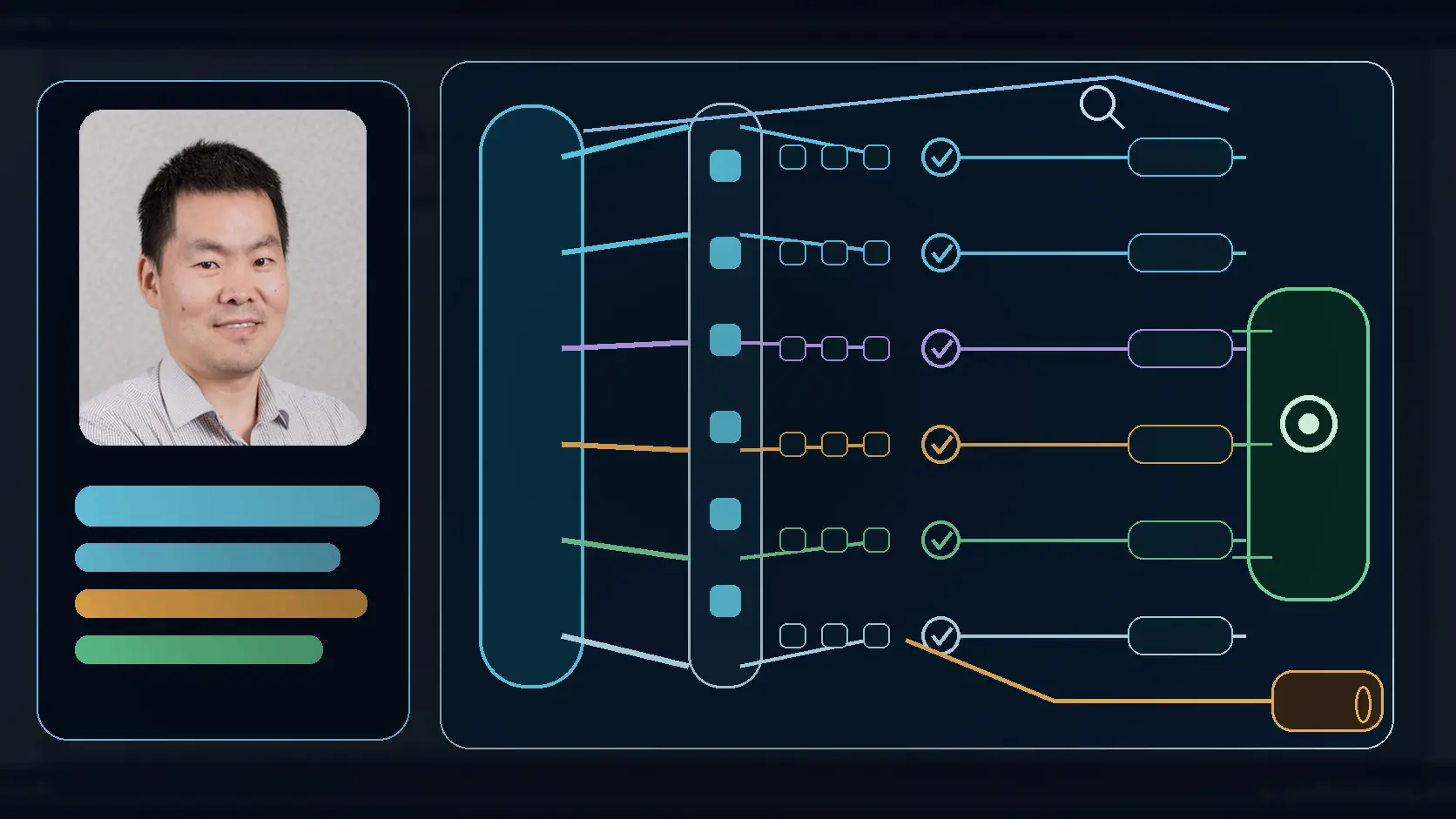
RFC 10087 turns a persistent QUIC connection into a multiplexed transport for domain provisioning. The efficiency is real; so is the accounting problem. A healthy socket can carry several streams, and each stream can sit at a different point between start packet, greeting, login…

Leaders
Three LACNIC blog posts carry his name in the first person and not one of them counts a Caribbean result. The figures for the programme he runs sit in an unsigned annual report that never uses his name — and calls its programme "The program".
Leaders
RFC 10073 gives X.509 one composite algorithm identifier over an ML-DSA signature and a traditional signature. The envelope can look wonderfully ordinary. The verifier’s job is not: it must prove both halves, bind the exact algorithm label and preserve a certificate policy that…
Leaders
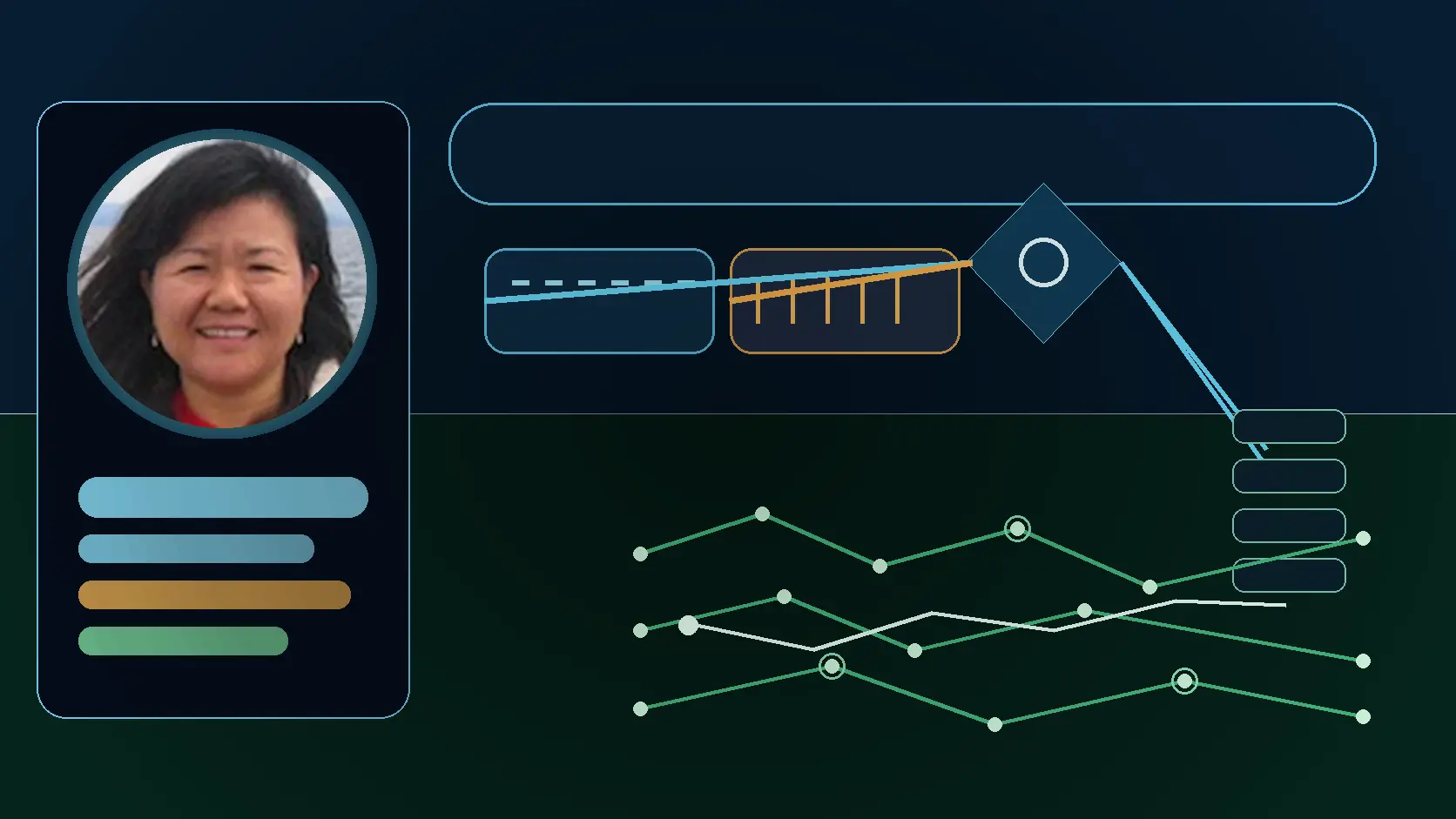
RFC 10090 makes BGP the control plane for a large SD-WAN overlay. It also draws a line the market tends to blur: an authorized route, a WAN-port binding, an IPsec tunnel and the underlay that actually carries a flow are four different pieces of evidence.
Leaders
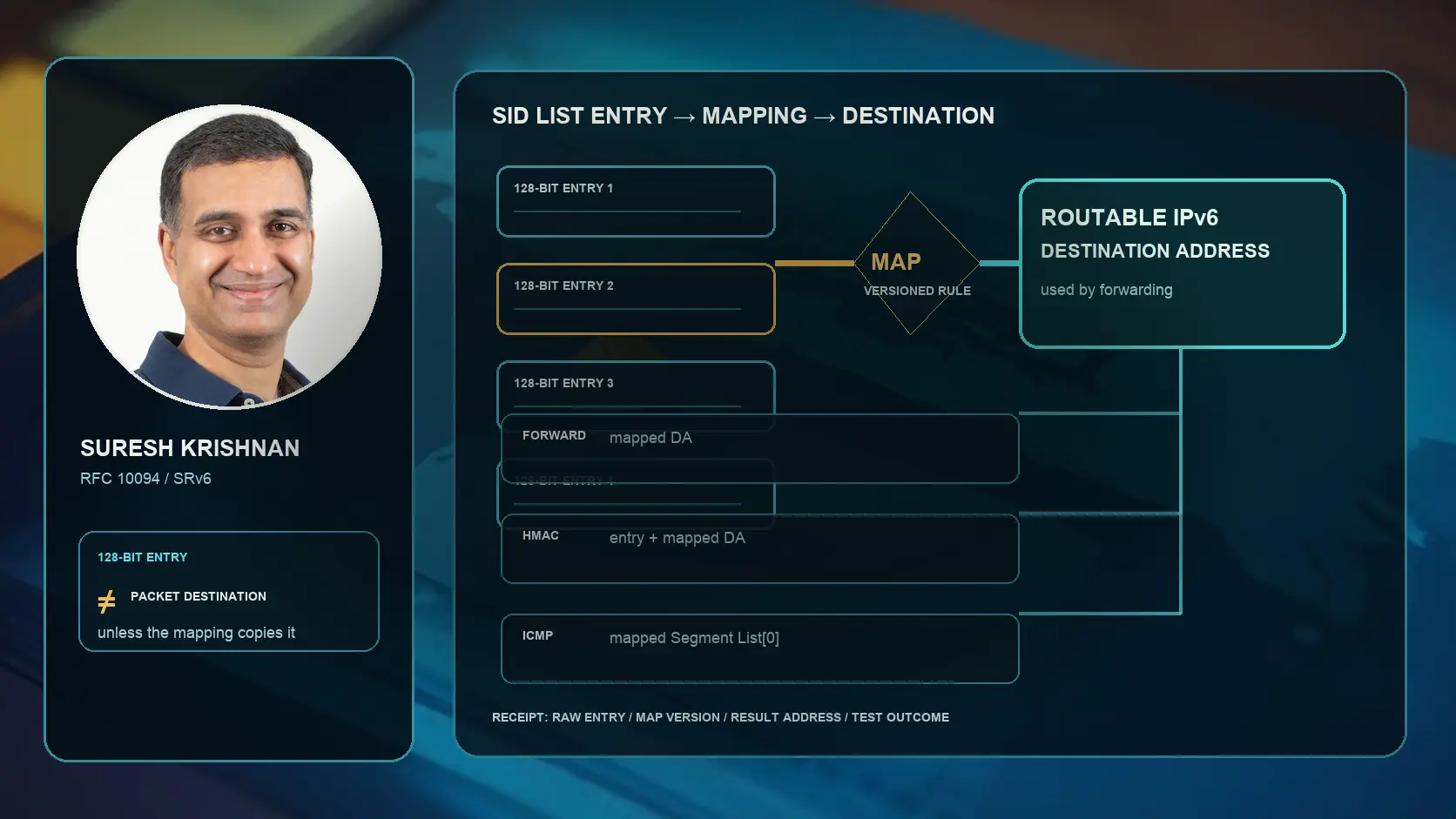
RFC 10094 separates the segment instruction in the packet header from the routable IPv6 address a router must follow. That distinction now reaches HMAC checks, ICMP errors and packet-analysis tools.
Leaders
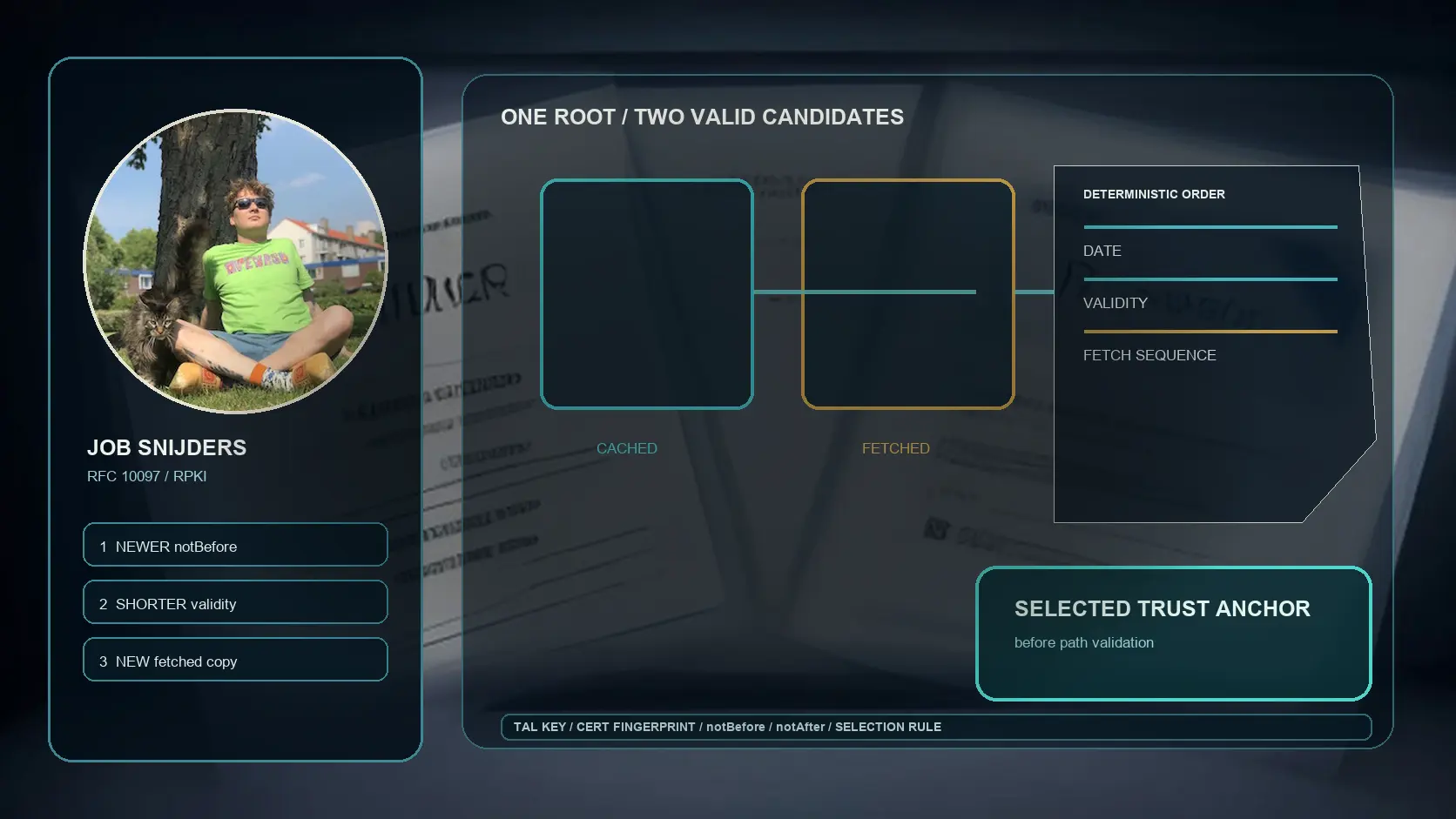
A Trust Anchor certificate has no revocation list above it. RFC 10097 gives validators a fixed order for choosing between an old cached certificate and a newly fetched one.

Leaders
ICANN's roster gives her Council seat as September 2022 to October 2028 and says on the same page that a councillor serves three years. Argentina's gazette gives a start date and, once, a duration counted in working days. The National Defense Faculty writes the rule for its dean…
Leaders
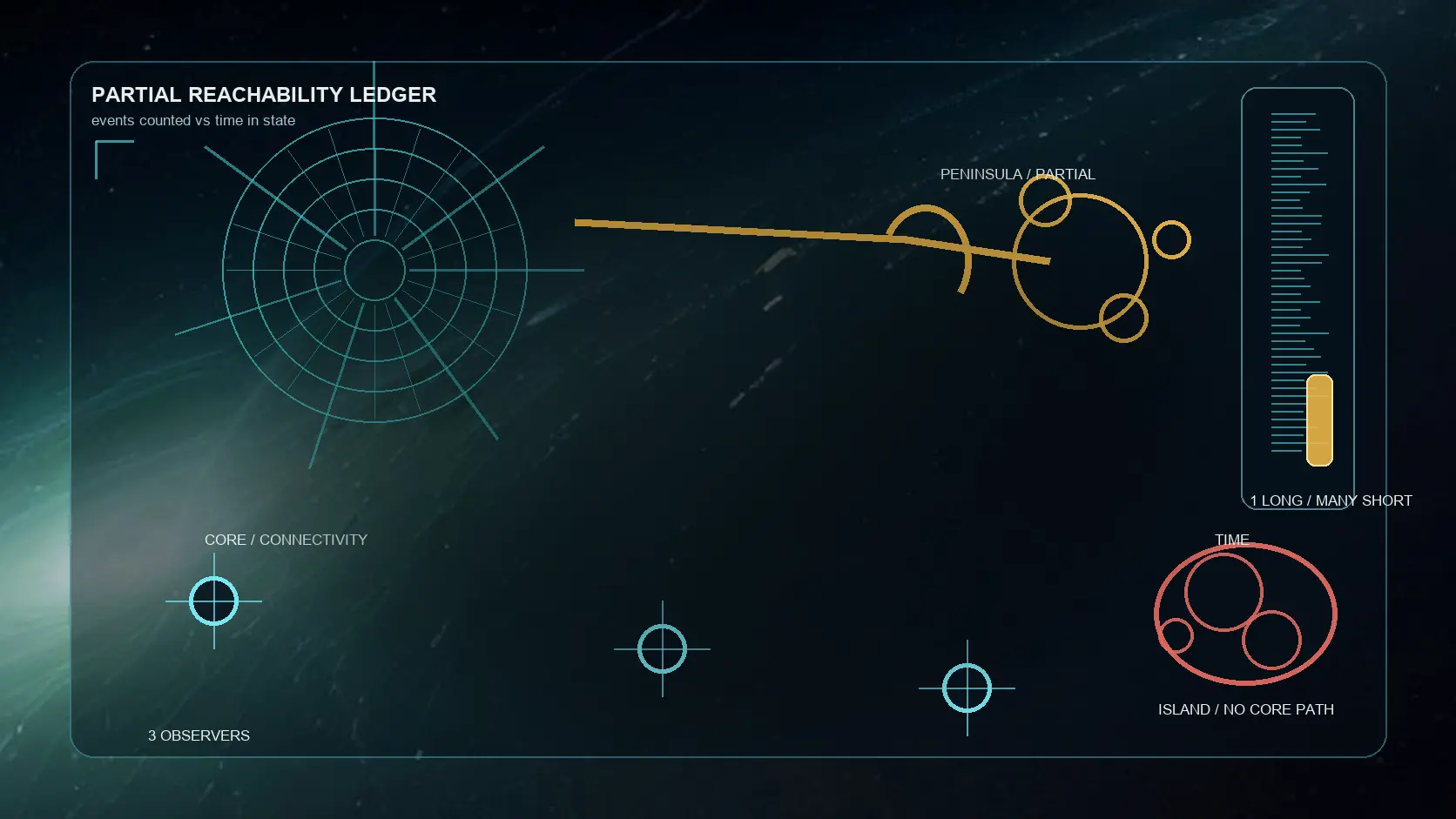
A new model measures the Internet core by the paths that actually answer. It finds persistent partial reachability everywhere around the familiar outage dashboard.
Leaders
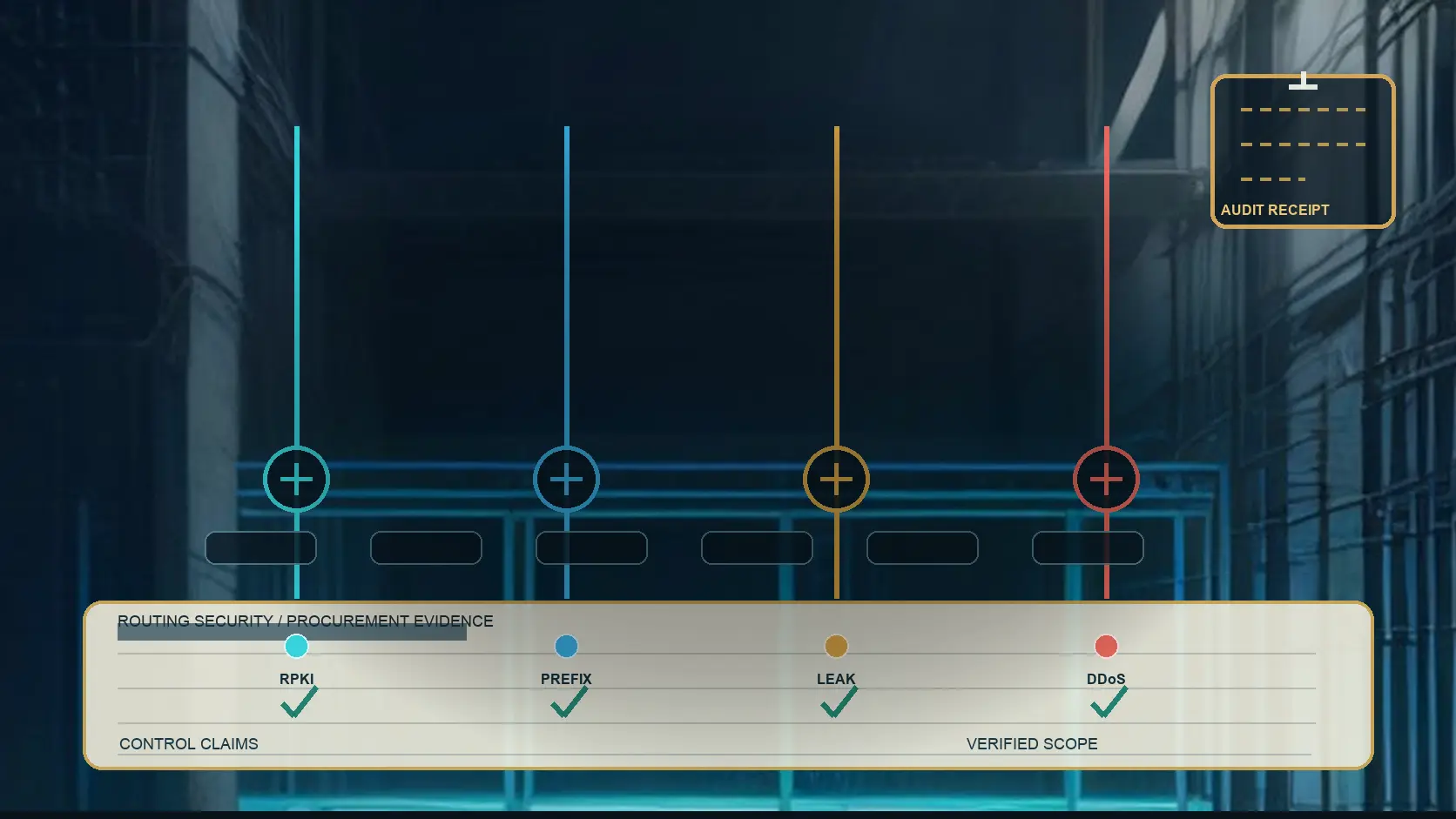
A February report asks enterprise buyers to treat Internet routing as part of the supply chain. Its control matrix is useful. Its promised “certified” label still needs a certificate, a scope and a receipt.
Leaders
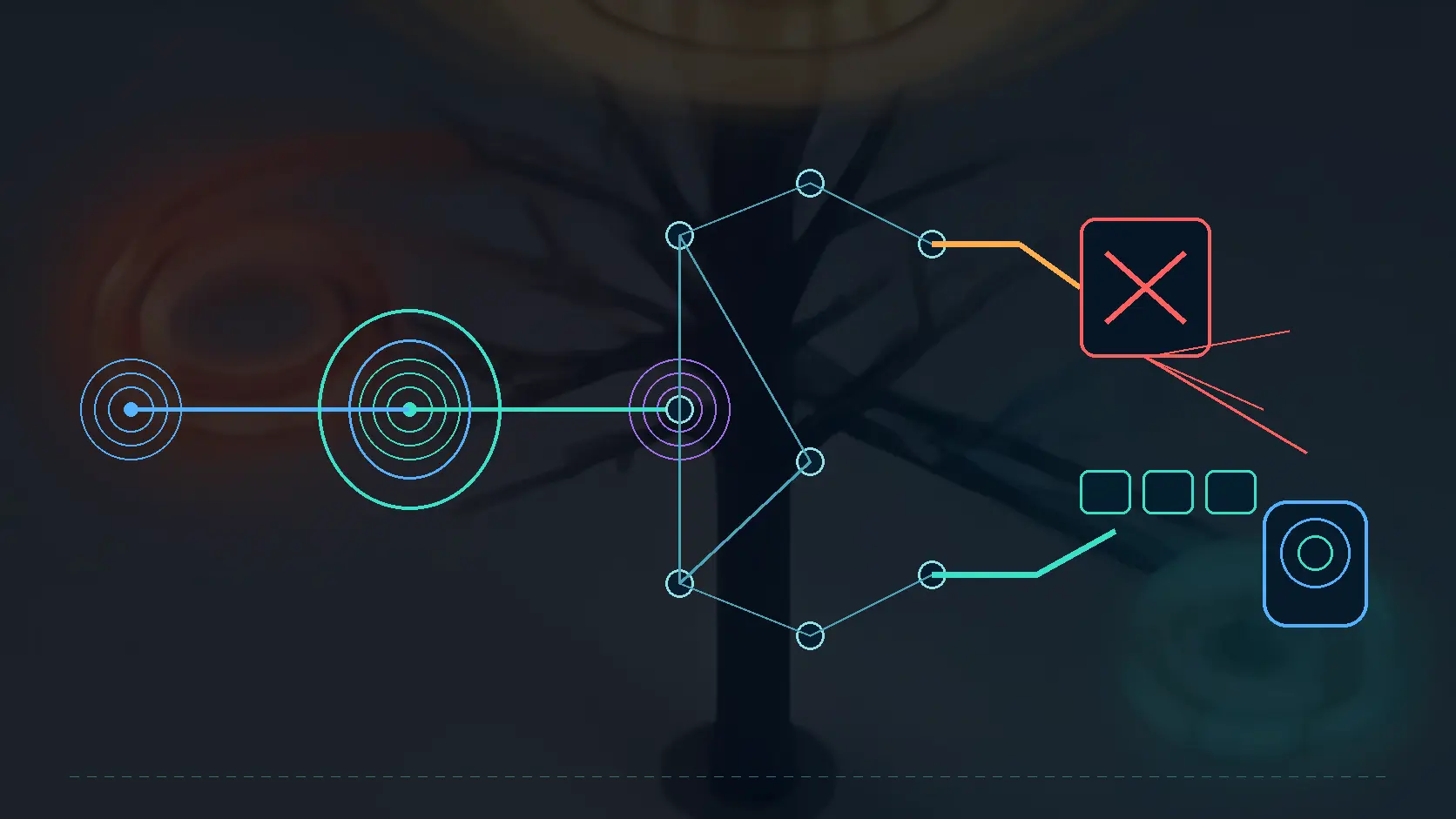
`ANY` was never a promise to return every DNS record. Ralf Weber now argues that ambiguity has become a liability: when two root-side implementations produced unusable `ANY` answers, he proposed making the query fail explicitly everywhere.
Leaders
RIPE Labs’ explainer does the useful work of pulling AI infrastructure out of the public BGP graph. Its author disclosure does another useful thing: it identifies the person explaining the network, the group holding a stake in his company and the same group’s operator supplying…
Taxonomy
Profiles
Senior decision-makers controlling strategy, capital, and execution.
Profiles
Operators driving step-change performance and market reconfiguration.
Profiles
Researchers shaping long-cycle infrastructure and governance thinking.
Profiles
Protocol and platform creators shaping architecture and standards behavior.