Summary
- Dan Fidler’s 26 February APNIC article presents the MANRS report as an enterprise purchasing problem across SD-WAN, cloud, CDN and direct multi-ISP connectivity.
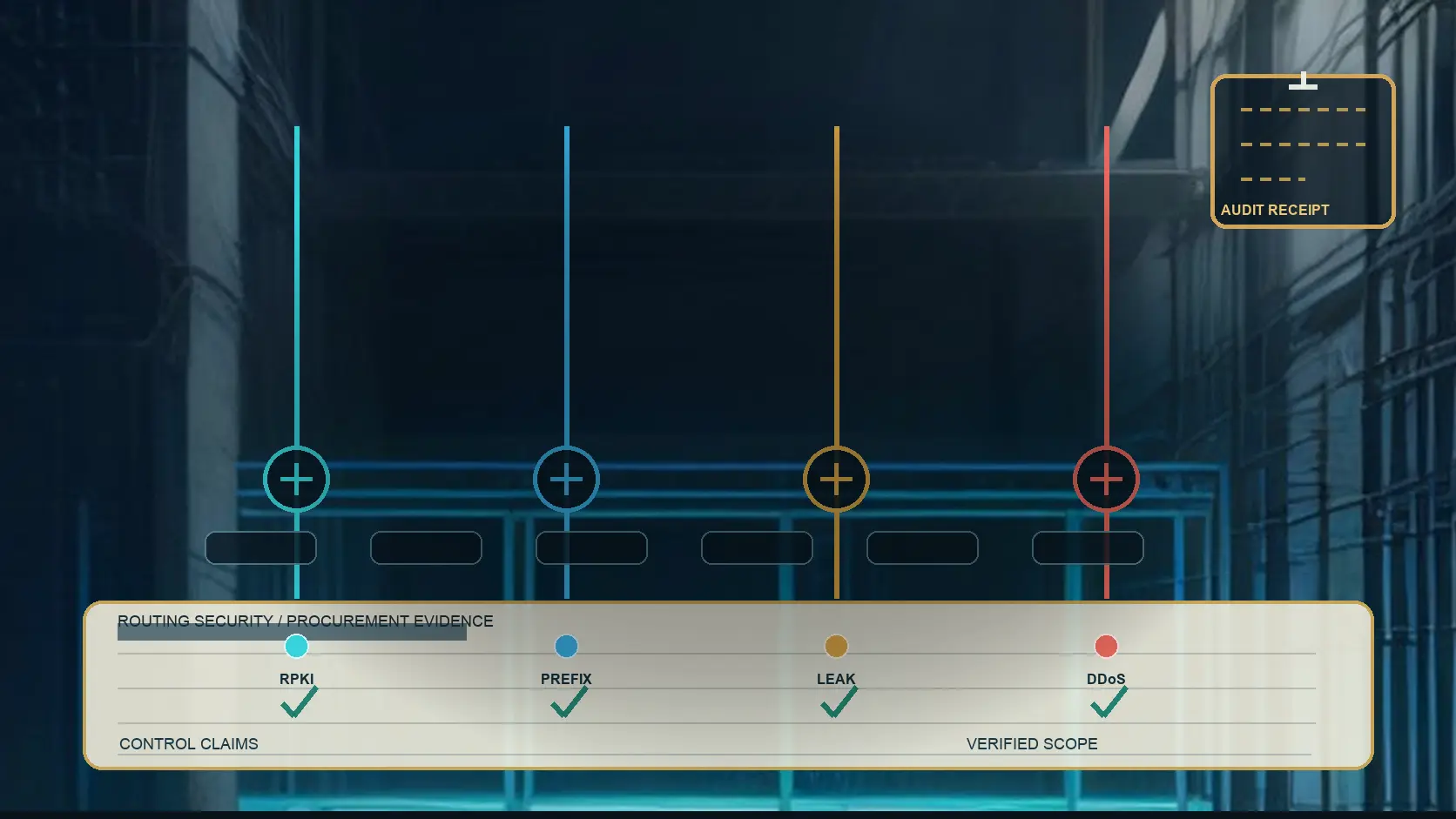
- The MANRS+ controls matrix converts that argument into specific checks, including RPKI-invalid rejection, prefix and ASN filtering, route-leak protection, anti-spoofing, DDoS controls and customer route-incident reporting.
- The working group still describes an elevated tier under development. A buyer can put its controls into a tender today; the public pages reviewed for this article do not provide a live certificate register with issuer, scope, version and expiry.
The system integrator is not the Internet
Fidler’s useful move is to stop discussing routing security as a club for network engineers. An enterprise can harden its laptops, applications and identity systems and still lose a service because an upstream announces the wrong path. The vulnerable object is the chain of networks that carries the transaction.
The report identifies four common versions of that chain. Branch offices connect through a small group of ISPs. Cloud applications make a cloud provider the public gateway. A CDN becomes the customer-facing connectivity layer. Mission-critical services may sit in the enterprise’s own network but reach users through several direct ISPs.
The purchasing consequence is simple. “We use a Tier 1” is not an acceptance test. Neither is a network diagram with many arrows. The buyer needs a named provider, a named upstream boundary, a routing-control set, a measurement method and a person who answers when the route changes without warning.
The report says around 85% of autonomous systems are origin-only networks that depend on their connectivity providers for external reachability. That gives enterprise demand commercial weight. It also explains why a small buyer cannot fix the global routing system by configuring one edge router.
The contract has to name evidence
MANRS+ is the right place to look. Its February 2025 controls matrix assigns IDs to the work. RS-01 requires a connectivity provider to discard announcements invalidated by RPKI. RS-02 and RS-03 cover customer-prefix and ASN filtering. RS-05 addresses route leaks. RS-06 covers bogons and RS-07 protects BGP sessions.
The same table reaches beyond the popular story about ROAs. DA-01 through DA-04 cover DDoS detection and mitigation. AS-01 covers source-address validation. RI-01 through RI-03 require ROAs, IRR objects and AS-SETs. GC-01 requires a working operational contact. SS-02 requires monitoring and reporting when a customer announcement is invalidated by a ROA or hijacked beyond the provider’s control.
That is a procurement annex ready to be argued over. It is not a certificate. The matrix rates evidence as self-declared, measured or audited. A serious buyer should put those words into the schedule and require the audit method behind each one.
“MANRS+ certified” is still a future tense
The MANRS+ concept page gives the explicit RFP phrase: a provider bidding for transit should be “MANRS+ certified.” Then the current working-group page returns to development: more stringent provisions, higher-level auditing, a controls matrix, a self-assessment survey and future measurement work.
A vendor can answer the current concept with a statement of alignment. A procurement team needs an object it can verify. Which legal entity issued the certificate? Which services and upstreams were in scope? Which matrix version applied? Who measured the controls? When? What exceptions remained? When does the result expire? Where is the provider’s name in the issuing registry?
The reviewed public pages supply no certificate register that answers those questions. That is the operational gap in the campaign, and it is a larger problem than the usual warning that BGP lacks built-in authentication.
An enterprise buyer can close it in the contract. Require a current route-security dossier before award and on every renewal. Require a coverage map for the actual services purchased. Require the provider to disclose RPKI, IRR and AS-SET records, filter-generation policy, route-leak and bogon configurations, anti-spoofing test results, DDoS tests, RPKI and hijack alerts, and named escalation contacts. Require notice when a covered upstream changes.
The smart clause links claims to evidence. A provider claiming RS-01 should show both router policy and a dated test. A provider claiming SS-02 should show a sample customer alert with the route state, detection time, notification time and remediation time. A claim of “audited” should come with the auditor’s report, not a PDF that uses the word in the introduction.
Four ways to lose the same supplier
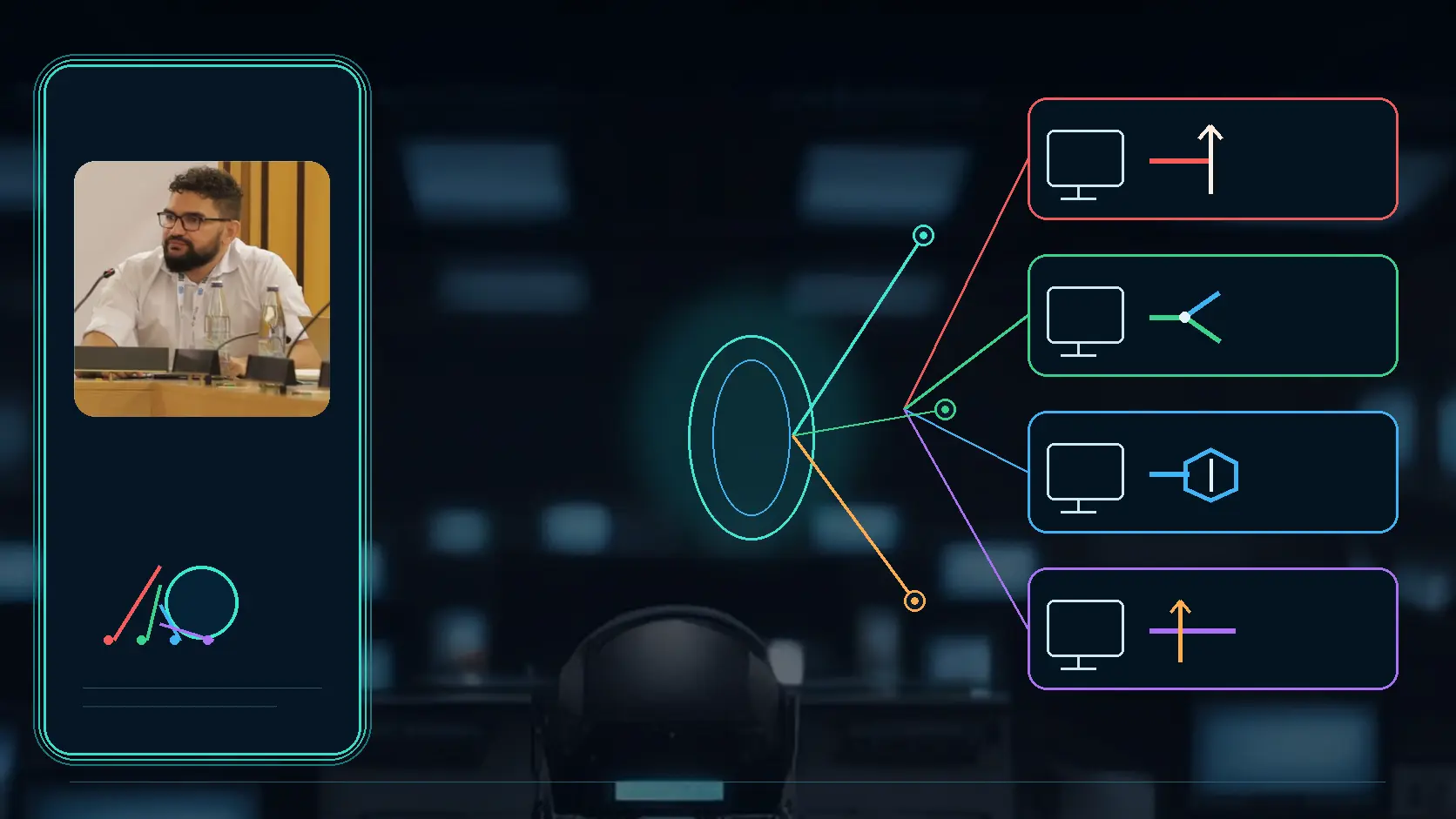
In SD-WAN, the enterprise can name its branch ISPs. In cloud, it may name the cloud provider while upstream routing remains opaque. In CDN, the service provider controls the edge and the buyer sees the brand. In direct multi-ISP deployment, the enterprise negotiates several paths but still depends on each provider’s filters and incident response.
One evidence packet should work across all four: provider entity, product, operating ASNs, covered prefixes, upstream dependencies, control IDs, test dates, exceptions, alert channel and remediation owner. The same packet should travel with the renewal. Procurement then creates a durable record instead of an annual sales assurance.
The reviewed public material does not show a live MANRS+ application, certificate format, appeals path or certified-provider list. A published issuer, versioned certificate, scope, expiry and audit receipt would turn the concept into something a buyer can check.
Fidler is right that enterprises can supply the missing market pressure. The pressure needs a receipt attached.
Sources: APNIC article; MANRS report; MANRS+ working group; concept; controls matrix; author profile; MANRS+ briefing.
Member Briefing
Read the full trend briefing
Members read the full briefing with the source notes behind every finding.
Strategic Circle
A daily briefing in your language, built from changes we have verified.
Join for USD 20/monthCancel anytime.
Members also get the full research library, a daily briefing on the networks they follow and the private forum.