Summary
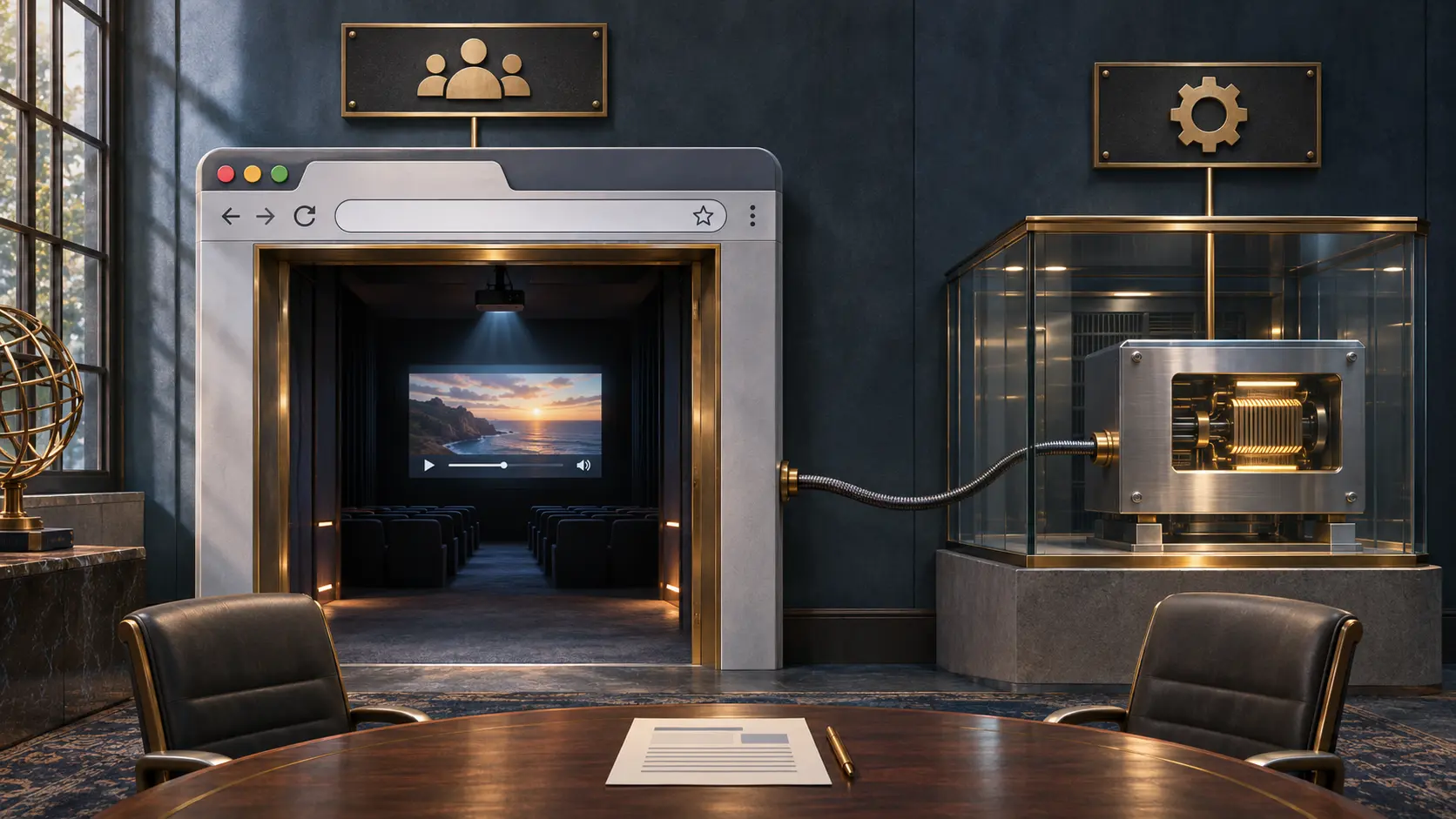
- In 2007, Google promised Knol authors editorial control while it provided free hosting and ranked their pages in search. The 2008 public launch made the division concrete: anyone could suggest a change, but the named author could accept, reject or revise it before the public saw it.
- Google's November 2011 shutdown notice gave Knol ordinary operation through 30 April 2012. From 1 May through 1 October, pages would no longer be viewable, although authors could download or export them. After that, Knol content would no longer be accessible through the service.
An author owned the edits, Google owned the venue
When Google introduced the invitation-only Knol test in December 2007, it presented authorship as the missing label on the web's knowledge. Books and news articles bore names; an online explanation, Google argued, should visibly belong to the person who wrote it. The company would provide a free page and tools. The writer would supply the expertise. Google said it would not act as an editor or demand exclusive rights to the material.
That split was appealing because it put a real person behind a claim. One subject could have several competing Knols, each with a different named author. Readers could judge the argument and the person who stood by it. Google's role seemed almost modest in the announcement: help the author publish, then help a searcher find the article. Yet free hosting and search ranking were substantial powers. The author could control a sentence; Google controlled the public address and the route by which a stranger reached it.
At the July 2008 public launch, the editorial mechanism became clearer. Google called it moderated collaboration. Any reader could propose an edit. The author could accept it, reject it or change it before the public version was updated. That is a specific allocation of authority: the crowd supplied evidence and suggestions, while the bylined person made the binding textual decision. Comments, ratings and reviews added other ways to answer an article without taking its pen.
The same launch let authors choose whether to show ads and share in the resulting revenue. That choice made the author's page feel like a small publication. But the tools for contribution, display, money and discovery all ran in a service owned by Google. Authorial control existed within those walls. A review could be attached to a Knol because the platform kept a public Knol to attach it to.
A large count did not buy a permanent address
In January 2009, Google reported that the 100,000th Knol had appeared a few weeks earlier. It said Knols had been written in 59 languages and that the interface had eight language options. It also reported that most authors accepted moderated edits from readers. Those are company-reported measures of publication and participation. They show the experiment was more than an empty prototype; they say nothing about how long the pages would remain readable.
That distinction became the plot in November 2011. Google announced a shutdown schedule rather than an editorial dispute. Knol would work as usual through 30 April 2012. Authors could download a file or migrate their work to WordPress.com. Google also described Annotum, an open-source scholarly publishing platform it had been developing with partners. It offered a path for the writer's text to leave.
Then the schedule separated export from publication. From 1 May through 1 October 2012, Knols would no longer be viewable, but they could still be downloaded and exported. Afterward, the service's content would no longer be accessible. A reader looking for an article and an author retrieving it were given different deadlines. The right to take a file home did not keep the old public page open during the five-month export period.
The source does not count successful migrations or say how many reviews, comments or incoming links survived elsewhere. A migration log for each work would change the assessment of preservation. The decision about Knol's own public reading window, however, is in Google's dated notice. The host could end the exhibition while leaving the packing room open.
Member Briefing
Deeper Profile Context
Sign in with the right membership level to unlock the full briefing and source notes.
Only for Strategic Circle
Strategic Circle
Open to all readers. Unlock profile briefings after joining and signing in.
Join Strategic CircleOnly for Leadership Alliance
Leadership Alliance
For qualified IP-asset owners and management; sign in to unlock alliance briefings.
Join Leadership Alliance