
Topic
Software Lifecycle and Lock-in
Within the Topic facet, Software Lifecycle and Lock-in topic intelligence connects articles that share a specific subject, signal focus, or monitoring theme. The page gives readers a richer path through related reporting, source evidence, market actors, and infrastructure implications, with enough context to understand why the topic matters across company movements, governance decisions, regional exposure, and operational risk. Readers can compare recurring signals, affected organisations, public evidence, market context, service continuity, procurement, competition, compliance, and strategic planning questions behind the subject instead of stopping at a thin list of matching articles. It explains what the topic covers, which infrastructure actors or policies are involved, what evidence supports the coverage, and why the subject may matter for operators, customers, investors, and policy readers.
History
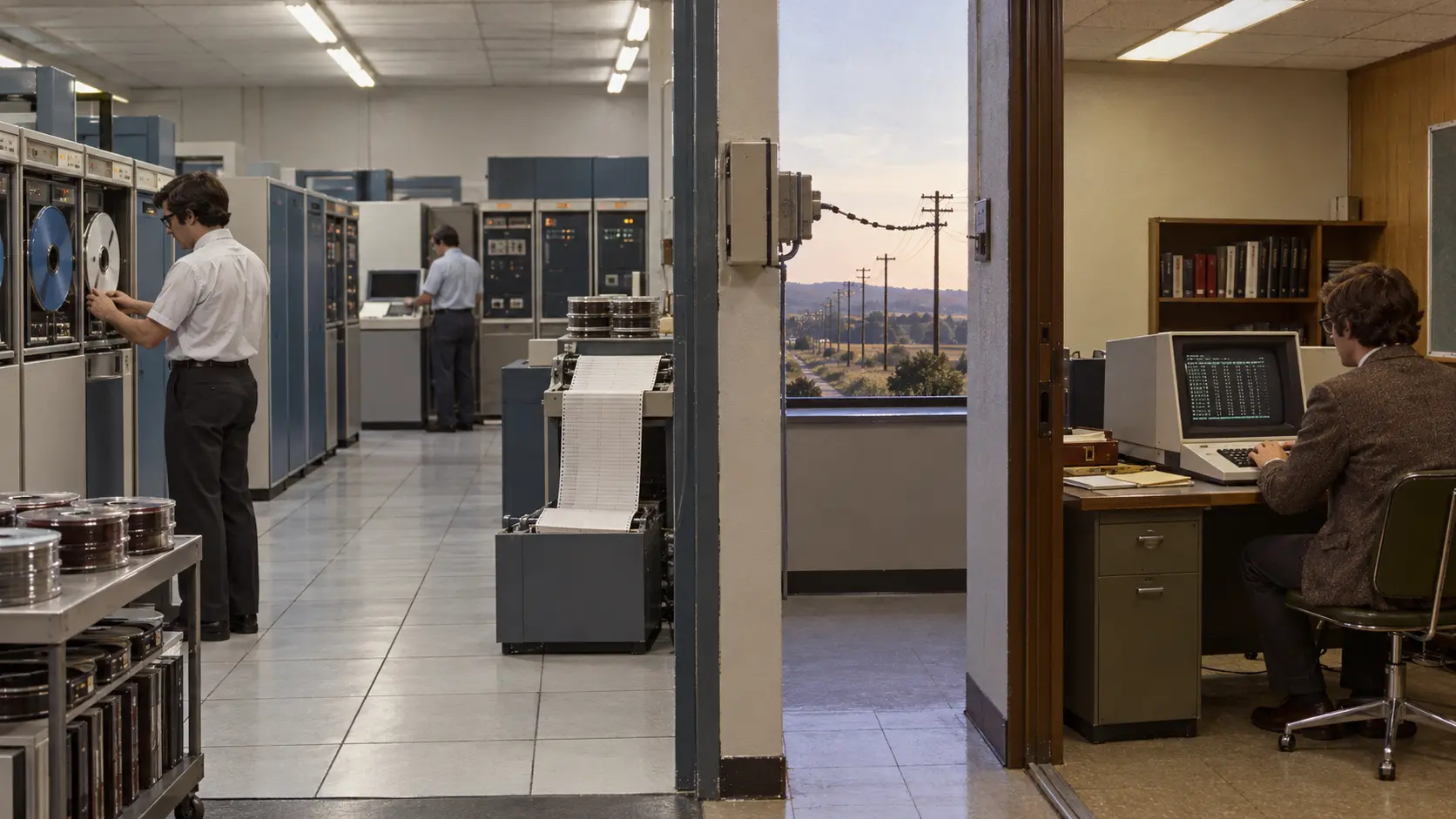
FTP Could Retrieve, Rename—and Execute: RFC 114’s 1971 Proposal
Before “file transfer” settled into a narrower job, one 1971 proposal treated a remote program as another kind of file operation. The boundary drawn a few months later helps explain what FTP did—and what its early specification left open.
Global Institutional
Five fixed builds and one vague word: reading CVE-2025-40778
A dated report on a cache-poisoning flaw in BIND 9 lists exactly which builds carry the fix and leaves the affected side at "various". That asymmetry decides what the record can prove to whoever signs off the upgrade — and what it quietly cannot.

History
The Clock Trial Ran Through a Working Network: NTP’s 1985 ARPANET Experiment
A clock can display a number without agreeing with another clock. In 1985, the question was whether networked machines could keep time together while their links also carried ordinary traffic—and what a leap second would reveal about the answer.
History
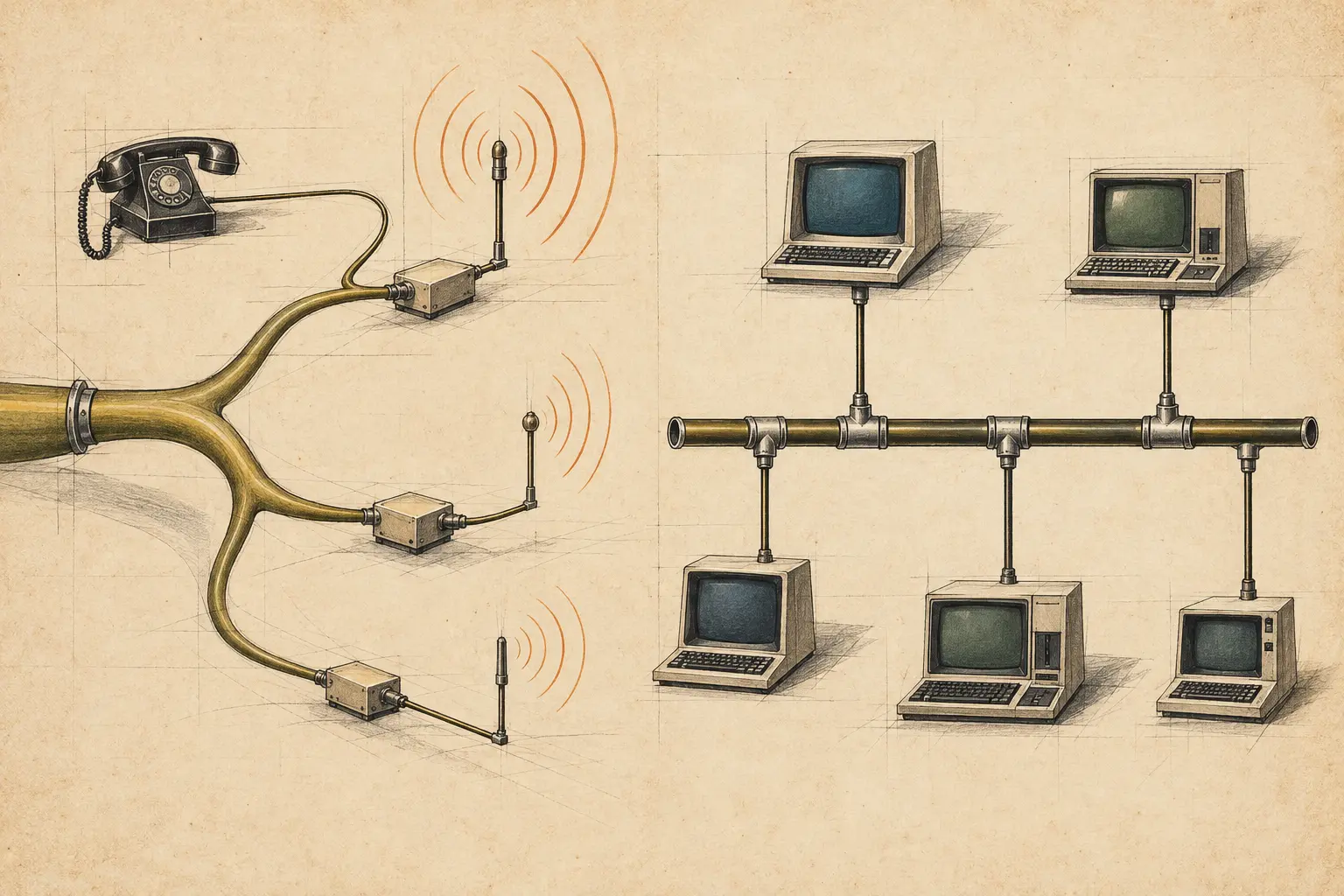
Ethernet Began with a Network Sketch. DIX Drew the Local Boundary
Ethernet’s 1973 proposal pictured more than a cable joining computers: it imagined “boosters” linking branched wire, telephone and radio media. Seven years later, Digital, Intel and Xerox published something deliberately narrower: a design reference for a local network’s…

Asia-Pacific Institutional Trends
Singapore set a 2031 quantum-safe target for critical systems. The inventory comes first
Singapore’s new milestones make cryptographic discovery the near-term test: a deadline cannot move a dependency an organization has not found.

Leaders
Ray Bellis and the Line Between a Published Document and a Running Network
Two documents carry Ray Bellis's name in the IETF record. One is a single-author advice note that spends its mandatory language telling implementers what not to break. The other creates shared state, takes numbers in a public registry and bears six signatures. Read side by side…

Story
One Peer’s Update Surge Delayed More Than One RIPE Collector
A burst of BGP messages arrived at RIPE RIS’s Frankfurt collector on 2 October. The record says the resulting processing stall also delayed update files from other collectors, exposing a question about shared pipeline capacity and the evidence needed to declare recovery.
Story
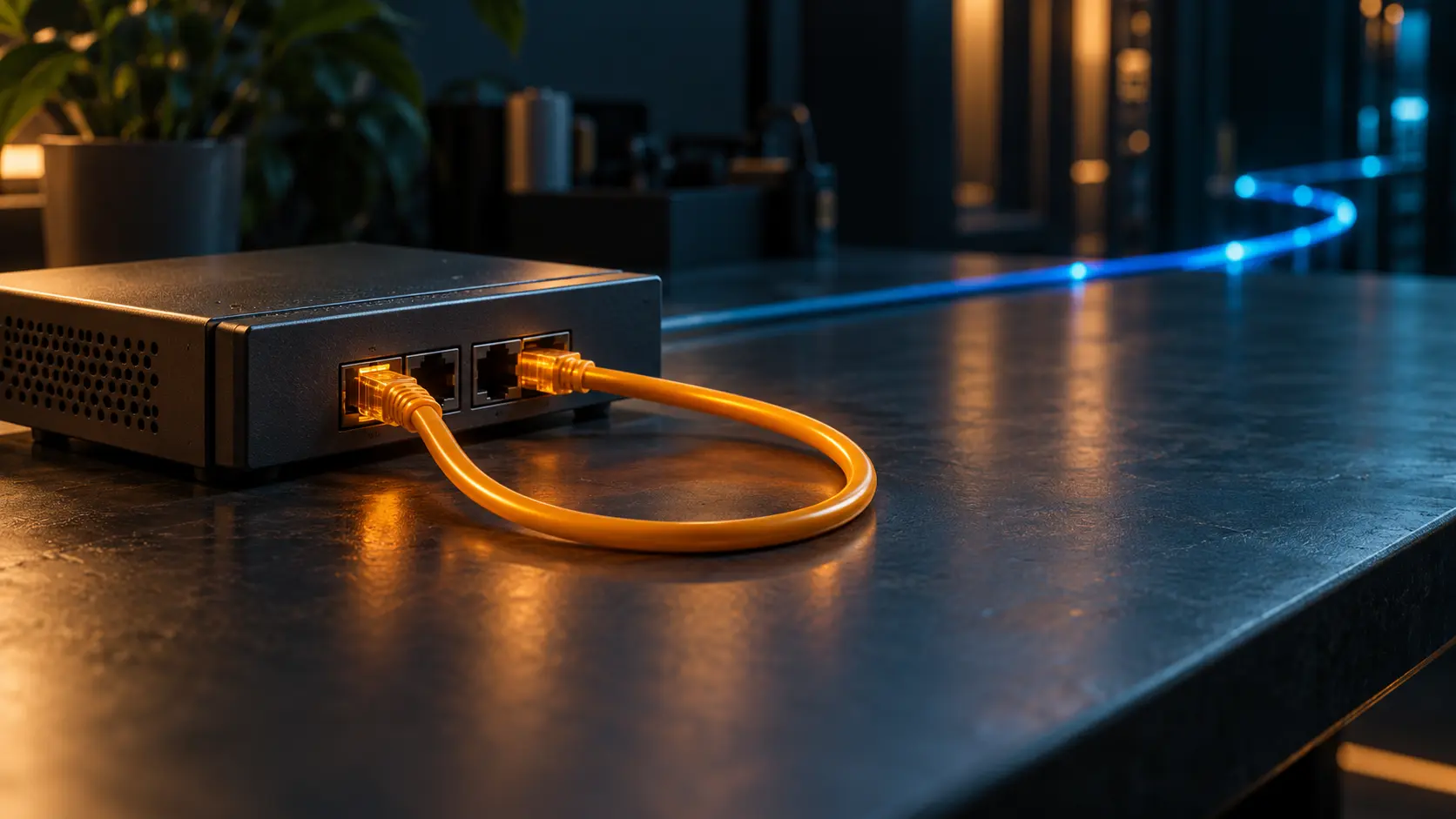
The Gateway That Points Back: A DHCP Draft Adds a Legacy-Client Escape Hatch
Version 03 of an individual Internet-Draft adds a conditional DHCPv4 Router Option for clients that require one: the host's own address or 127.0.0.1. The author says this should keep non-local IPv4 traffic on the host, but no published test yet shows how operating systems handle…
Creators
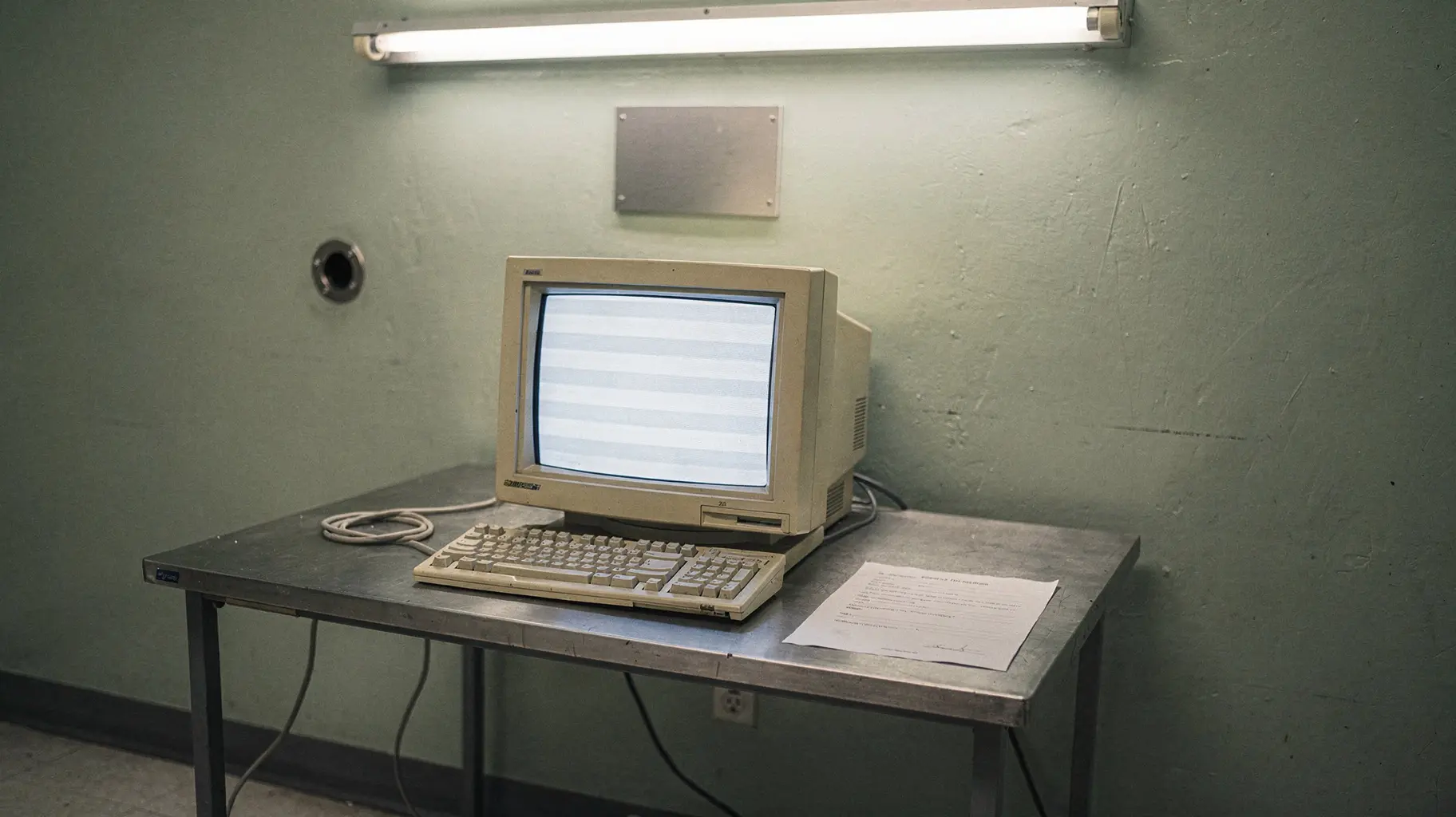
Archie made finding a file easier. Keeping it running was another job.
Alan Emtage's overnight shortcut became an early internet search service. Its commercial story is less mysterious than it sounds: the people searching and the people paying were not necessarily the same.

Europe and Middle East Institutional Trends
The CMA’s Microsoft case has two customer groups. Remedy design must reflect both
The UK competition authority’s proposed Microsoft designation groups five business-software activities. Its own purchase data shows why an ecosystem view can matter—and why the much larger population of single-activity buyers needs its own evidence in any later remedy.

History
The Password Sniffer That Put SSH on Port 22, 1995
A Finnish researcher’s account of stolen credentials led to a concrete replacement for remote login: first a beta program, then a registered port and a public source release. The sequence matters because SSH was already running before its protocol draft had any standing in the…

North America Cloud Services
Proofpoint’s Varonis bid tests the link between threat signals and data access
A security alert becomes useful when an organisation can connect the person or agent that acted, the data it could reach, the permissions that made the action possible, and the remedy that actually changed exposure. Proofpoint’s proposed purchase of Varonis promises to join more…

North America Cloud Services Trends
Proofpoint’s Varonis deal starts with an overlap inside data security
The signed acquisition joins products that already meet in discovery, access governance and remediation. Its value will depend on connecting that evidence to safe action without weakening the controls and customer choices already in place.

History
The UUCP Map Stayed Useful Because Its Users Maintained It
A volunteer-maintained directory helped UUCP sites find neighbors, contacts and mail routes. Its value depended on operators reporting changes: the shared map described the network, while each site still assembled its own routing view.

Academics
Wietse Venema made Postfix’s privilege boundary a deployment choice
Postfix does not treat root as an all-or-nothing property of the whole mail server. Its privileged master can prepare a service with access to the files it needs, then let most daemons give up root before they handle requests. A newer unprivileged-master option changes that…

History
SSL Worked Before It Had a Stable Reference
Netscape’s secure connection protocol reached commercial software while its public specification was still a vendor document and working draft. That sequence exposes a gap between deployment, an engineering description and a durable standards citation.

History
The LAN Bridge Chose a Root Before a Route: DEC’s Spanning Tree, 1985–86
A bridge could make two Ethernet segments look like one larger LAN, but a second physical path could send a broadcast around a loop forever. DEC’s answer joined a distributed algorithm to a shipping bridge in 1986. IEEE later standardized the same tree outcome through a different…

History
Squid Began as a Fork to Keep Harvest’s Cache Running, 1996
When the Harvest research project was winding down, its cache code still had work to do. Duane Wessels took the last pre-commercial version, continued it as a separate open project, and called the fork Squid.

History
The Mail Stayed on the Server; Pine Put the Reader at the Terminal, 1992
At the University of Washington, Pine began as a replacement for an administrative mainframe mail program. Its 1992 public release marked a new client; the mailbox could remain on a shared server.

History
The Source Shipped in March; Mozilla’s Independence Took Five Years
Netscape announced an open source plan in January 1998, but a source archive was only the first deliverable. Contributors still needed a way to build, combine and release their work; Netscape kept product and licensing rights that the public source did not erase. The Mozilla…