Summary
- By mid-June 2011, volunteers had transcribed 398,078 dish entries from 7,467 menus for NYPL's What's on the Menu? project.
- Small typing tasks made dishes searchable; links back to the menu images, careful interpretation and continuing upkeep made the results useful.
Tripe had an unexpectedly good internet moment in 2011. A report from the National Endowment for the Humanities described a search yielding hundreds of references in historic menus, stretching from 1885 into the early twentieth century. Someone interested in yesterday's dinner could finally pursue one ingredient across many pages. The stomach had entered the information age.
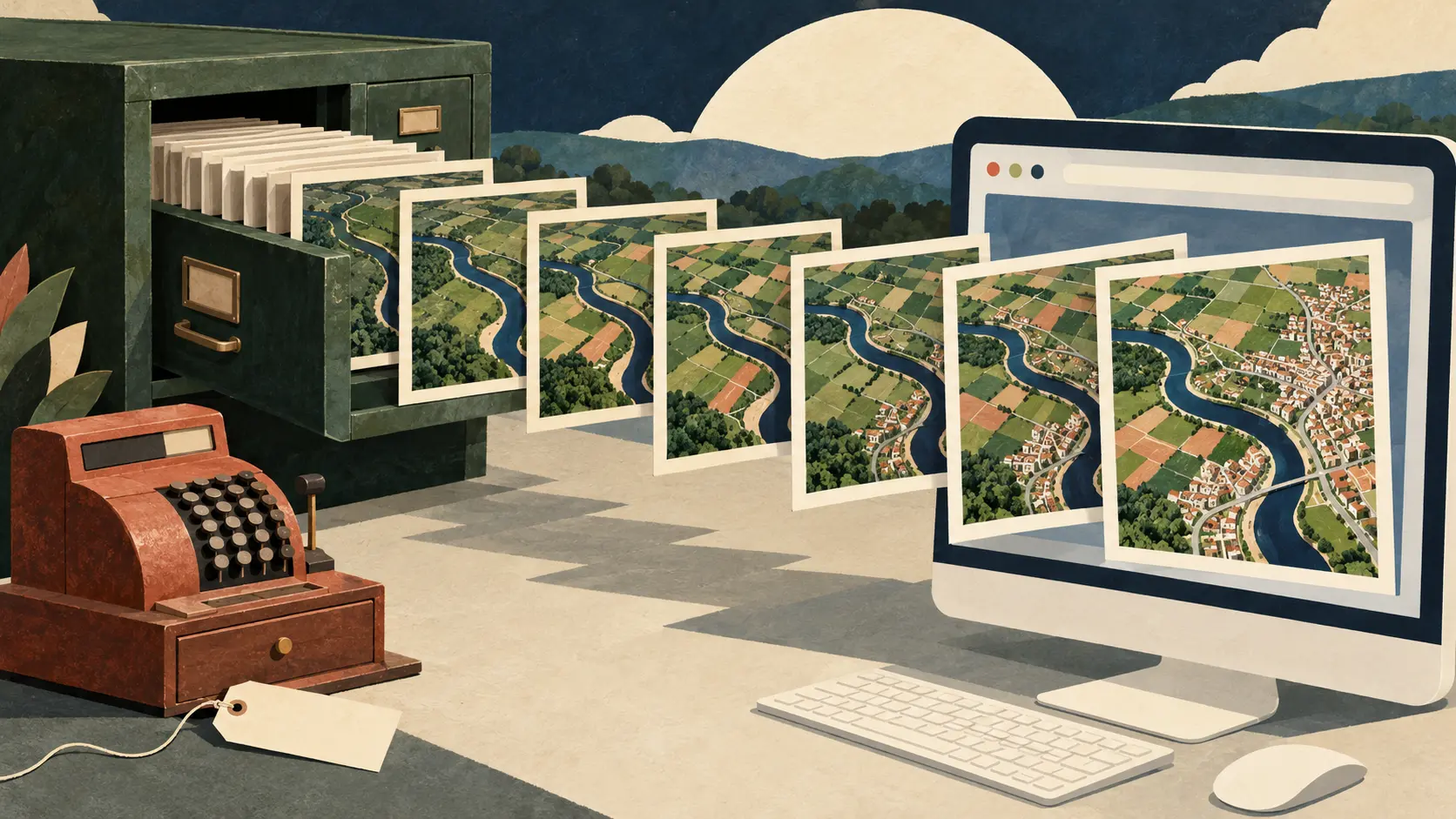
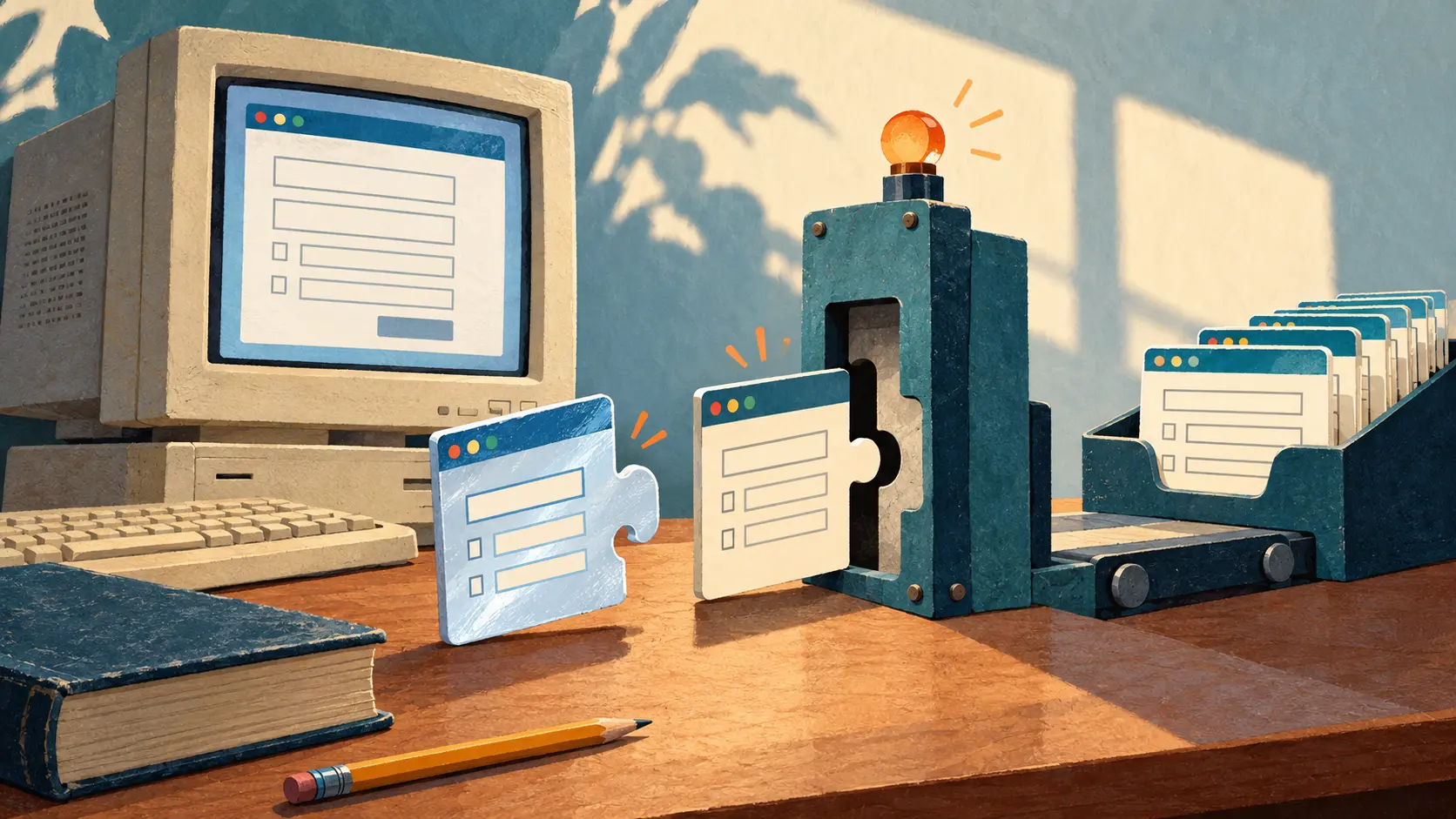
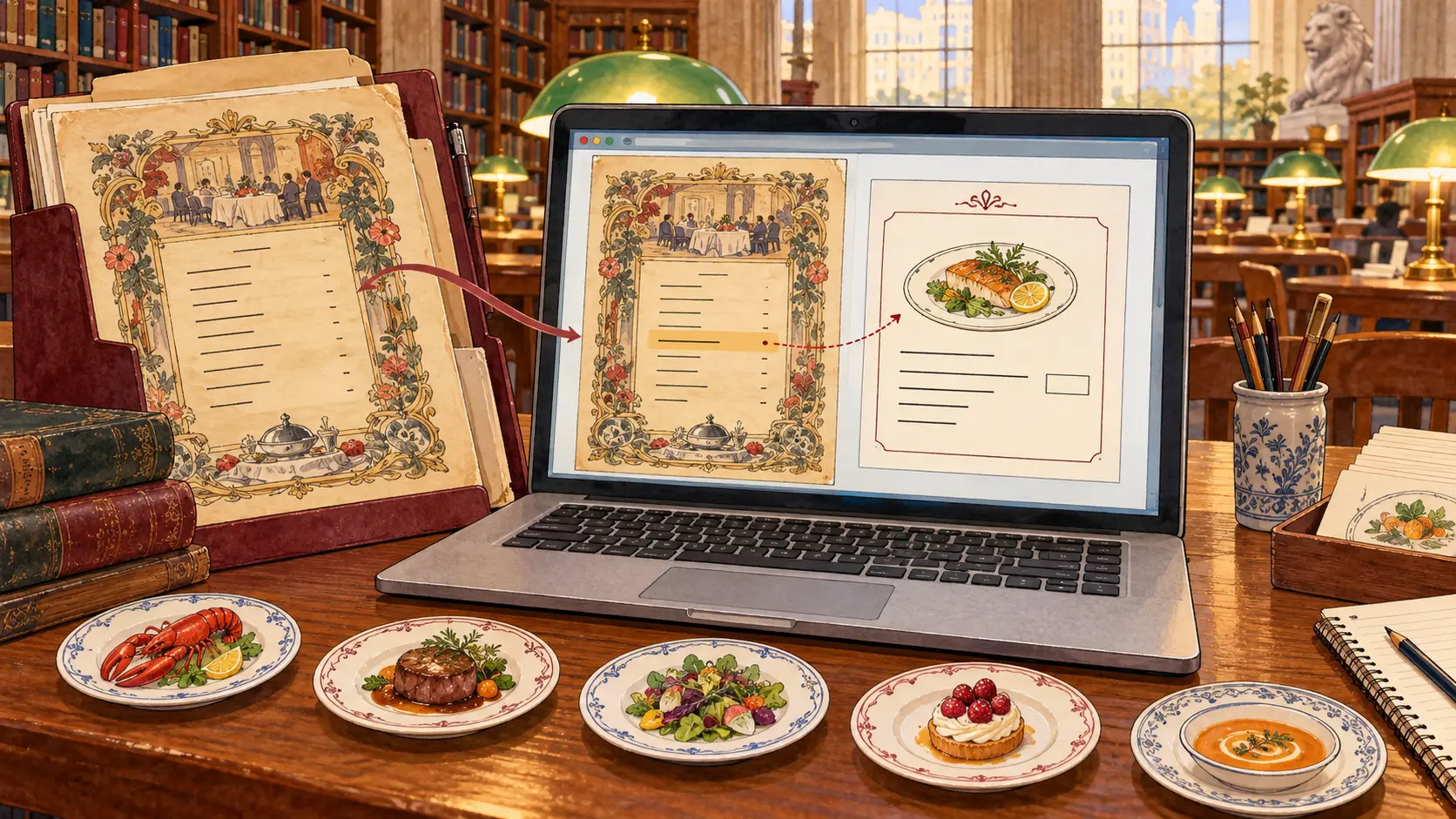
The New York Public Library had recruited the web to do something pleasantly specific. Look at an old menu. Type a few items. Leave. The institution's What's on the Menu? project fitted volunteer work into a task small enough to finish before enthusiasm cooled. Its interface put those contributions into a consistent, searchable form. By mid-June, the NEH's June 2011 account counted 398,078 dish transcriptions from 7,467 menus.
That unit matters. Each entry recorded a dish appearing on a menu. The same food could appear again at another dinner, another restaurant or another price. Repetition was useful: it gave researchers something to follow. A collection of attractive pages could now answer a more pointed question—where else did this dish turn up?
Typing supplied a new way into the archive. It also created a new obligation. A search result needed a route back to the piece of paper that supported it. The project's beta API documentation describes dishes connected to menus and pages, image addresses, and positions within scanned pages. A reader could move from an intriguing entry towards the original image and inspect its surroundings. Context survived the trip into the search box.
The documentation also offered downloadable CSV files on a fortnightly schedule. Researchers could take records away and work with them. Here the menu became an ingredient in somebody else's inquiry: a list to compare, a history to investigate, a suspicious transcription to check against the scan.
Some comparisons required more care than a spreadsheet invites. The documented highest and lowest prices applied to dollar amounts; other currencies had empty values there, with currency normalization left for future work. A missing year could reflect an undated menu or an entry awaiting an update. The date on the menu and the date a volunteer typed it belonged to different stories. Put the wrong one on a graph and lunch can travel through time.
By December 2011, the question of lasting responsibility was already on the table. In her firsthand CNI briefing abstract, NYPL digital program director Barbara Taranto described an initially popular project whose activity had flattened somewhat. She raised questions about quality, longevity and where the contributed data should live.
Those questions outlast the pleasure of adding one more dish. The volunteer could finish after a few keystrokes. The library inherited corrections, interpretation and custody. A search for tripe looked effortless because several kinds of work had been arranged behind it. The internet's dinner service depended on someone staying to wash up.
Member Briefing
Deeper Profile Context
Sign in with the right membership level to unlock the full briefing and source notes.
Only for Strategic Circle
Strategic Circle
Open to all readers. Unlock profile briefings after joining and signing in.
Join Strategic CircleOnly for Leadership Alliance
Leadership Alliance
For qualified IP-asset owners and management; sign in to unlock alliance briefings.
Join Leadership Alliance