
Region
United States
United States regional intelligence explains how companies, people, policy moves, network operations, investment signals, data centre demand, telecom execution, and market constraints shape infrastructure delivery in the same geographic market or governance area. The page connects published coverage with evidence, regional actors, operating dependencies, market context, and customer or regulatory exposure that may otherwise sit across separate topic or company pages. Readers can compare who is active, which signals are backed by public evidence, how local execution risk connects to broader internet infrastructure strategy, and what changes may affect customers, partners, regulators, or capital planning. Readers can understand the geography, the relevant infrastructure sectors, the public evidence base, and the practical questions that make the regional page more useful than a short listing of articles.

History
The FCC Wanted Your Opinion. And Your Phone Number.
In 1998, the FCC made it easier to submit comments over the Internet, then removed a requirement that made paper look unexpectedly attractive. The future of public participation had brought an extra box to fill in.

History
Four Million Patents Came Online. Bring Their Numbers.
In December 1999, USPTO brought a vast older patent collection onto the web. Finding a page and reading its words were still two different appointments.

History
The Internet Clock Had to Phone Home
NIST put the time on the Internet in 1993. Behind the service, an ordinary telephone line gave its servers a recurring appointment with reality.

History
MEDLINE Dropped the Search Bill. Patients Came Looking
Patients and their families were searching MEDLINE after free web access arrived in 1997. NLM responded by expanding its coverage of publications for the public, while librarians helped people learn the new tools.

History
Jupiter Took the Hit. NASA Retired the Postbag
As a comet battered Jupiter in July 1994, readers went hunting for pictures online. NASA chose the same week to announce that its routine news releases were giving up postage.

History
The Earthquake Report That Escaped Its Covers
After Northridge, USGS gave its research several lives: a printed volume, a web tour and files other researchers could use. The Internet was learning to do something more useful than put a book behind glass.

History
The Broadcast That Crossed Two Gateways Without Making Either One a Repeater
In a 1985 Cronus experiment, two distant Ethernet networks shared selected broadcasts through software on hosts. RFC 947 makes the placement of that software, and the price it imposed on a busy host, the interesting part of the story.

History
Students Sold Cupcakes for NetDay. Who Would Help Their Teachers Afterwards?
California’s 1996 school-wiring campaign made the work of connecting classrooms visible. The harder handover — from installing equipment to supporting lessons — was already emerging in the official record.
CASE FILE
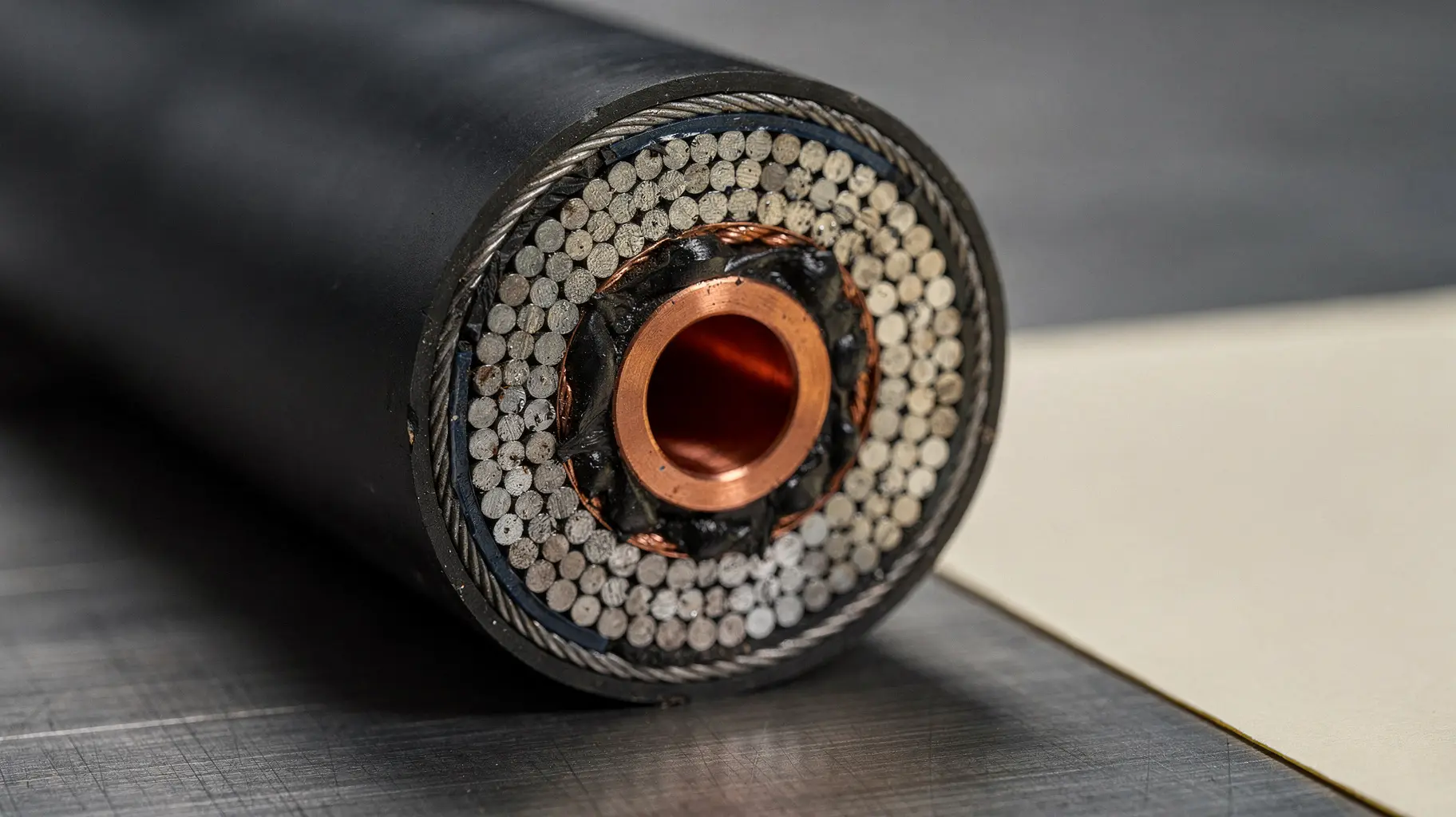
Two Registries, One Name: What STC Submarine Systems Still Answers For
A UK company record and a US number-registry entry both keep the name STC Submarine Systems alive. Only one of them names a party anyone can still be held to.
History
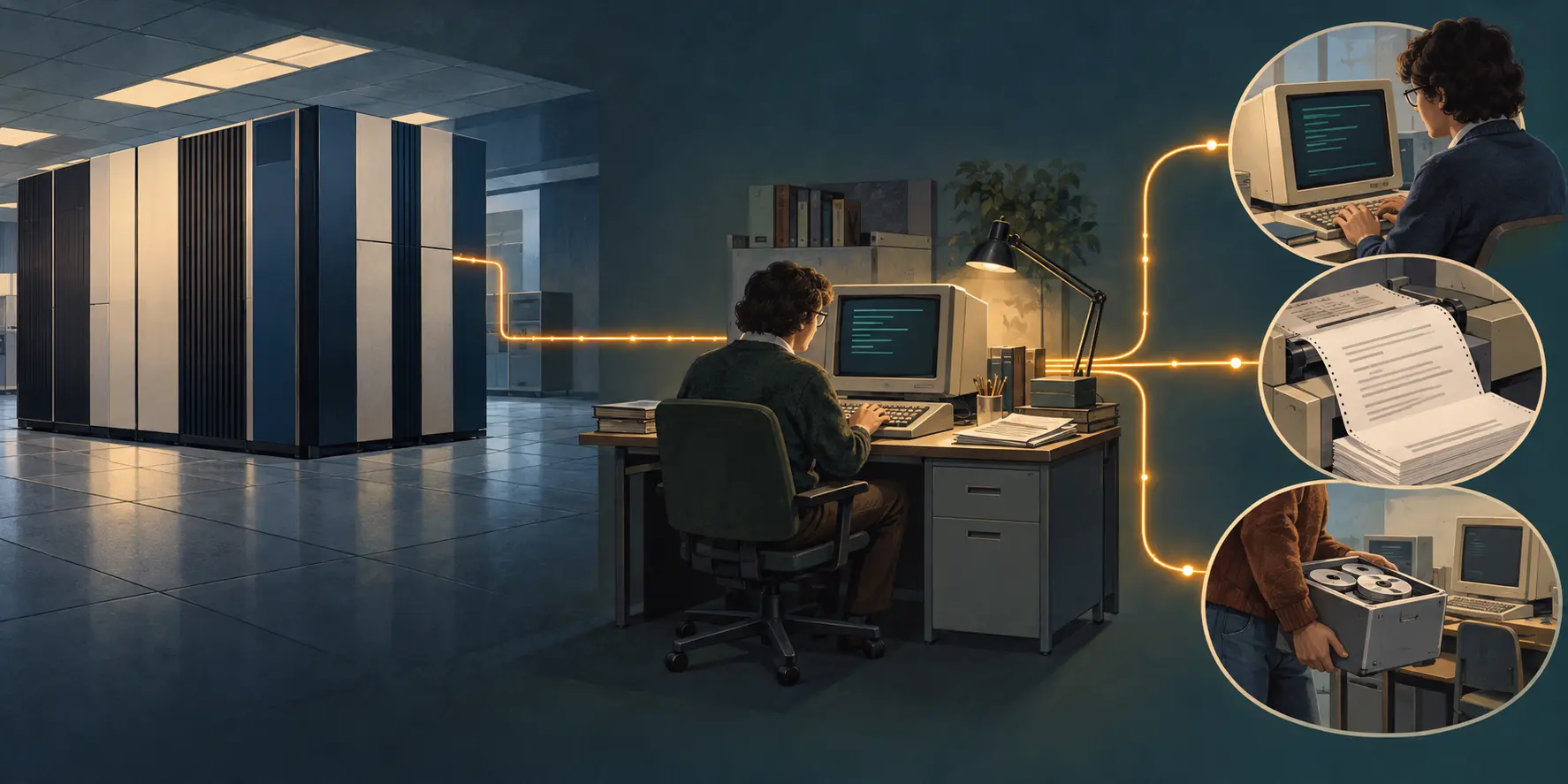
NSFNET’s Supercomputer Backbone Soon Carried More Than Supercomputer Traffic, 1986–88
NSF built an early 56-kilobit-per-second backbone to make remote supercomputing available to researchers. An official federal account says the traffic soon came to be dominated by ordinary network services: electronic mail, remote login and file transfer.
History
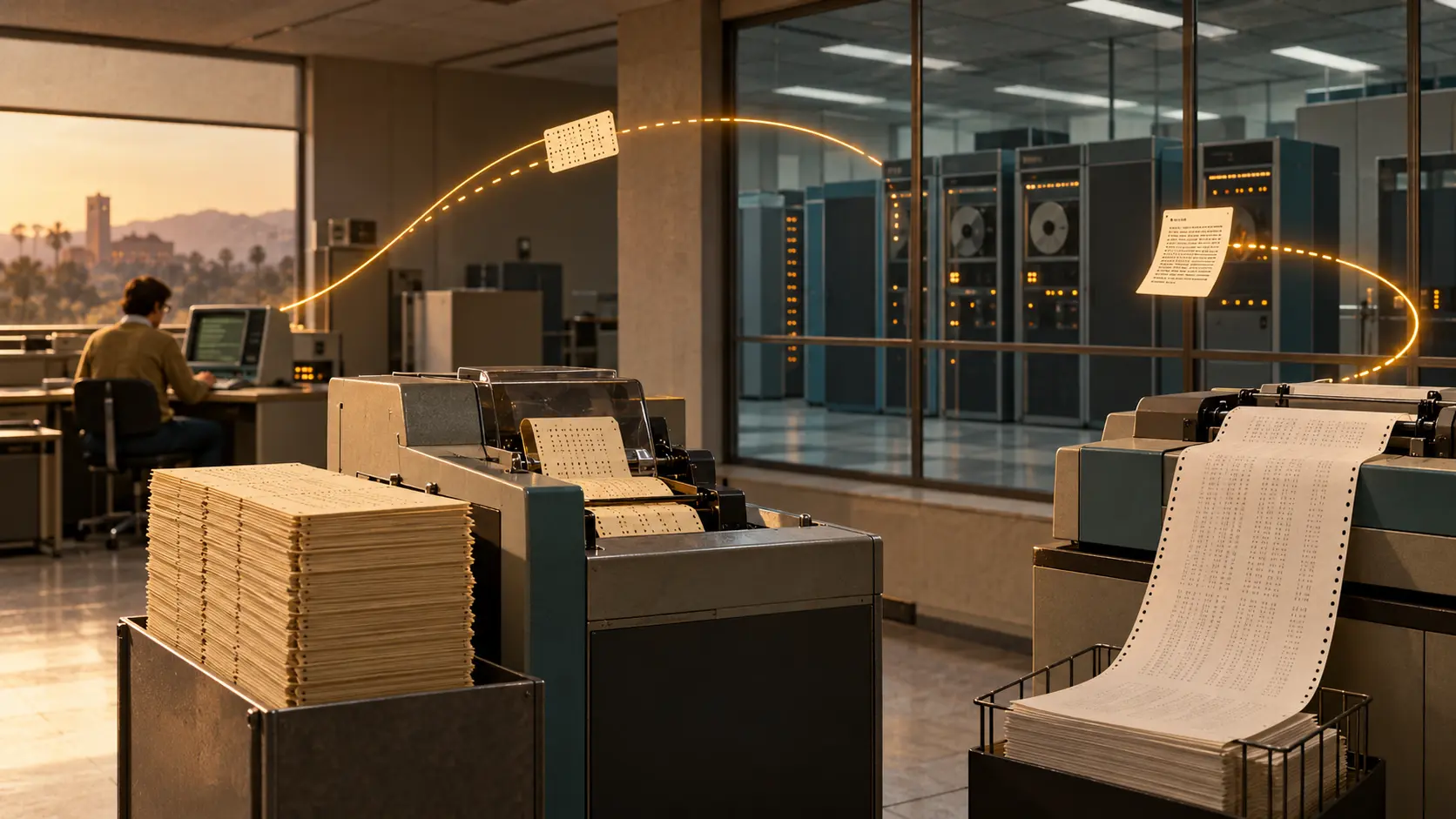
ARPANET Carried Batch Jobs to an IBM 360: UCLA’s NETRJS Service, 1977
A user could send a deck of card images across the network, let UCLA’s computer center run the batch, sign off and return later for the printout. NETRJS made that round trip a service, not merely a connection.
History
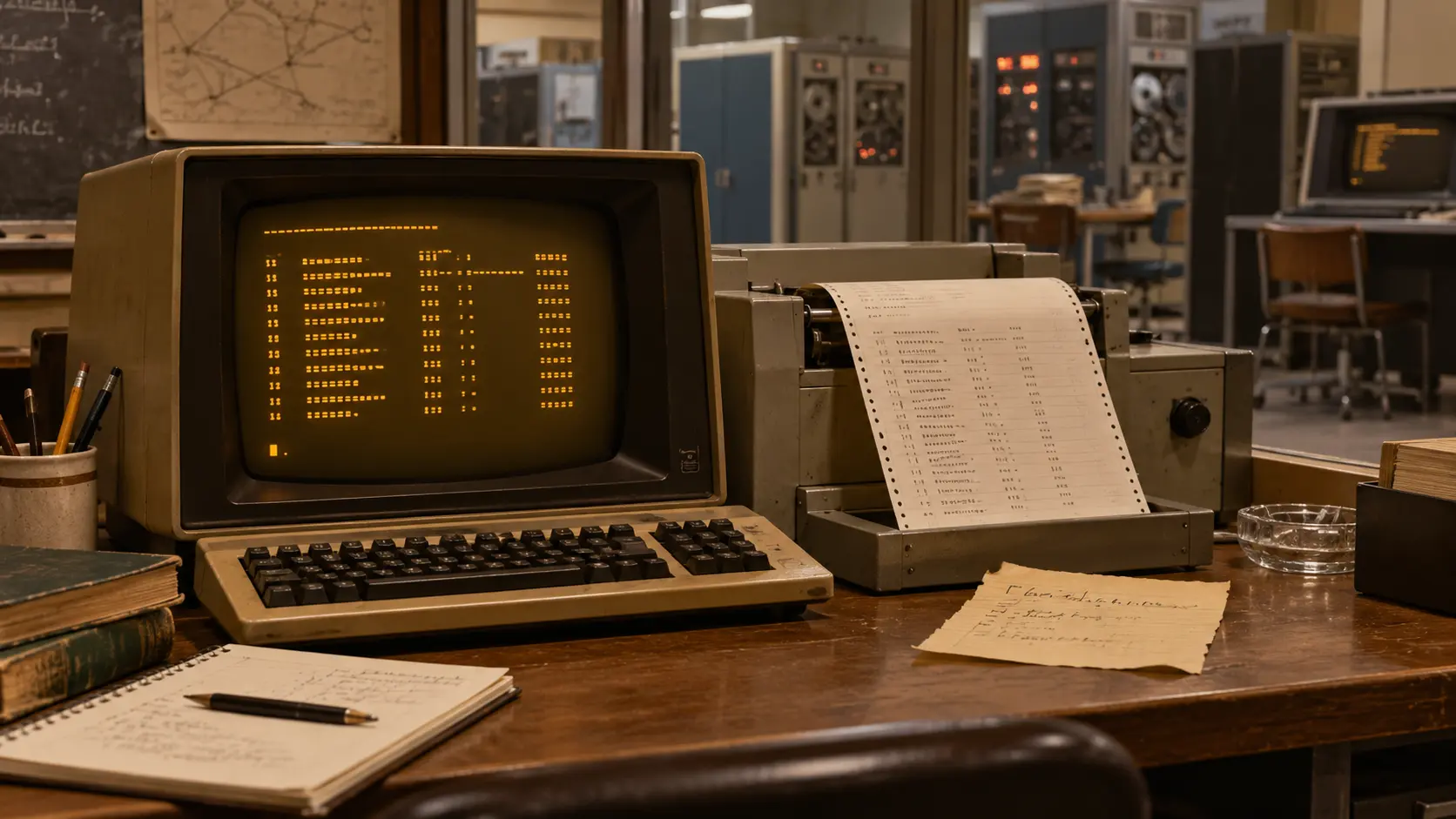
Before the Profile Page, a Remote User Could Ask Where You Were: NAME/FINGER, 1977
Before a profile page could follow you across a website, a bare network query could ask whether you were logged in, where your terminal sat, and what you wanted strangers to know while you were away.
History
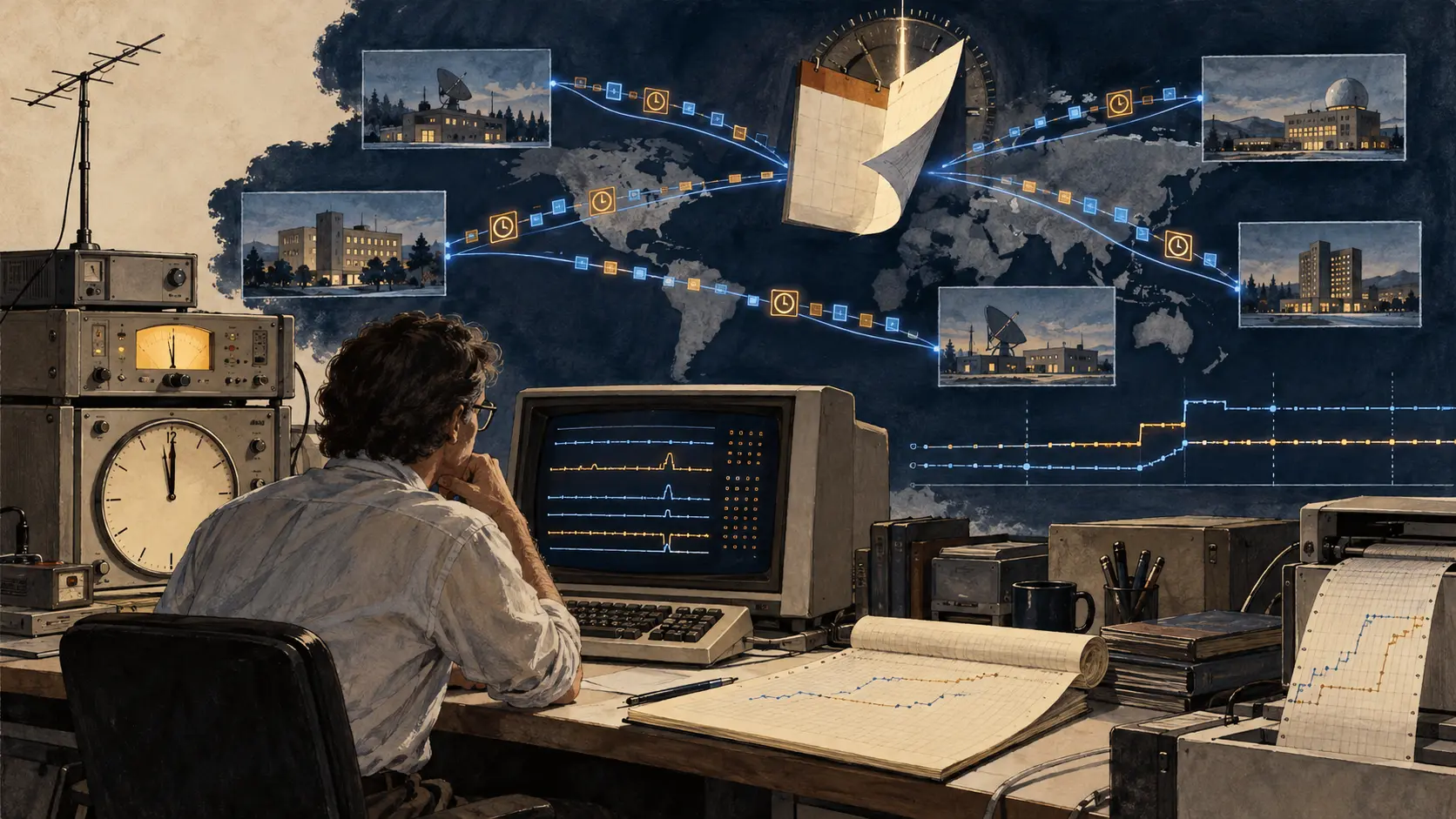
The Clock Trial Ran Through a Working Network: NTP’s 1985 ARPANET Experiment
A clock can display a number without agreeing with another clock. In 1985, the question was whether networked machines could keep time together while their links also carried ordinary traffic—and what a leap second would reveal about the answer.
History
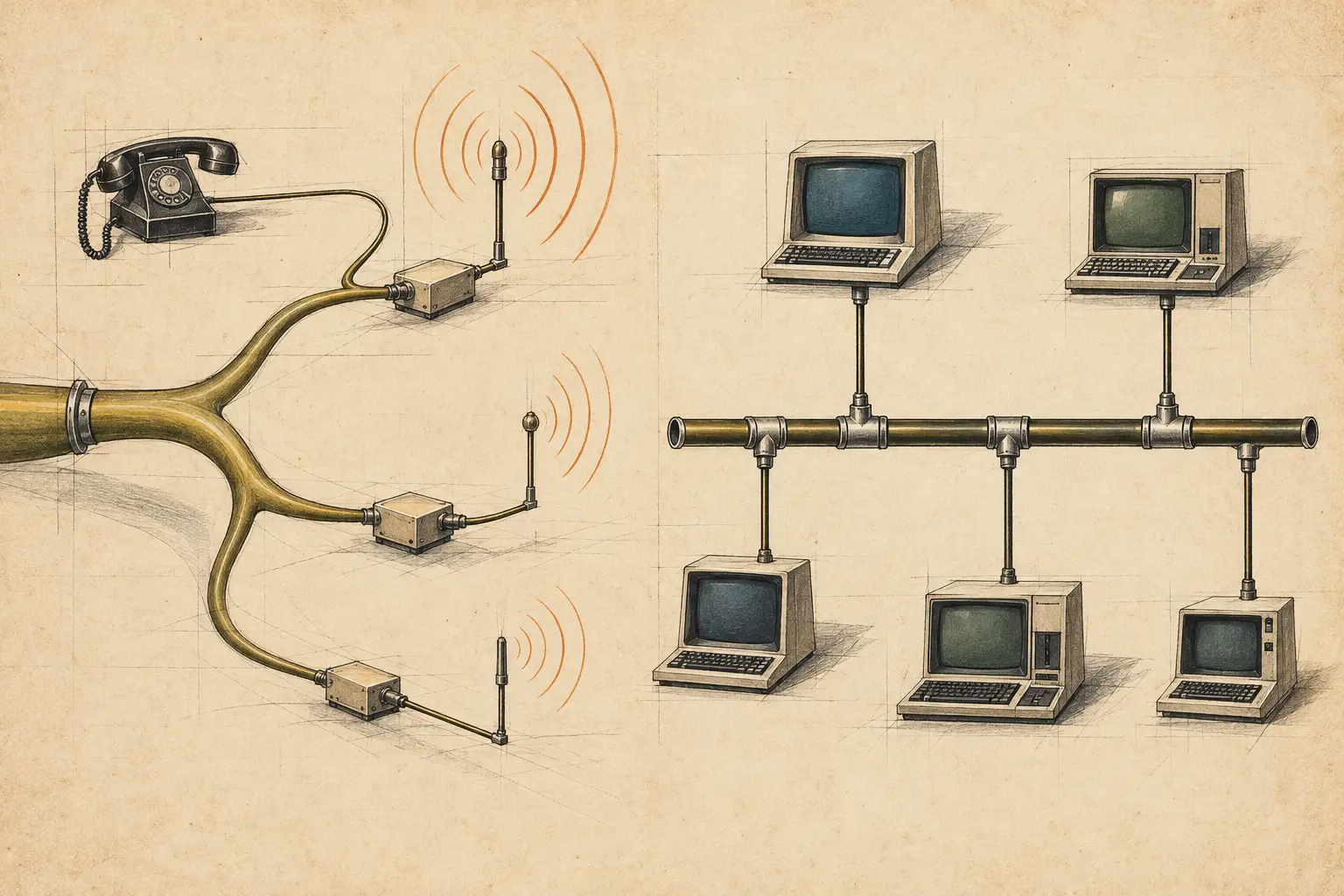
Ethernet Began with a Network Sketch. DIX Drew the Local Boundary
Ethernet’s 1973 proposal pictured more than a cable joining computers: it imagined “boosters” linking branched wire, telephone and radio media. Seven years later, Digital, Intel and Xerox published something deliberately narrower: a design reference for a local network’s…
CASE FILE
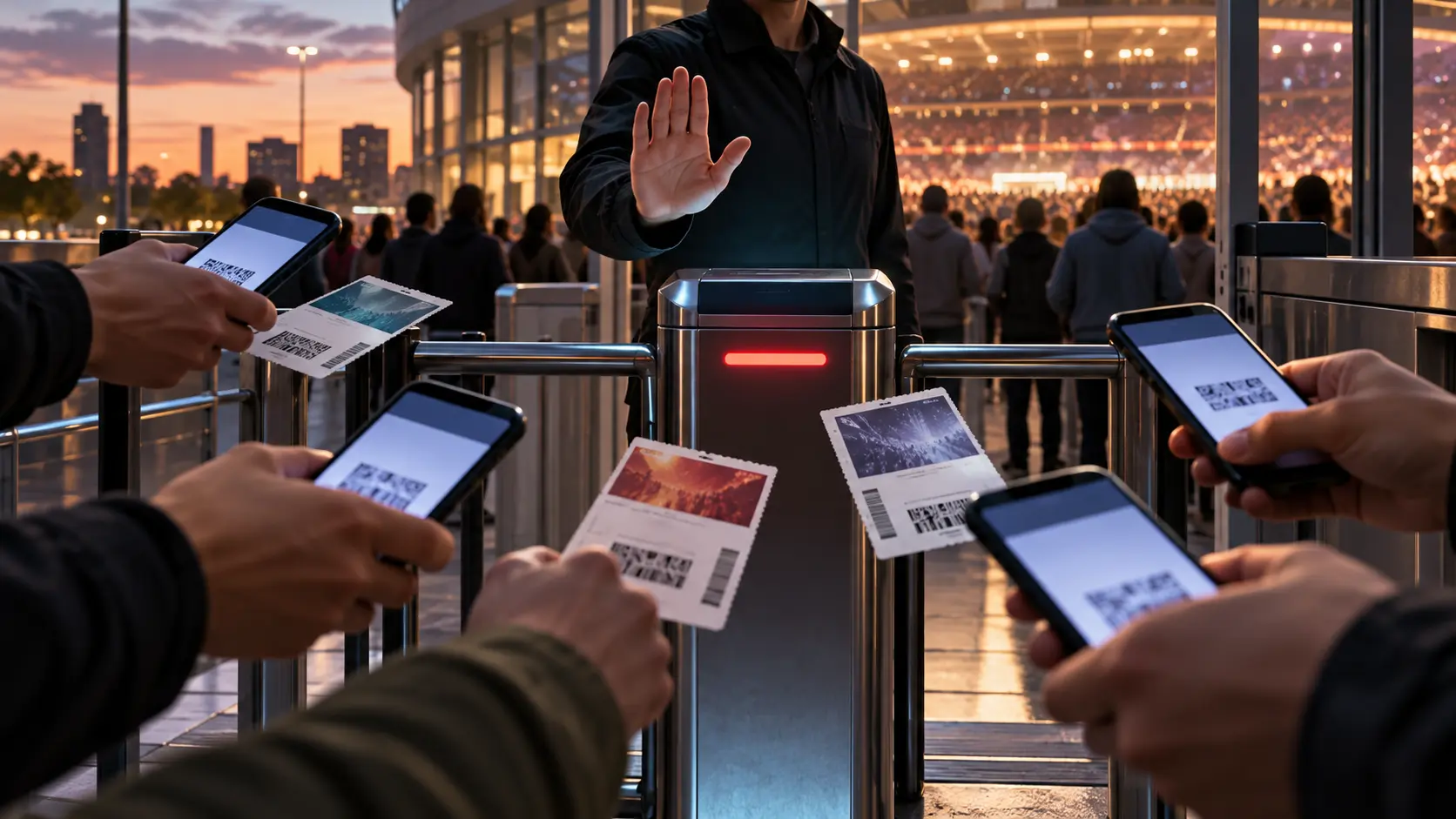
REPS case tests whether ticket limits can withstand account networks
The U.S. government has taken a ticket-broker dispute from checkout controls to federal court. The complaint says REPS & Company and three executives used networks of buyer accounts to get around event limits; the court has not decided whether those allegations are true.

North America Institutional Trends
SEC plan tests whether adviser controls can replace a federal rule
The SEC has proposed repealing a two-year compensation bar and its political-contribution recordkeeping companion. The docket remains open through 9 November, leaving the Commission to decide whether adviser-designed controls can carry a comparable burden of prevention and…
CASE FILE
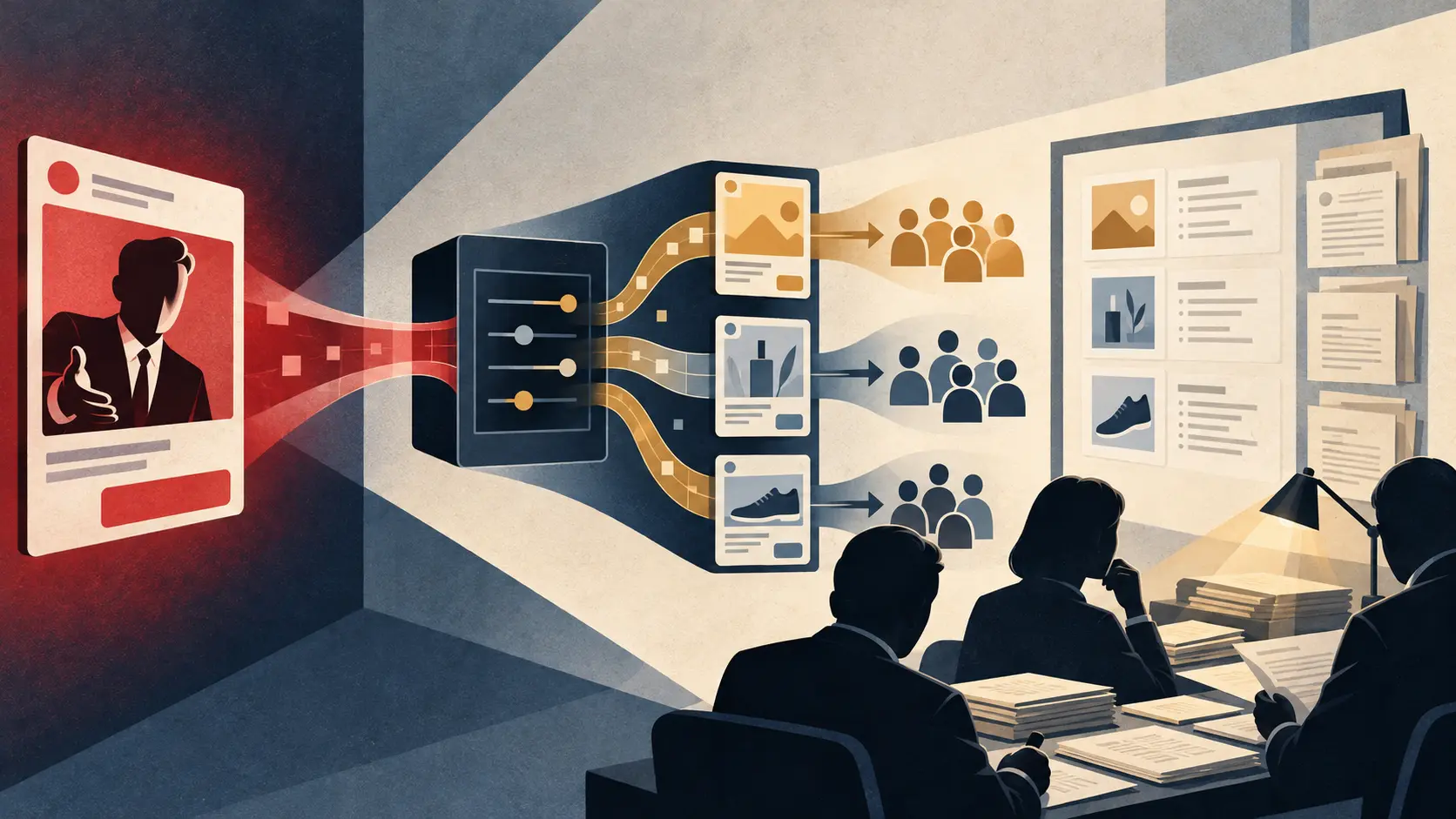
FTC asks whether platform ad optimisation furthers impersonation scams
The Federal Trade Commission is asking whether ad optimisation that helps impersonation scams reach consumers belongs inside its existing rule. The notice opens an evidence-gathering process; platforms have no new duty under it.
North America National Telecom
Frontier's conditions name four duties and specify none
The Verizon–Frontier transaction closed on 20 January 2026. The last approval on the public record attached conditions under four headings — affordability, service quality, infrastructure investment, and workforce and supplier diversity — and nothing obtainable turns those…

North America National Telecom Trends
The FCC’s new device rule reaches the online listing
The FCC’s October rule reaches beyond the manufacturer and into the online offer. Its new component and marketplace controls matter, but an FCC ID remains an authorization reference—not a complete supply-chain certificate.
CASE FILE
When one commissioner can speak for the SEC
An empty seat and a commissioner barred from one case are different problems. A new SEC rule brings them closer together—and a petition asks who will be able to check the result.