
Region
Russia
Russia regional intelligence explains how companies, people, policy moves, network operations, investment signals, data centre demand, telecom execution, and market constraints shape infrastructure delivery in the same geographic market or governance area. The page connects published coverage with evidence, regional actors, operating dependencies, market context, and customer or regulatory exposure that may otherwise sit across separate topic or company pages. Readers can compare who is active, which signals are backed by public evidence, how local execution risk connects to broader internet infrastructure strategy, and what changes may affect customers, partners, regulators, or capital planning. Readers can understand the geography, the relevant infrastructure sectors, the public evidence base, and the practical questions that make the regional page more useful than a short listing of articles.
Europe and Middle East Regional ISP Trends
Prime-Service: the price parity hiding two different access futures
Prime-Service’s public retail surface puts GPON and WiMAX beside one another at matching displayed price points, but with sharply different advertised speeds. That contrast turns an ordinary tariff table into a due-diligence question about technology, upgrade paths and who…

Europe and Middle East Institutional Trends
Power International-Tyres: the corporate ASN behind a physical distribution promise
Power International-Tyres: the corporate ASN behind a physical distribution promise intelligence summary explains the development, the public evidence available to readers, the organisations involved, the regional context, market exposure, and the infrastructure consequences that…
Europe and Middle East Regional ISP Trends
PKP Ferrit’s registry footprint makes operator identity a due-diligence question
PKP Ferrit’s public records connect a company name, an Internet-number allocation and an observed route origin. They do not collapse those layers into proof that one organisation currently controls every operational or contractual part of the service.

Europe and Middle East Institutional Trends
Piter-IX turns regional peering reach into a resilience question
Piter-IX presents a broad exchange footprint across Russian cities. That reach can shorten interconnection paths and widen choice, but a map is not yet a resilience proof: buyers still need to know which facilities, transport routes and operating processes can fail together.

Europe and Middle East Regional ISP Trends
SeaTelecom Nord-West’s shared routing boundary complicates customer continuity claims
SeaTelecom Nord-West’s shared routing boundary complicates customer continuity claims intelligence summary explains the development, the public evidence available to readers, the organisations involved, the regional context, market exposure, and the infrastructure consequences…

Europe and Middle East Regional ISP
Sotcom must make a legacy telephone relationship pay for modern continuity
JSC Telephone Company "Sotcom" has the shape of a local operator whose oldest asset is not copper or a switch, but the customer habit of paying one Ryazan communications bill for reachability; the economic test is whether that habit can still carry the labour, access, upstream…
Europe and Middle East Regional ISP
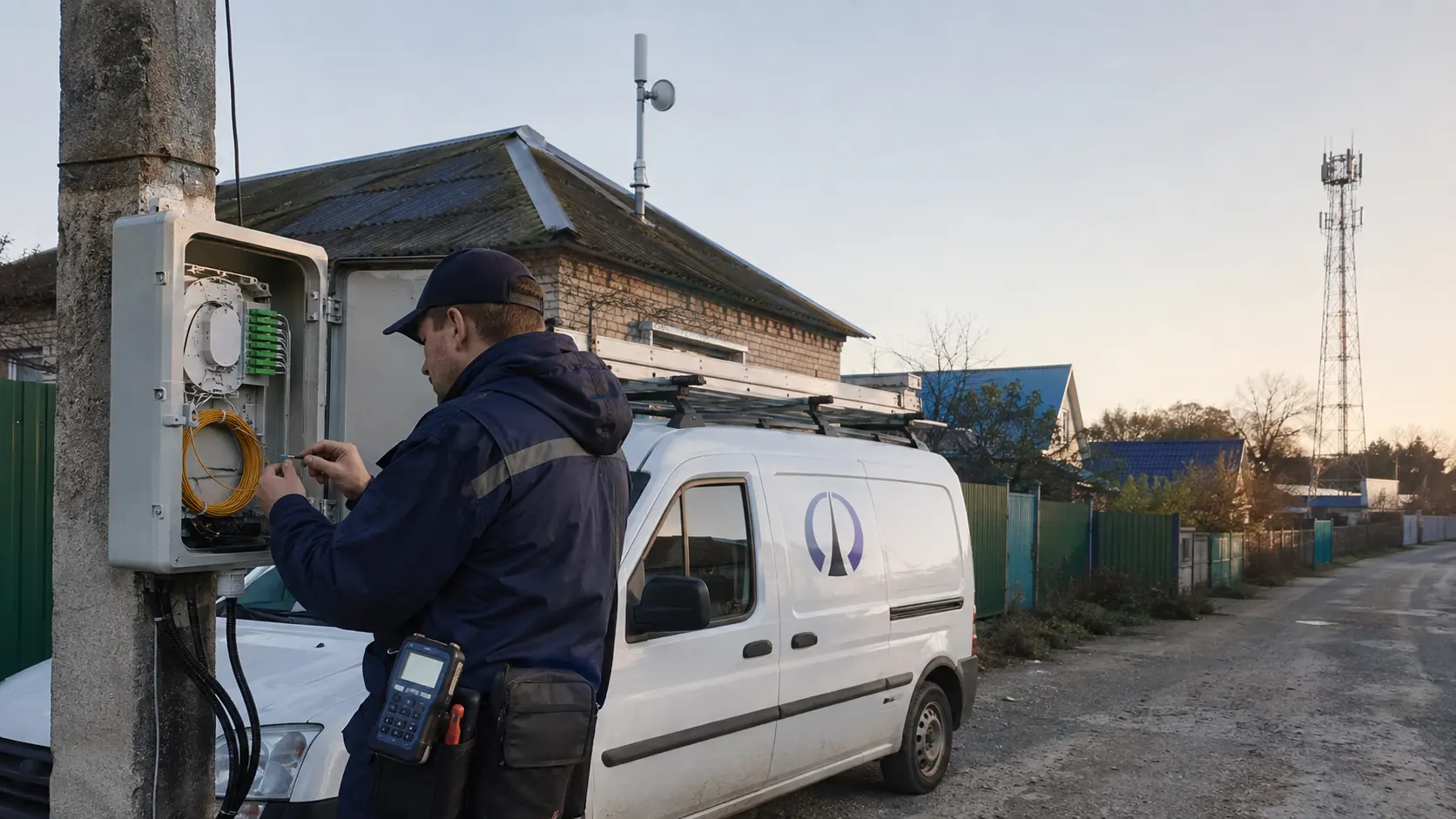
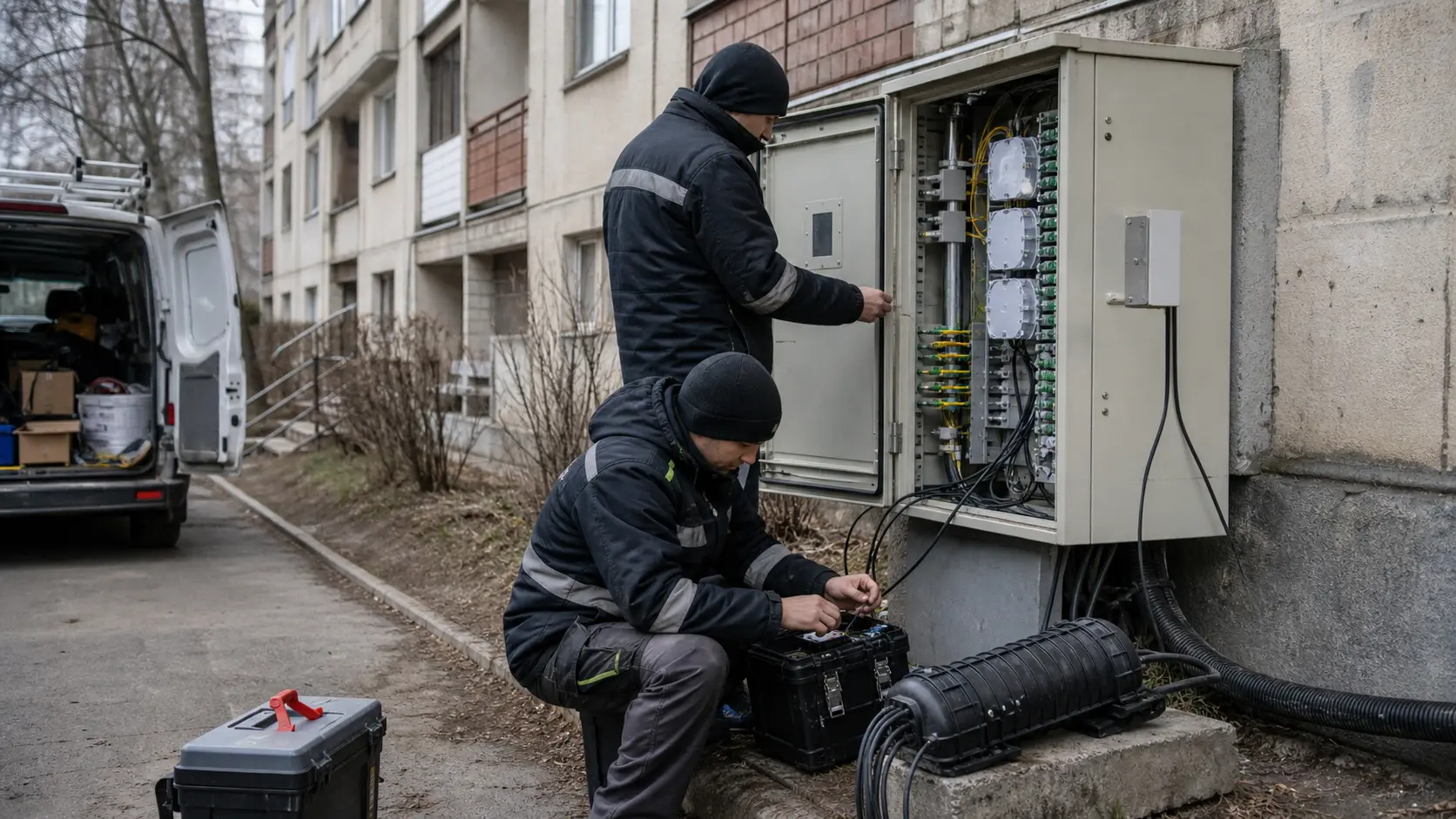
K-telekom must make local access density outrun repair and renewal costs
K-telekom LLC is best understood as a regional access-density business, not as a national telecom story: the economics turn on whether enough paying homes and small businesses can be won around each local node to cover installation, upstream capacity, support labour, churn…

Europe and Middle East Regional ISP
KEH eCommerce must prove Avito's technology footprint supports profitable transactions
The economics of KEH eCommerce are not hidden in a corporate slogan. They sit in the gap between a completed Avito order and the legal entity that can turn that order into repeatable margin: the Russian company that holds the operating revenue, routes part of the internet…

Europe and Middle East Regional ISP
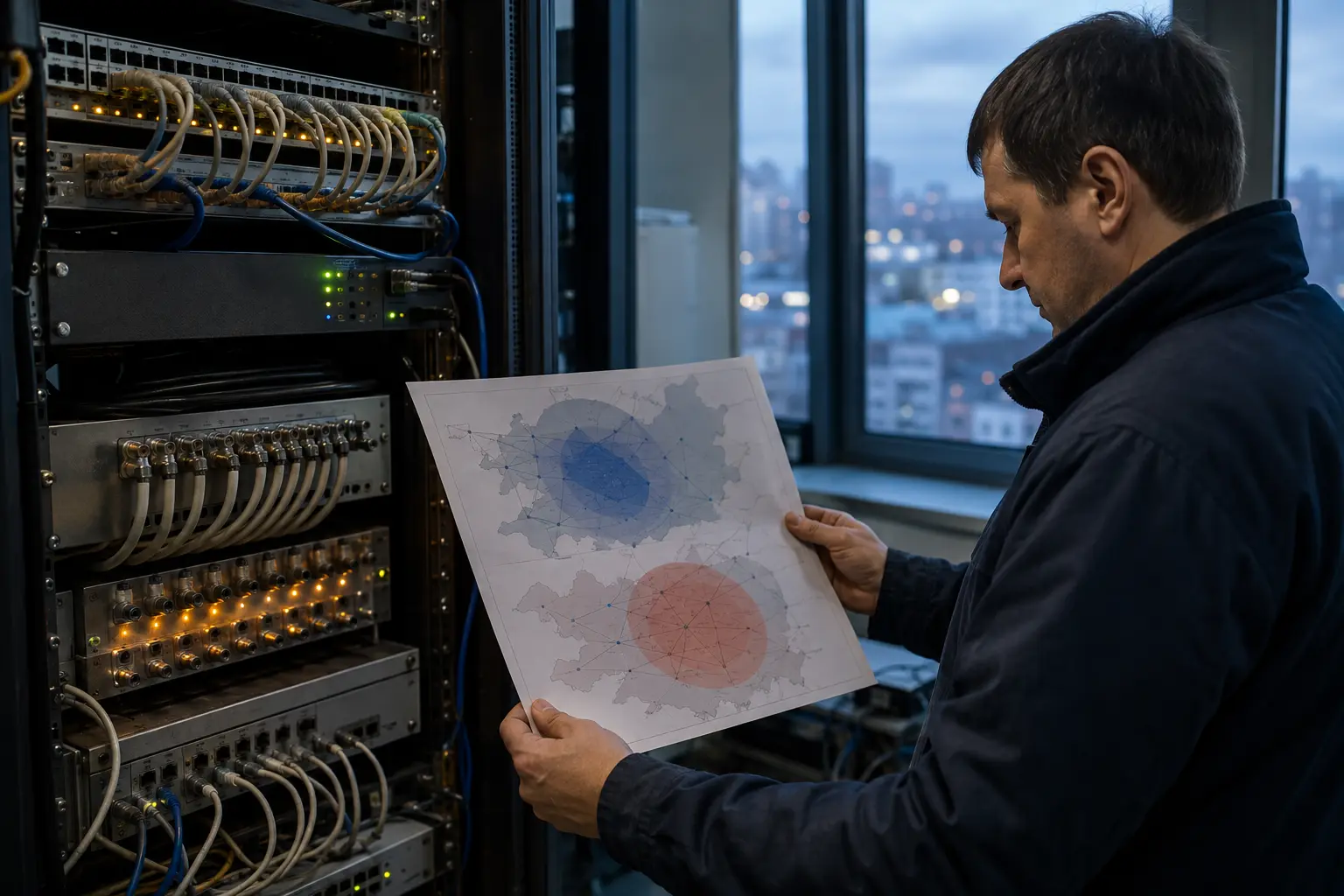
Kinescope must make video delivery economics survive hyperscale substitution
Kinescope LLC sells a deceptively simple promise: a business can store, protect, stream and measure video without building a video infrastructure department. The economic test is whether that promise remains worth paying for when every customer can price the underlying…
Europe and Middle East Regional ISP
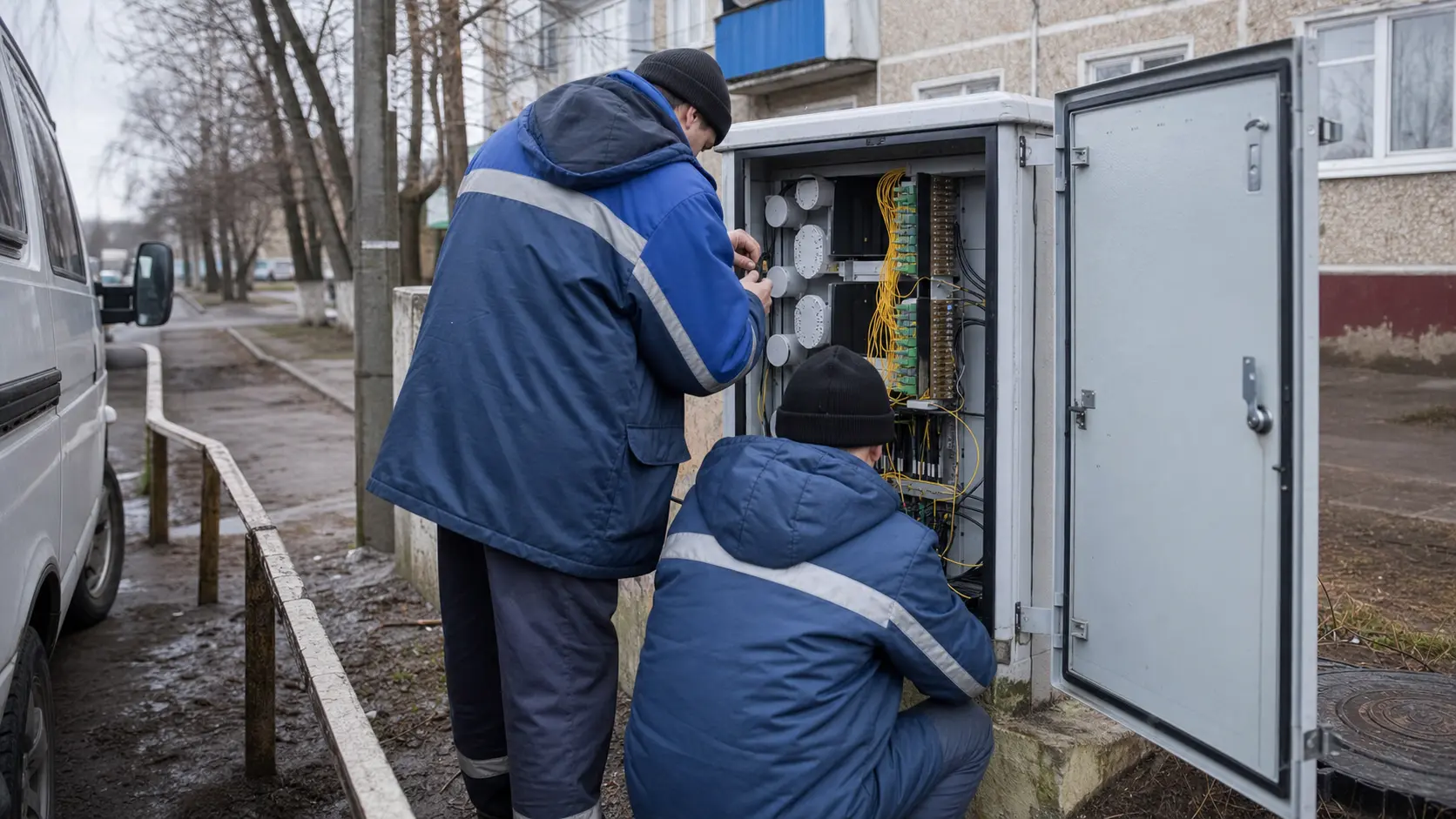
Kirzhachtelecom must make local repair speed pay for a small network
Kirzhachtelecom LLC looks less like a scale telecom story than a test of whether a small fixed-line operator can turn local knowledge, fast field response and district-level fibre reach into enough gross margin to cover upstream transit, support labour, winter repairs, churn…

Europe and Middle East Regional ISP
Kompeatelecom must turn reachable support into recurring margin
A recurring connectivity invoice is useful only if it leaves more than bandwidth resale after upstream transit, field work, renewal friction, abuse handling and customer support are paid. Kompeatelecom Ltd. has unusually visible routing evidence for a small Russian legal entity…

Europe and Middle East Regional ISP
Konsist-OS must prove captive enterprise software creates value beyond its payroll
A mission-critical workload is valuable only when someone can measure the failure it prevents, the labour it consumes, and the outside alternative it beats; that is the economic test for Konsist-OS, joint-stock company.

Europe and Middle East Regional ISP
Korporatsia STS must make infrastructure responsibility worth more than commodity capacity
Korporatsia STS must make infrastructure responsibility worth more than commodity capacity intelligence summary explains the development, the public evidence available to readers, the organisations involved, the regional context, market exposure, and the infrastructure…
Europe and Middle East Regional ISP
KrasPromStroy must show that its technology footprint belongs to a billable operating business
KrasPromStroy, LLC looks at first like a regional network operator with enough public evidence to clear the existence test: a Telecoma/RightSide retail brand, Krasnoyarsk offices, communications licences, consumer tariffs, business add-ons, support channels, mobile apps…
Europe and Middle East Regional ISP
Lankey must make managed technology accountability survive cloud substitution
LANKEY INFORMATION TECHNOLOGIES LLC sits in the hard middle of Russian business cloud demand: customers need local infrastructure, software continuity and accountable engineering, while the cheapest substitutes keep turning more of that work into commodity compute, per-seat SaaS…
Europe and Middle East Regional ISP
Lanport-S must make each local connection fund the next repair cycle
Lanport-S LLC looks like a small Moscow access operator, but the economics behind each connection are larger than the monthly tariff suggests: every household, office and building connection must carry upstream reachability, local field work, support availability, router…
Europe and Middle East Regional ISP
Moscow Energy Communication Node must make utility fibre earn beyond the grid it protects
One kilometre of fibre on a power line is not the same economic entity as one kilometre of fibre in a retail broadband build. Moscow Energy Communication Node's public problem is to turn communications assets built for electricity-system reliability into outside revenue without…

Europe and Middle East Regional ISP
Severstal-infocom must prove captive industrial IT creates more value than it consumes
Joint stock company "Severstal-infocom" sits at a harder economic junction than a normal software contractor: its best customer is its own industrial group, its strongest product claims come from steelmaking operations, and its public accounts show that a large technology staff…

Europe and Middle East Regional ISP
Smartkom Must Make Local Network Density Pay Before Renewal Capital Arrives
Joint Stock Company Smartkom has the public shape of a serious local operator: a routed network, a B2B-first service catalogue, corporate access products, residential fibre offers, Wi-Fi authorization, video, telephony, IT support and a small data-centre proposition in Omsk. The…

Europe and Middle East Regional ISP
Telega must turn an observable network footprint into defensible customer economics
Telega's public record does not support a simple regional ISP story. It supports a narrower, more fragile one: a Kazan software company tried to turn a Telegram client, proxy capacity, app-store distribution and a newly visible internet number footprint into a paid reliability…