Summary
- Core Scientific's Form 10-Q for the quarter ended 30 September 2026 defines the measure it uses to monitor signed customer commitments and contracted backlog as Leased Customer Power Capacity — power committed under executed contracts, whether or not service has begun — and reports 1,120 MW leased against 485 MW billable.
- The filing's only dollar schedule of customer receipts is a $7,484,422 thousand operating-lease maturity table which, under ASC 842, presents undiscounted cash flows and excludes $1.8 billion of uncommenced CoreWeave payments on 12-year initial terms and the roughly 530 MW of uncommenced AMD/Neocloud leases.
- The $24 billion that anchors the equity story comes from the 28 July 2026 earnings release, where it is “potential contracted revenue” attached to approximately 1.1 GW. Three populations, three units, and no published arithmetic that joins them.
Divide the $24 billion by anything and the answer is already wrong. Divide it by annualised colocation revenue and you have compared a multi-year cumulative figure against a run-rate. Divide it by megawatts and you have converted a “potential” label into a realised unit price. Discount it and you have invented both a discount rate and a start date that the company did not supply. The number is not a mystery; it is a different kind of object from the ones it is routinely lined up against.
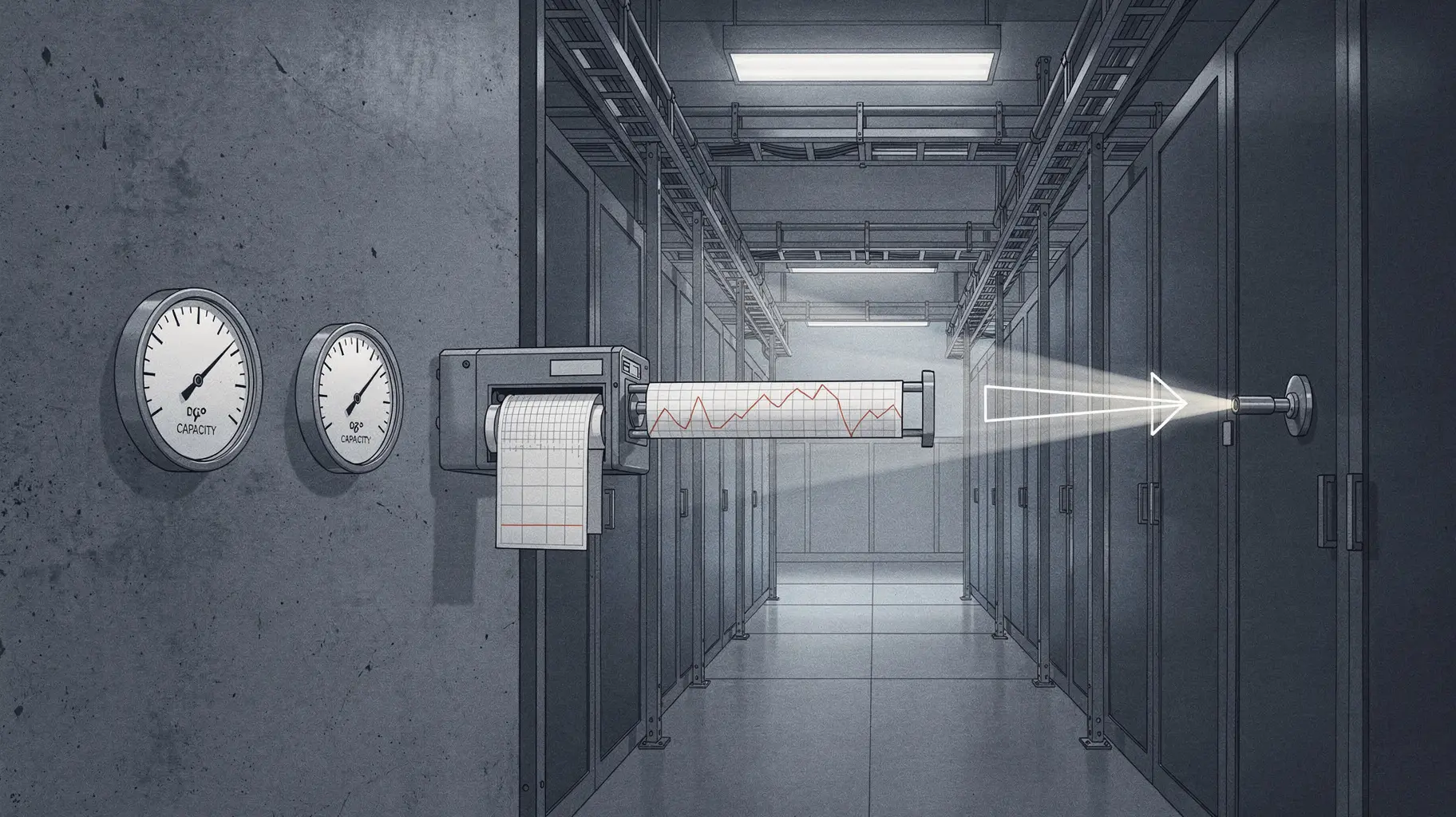
Core Scientific's own disclosure makes that plain, and it does so in three places that never quite meet.
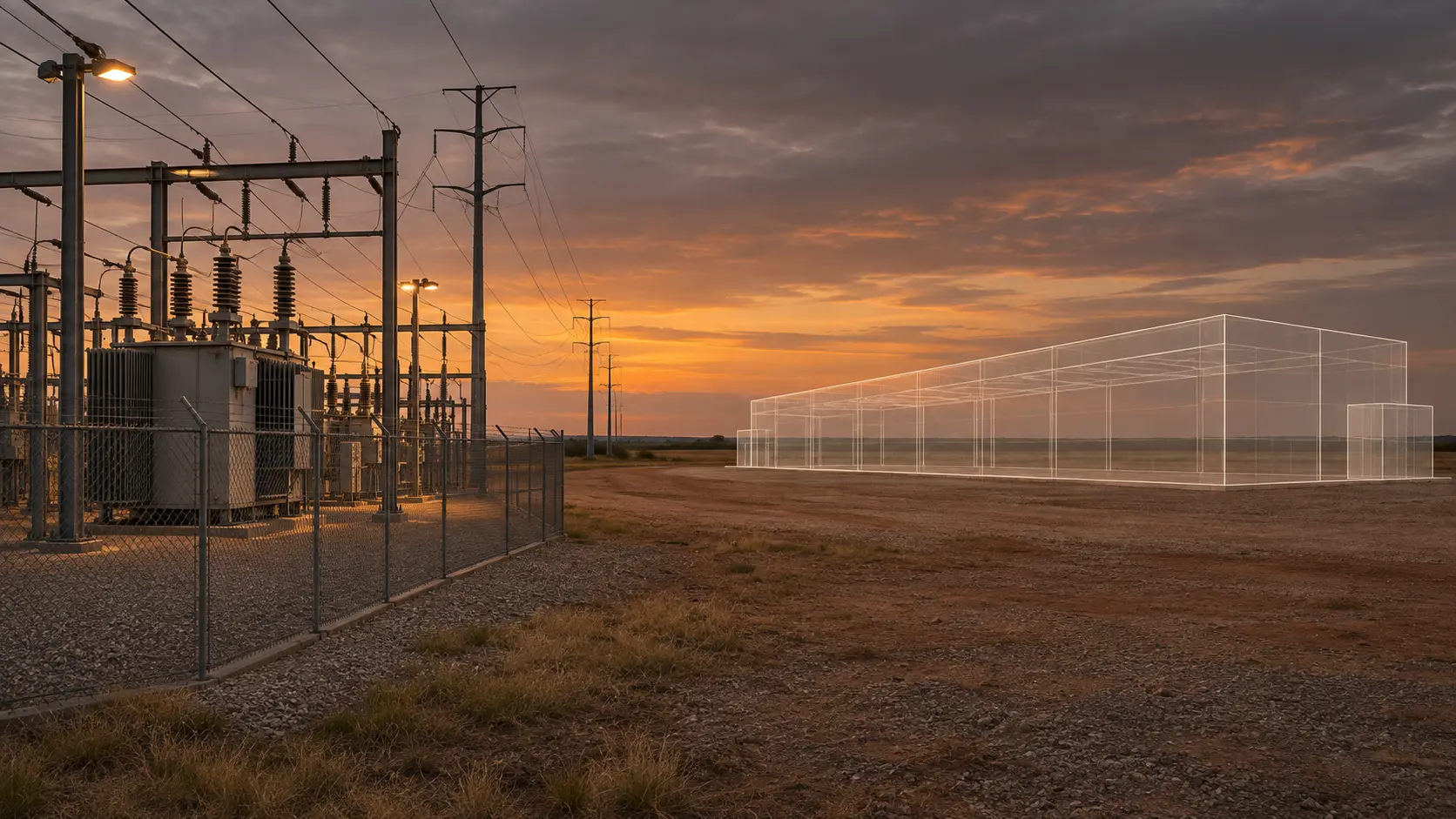
The definition is in megawatts. The September quarter Form 10-Q defines Leased Customer Power Capacity as “power capacity that is committed to customers under executed customer contracts,” regardless of whether service has commenced, and states that management uses the measure to monitor signed customer commitments and contracted backlog. At 30 September 2026 that was 1,120 MW leased and 485 MW billable. The gap between them is the contracted capacity still being built, commissioned or accepted — a construction schedule expressed as capacity, not a revenue figure.
Note the filing's own description of the terms: Colocation contracts generally span 10 or more years. A megawatt number multiplied by a decade is not a disclosure. It is a modelling exercise with two unstated assumptions, price per kilowatt and occupancy over time.
The dollars are in a lease-maturity table. The filing reports $7,484,422 thousand of future operating lease payments expected to be received. That table is a maturity analysis, and the standard behind it is specific: ASC 842-30-50-12 requires an operating lessor to show the undiscounted cash flows to be received, annually for at least five years and in aggregate thereafter. Core Scientific's filing does not print the word “undiscounted” beside its table; the classification rests on the rule the table is prepared under. If the filing ever said otherwise, the reading would change with it.
Undiscounted matters because it fixes what the number can be used for. A nominal sum of rental payments across a decade-long term is a calendar, not a valuation. The same total discounted at any rate a lender might choose becomes a materially smaller present value, and the gap widens with every year of term. The company's annual report supplies the policy mechanics: colocation arrangements bundle lease components for data-centre space with non-lease components for power delivery, security and maintenance; because the lease components predominate, the combined component is accounted for as an operating lease and recognised straight-line over the non-cancellable term, with extension options excluded unless exercise is reasonably certain. Variable power-delivery, maintenance and certain reimbursement amounts sit outside that measurement and are presented gross in colocation revenue.
Two consequences follow, and both are easy to lose. The table covers the non-cancellable term only, so options that a customer will probably take are worth nothing in it. And the variable side — the power pass-through, which for a colocation landlord is not a rounding error — is excluded from the fixed schedule and appears in revenue instead.
What the table leaves out is the largest part of the story. The same Form 10-Q discloses that its tables exclude $1.8 billion of future noncancellable CoreWeave operating-lease payments for leases that had not commenced as of 30 September 2026, with initial terms of 12 years from commencement. It also discloses that leases covering approximately 530 MW signed with AMD and neocloud customers — 15-year terms carrying three five-year options — had not commenced, and that related amounts were not included in the tables. AMD's additional 1,925 MW reservation right is described as non-binding, which means it is not contracted capacity at all.
The exclusion is not a reporting defect; leases that have not commenced do not belong in a maturity analysis of payments to be received. But it does mean the $7.48 billion is a schedule of the installed, running book, not of the signed book. Anyone who treats it as the total of what Core Scientific has sold will understate the portfolio by the two blocks the company just described.
Then there is the press-release number. The second-quarter release of 28 July 2026 stated that approximately 1.1 GW of leased customer power capacity represented “more than $24 billion of potential contracted revenue,” including more than $14 billion of potential base contracted revenue tied to approximately 530 MW of AMD/Neocloud agreements. That sentence is doing four things at once: it prices capacity rather than reporting cash flows, it spans an unstated horizon, it labels itself potential, and it is dated to a different day than the 1,120 MW in the quarterly filing.
The same release gave the run-rate that is most often conflated with it: billing for 437 MW represented approximately $635 million of average annualised colocation GAAP revenue. By the third-quarter release of 5 November 2026, 485 MW of billable capacity represented more than $700 million of average annualised colocation GAAP revenue. That is a rate per year on the billable base, and it repeats the megawatt definition of the backlog measure. It is not a lifetime total, and the third-quarter release does not state a single total dollar amount for contracted-revenue backlog at all.
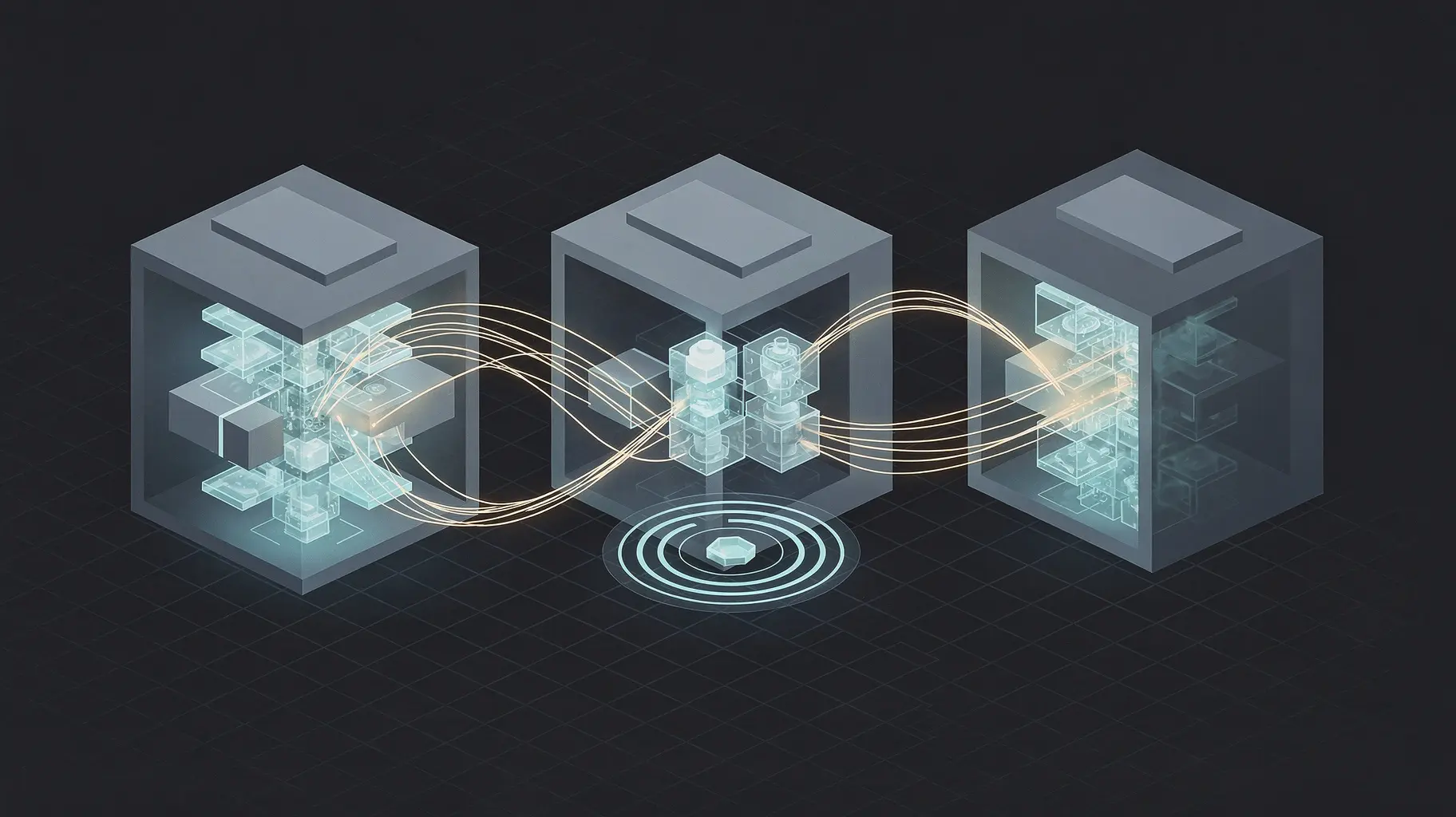
So the arithmetic trap is set precisely. A reader who puts $7.48 billion next to $24 billion will conclude either that the company has disclosed two contradictory backlogs or that one of them is four times the other for no reason. Neither is true. The $7.48 billion is undiscounted payments under commenced operating leases. The $24 billion is a potential figure spanning uncommenced agreements priced over an unstated horizon. The $700 million is twelve months of billable run-rate. Each answers a different question: what is contractually owed on running leases, what has been signed but not yet built, and what the running leases are earning now.
One further distinction belongs here, because it is the one a supplier or a lender will test first. Core Scientific is a lessor in these arrangements and a lessee in others. Its Form 10-Q separately reports its own future minimum obligations — $137,487 thousand of operating-lease payments and $1,101 thousand of finance-lease payments before imputed interest, reconciling to $103,734 thousand and $892 thousand after the imputed-interest deduction. Those are what it owes, not what it is owed, and they belong on the other side of any netting a reader is tempted to perform. The EDGAR filing index lists the September quarter Form 10-Q as filed on 5 November 2026.
What survives all of this is a company whose disclosure is considerably more careful than the shorthand used to summarise it. Core Scientific measures backlog as power it has sold. It reports dollars as undiscounted lease payments on the leases that have started, and as a potential revenue figure on the leases that have not. It reports a run-rate on the megawatts that are billing. The three are internally consistent and externally incompatible. Anyone who needs one number has to build it — and state the population, the term and the discount rate they chose, because the filing declined to choose for them.
For the buyer signing a capacity contract or the analyst modelling a decade, that is the whole of the difference between a schedule and a story.
Member Briefing
Read the full trend briefing
Members read the full briefing with the source notes behind every finding.
Strategic Circle
A daily briefing in your language, built from changes we have verified.
Join for USD 20/monthCancel anytime.
Members also get the full research library, a daily briefing on the networks they follow and the private forum.