Summary
- Core Scientific completed its Polaris DS acquisition on 13 August 2026 for about $444.3 million in cash. The approximately 40-acre Muskogee-adjacent site carries a substation and development rights associated with electric service agreements for up to 440 MW of gross utility capacity.
- Its September 10-Q assigns $508.833 million to development rights in the asset-acquisition accounting, against $6.653 million of land and improvements and $23.169 million of substation and infrastructure. Deferred tax and other accounting entries reconcile the allocation to roughly $422.865 million of net acquisition cost. An additional $40 million cash payment depends on 40 MW more firm capacity becoming available by 31 December 2026.
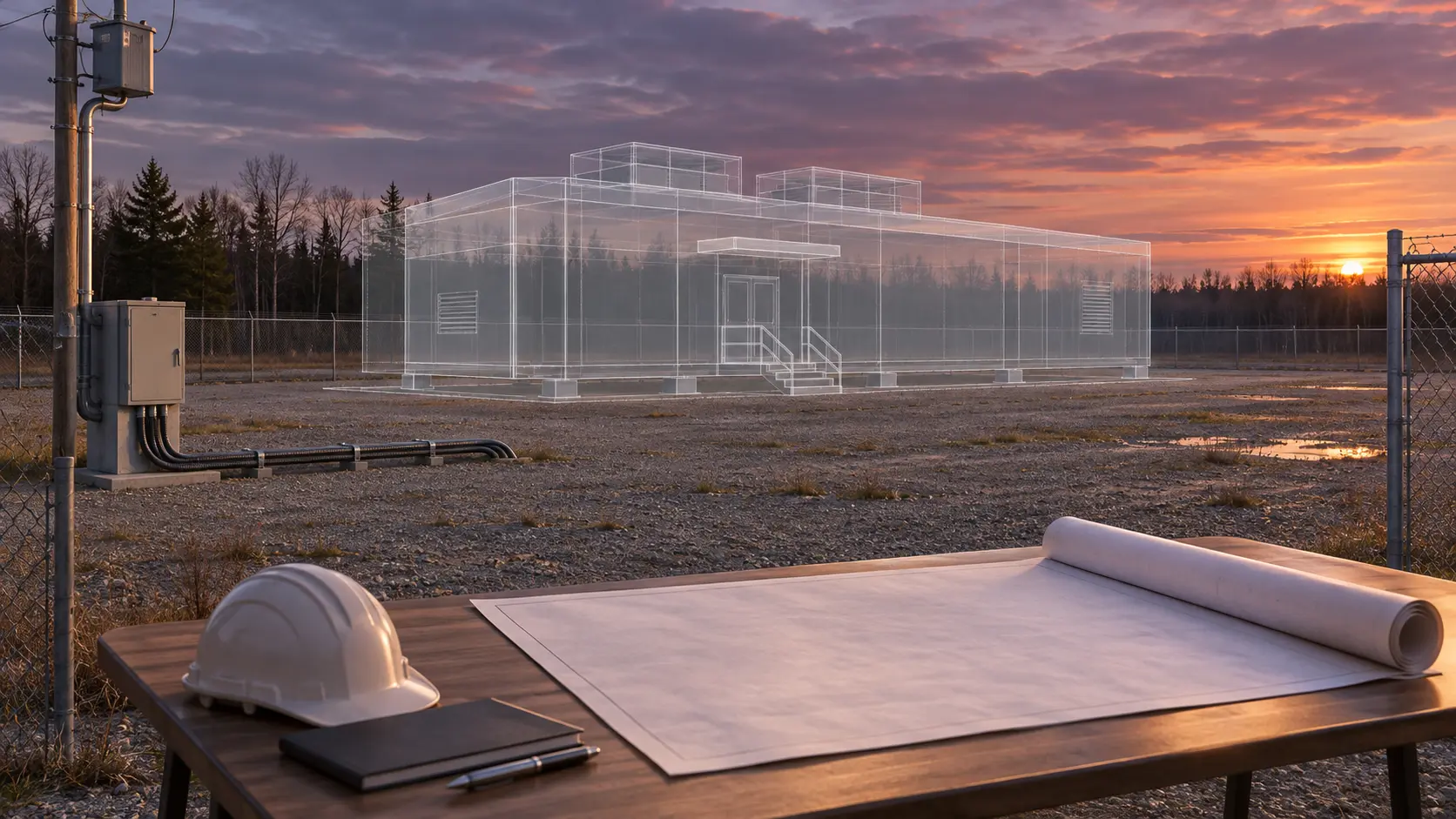
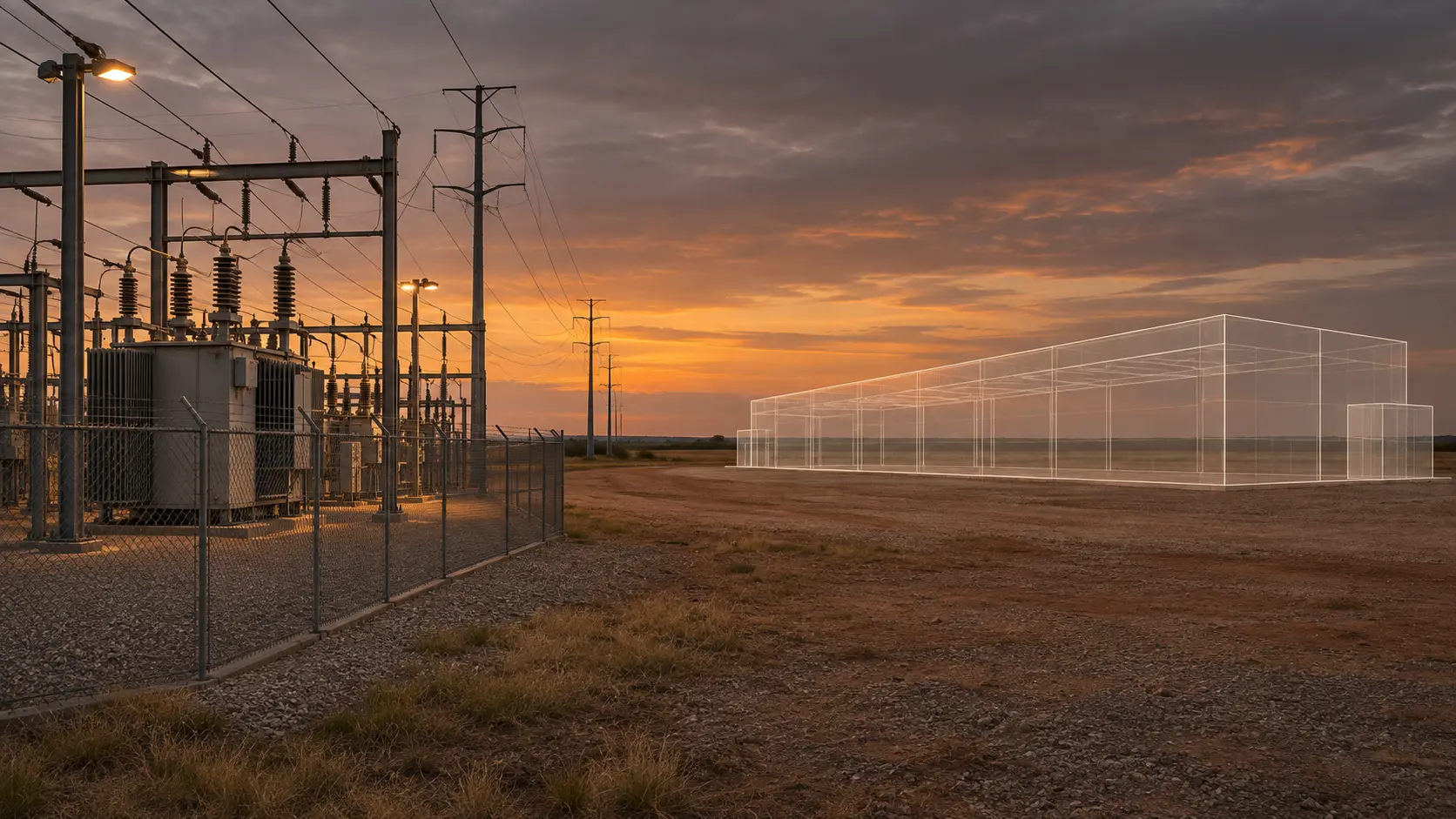
Core Scientific bought a gate to electricity before buying the finished room that could sell it to a customer. The company's September Form 10-Q says the August purchase of Polaris DS brought about 40 acres beside its Muskogee, Oklahoma, operations, an electrical substation and development rights tied to electric service agreements for up to 440 MW of gross utility power. The cash price was approximately $444.3 million, including about $21.4 million in net closing-price adjustments. It was a completed purchase of a development platform, not 440 MW of new billable IT load.
The balance sheet tells investors what Core Scientific believed it was buying. Its asset-acquisition note allocates $6.653 million to land and improvements, $23.169 million to electrical infrastructure and $508.833 million to development rights. The rights dwarf the visible assets. The three asset lines total $538.655 million, then a $0.860 million below-market lease liability and $114.930 million deferred tax liability bring net acquired assets to $422.865 million. That last figure reflects the accounting cost after direct transaction costs and closing adjustments.
The $508.833 million rights line is therefore not a second cash payment or a standalone market quote for electricity.
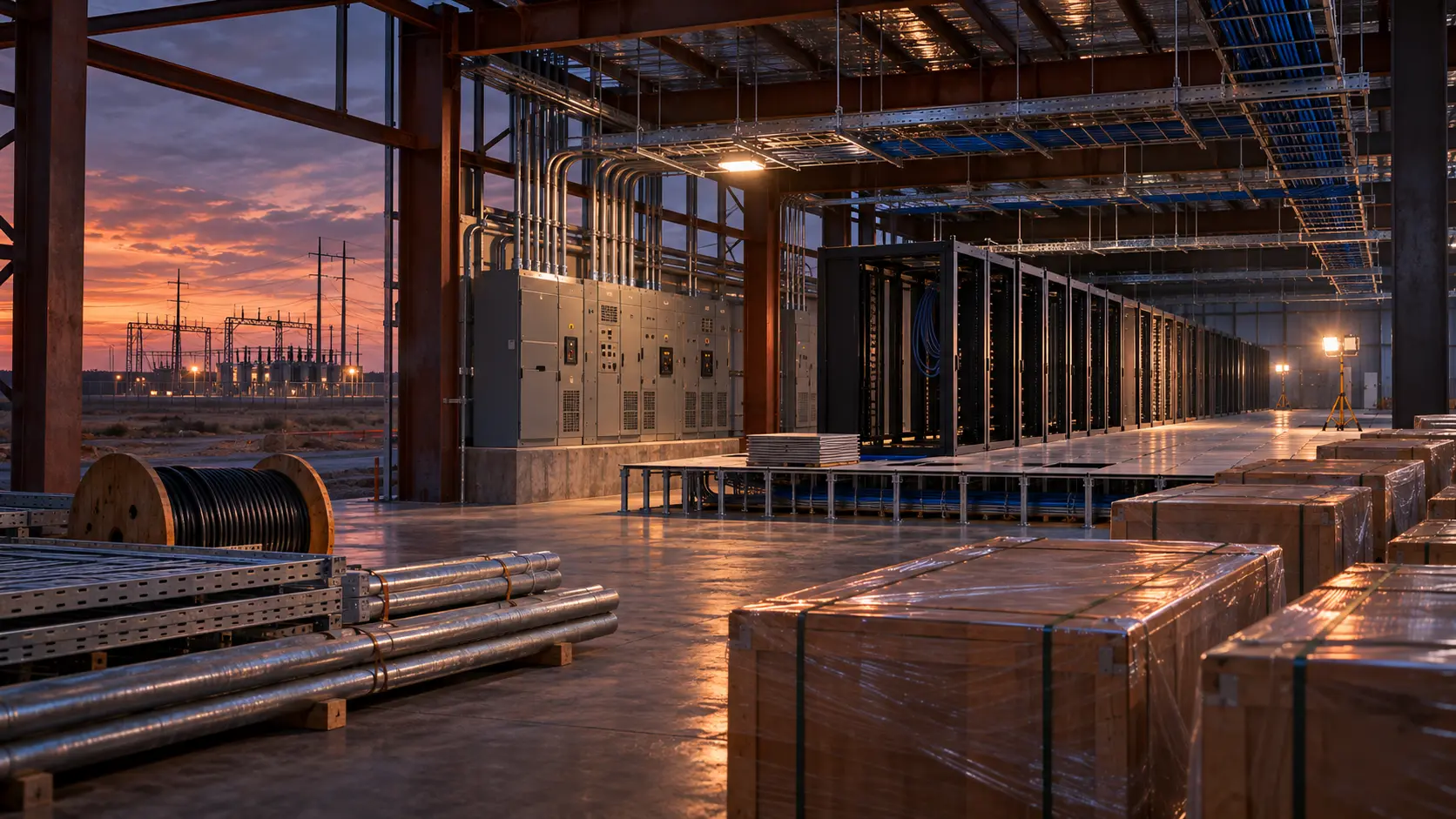
The rights have their own clock. Core Scientific says they are finite-lived intangibles with a weighted average amortisation period of about 30 years. Amortisation starts when the related data centre is placed in service; none was recognised in the reported period. A right can sit on the books while a facility remains to be built. An operational customer has to contract for usable space, the developer has to finance and finish it, and gross utility megawatts have to be converted into available, then billable, IT capacity. The company's earlier Market coverage followed that last conversion across its portfolio.
Here the question starts one stage earlier: what price did it pay to control the input?
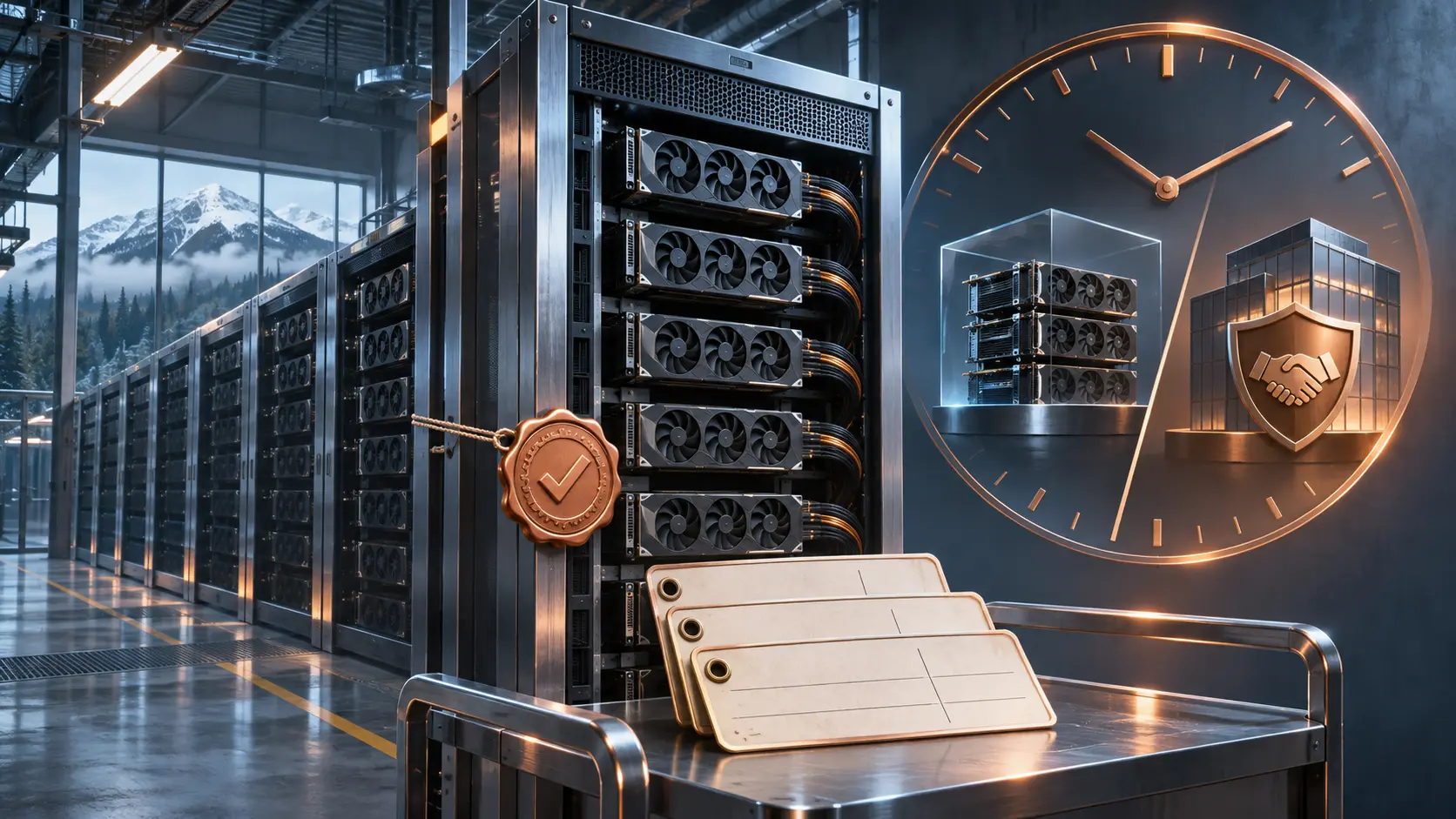
One clause sharpens the answer. The purchase terms call for another $40 million cash payment if an additional 40 MW of firm electric capacity becomes available to Polaris by 31 December 2026. The condition had not been satisfied by 30 September, so the 10-Q recognised no contingent consideration. The extra payment is a defined price for a defined improvement in power rights, not evidence that the additional capacity has already arrived. The next filing can settle this narrow point with a yes or no and an actual payment.
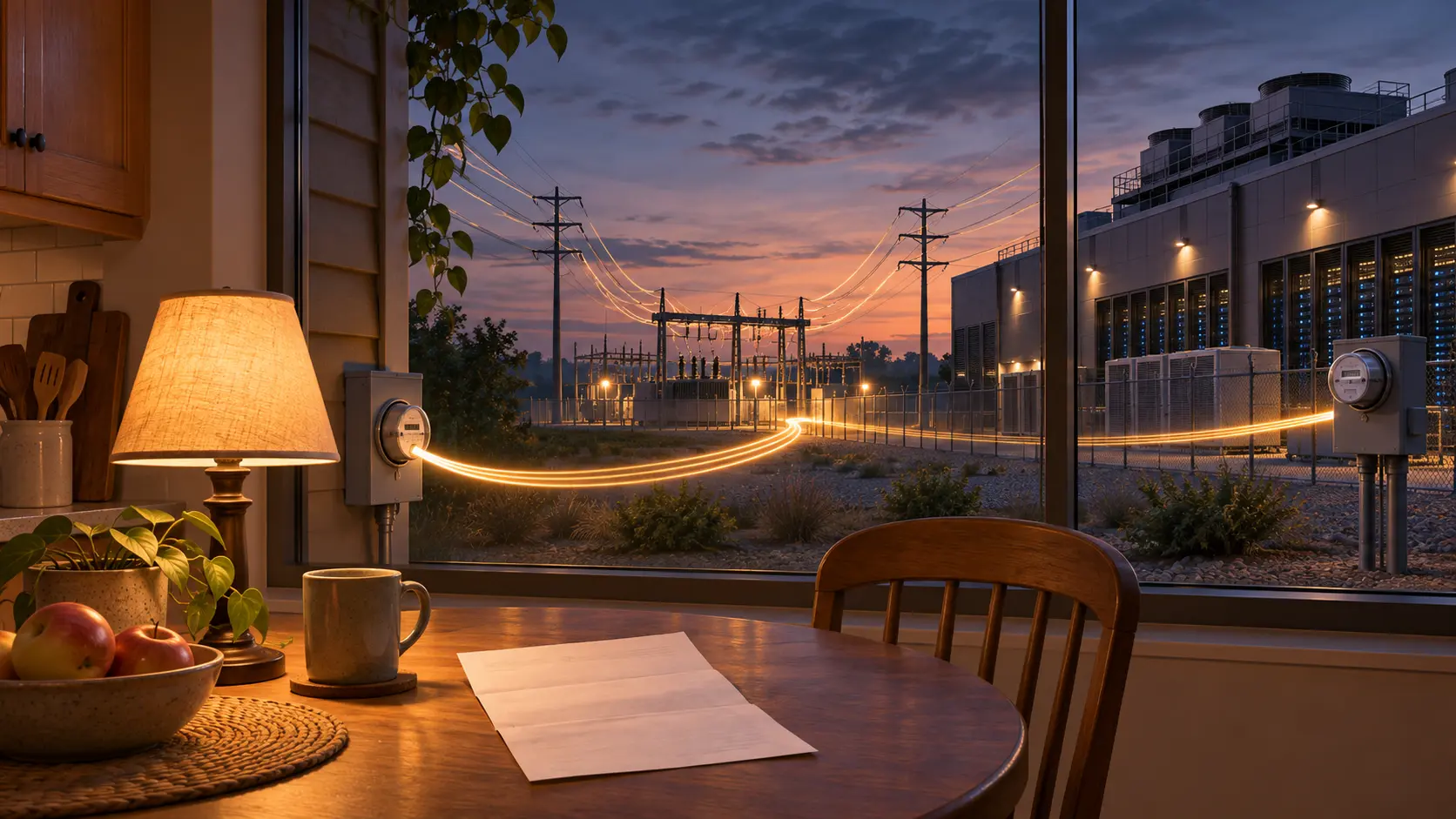
The August closing 8-K confirms that the acquisition itself happened. The May deal 8-K described the target's land, substation and service agreements before closing. Those records, read in sequence, stop the common trick of treating a power option, a substation, a funded build and a customer invoice as the same asset. Core Scientific has bought the first two. The market must still price the work between them and the last one.
Member Briefing
Deeper Profile Context
Sign in with the right membership level to unlock the full briefing and source notes.
Only for Strategic Circle
Strategic Circle
Open to all readers. Unlock profile briefings after joining and signing in.
Join Strategic CircleOnly for Leadership Alliance
Leadership Alliance
For qualified IP-asset owners and management; sign in to unlock alliance briefings.
Join Leadership Alliance