
Topic
Data Centre Investment
Within the Topic facet, Data Centre Investment topic intelligence connects articles that share a specific subject, signal focus, or monitoring theme. The page gives readers a richer path through related reporting, source evidence, market actors, and infrastructure implications, with enough context to understand why the topic matters across company movements, governance decisions, regional exposure, and operational risk. Readers can compare recurring signals, affected organisations, public evidence, market context, service continuity, procurement, competition, compliance, and strategic planning questions behind the subject instead of stopping at a thin list of matching articles. It explains what the topic covers, which infrastructure actors or policies are involved, what evidence supports the coverage, and why the subject may matter for operators, customers, investors, and policy readers.
Europe and Middle East Datacenter
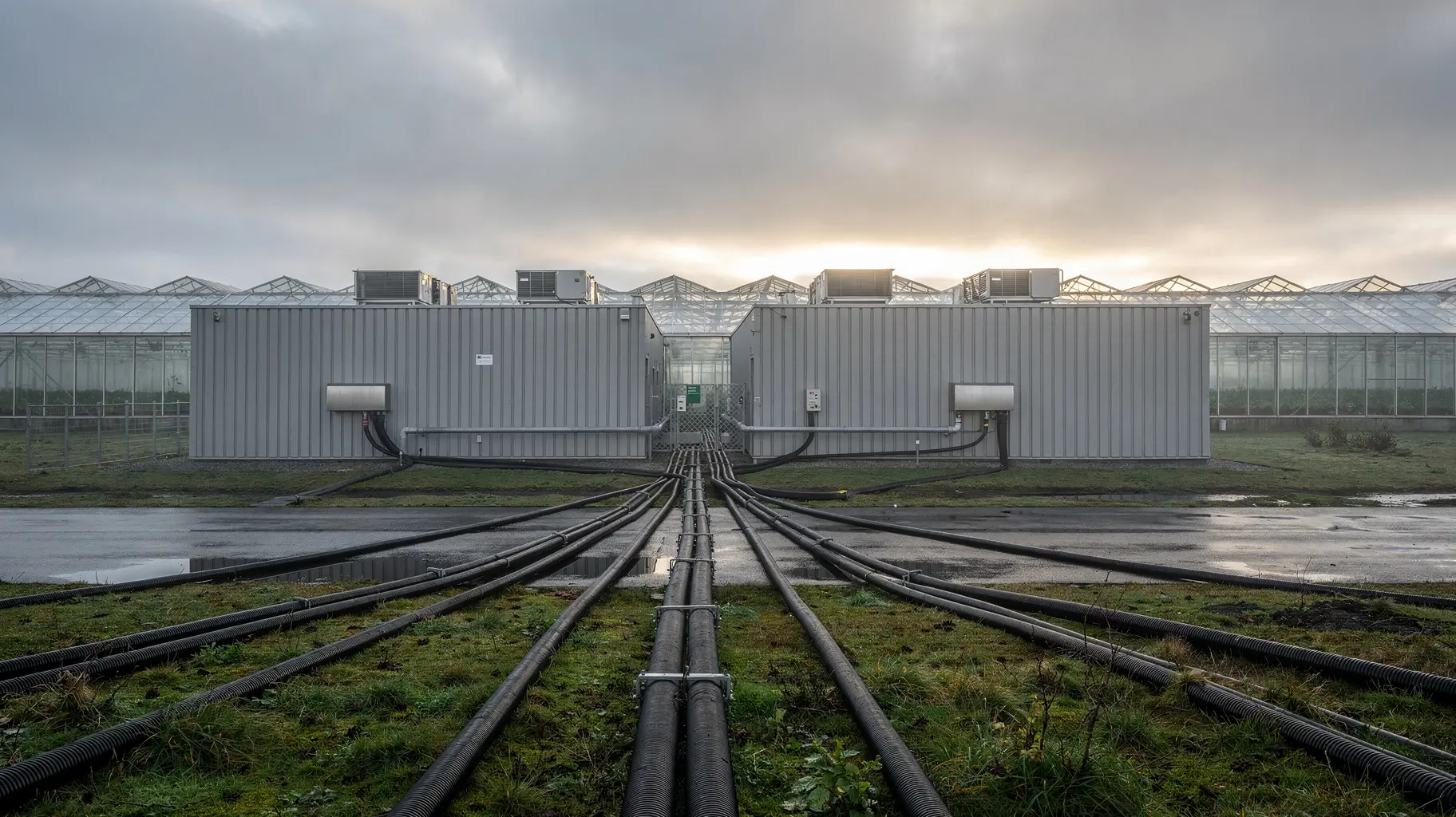
Greenhouse Datacenters Publishes Its Interconnection Story and Leaves the Power Envelope Unstated
A Naaldwijk colocation operator has just been named an additional landing partner for the IOEMA subsea cable. Its public record is unusually detailed on connectivity partners, exchange count, certifications and a power usage ratio — and silent on the figure that decides how much…

Latin America and Caribbean Datacenter
Ascenty: The Megawatt That Travels Without Its Basis
Brazil's data-centre buildout is routinely described in megawatts, but the documents gathered for this report on 18 October 2026 contain no megawatt figure for Ascenty Data Centers e Telecomunicações S/A at all — and that gap is the story, because the unit itself is doing work…
Asia-Pacific Datacenter Trends
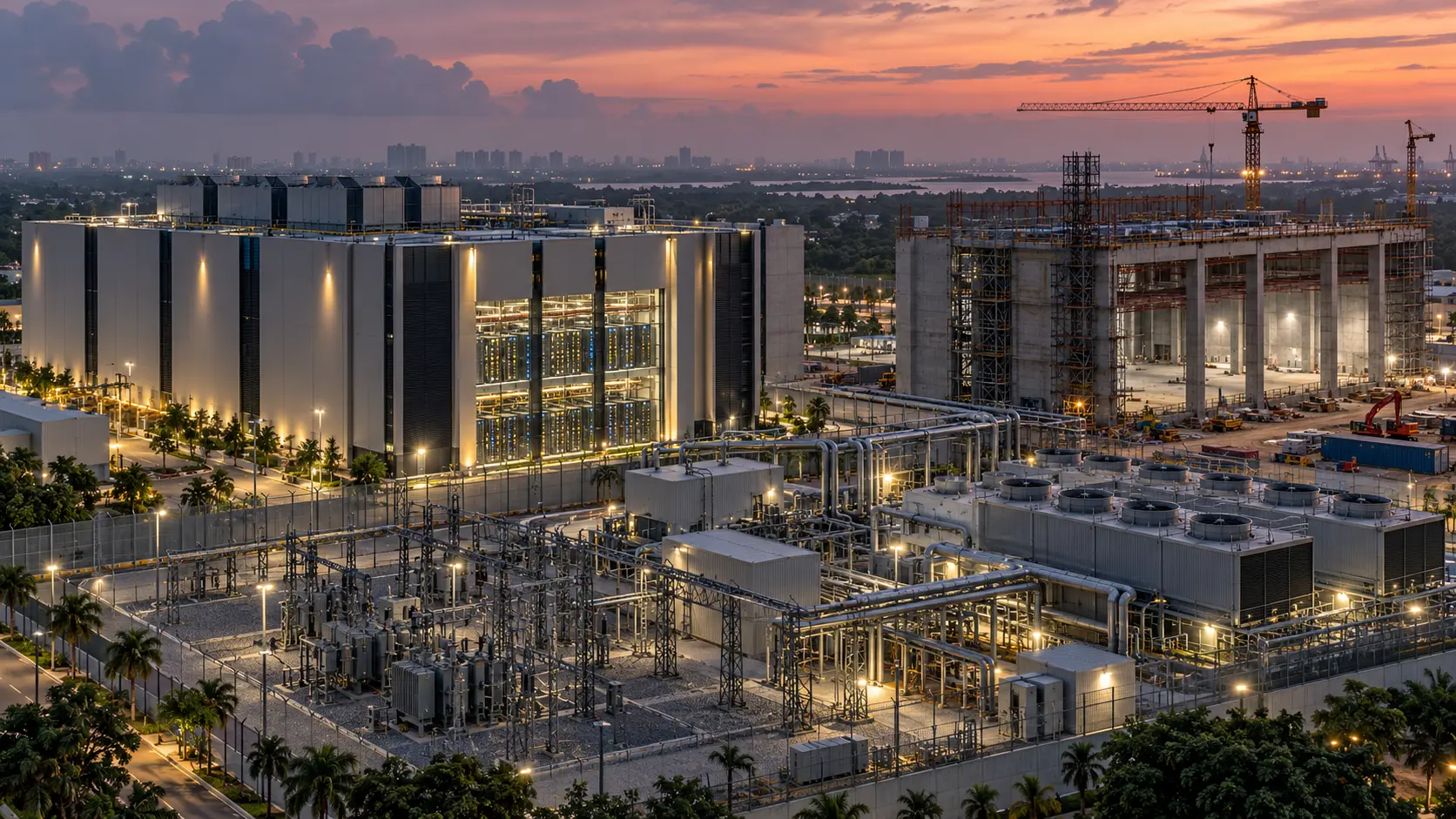
CapitaLand’s Chennai data centre has to make capital recycling pay
CapitaLand’s unveiling of Chennai 01 put a ₹1,940 crore plan and a 53 MW power figure on display. The investment case now turns on a less visible conversion: how much of the facility’s 34 MW of IT capacity becomes contracted, commissioned and cash-paying load.

Europe and Middle East Regional ISP
Colt's UK register names its controller but not the terms that bind it
Companies House fixes COLT Technology Services Group Limited at company number 03232904, records four consecutive years of full accounts and shows a single corporate person with significant control holding 75% or more of shares and votes. What the register does not show is the…

Asia-Pacific Datacenter Trends
Singapore’s infrastructure bill draws two lines for data-centre duties
Singapore’s new framework separates a 3 MW sustainability licence from a 10 MW resilience regime, while large cloud services are measured by Singapore revenue. The hard part now is matching each rule to what operators can actually control.

Asia-Pacific Datacenter Trends
Vietnam's AI campus has a $2.1bn plan. Its electricity bill is still a question.
SGI-HCM Campus aims to sell computing power to customers in Vietnam and abroad. Before that business can take shape, its backers need to know how the power running it will be priced.
Global Cloud Services
The Price Without a Unit: CoreWeave's Contract Clock and the Depreciation Clock
On 16 September 2026 CoreWeave, Inc said something that sounds like good news and cannot be checked. New compute capacity, the company stated, was still being contracted at higher prices. There was no price. There was no unit. There was no contract length, no named customer, and…

Latin America and Caribbean Datacenter Trends
Uruguay’s 500 MW campus tests Solaria’s powered-land model abroad
Solaria’s first-half data-centre business already generated €99.6 million from development milestones. Its new Uruguay agreement adds a much larger project headline, but public disclosures leave the future tenants, capital providers and division of project cash flows…

Europe and Middle East Cloud Services
Mistral Compute: The Gap Between an Announced Build-Out and an Observable Network
Mistral says it will own its own compute, not rent it. A French corporate identity carried in BTW's directory names the vehicle for that ambition, but the register page would not render and no routing record exists under its name. Both halves of that sentence are the story.
Global Datacenter
The Data Centre Operator Whose Evidence Trail Runs Out
Data Centers Canada is carried in the directory as a company and a single virtual service platform. Its own domain no longer describes a business, and the one routing identifier attached to its name could not be read. That is the finding, and it is a finding about evidence, not…
North America Datacenter Trends
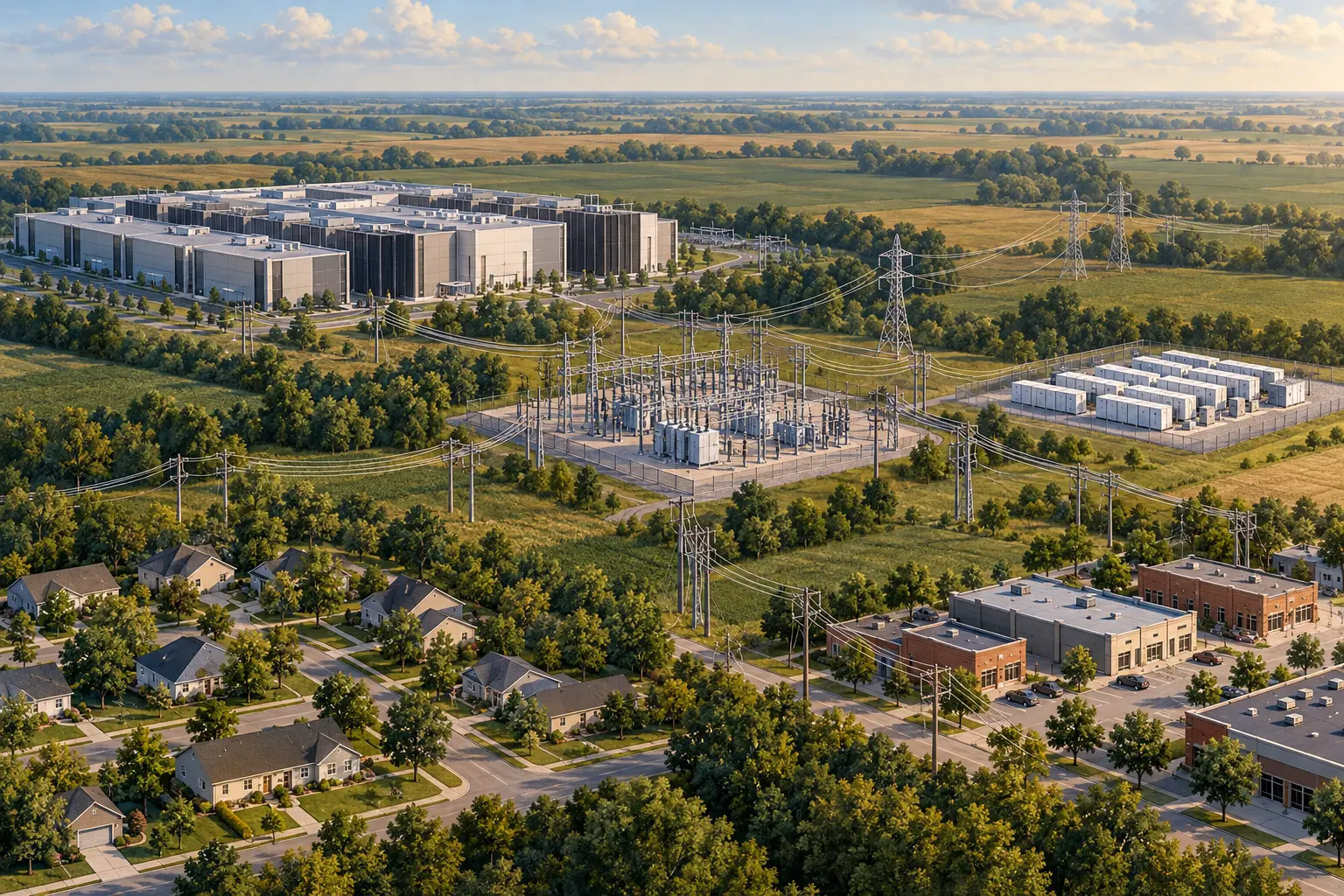
NiSource’s $1.75bn savings figure is not Microsoft’s bill credit
Microsoft’s 20-year Indiana power agreement adds about 1,100 MW of generation resources to NiSource’s GenCo pool, while a related 600 MW battery will serve multiple large-load customers. NiSource’s larger savings estimate covers existing NIPSCO electric customers across…
North America Datacenter Trends
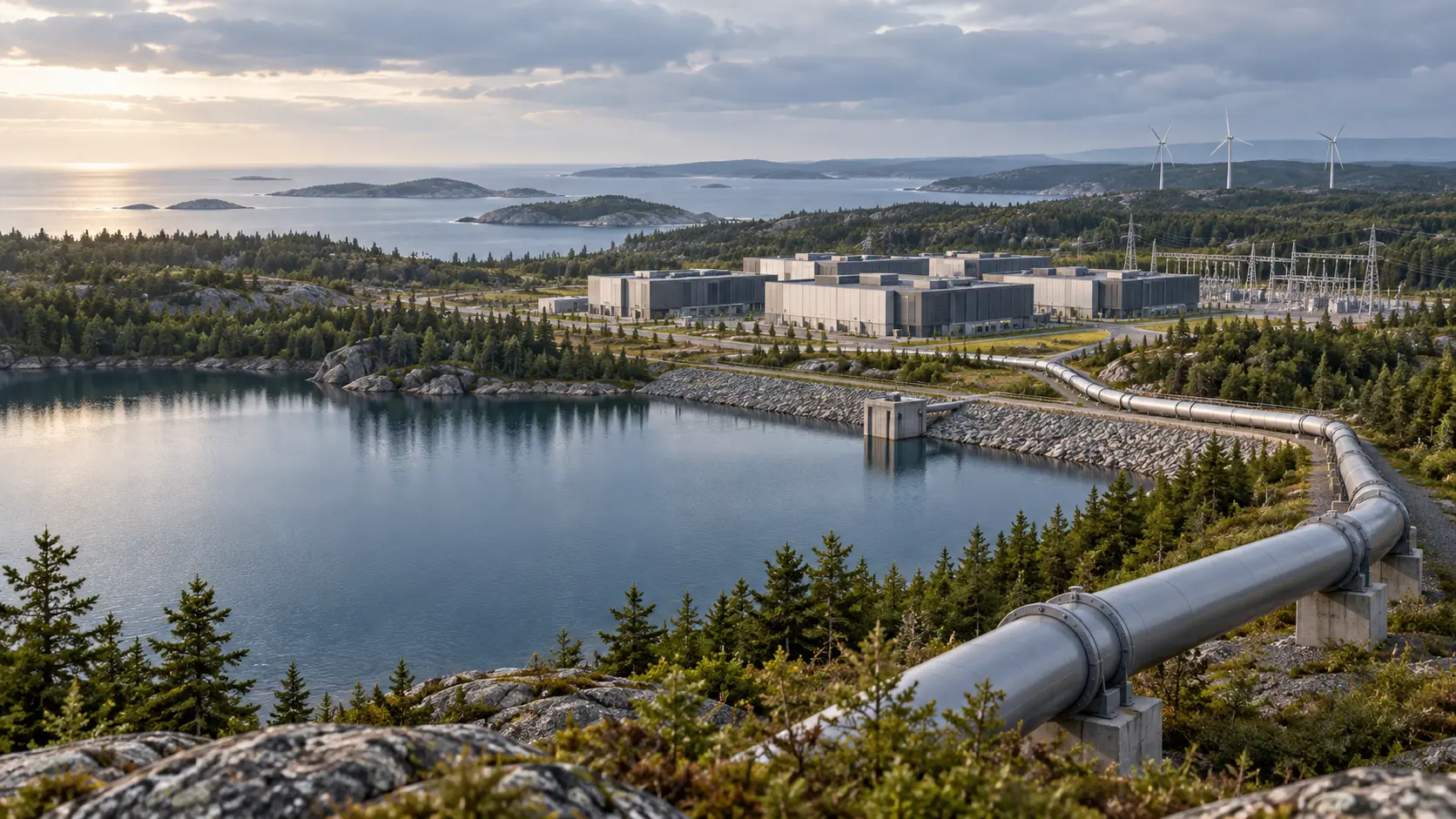
Point Tupper’s water plan is the real test for its AI campus
EverWind frames the proposed 420 MW campus’s full-build water use as roughly 1% of Landrie Lake’s safe yield. That comparison is mathematically loose and leaves out the utility’s own planning case: a January forecast had average 2028 demand near the lake’s estimated sustainable…
Global Datacenter Trends
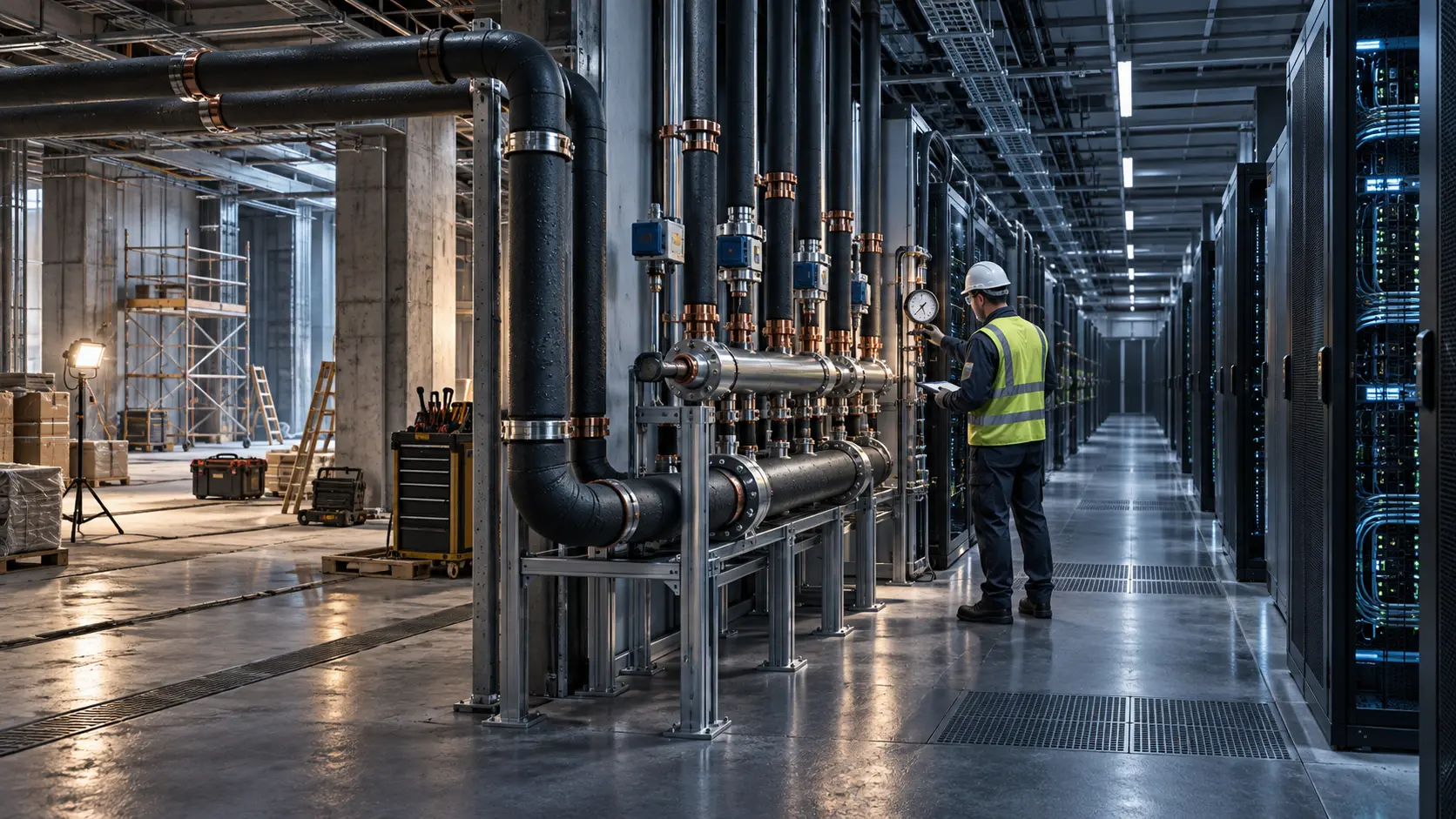
3C Datalec’s US$400m forecast still needs a test after construction
The merger joins liquid cooling to engineering and facilities management, but its first public revenue figure does not show how much business survives the hand-off from project work to ongoing operations.
North America Datacenter Trends
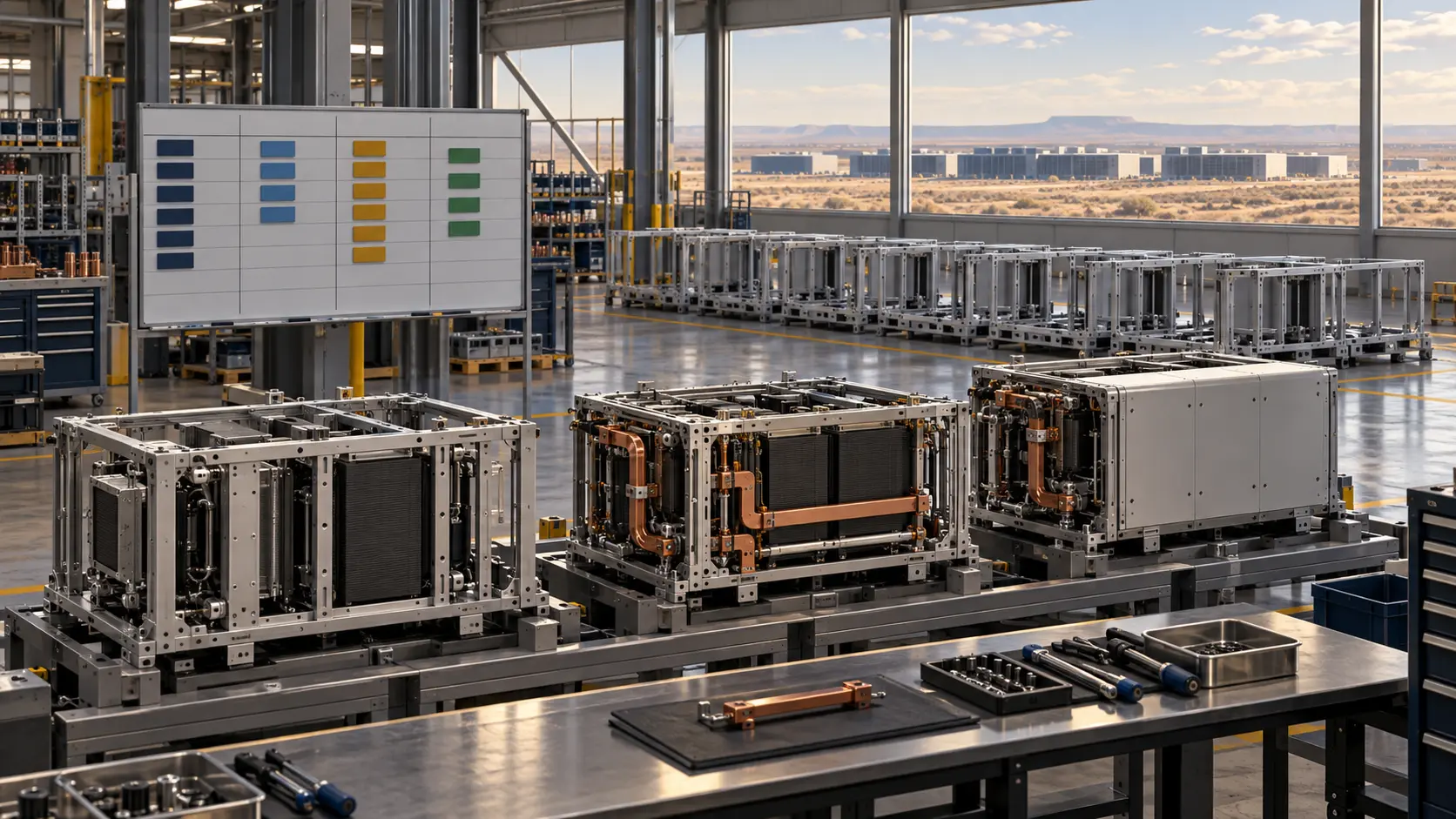
FuelCell Energy's 75 MW reservation moves the test to the factory
A Texas data-centre operator has paid for priority access to 75 MW of planned manufacturing capacity while project agreements are still being finalized. The commercial signal is real; the power plant, delivery schedule and operating result are not yet in evidence.
North America Datacenter Trends
Axiom's spin-off is also Flex's refinancing plan for EPC Power
Flex has completed its $4.4 billion acquisition of EPC Power. The harder question now sits in the financing documents: Flex expects the planned Axiom separation to return enough cash to repay short-term acquisition debt, while a separate preferred investment carries its own…

Asia-Pacific Datacenter Trends
Tata Power’s 2.8 GW pipeline bundles load, grid and green power
Tata Power’s new data-centre figure is large enough to sound like a single power commitment. Its own breakdown says otherwise: the headline joins upcoming distribution load, transmission-linked opportunities and green-energy engagement. Each sits at a different point in the work…

Europe and Middle East Datacenter Trends
2CRSi’s €1bn Strasbourg case still turns on a sale promise
2CRSi says the first Aether AI Factory rollout could generate more than €1 billion in Group revenue. The site transaction, available power, permits, component supply and purchase terms still sit between that estimate and delivered, invoiced servers.

North America Datacenter Trends
Fermi’s AMD Credit Support Begins After Construction
Fermi says its new AMD credit-support agreement will help project financing. The same disclosure places AMD’s obligations after construction is complete and rent begins on final delivery, leaving the build-period funding bridge outside the terms the company has made public.

Global Datacenter Trends
SoftBank controls DigitalBridge’s fee platform; its $40.2bn base is managed capital
SoftBank’s September 30 closing put DigitalBridge under its control and into the parent’s consolidated results. The $40.2 billion FEEUM reported at June 30 measured capital managed to earn fees under investment agreements; it was neither the purchase price nor a like-for-like…

Global Datacenter Trends
TIA’s DCE 9000 reached first draft. Its certification chain is still in development
A first draft gives the data-centre industry a concrete supplier-quality proposal to examine. Whether a certificate can reduce duplicated audits or change procurement will depend on measurement rules, bounded scope and an independent assurance system that TIA says is still being…