
People who built the network
Researchers, engineers, operators, and community leaders whose choices shaped the internet's open architecture.
BTW Media Editorial Collection
The internet was not born as a finished system. It was built across decades by researchers, engineers, operators, institutions, and communities who chose openness, interoperability, and shared stewardship before the world knew what the network would become.
History of the Internet is BTW Media's editorial archive of the people, protocols, institutions, and turning points that shaped the global network.
Researchers, engineers, operators, and community leaders whose choices shaped the internet's open architecture.
TCP/IP, DNS, routing, email, the Web, number resources, and standards processes made global interoperability possible.
Interviews, profiles, and records preserve how the internet was imagined, governed, expanded, and defended.
This collection brings together interviews, profiles, source-backed reporting, and historical analysis about the builders and witnesses of the internet age.
This page follows how individual decisions, technical principles, public institutions, and regional communities became civilization-scale infrastructure.
For the people recorded here, this is a record of contribution. For readers, it is a map of how the internet became one of humanity's shared systems.
Series
From packet-switching theory to the World Wide Web, this map connects the people, protocol decisions, and governance transitions that shaped the global network.

1961
Leonard Kleinrock (1961): Published the earliest packet-switching and information-flow work that provided mathematical foundations for breaking messages into packets.
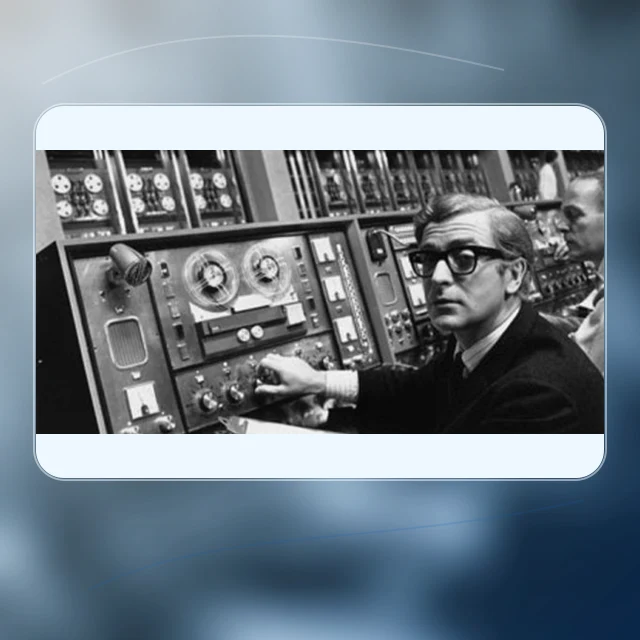
1962 / 1963
J.C.R. Licklider (1962 / 1963): Articulated the "Intergalactic Computer Network" vision that inspired ARPA's networking goals and the idea of a globally-connected computing commons.
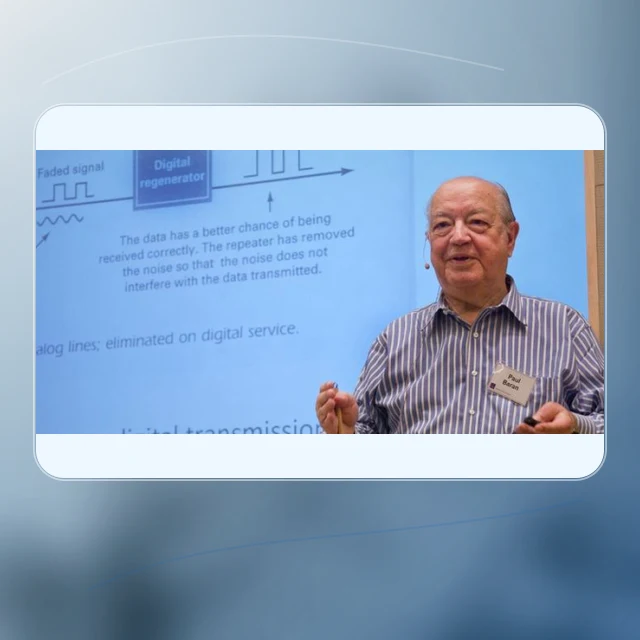
1964
Paul Baran (1964): RAND memorandum On Distributed Communications laid out distributed network designs intended to be survivable — a key conceptual precursor to later packet networks.
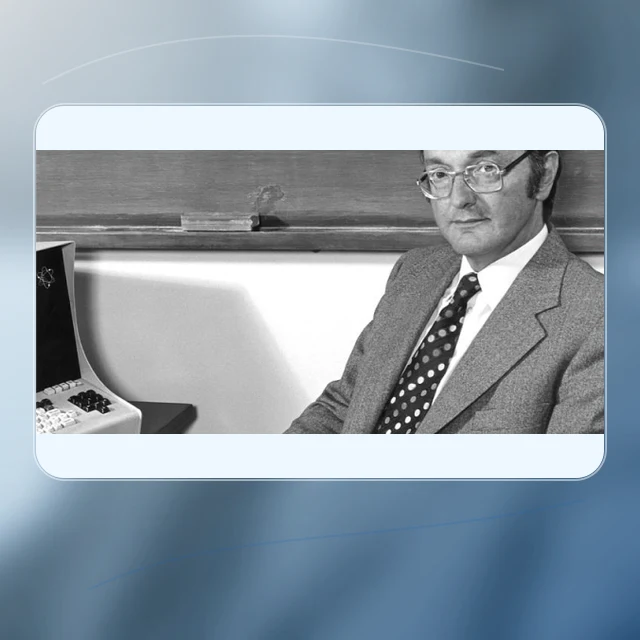
1965
Donald Davies (1965): Coined the term "packet" and advanced practical packet-switching architecture at the UK National Physical Laboratory.
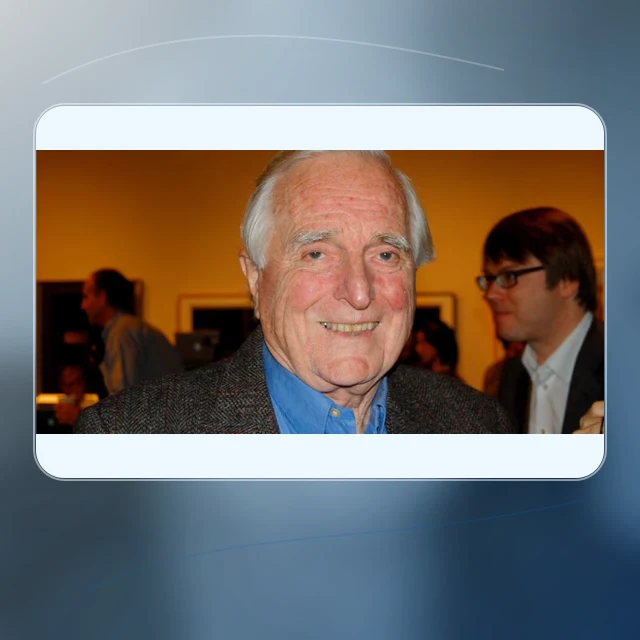
1968
Douglas Engelbart (1968): Demonstrated the oN-Line System (NLS) at the "Mother of All Demos" — showing hypertext, shared editing, the mouse and other interactive concepts that shaped future online tools.
1969
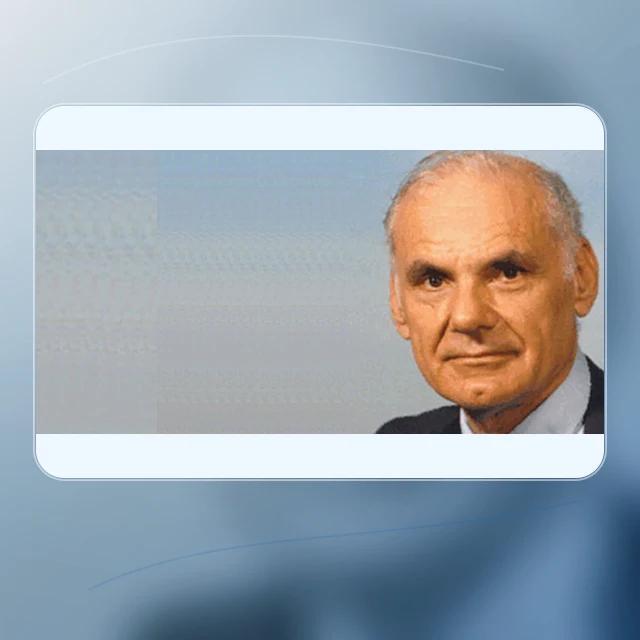
Lawrence (Larry) Roberts (1969): As ARPA program manager he designed and led the ARPANET construction, turning packet-switching proposals into the first operational research network.
1969
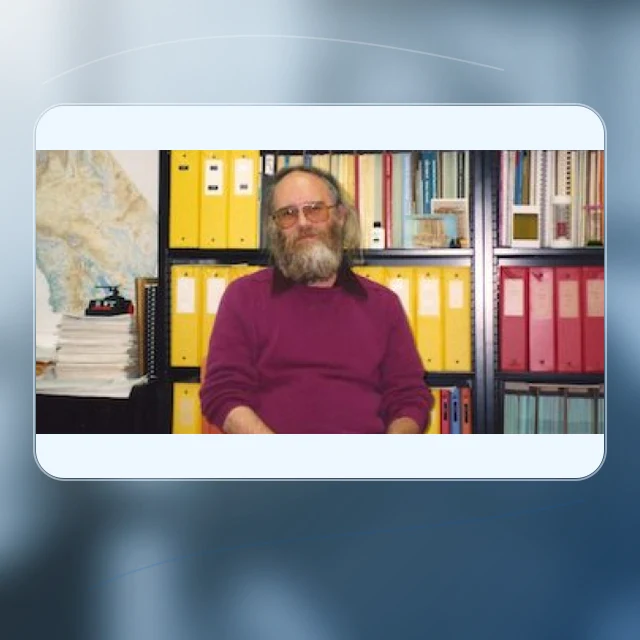
Jon Postel (1969): Became central to the RFC series and began his long stewardship of protocol documentation and numbering — the Internet's numbering authority.
1969
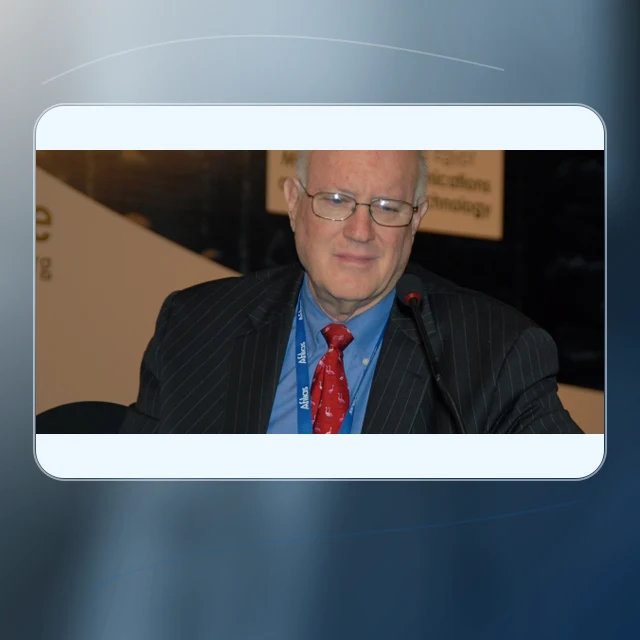
Steve Crocker (1969): Instigated the ARPANET "Network Working Group" and created the Request for Comments (RFC) series — the primary open documentation mechanism for Internet protocols.
1972–1973
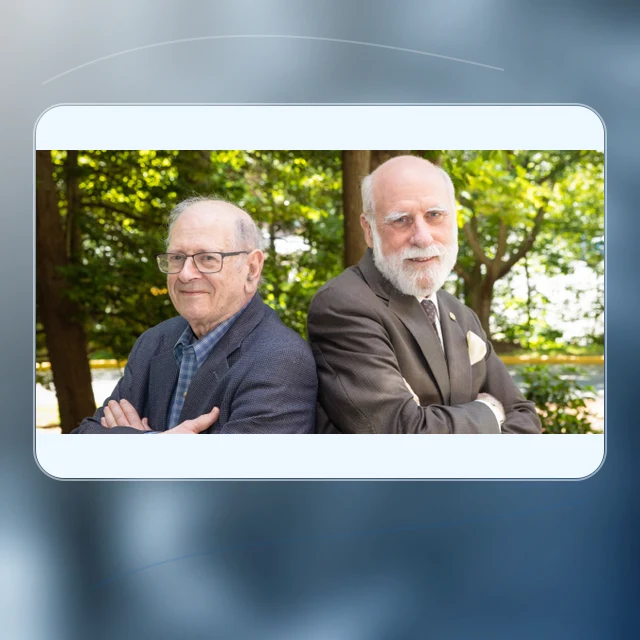
Vint Cerf & Bob Kahn (1972–1973): Co-designed the Transmission Control Protocol (TCP) and later TCP/IP, enabling communication across multiple networks — the birth of internetworking.
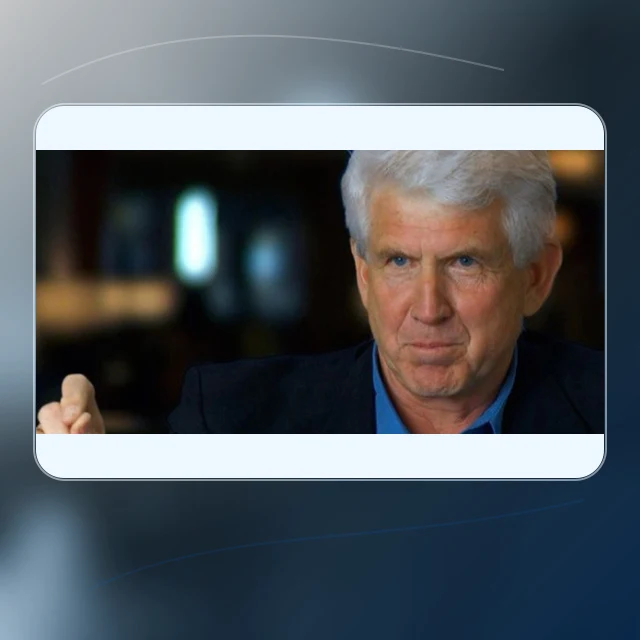
1973
Robert Metcalfe (1973): Invented Ethernet at Xerox PARC, making local networking fast and scalable for office and campus environments.
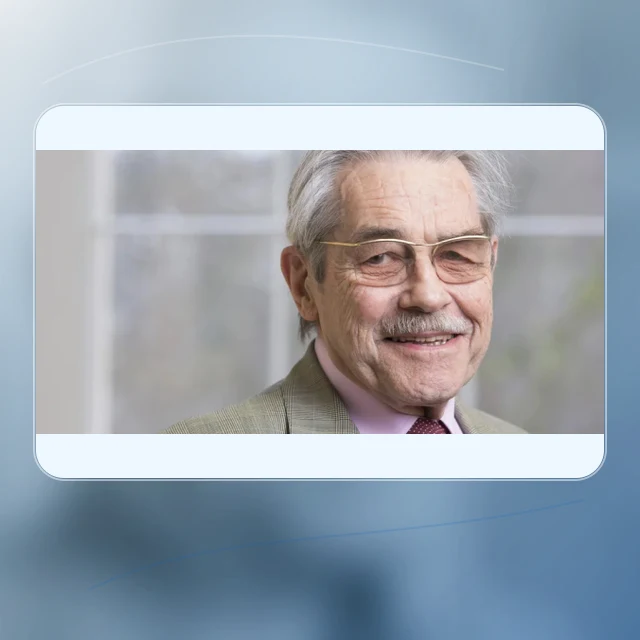
1973–1975
Louis Pouzin (1973–1975): Developed CYCLADES in France, a datagram-based packet network that directly influenced TCP/IP's design.
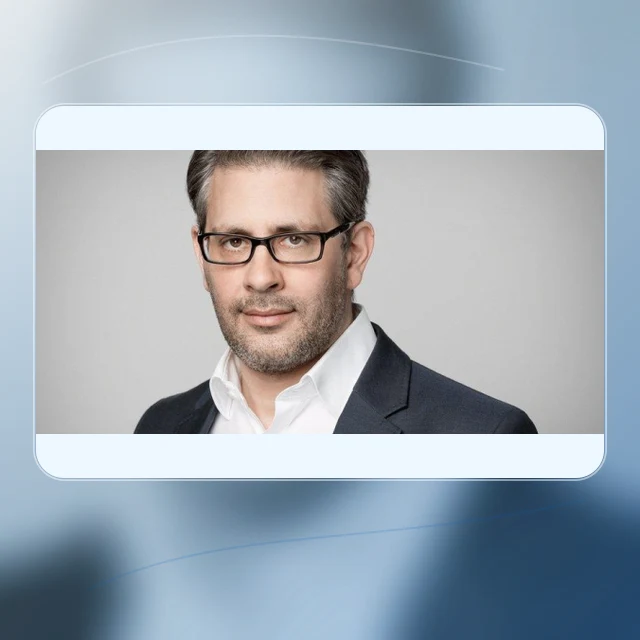
1973
Danny Cohen (1973): Pioneered early packet voice transmission and endianness concepts, key to interoperability in TCP/IP systems.
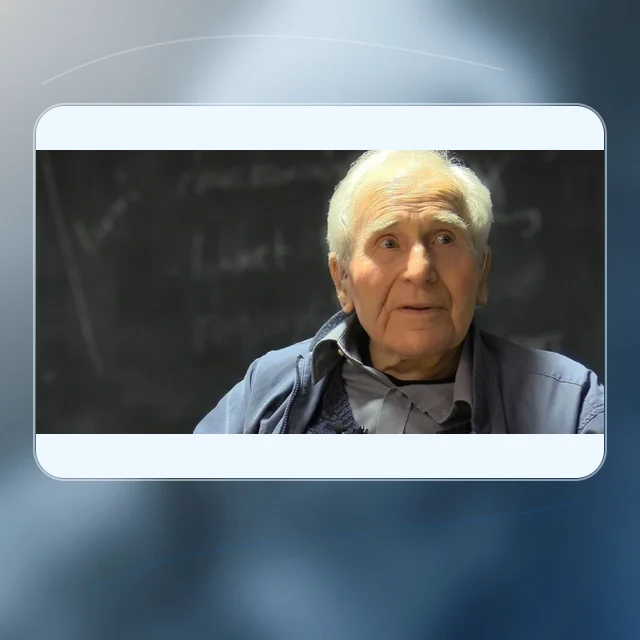
1975
Yngvar G. Lundh (1975): Promoted and implemented early packet networking in Scandinavia, connecting European research networks.
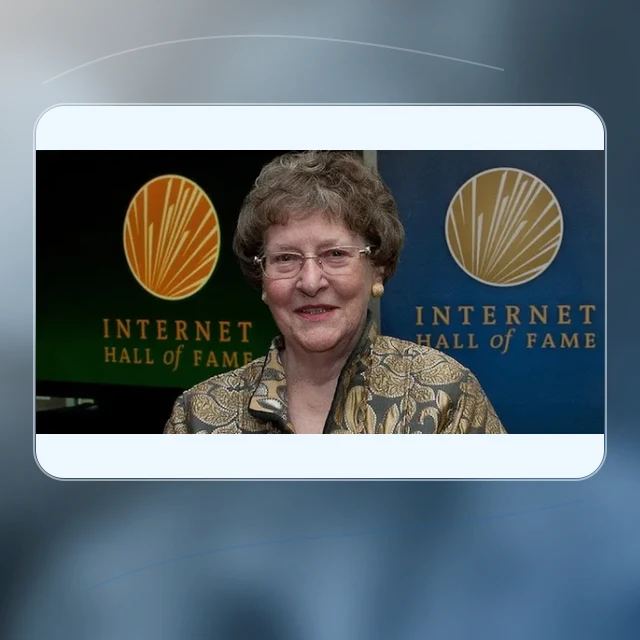
1976
Elizabeth "Jake" Feinler (1976): Managed the ARPANET Network Information Center (NIC) at SRI, maintaining the official host name directory before DNS.
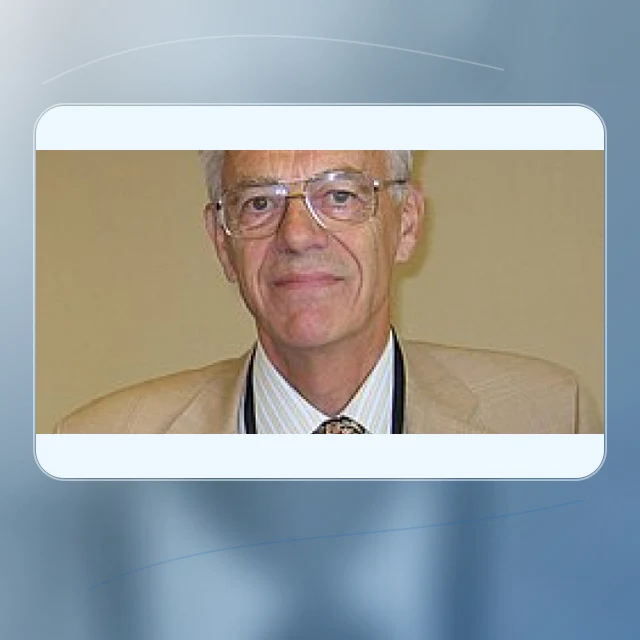
1977
Pål Spilling (1977): Helped establish early ARPANET links in Europe and co-authored the first Internet (TCP/IP) experiments between continents.
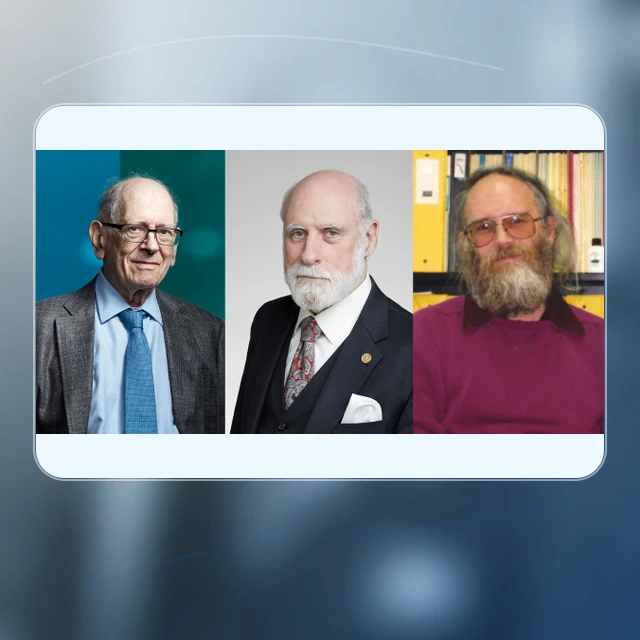
1977
Bob Kahn, Vint Cerf & Jon Postel (1977): Conducted the first three-network TCP/IP test (ARPANET, SATNET, PRNET), proving the architecture's viability.
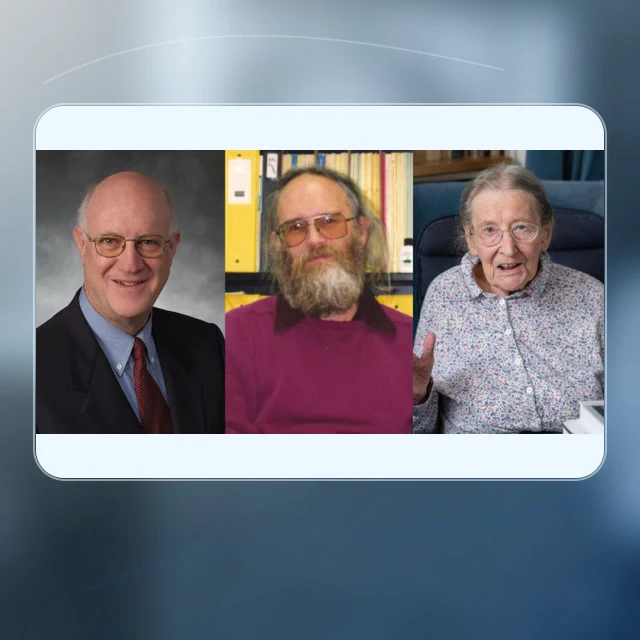
1978
Steve Crocker, Jon Postel & Joyce Reynolds (1978): Led early IETF-like protocol coordination and RFC series continuity — the core of today's open standards process.

1979
Radia Perlman (1979): Developed early routing algorithms that evolved into the Spanning Tree Protocol (finalized 1985).

1981–1983
Paul Mockapetris (1981–1983): Invented the Domain Name System (DNS) to replace the central HOSTS.TXT file. Introduced hierarchical, distributed naming via RFC 882/883.
1981
Danny Cohen (1981): Published "On Holy Wars and a Plea for Peace," formalizing the concept of byte ordering ("endianness").
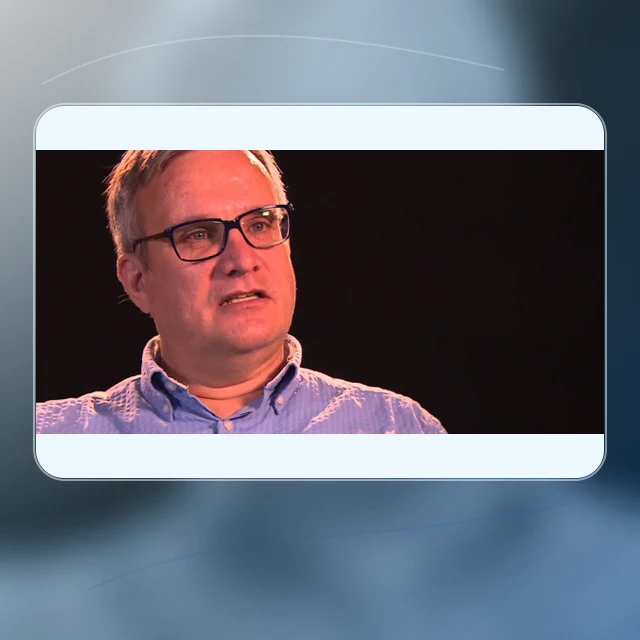
1982
Daniel Karrenberg (1982): Helped build EUnet, the first pan-European Internet Service Provider (ISP) and in 1989 was one of the founders of RIPE.
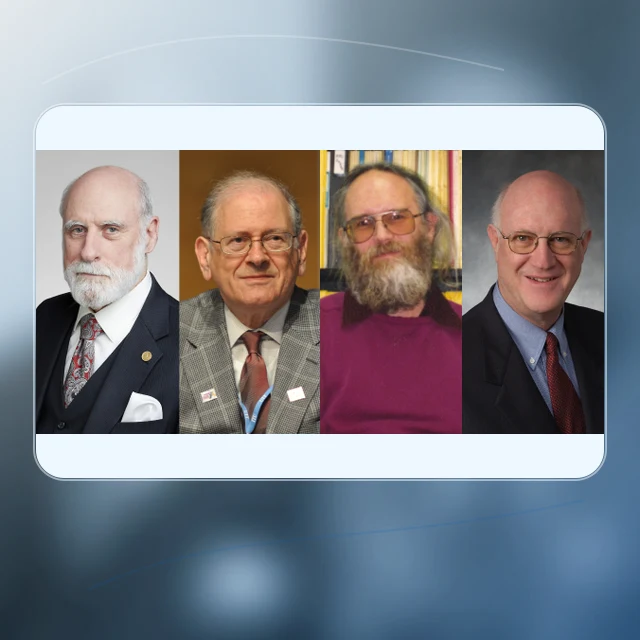
1982–1983
Vint Cerf, Bob Kahn, Jon Postel & Steve Crocker (1982–1983): Oversaw the January 1, 1983 "flag day" switchover from NCP to TCP/IP — the operational birth of the modern Internet.

1983–1984
Radia Perlman (1983–1984): Developed the Spanning Tree Protocol (STP), which made Ethernet networks reliable and loop-free.
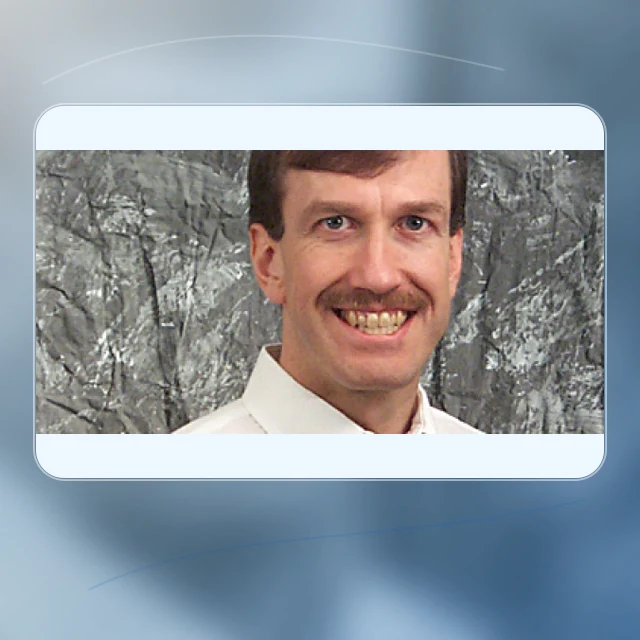
1984
Mike Muuss (1984): Created ping, one of the simplest and most enduring diagnostic tools in networking.
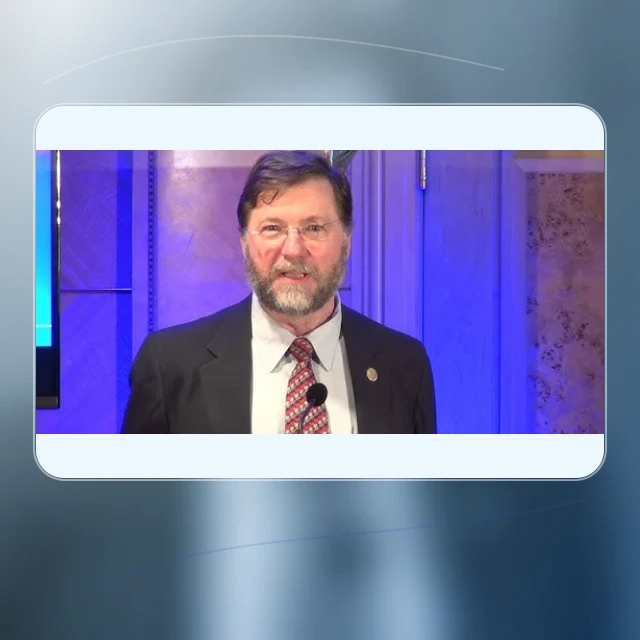
1984–1986
Eric Allman (1984–1986): Wrote Sendmail, the first general-purpose Internet email transport system, crucial for global email interoperability.
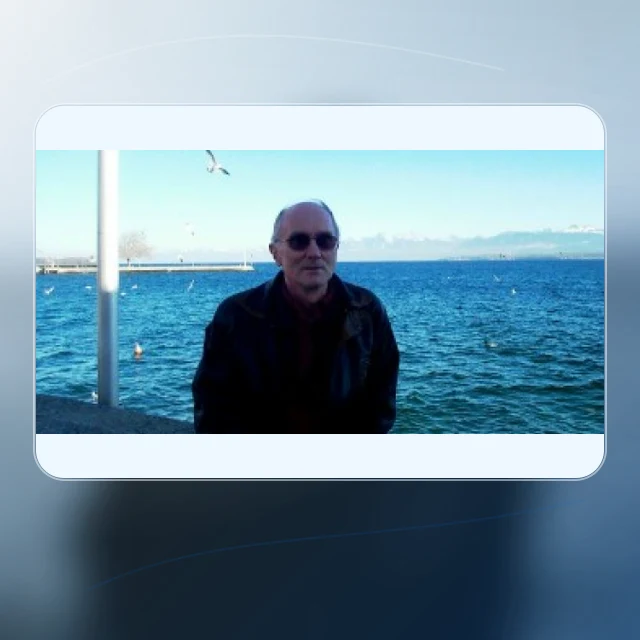
1985
Brian Carpenter (1985): Led development of key Internet standards and chaired IETF working groups, promoting IPv6 and architectural consistency.
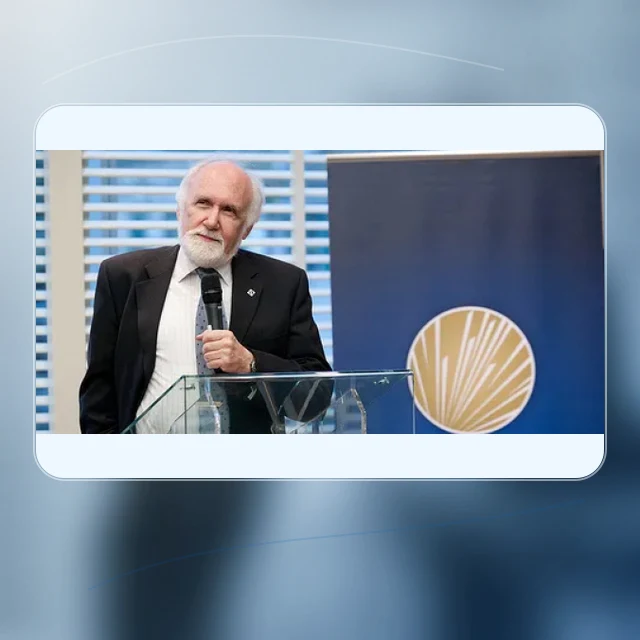
1986
John Klensin (1986): Significant early work on SMTP, FTP, and internationalization of Internet protocols.
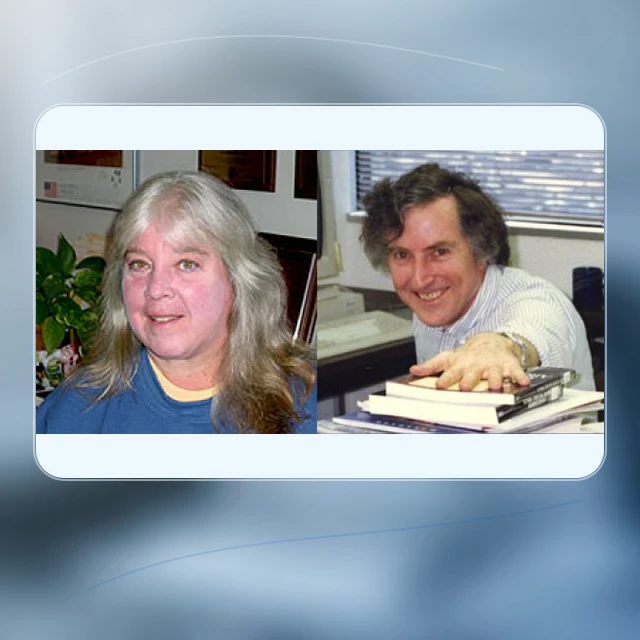
1987
Joyce K. Reynolds & Bob Braden (1987): Contributed to RFC editing, TCP/IP documentation, and Internet research group coordination.
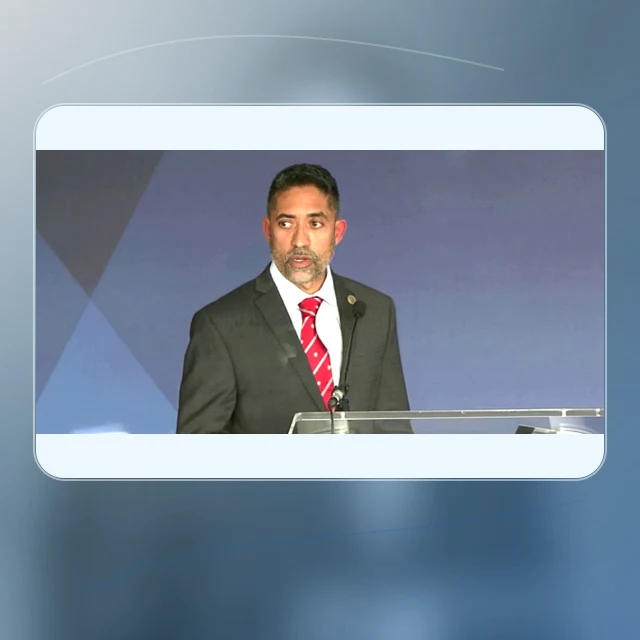
1989
Alan Emtage (1989): Developed Archie, the first Internet search engine, enabling users to find files across FTP servers.
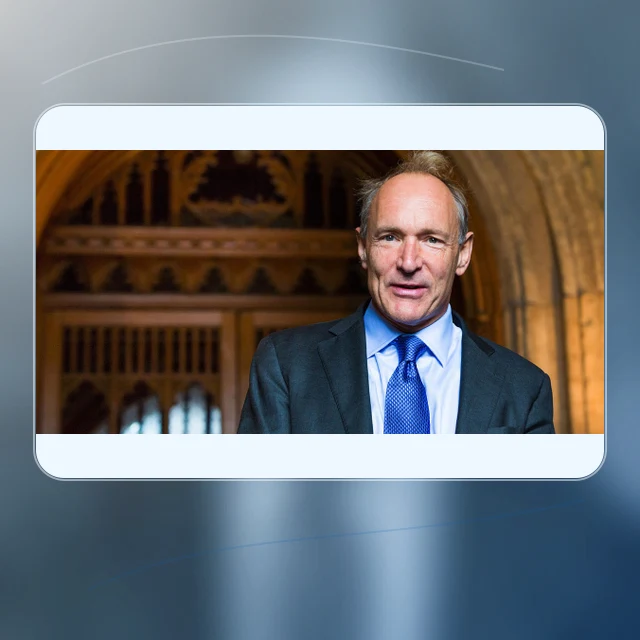
1990 / 1991
Tim Berners-Lee (1990 / 1991): Invented the World Wide Web at CERN — creating HTTP, HTML, and the first web server and browser, converting network infrastructure into a global publishing and information system.
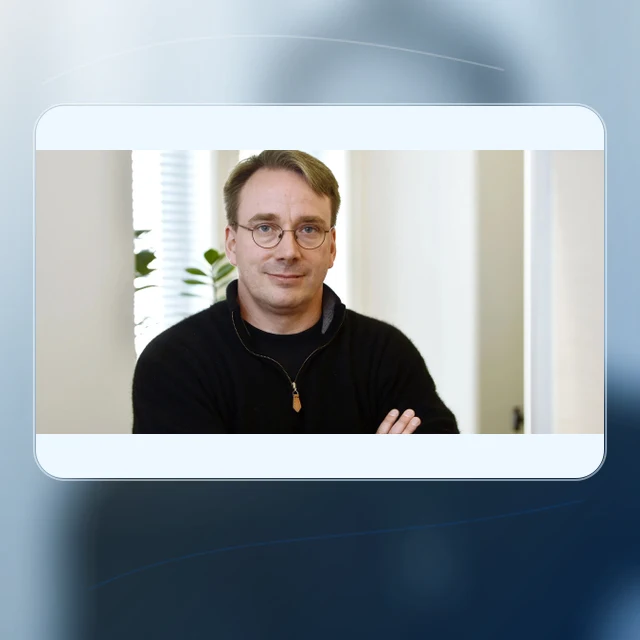
1991
Linus Torvalds (1991): Created the Linux kernel, which became a cornerstone of Internet infrastructure, web servers, and open-source computing.

1991
Jianping Wu (1991): Led the development of CERNET, China's first academic Internet network, linking universities across the country.
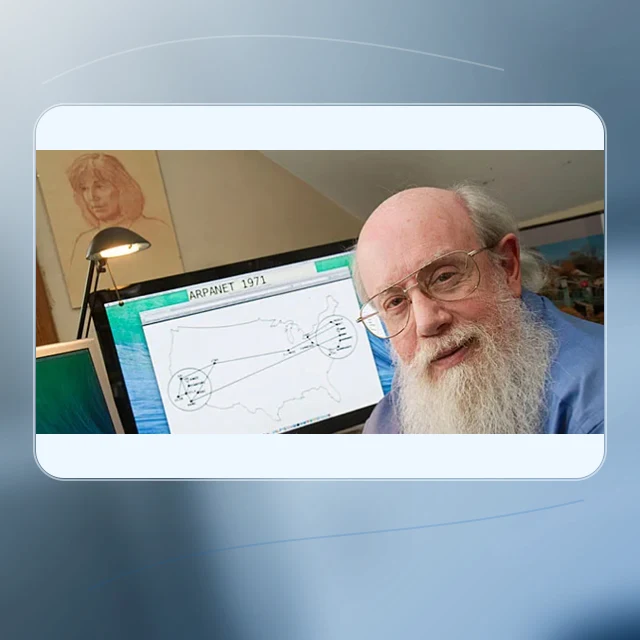
1991
Scott Bradner (1991): Key figure in IETF standardization and Internet governance; helped define early Internet policy and protocol stewardship.
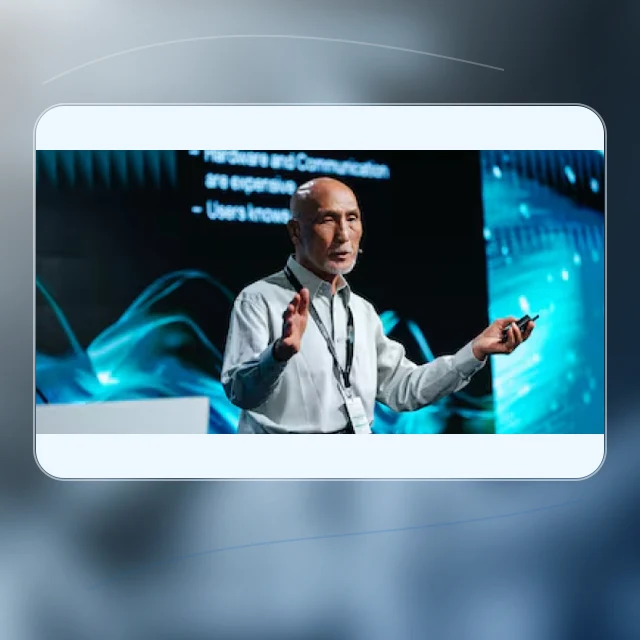
1992
Kilnam Chon (1992): Built KREONET, the Korean Research Network, pioneering Internet connectivity in Asia.

1993
Marc Andreessen (1993): Co-developed Mosaic, the first mainstream graphical web browser, which popularized the Web and inspired Netscape.

1993
Robert Cailliau (1993): Collaborated with Berners-Lee at CERN to promote and refine the World Wide Web and its first browser/server setup.
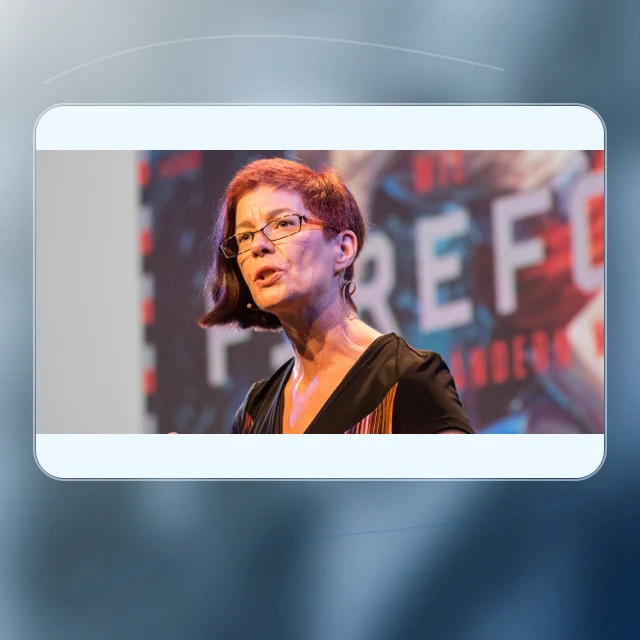
1994
Mitchell Baker (1994): Led the Mozilla project, defending open web standards and community-driven browser development.

1994
Xing Li (1994): Architect of CERNET, China's first academic network (1994), and early IPv6 advocate for Asia-Pacific.
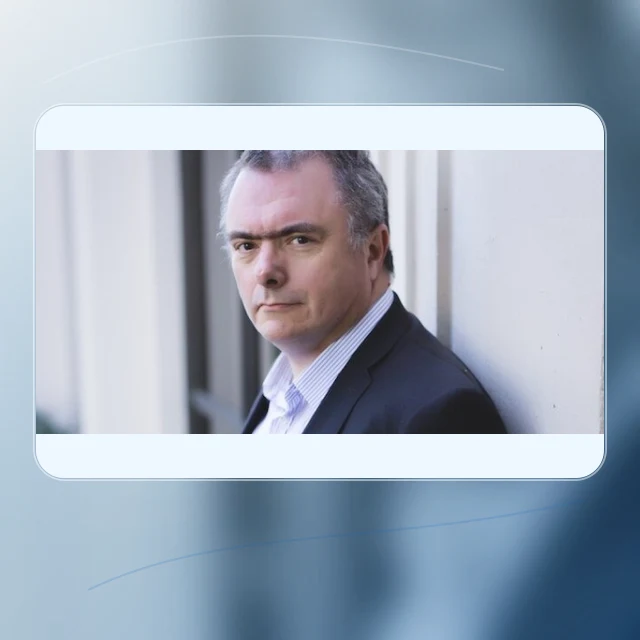
1995
Paul Vixie (1995): Principal developer of BIND, the most widely used DNS server software; improved DNS reliability and security.
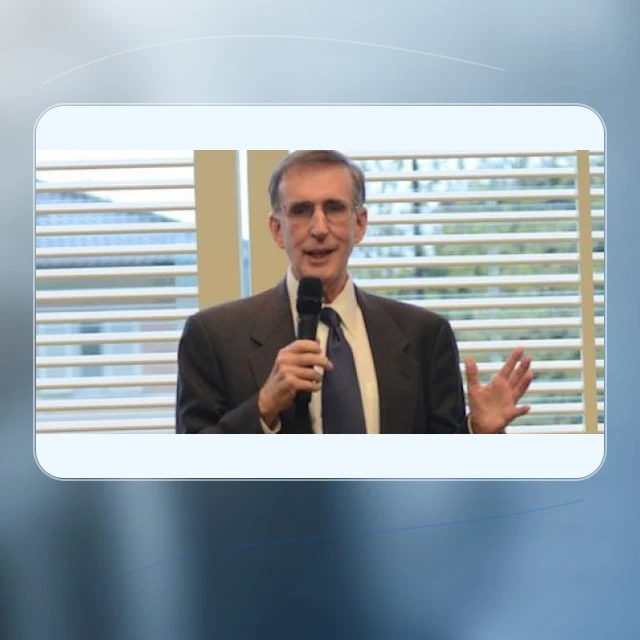
1996
Larry Landweber (1996): Created CSNET and helped connect over 25 countries to the early Internet, bridging academia and policy.
1997
Radia Perlman (1997): Authored Interconnections, formalizing network protocol design principles and influencing Internet routing education.
1998
Jon Postel (1998): Demonstrated control over the DNS root servers and led the IANA transition, symbolizing his lifelong role.
1998
Vint Cerf & Bob Kahn (1998): Helped found ICANN and promoted the institutional frameworks for managing Internet naming and numbering globally.
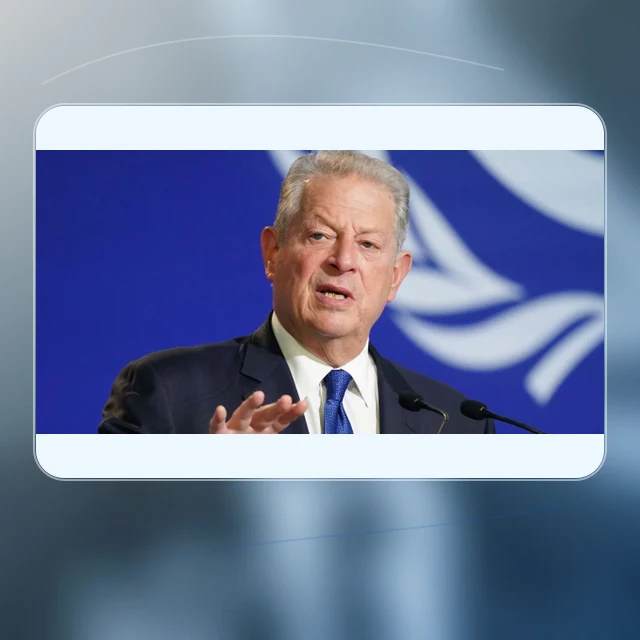
1999
Al Gore (1999): Sponsored the 1991 High Performance Computing and Communications Act, which funded Internet expansion — earning the nickname "the Information Superhighway."
Internet Milestones
A decade-by-decade guide to the experiments, protocols, standards, networks, and institutions that turned internetworking into shared global infrastructure.
1962-1965
Packet switching becomes a practical networking idea
Paul Baran and Donald Davies separately formalize packet-switched communication, giving later research networks a way to move data without relying on circuit-switched telephony.
Paul Baran, Donald Davies
RAND, National Physical Laboratory
1969
ARPANET sends its first message
The first host-to-host ARPANET message travels between UCLA and SRI, turning packet networking from research architecture into an operating experiment.
Leonard Kleinrock, Charley Kline, Bill Duvall
UCLA, SRI, ARPA
1971
Email becomes the first durable social application of the network
Ray Tomlinson adapts network mail between machines, making person-to-person communication one of the internet's earliest reasons to exist.
Ray Tomlinson
BBN, ARPANET
1974
TCP paper defines internetworking as an open architecture
Vint Cerf and Bob Kahn publish the TCP paper and give the network a protocol model for connecting heterogeneous networks into an internet.
Vint Cerf, Bob Kahn
DARPA
1977
Three-network TCP/IP test proves internetworking across media
Packet radio, satellite, and ARPANET paths carry traffic through a common protocol design, showing that an internet can survive different physical networks.
Vint Cerf, Jon Postel, Bob Kahn
DARPA research community
1983
TCP/IP flag day makes the modern internet operational
ARPANET hosts move from NCP to TCP/IP on January 1, 1983, making the protocol suite an operational foundation rather than a research proposal.
Vint Cerf, Bob Kahn, Jon Postel, Steve Crocker
DARPA, ARPANET community
1983-1984
DNS turns names into distributed internet infrastructure
Paul Mockapetris and the early naming community replace host tables with the Domain Name System, giving the expanding network a scalable naming layer.
Paul Mockapetris, Jon Postel
USC/ISI, IANA
1986
NSFNET expands academic networking into a backbone
The NSFNET programme links supercomputing centres and research institutions, creating a backbone that helps move the internet beyond its original defence research context.
National Science Foundation, regional academic networks
Late 1980s
Routing growth forces inter-domain coordination
As networks multiply, operators move toward scalable inter-domain routing practices that later make BGP and routing security central to internet operations.
Network operators and routing researchers
IETF, operator community
1989 / 1990
Archie makes distributed network resources discoverable
Alan Emtage creates Archie, showing that the internet also needs discovery systems, not only transport and addressing.
Alan Emtage
McGill University
1989 / 1991
The World Wide Web opens the internet to publishing and navigation
Tim Berners-Lee proposes and implements HTTP, HTML, URLs, and early browser/server software, turning the network into a global information space.
Tim Berners-Lee, Robert Cailliau
CERN
1992
Regional number coordination takes institutional form
Regional internet growth creates the need for durable address allocation institutions, with APNIC emerging in the Asia-Pacific coordination context.
Regional operators and registry builders
APNIC, RIR community
1993
El Salvador joins the global internet story
Local builders connect national academic and technical communities into the global network, showing how internet history is made outside the original centres of research funding.
Lito Ibarra
El Salvador internet community
1998
ICANN is formed to coordinate global identifiers
ICANN becomes the institutional home for DNS and identifier coordination debates, moving internet governance into a more formal multi-stakeholder structure.
Jon Postel, Vint Cerf, global governance community
ICANN, IANA community
1998
IPv6 is specified in RFC 2460
The IETF publishes RFC 2460, preserving the internet's ability to scale addressing beyond IPv4 exhaustion and making protocol stewardship a generational task.
Brian Carpenter, IETF IPv6 community
IETF
1986 / 1992
Latin American academic networks become regional infrastructure
Builders in Chile, Venezuela, Argentina, and neighbouring communities turn research connectivity into lasting regional internet capacity.
Florencio Utreras, Ermanno Pietrosemoli, Olga Cavalli
Latin American academic and governance communities
2000s
African technical communities expand capacity and participation
Training, software communities, and advocacy broaden who can build, operate, and govern internet infrastructure.
Dorcas Muthoni
African technology and internet communities
2000s
Operational analysis becomes part of internet stewardship
Routing, addressing, measurement, and security analysis become essential to explaining where the global network is resilient and where it is fragile.
Geoff Huston
APNIC Labs, operator community
2016
IANA stewardship transition completes
The transition marks a major governance shift from US government oversight toward the global multi-stakeholder community.
ICANN, IANA community, global internet governance community
2010s / 2020s
Routing security becomes a core public-interest issue
RPKI, MANRS, and operator coordination make routing security part of the internet's institutional memory and daily operational discipline.
Routing security researchers and operators
IETF, RIRs, operator community
2024
Internet history becomes a source-backed archive
Measurement archives, oral histories, and editorial collections make internet history itself a field of stewardship for the next generation.
Jim Cowie and internet history researchers
Internet History Initiative
Published Records
Published interviews, profiles, and historical reporting from BTW Media's History of the Internet collection.

The Electric Postcard made a friendly hello into a small Web expedition. In the mid-1990s, the email delivered the invitation; a server kept the greeting behind the pickup window.
Read Record
The CSS Selector That Refused to Win an Argument
One link, two perfectly reasonable instructions, and suddenly the stylesheet needs a lawyer. The W3C’s example pits a general rule for quiet links against a navigation rule that wants its underline back. The general rule wins on selector weight, even where the local author wanted the last word. `:where()` gave CSS a wonderfully odd option: match with precision, then decline the extra voting power.
Read Record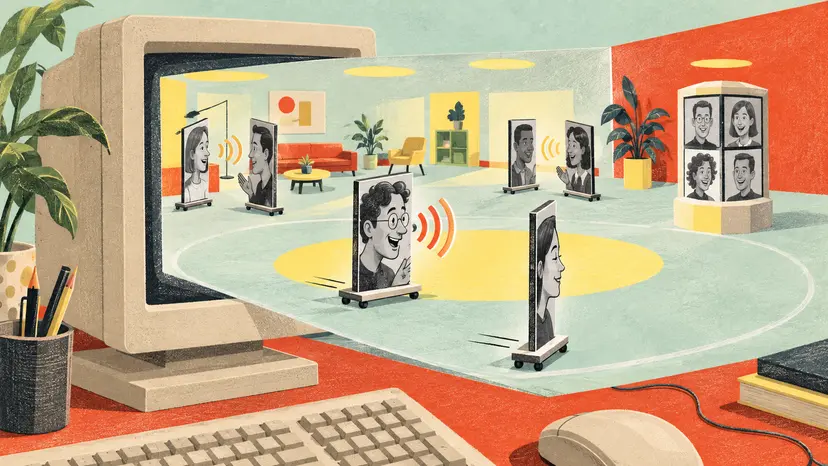
The Video Call Let You Walk Away. Your Colleague Could Follow.
Cornell’s 1996 CU-SeeMe VR prototype gave a conversation some floor space. Moving across it changed the sound, the view and eventually the streams your computer requested.
Read Record
The CSS Variable Went to a Job Interview. The Browser Asked Its Type.
A designer wants a gradient to drift from red to green. A custom property can carry both colors, yet a browser needs to know what sort of value it is before it can draw the journey between them. The CSS Properties and Values API turned the loose note into a registered property with a type, a starting value and an inheritance rule. The value finally came with instructions.
Read Interview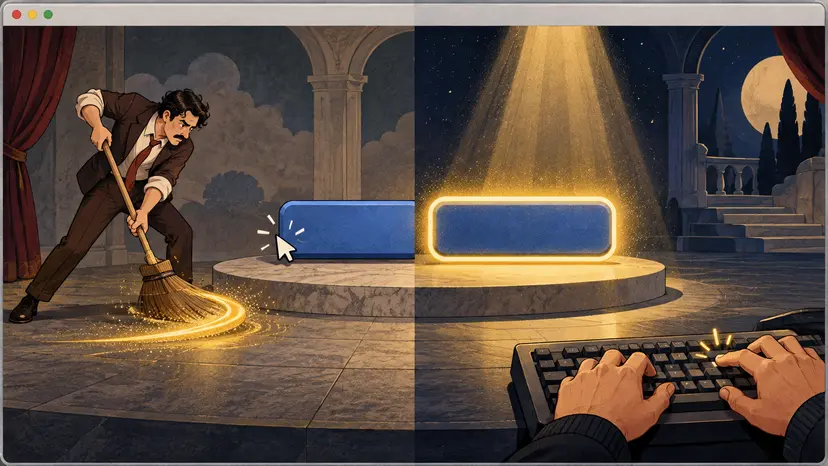
The Focus Ring Was Fired. The Keyboard Hired It Back.
The outline around a button annoyed somebody with a mouse. They erased it. The next reader arrived with a keyboard and lost their place. CSS `:focus-visible` gave browsers a way to distinguish the two journeys while letting a site draw a focus mark worth seeing. The story of that small selector is a story about who knows where the reader is.
Read Record
Early sister wikis exchanged page names overnight. The small links that appeared the next day carried a surprisingly large decision: whose version should you read, and where should you write your own?
Read Record
The Tooltip Found Its Button. Then the Screen Ran Out of Room.
A help bubble belongs beside the button that opened it. Put that button near the right edge of a phone and the bubble may take half its explanation offscreen. Old coordinate guesses need constant chaperoning. CSS Anchor Positioning gave the bubble a named place to stand and a list of other places to try when the first choice runs out of page.
Read Record
The Search Game That Had to Hide Its Winners
Googlewhack rewarded a search with one result. Announcing the discovery could produce another. Its little trophy cabinet needed a crawler policy.
Read Record
An article card gains a picture, but the outer card still wears the layout it chose for text alone. CSS has spent years telling children what to wear; the parent would like one simple report from inside the house. The relational selector `:has()` lets an element ask whether a particular descendant—or even a following sibling—exists before choosing its own look.
Read Record
The Universe Had an Alias Problem
SIMBAD put an astronomical filing system behind a web form in 1996. Its 2000 account explains why even a database of millions of names sometimes had to ask for a longer one.
Read Record
The Scrollbar Fired the Clock and Took the Director’s Chair
A reader scrolls back to inspect a chart. The chart’s little animation finished thirty seconds ago and refuses to rehearse. The scrollbar has moved backward; the story on screen has not. Scroll-driven Animations gave the browser a better conductor: the reader’s position can drive the scene, in either direction.
Read Record
The Browser Froze the Old Page So the New One Could Make an Entrance
A card opens into a full story. The site wants it to glide there, yet the old card has already left the document. Before View Transitions, designers often kept both versions on stage to fake the journey. The browser arrived with a camera and a much neater trick: keep the old picture for a moment while the page changes for real.
Read Record
GIMPS found a record prime in 2008. Confirming its exact place among Mersenne primes took until 2018—and a great deal of checking results that offered nothing to celebrate.
Read Record
Hubble Heritage put gorgeous space pictures on the web. Its 2005 Whirlpool Galaxy release also let visitors take home the patient work behind the glamour.
Read Record
A browser finishes drawing a frame and finds a sliver of quiet before the next click, animation or message. A webpage arrives with a list of chores and the confidence of someone who has never seen a deadline. The `requestIdleCallback` story is about who gets to name that quiet moment—and how quickly it disappears.
Read Record
The Website That Wanted You to Leave
Old Maps Online had an unusual ambition for a website: get the visitor to the right library, quickly. Its 2012 search engine made old maps easier to find by putting geography ahead of catalogue knowledge.
Read Record
The Headset Button Demanded a DJ. The Browser Held Auditions.
One finger presses pause on a headset. The browser has a music tab, a podcast tab and a video tab, each ready to insist the command was meant for it. Media Session gave the browser a switchboard: choose an active player, show its identity on the device, and carry the listener’s instruction to the right page.
Read Record
The Recipe Told the Screen to Stay Awake. The Battery Had Other Plans.
A cook is halfway through kneading dough when the tablet goes dark. The recipe has not finished speaking; the device has decided the kitchen is quiet. A web page can ask for more screen time. The history of Screen Wake Lock is the story of who gets the final word.
Read Record
In 1997, JPL put a mission-visualisation tool on the web. Visitors could choose their view of the solar system; the people running the picture still had to keep its assumptions in order.
Read Record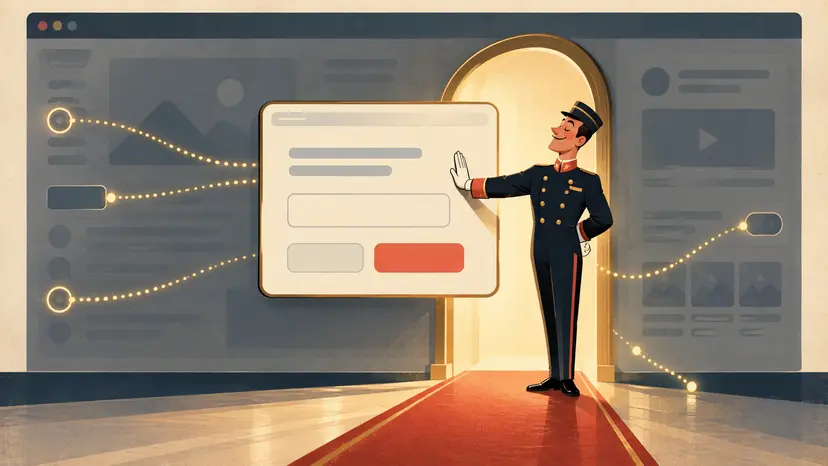
The Web Page’s Dialog Hired a Doorman
The subscription box is gorgeous. Its button gleams. Its shadow could win an award. Press Tab, though, and the keyboard wanders through the page behind it. The box has a costume, but nobody is minding the door. HTML’s `dialog` element gave the browser that job.
Read Record