Celles et ceux qui ont bâti le réseau
Chercheurs, ingénieurs, opérateurs et leaders communautaires dont les choix ont structuré l'architecture ouverte d'Internet.

Collection éditoriale BTW Media
Internet n'est pas né comme un système achevé. Il a été construit pendant des décennies par des chercheurs, ingénieurs, opérateurs, institutions et communautés qui ont choisi l'ouverture, l'interopérabilité et une gouvernance partagée, avant que le monde ne sache ce que le réseau allait devenir.
Histoire d'Internet est l'archive éditoriale de BTW Media consacrée aux personnes, protocoles, institutions et tournants qui ont façonné le réseau mondial.
Chercheurs, ingénieurs, opérateurs et leaders communautaires dont les choix ont structuré l'architecture ouverte d'Internet.
TCP/IP, DNS, routage, e-mail, Web, ressources de numérotation et processus de normalisation ont rendu l'interopérabilité mondiale possible.
Entretiens, profils et archives témoignent de la manière dont Internet a été imaginé, gouverné, étendu et défendu.
La collection réunit entretiens, profils, reportages sourcés et analyses historiques sur les bâtisseurs et témoins de l'ère Internet.
Cette page retrace la manière dont des décisions individuelles, des principes techniques, des institutions publiques et des communautés régionales sont devenus une infrastructure à l'échelle de la civilisation.
Pour les personnes recensées ici, ce registre consigne leur contribution. Pour les lecteurs, c’est une cartographie de la manière dont Internet est devenu l’un des systèmes partagés par l’humanité.
Série
De la théorie de la commutation par paquets au World Wide Web, cette carte relie les personnes, les décisions de protocole et les transitions de gouvernance qui ont façonné le réseau mondial.
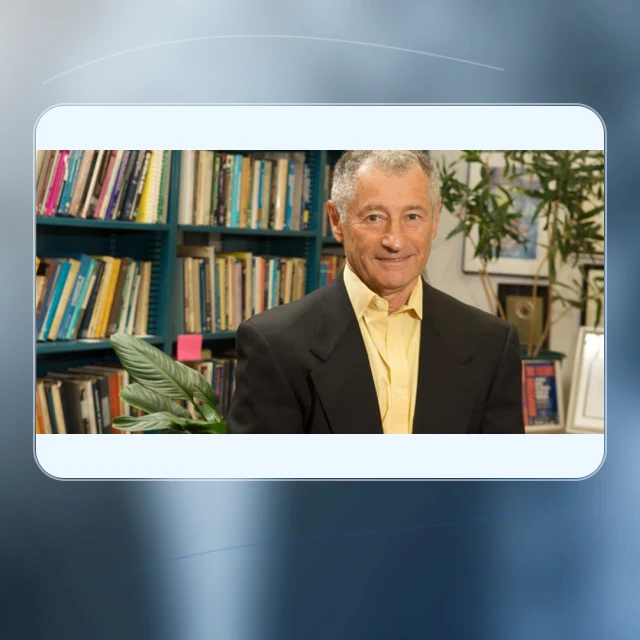
1961
Contribution enregistrée
Leonard Kleinrock (1961) : A publié les premiers travaux sur la commutation de paquets et le flux d'informations qui ont fourni les bases mathématiques pour diviser les messages en paquets.
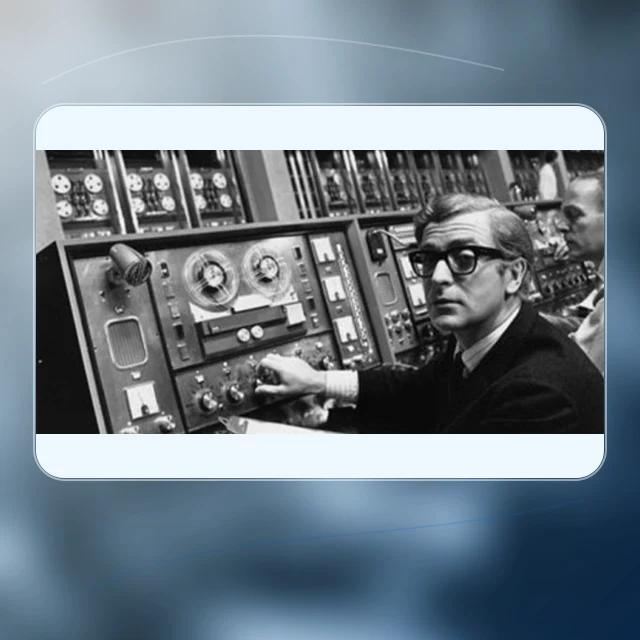
1962 / 1963
Contribution enregistrée
J.C.R. Licklider (1962 / 1963) : A articulé la vision du « Réseau informatique intergalactique » qui a inspiré les objectifs de mise en réseau de l'ARPA et l'idée d'un espace informatique commun connecté à l'échelle mondiale.
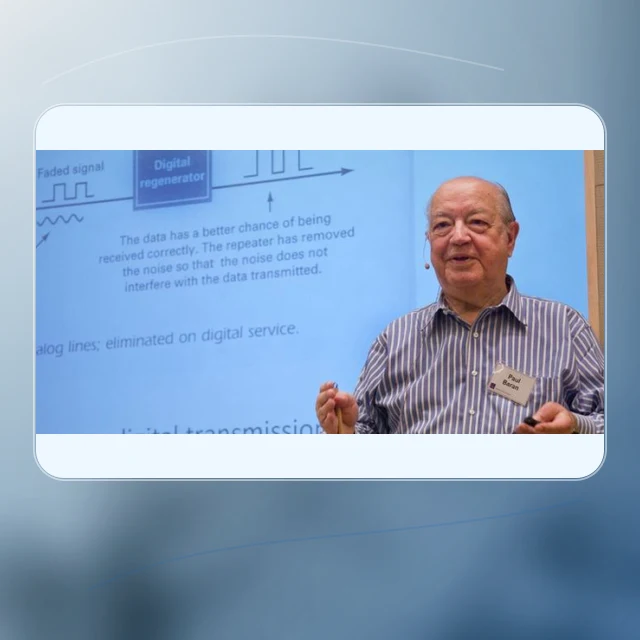
1964
Contribution enregistrée
Paul Baran (1964) : Le mémorandum RAND « On Distributed Communications » exposait des concepts de réseaux distribués conçus pour survivre — un précurseur conceptuel clé des réseaux de paquets qui ont suivi.
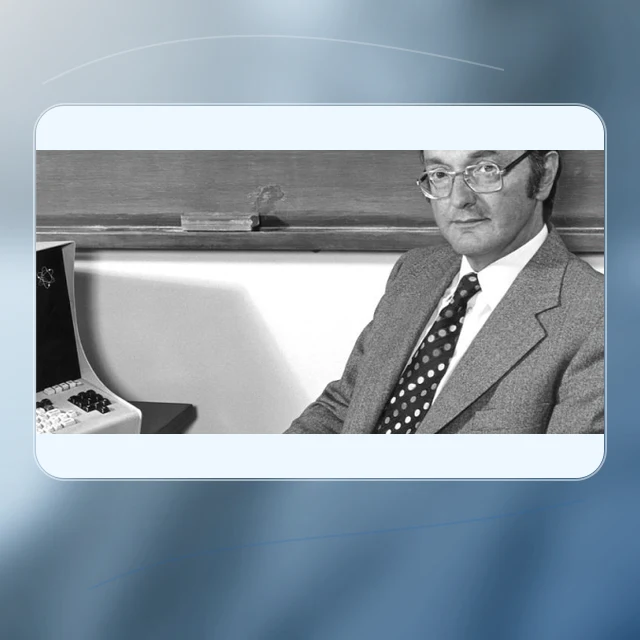
1965
Contribution enregistrée
Donald Davies (1965) : A inventé le terme « packet » et a fait progresser l’architecture pratique de la commutation de paquets au National Physical Laboratory (Royaume-Uni).
1968
Contribution enregistrée
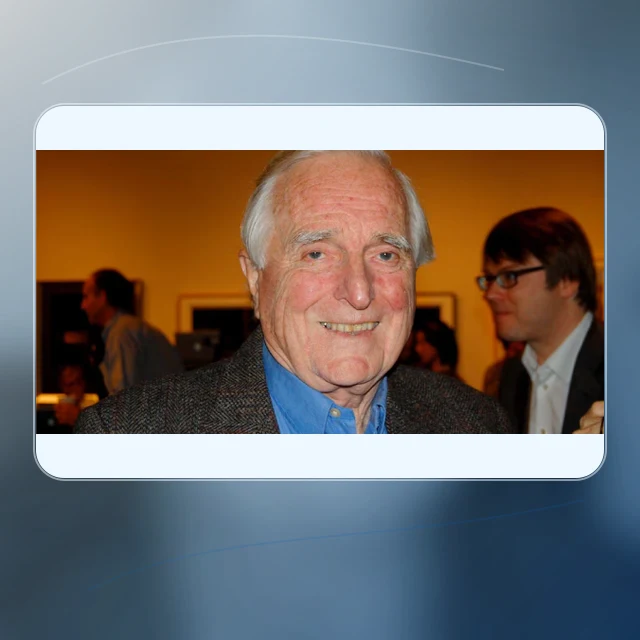
Douglas Engelbart (1968) : A démontré le système oN-Line (NLS) lors de la "Mother of All Demos" — montrant l'hypertexte, l'édition partagée, la souris et d'autres concepts interactifs qui ont façonné les futurs outils en ligne.
1969
Contribution enregistrée
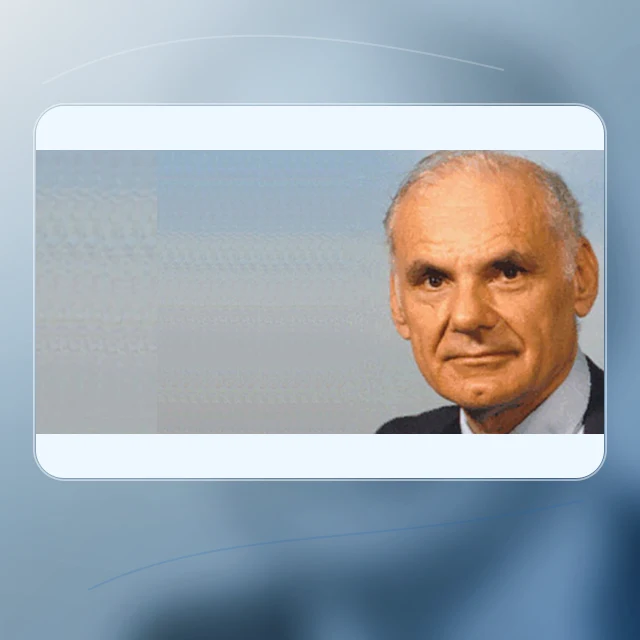
Lawrence (Larry) Roberts (1969) : En tant que responsable du programme ARPA, il a conçu et dirigé la construction d'ARPANET, transformant les propositions de commutation de paquets en le premier réseau de recherche opérationnel.
1969
Contribution enregistrée
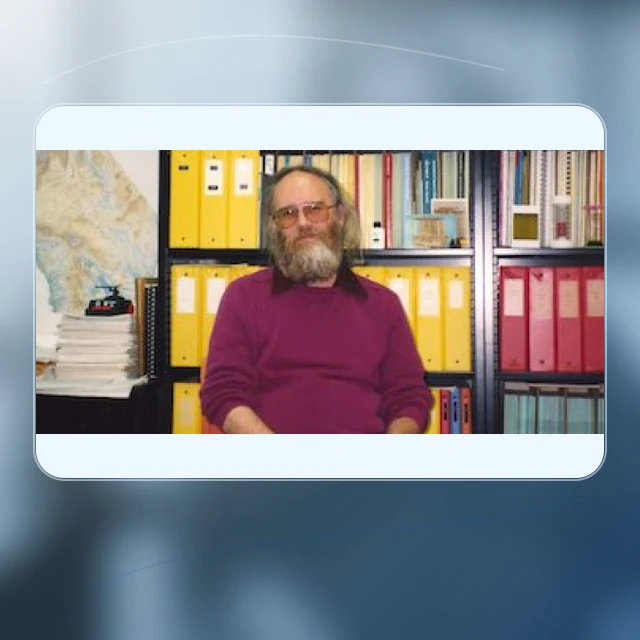
Jon Postel (1969) : Il est devenu central dans la série des RFC et a commencé sa longue gestion de la documentation et de la numérotation des protocoles — l'autorité de numérotation d'Internet.
1969
Contribution enregistrée
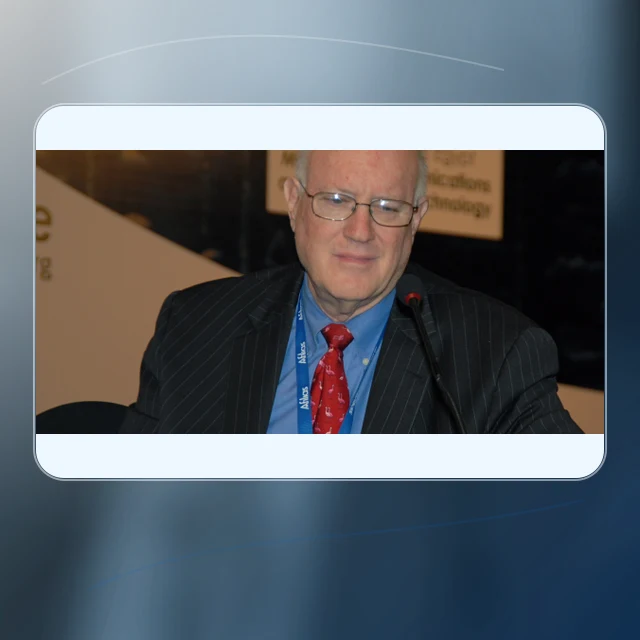
Steve Crocker (1969) : Il a été à l'origine du groupe de travail « Network Working Group » de l'ARPANET et a créé la série des Request for Comments (RFC) — le principal mécanisme de documentation ouverte pour les protocoles Internet.
1972–1973
Contribution enregistrée
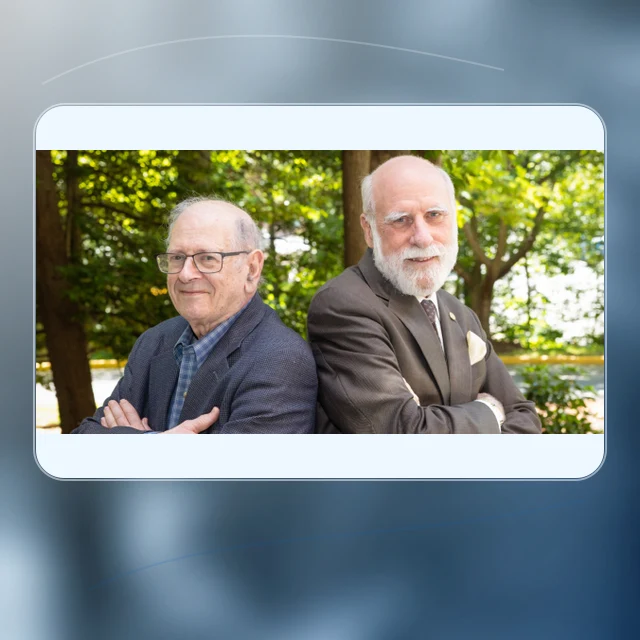
Vint Cerf & Bob Kahn (1972–1973) : Co-conçu le protocole de contrôle de transmission (TCP) puis TCP/IP, permettant la communication entre plusieurs réseaux — la naissance de l'interconnexion de réseaux.
1973
Contribution enregistrée
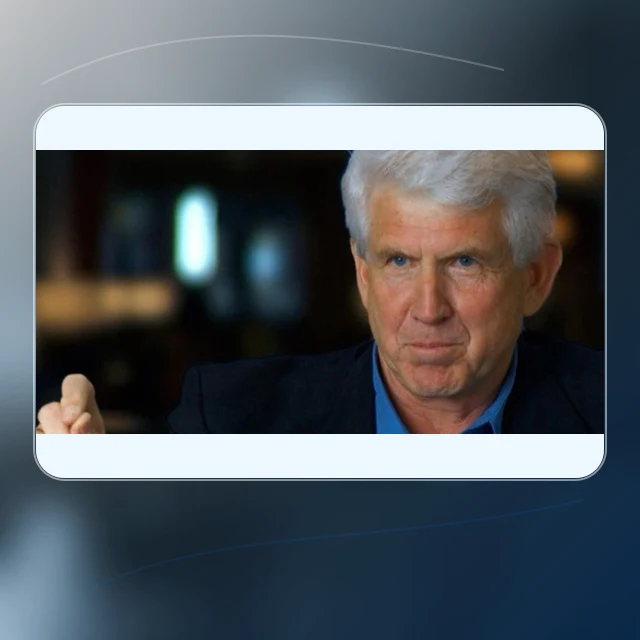
Robert Metcalfe (1973) : A inventé Ethernet au Xerox PARC, rendant le réseau local rapide et évolutif pour les environnements de bureau et de campus.
1973–1975
Contribution enregistrée
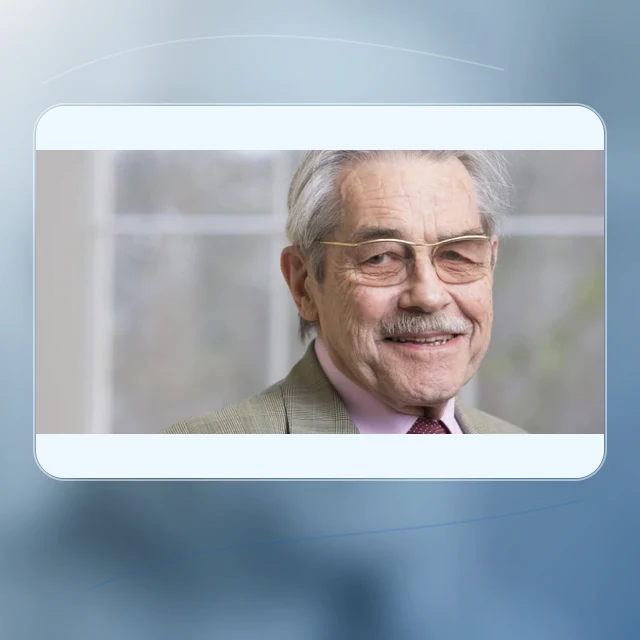
Louis Pouzin (1973–1975) : A développé CYCLADES en France, un réseau de paquets à base de datagrammes qui a directement influencé la conception de TCP/IP.
1973
Contribution enregistrée
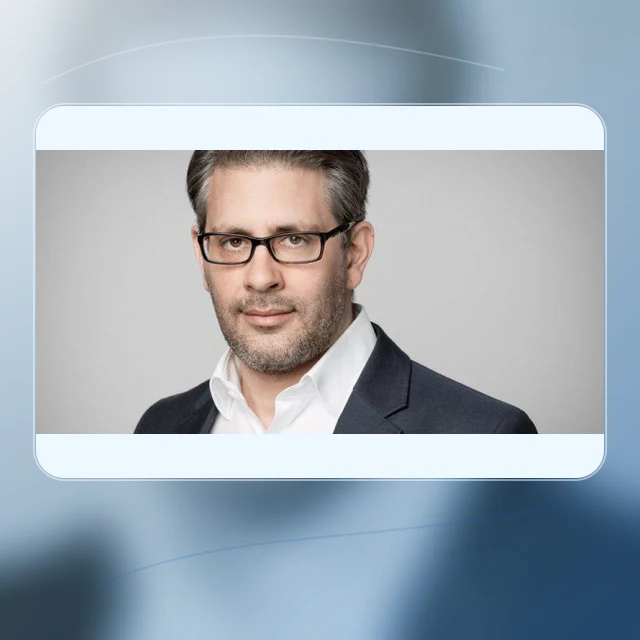
Danny Cohen (1973) : Pionnier des premières transmissions vocales par paquets et des concepts d'endianness, essentiels pour l'interopérabilité des systèmes TCP/IP.
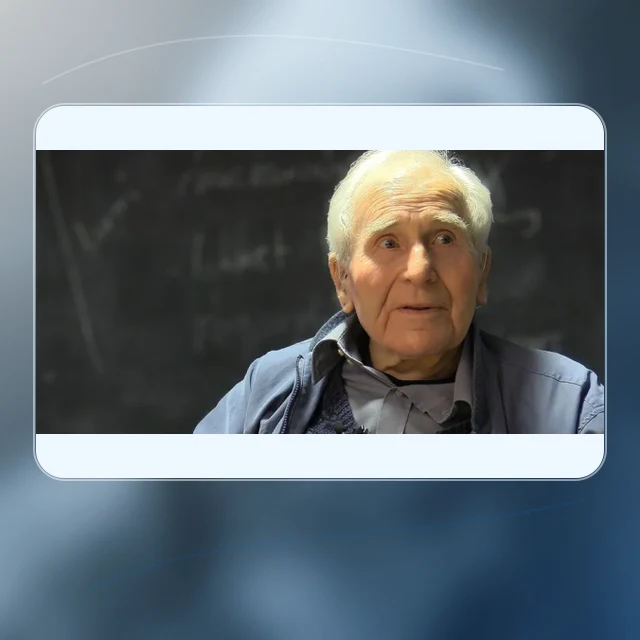
1975
Contribution enregistrée
Yngvar G. Lundh (1975) : A promu et mis en œuvre les premiers réseaux à commutation de paquets en Scandinavie, reliant les réseaux de recherche européens.
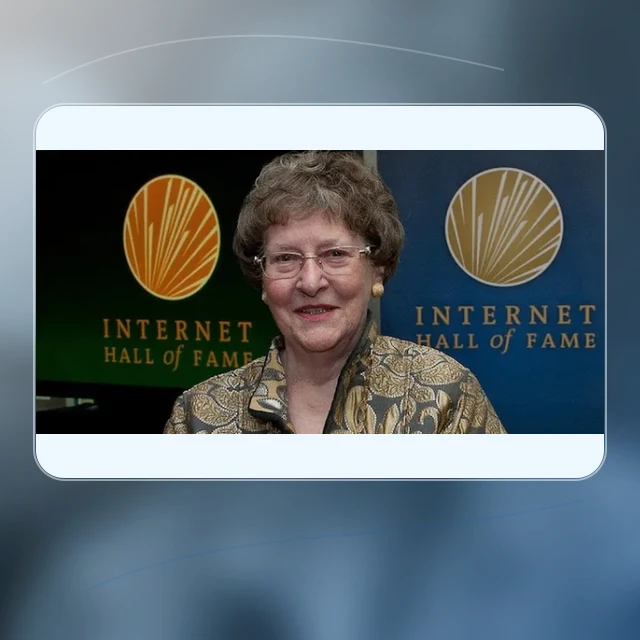
1976
Contribution enregistrée
Elizabeth "Jake" Feinler (1976) : A dirigé le centre d'information du réseau ARPANET (NIC) au SRI, en tenant à jour l'annuaire officiel des noms d'hôtes avant le DNS.
1977
Contribution enregistrée
Pål Spilling (1977) : A contribué à établir les premières liaisons ARPANET en Europe et a co-écrit les premières expériences Internet (TCP/IP) entre continents.
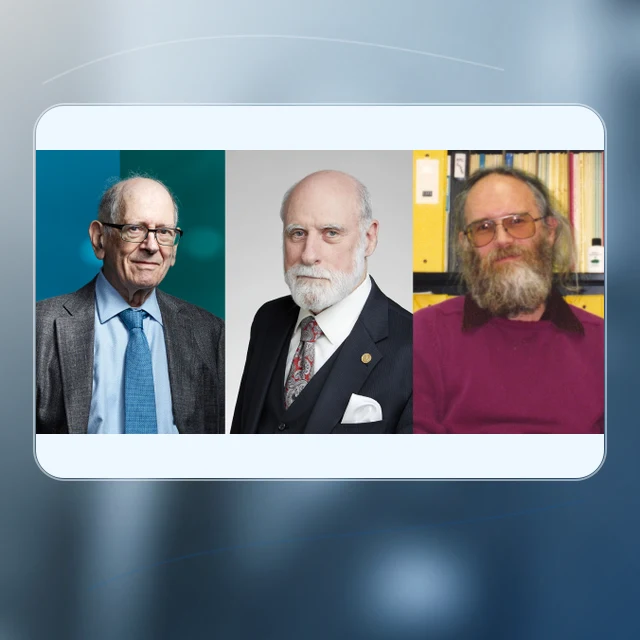
1977
Contribution enregistrée
Bob Kahn, Vint Cerf & Jon Postel (1977) : A effectué le premier test TCP/IP sur trois réseaux (ARPANET, SATNET, PRNET), prouvant la viabilité de l'architecture.
1978
Contribution enregistrée
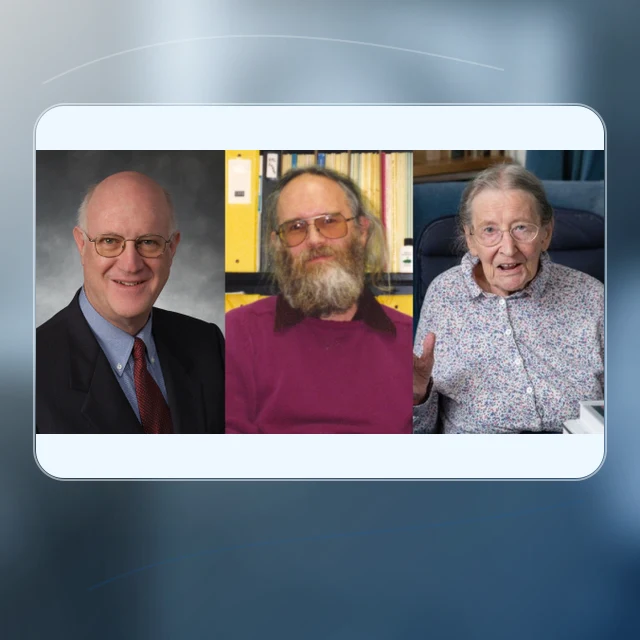
Steve Crocker, Jon Postel & Joyce Reynolds (1978) : A dirigé la coordination initiale de protocoles de type IETF et la continuité de la série des RFC — le cœur du processus actuel de standards ouverts.

1979
Contribution enregistrée
Radia Perlman (1979) : A développé les premiers algorithmes de routage qui ont évolué vers le Spanning Tree Protocol (finalisé en 1985).

1981–1983
Contribution enregistrée
Paul Mockapetris (1981–1983) : Il a inventé le système de noms de domaine (DNS) pour remplacer le fichier central HOSTS.TXT. Il a introduit un nommage hiérarchique et distribué par les RFC 882/883.
1981
Contribution enregistrée
Danny Cohen (1981) : A publié « On Holy Wars and a Plea for Peace », formalisant le concept d'ordre des octets (« endianness »).
1982
Contribution enregistrée
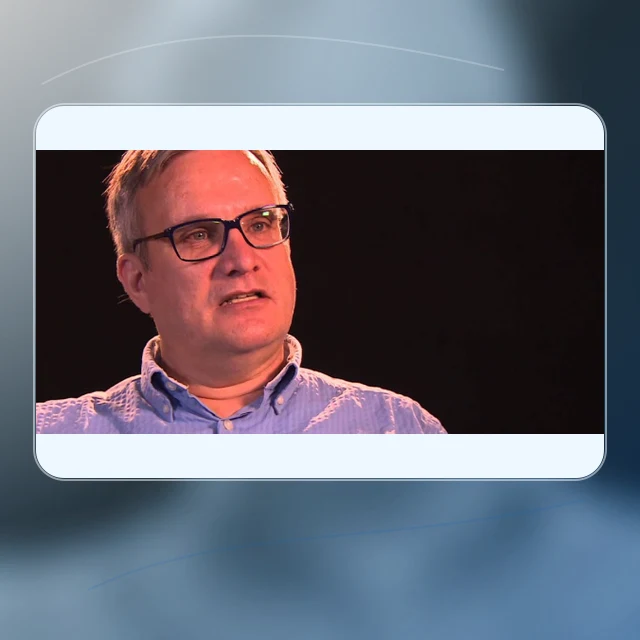
Daniel Karrenberg (1982) : A contribué à la construction d’EUnet, le premier fournisseur d’accès à Internet paneuropéen (FAI), et a été l’un des fondateurs du RIPE en 1989.
1982–1983
Contribution enregistrée
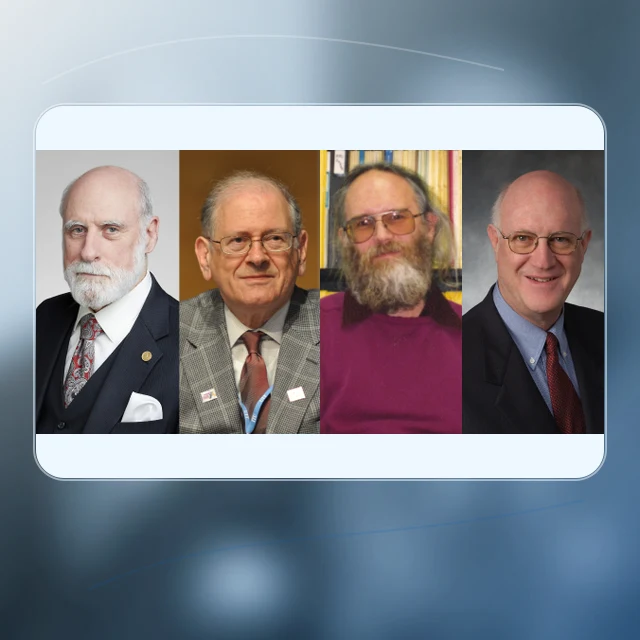
Vint Cerf, Bob Kahn, Jon Postel & Steve Crocker (1982–1983) : A supervisé le « flag day » du 1er janvier 1983, le passage du NCP au TCP/IP — la naissance opérationnelle de l'Internet moderne.

1983–1984
Contribution enregistrée
Radia Perlman (1983–1984) : A développé le protocole Spanning Tree (STP), qui a rendu les réseaux Ethernet fiables et sans boucle.

1984
Contribution enregistrée
Mike Muuss (1984) : A créé ping, l'un des outils de diagnostic les plus simples et les plus durables dans le domaine des réseaux.
1984–1986
Contribution enregistrée
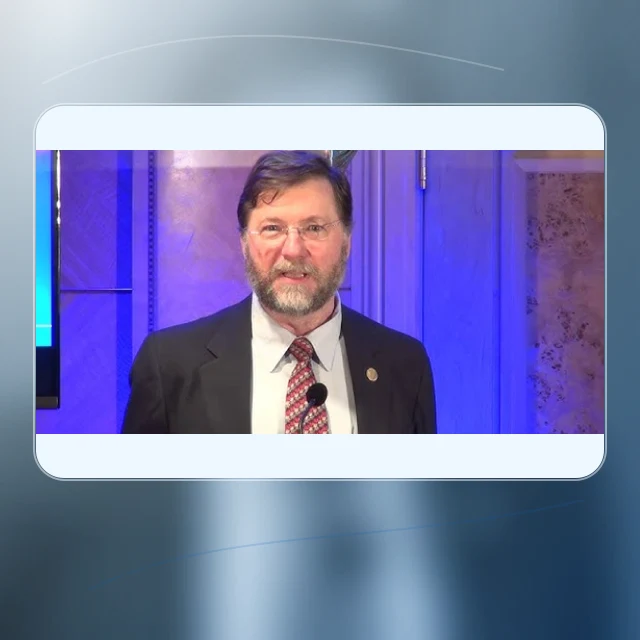
Eric Allman (1984–1986) : A écrit Sendmail, le premier système généraliste de transport de courrier électronique sur Internet, essentiel pour l’interopérabilité mondiale du courrier électronique.
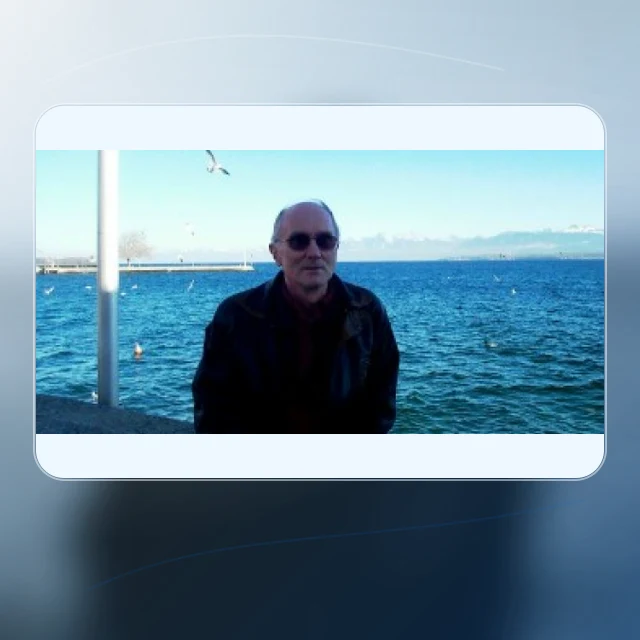
1985
Contribution enregistrée
Brian Carpenter (1985) : A dirigé l’élaboration de normes clés de l’Internet et présidé des groupes de travail de l’IETF, en promouvant IPv6 et la cohérence architecturale.
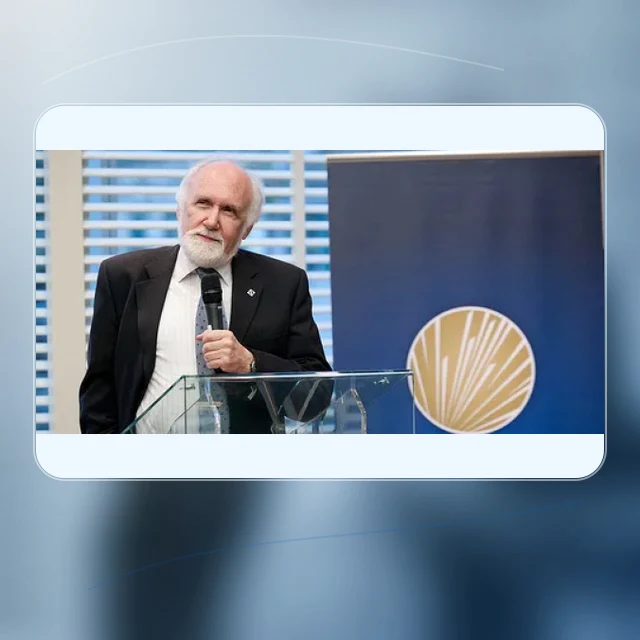
1986
Contribution enregistrée
John Klensin (1986) : Premiers travaux importants sur SMTP, FTP et l'internationalisation des protocoles Internet.
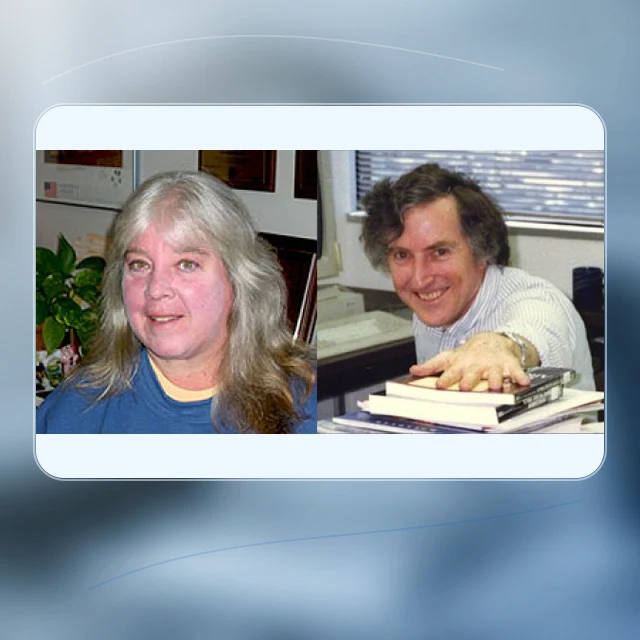
1987
Contribution enregistrée
Joyce K. Reynolds & Bob Braden (1987) : A contribué à la rédaction des RFC, à la documentation TCP/IP et à la coordination des groupes de recherche Internet.
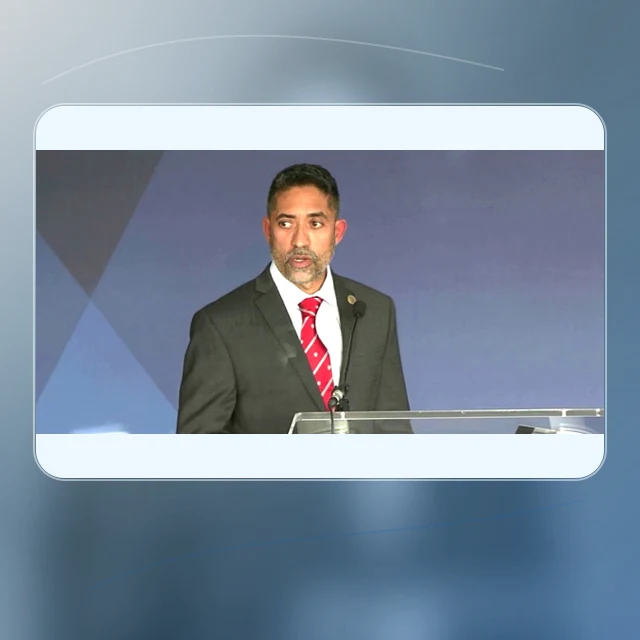
1989
Contribution enregistrée
Alan Emtage (1989) : A développé Archie, le premier moteur de recherche Internet, permettant aux utilisateurs de trouver des fichiers sur les serveurs FTP.

1990 / 1991
Contribution enregistrée
Tim Berners-Lee (1990 / 1991) : Inventeur du World Wide Web au CERN, il a créé HTTP, HTML, le premier serveur web et le premier navigateur, transformant l'infrastructure réseau en un système mondial de publication et d'information.
1991
Contribution enregistrée
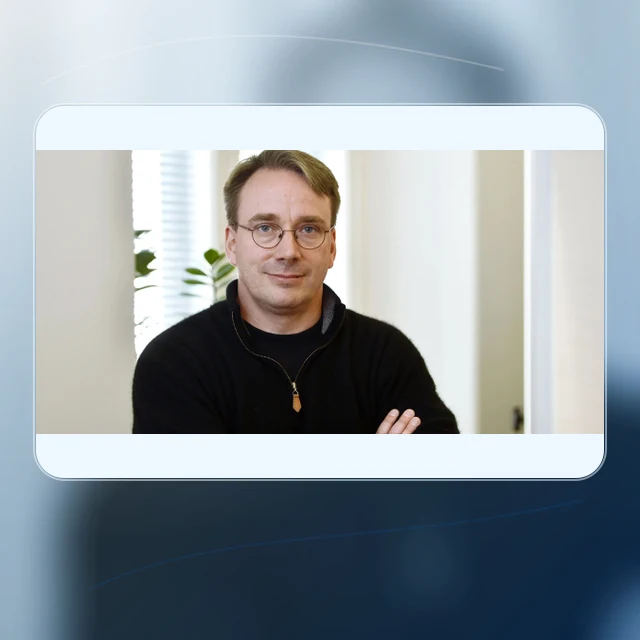
Linus Torvalds (1991) : A créé le noyau Linux, qui est devenu une pierre angulaire de l'infrastructure Internet, des serveurs web et de l'informatique open source.

1991
Contribution enregistrée
Jianping Wu (1991) : A dirigé le développement de CERNET, le premier réseau Internet académique de Chine, reliant les universités à travers le pays.
1991
Contribution enregistrée
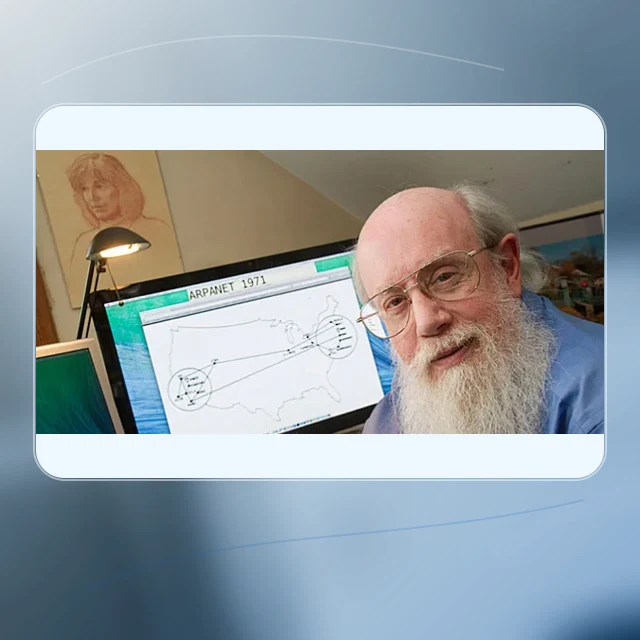
Scott Bradner (1991) : Figure clé de la normalisation à l'IETF et de la gouvernance d'Internet ; a contribué à définir les premières politiques Internet et la gestion des protocoles.
1992
Contribution enregistrée
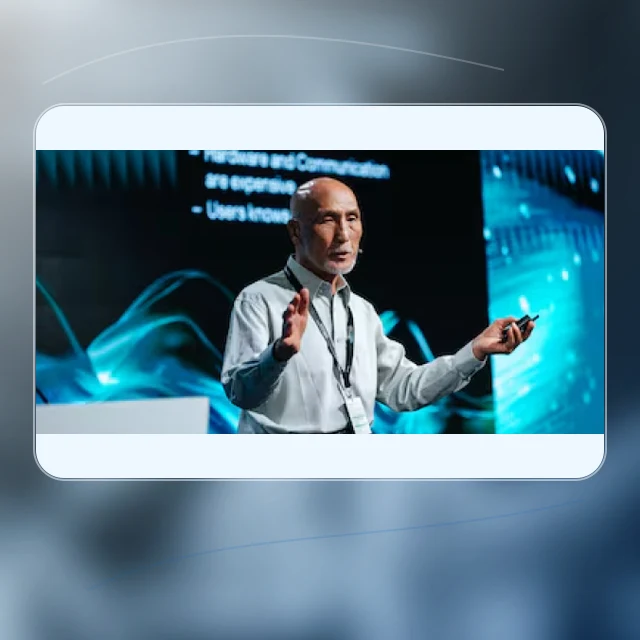
Kilnam Chon (1992) : A construit KREONET, le réseau de recherche coréen, pionnier de la connectivité Internet en Asie.

1993
Contribution enregistrée
Marc Andreessen (1993) : Co-développeur de Mosaic, le premier navigateur web graphique grand public, qui a popularisé le Web et inspiré Netscape.

1993
Contribution enregistrée
Robert Cailliau (1993) : A collaboré avec Berners-Lee au CERN pour promouvoir et perfectionner le World Wide Web et son premier navigateur/serveur.
1994
Contribution enregistrée
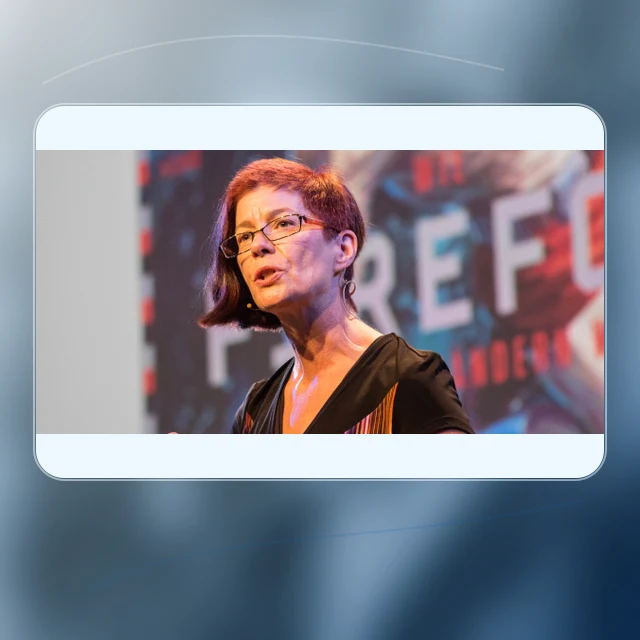
Mitchell Baker (1994) : A dirigé le projet Mozilla, défendant les standards ouverts du Web et le développement de navigateurs piloté par la communauté.
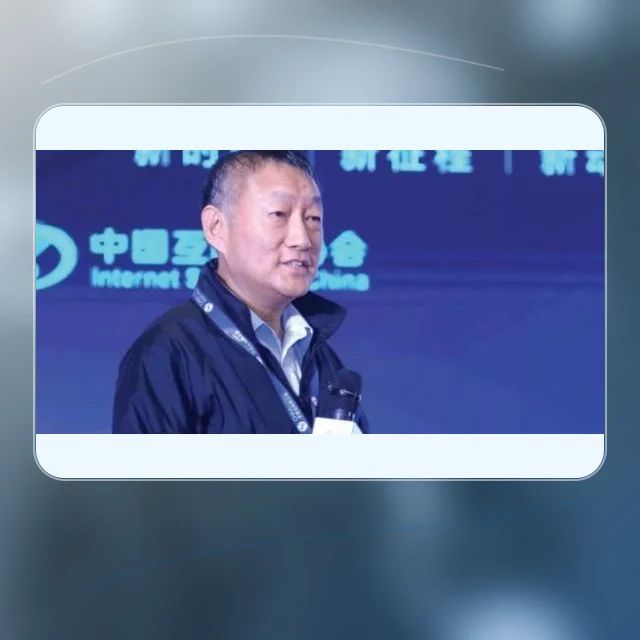
1994
Contribution enregistrée
Xing Li (1994) : Architecte de CERNET, le premier réseau académique de Chine (1994), et l'un des premiers défenseurs de l'IPv6 pour l'Asie-Pacifique.
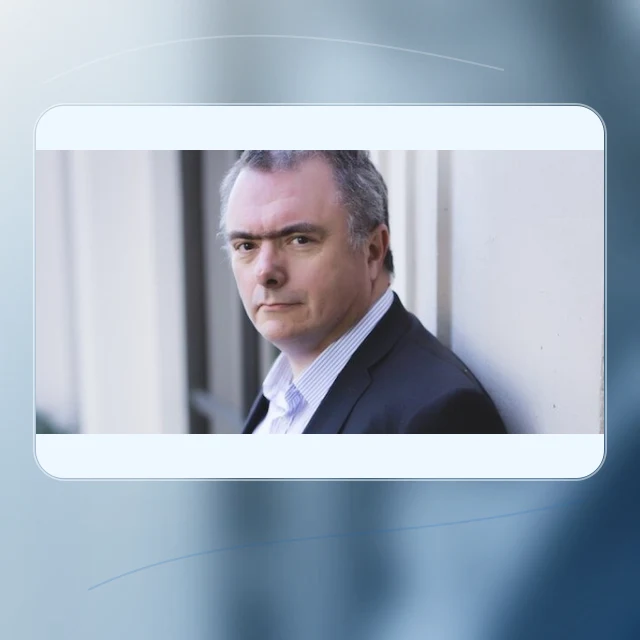
1995
Contribution enregistrée
Paul Vixie (1995) : Développeur principal de BIND, le logiciel serveur DNS le plus utilisé ; a amélioré la fiabilité et la sécurité du DNS.
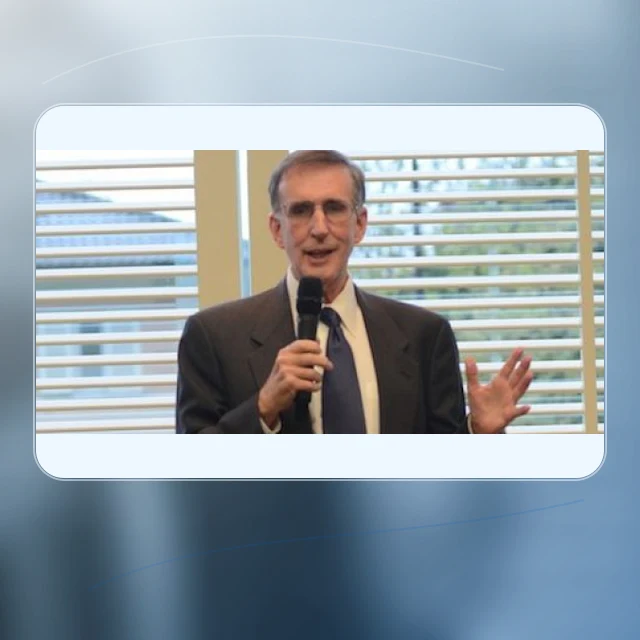
1996
Contribution enregistrée
Larry Landweber (1996) : A créé le CSNET et a contribué à connecter plus de 25 pays aux débuts de l'Internet, faisant le lien entre le monde universitaire et la politique.
1997
Contribution enregistrée
Radia Perlman (1997) : A écrit Interconnections, qui a formalisé les principes de conception des protocoles réseau et influencé l’enseignement du routage Internet.
1998
Contribution enregistrée
Jon Postel (1998) : A démontré son contrôle des serveurs racine du DNS et dirigé la transition de l'IANA, symbolisant son rôle de toujours.
1998
Contribution enregistrée
Vint Cerf & Bob Kahn (1998) : A contribué à fonder l'ICANN et a promu les cadres institutionnels de la gestion des noms et des numéros d'Internet à l'échelle mondiale.
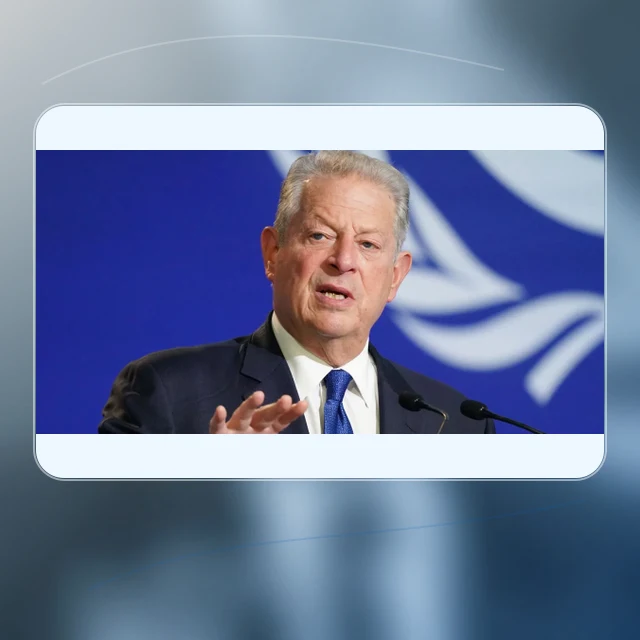
1999
Contribution enregistrée
Al Gore (1999) : A parrainé la loi de 1991 sur le calcul haute performance et les communications, qui a financé l'expansion d'Internet — ce qui lui a valu le surnom d'« autoroute de l'information ».
Leonard Kleinrock (1961) : A publié les premiers travaux sur la commutation de paquets et le flux d'informations qui ont fourni les bases mathématiques pour diviser les messages en paquets.
J.C.R. Licklider (1962 / 1963) : A articulé la vision du « Réseau informatique intergalactique » qui a inspiré les objectifs de mise en réseau de l'ARPA et l'idée d'un espace informatique commun connecté à l'échelle mondiale.
Paul Baran (1964) : Le mémorandum RAND « On Distributed Communications » exposait des concepts de réseaux distribués conçus pour survivre — un précurseur conceptuel clé des réseaux de paquets qui ont suivi.
Donald Davies (1965) : A inventé le terme « packet » et a fait progresser l’architecture pratique de la commutation de paquets au National Physical Laboratory (Royaume-Uni).
Douglas Engelbart (1968) : A démontré le système oN-Line (NLS) lors de la "Mother of All Demos" — montrant l'hypertexte, l'édition partagée, la souris et d'autres concepts interactifs qui ont façonné les futurs outils en ligne.
Lawrence (Larry) Roberts (1969) : En tant que responsable du programme ARPA, il a conçu et dirigé la construction d'ARPANET, transformant les propositions de commutation de paquets en le premier réseau de recherche opérationnel.
Jon Postel (1969) : Il est devenu central dans la série des RFC et a commencé sa longue gestion de la documentation et de la numérotation des protocoles — l'autorité de numérotation d'Internet.
Steve Crocker (1969) : Il a été à l'origine du groupe de travail « Network Working Group » de l'ARPANET et a créé la série des Request for Comments (RFC) — le principal mécanisme de documentation ouverte pour les protocoles Internet.
Vint Cerf & Bob Kahn (1972–1973) : Co-conçu le protocole de contrôle de transmission (TCP) puis TCP/IP, permettant la communication entre plusieurs réseaux — la naissance de l'interconnexion de réseaux.
Robert Metcalfe (1973) : A inventé Ethernet au Xerox PARC, rendant le réseau local rapide et évolutif pour les environnements de bureau et de campus.
Louis Pouzin (1973–1975) : A développé CYCLADES en France, un réseau de paquets à base de datagrammes qui a directement influencé la conception de TCP/IP.
Danny Cohen (1973) : Pionnier des premières transmissions vocales par paquets et des concepts d'endianness, essentiels pour l'interopérabilité des systèmes TCP/IP.
Yngvar G. Lundh (1975) : A promu et mis en œuvre les premiers réseaux à commutation de paquets en Scandinavie, reliant les réseaux de recherche européens.
Elizabeth "Jake" Feinler (1976) : A dirigé le centre d'information du réseau ARPANET (NIC) au SRI, en tenant à jour l'annuaire officiel des noms d'hôtes avant le DNS.
Pål Spilling (1977) : A contribué à établir les premières liaisons ARPANET en Europe et a co-écrit les premières expériences Internet (TCP/IP) entre continents.
Bob Kahn, Vint Cerf & Jon Postel (1977) : A effectué le premier test TCP/IP sur trois réseaux (ARPANET, SATNET, PRNET), prouvant la viabilité de l'architecture.
Steve Crocker, Jon Postel & Joyce Reynolds (1978) : A dirigé la coordination initiale de protocoles de type IETF et la continuité de la série des RFC — le cœur du processus actuel de standards ouverts.
Radia Perlman (1979) : A développé les premiers algorithmes de routage qui ont évolué vers le Spanning Tree Protocol (finalisé en 1985).
Paul Mockapetris (1981–1983) : Il a inventé le système de noms de domaine (DNS) pour remplacer le fichier central HOSTS.TXT. Il a introduit un nommage hiérarchique et distribué par les RFC 882/883.
Danny Cohen (1981) : A publié « On Holy Wars and a Plea for Peace », formalisant le concept d'ordre des octets (« endianness »).
Vint Cerf, Bob Kahn, Jon Postel & Steve Crocker (1982–1983) : A supervisé le « flag day » du 1er janvier 1983, le passage du NCP au TCP/IP — la naissance opérationnelle de l'Internet moderne.
Radia Perlman (1983–1984) : A développé le protocole Spanning Tree (STP), qui a rendu les réseaux Ethernet fiables et sans boucle.
Mike Muuss (1984) : A créé ping, l'un des outils de diagnostic les plus simples et les plus durables dans le domaine des réseaux.
Eric Allman (1984–1986) : A écrit Sendmail, le premier système généraliste de transport de courrier électronique sur Internet, essentiel pour l’interopérabilité mondiale du courrier électronique.
Brian Carpenter (1985) : A dirigé l’élaboration de normes clés de l’Internet et présidé des groupes de travail de l’IETF, en promouvant IPv6 et la cohérence architecturale.
John Klensin (1986) : Premiers travaux importants sur SMTP, FTP et l'internationalisation des protocoles Internet.
Joyce K. Reynolds & Bob Braden (1987) : A contribué à la rédaction des RFC, à la documentation TCP/IP et à la coordination des groupes de recherche Internet.
Alan Emtage (1989) : A développé Archie, le premier moteur de recherche Internet, permettant aux utilisateurs de trouver des fichiers sur les serveurs FTP.
Tim Berners-Lee (1990 / 1991) : Inventeur du World Wide Web au CERN, il a créé HTTP, HTML, le premier serveur web et le premier navigateur, transformant l'infrastructure réseau en un système mondial de publication et d'information.
Linus Torvalds (1991) : A créé le noyau Linux, qui est devenu une pierre angulaire de l'infrastructure Internet, des serveurs web et de l'informatique open source.
Scott Bradner (1991) : Figure clé de la normalisation à l'IETF et de la gouvernance d'Internet ; a contribué à définir les premières politiques Internet et la gestion des protocoles.
Marc Andreessen (1993) : Co-développeur de Mosaic, le premier navigateur web graphique grand public, qui a popularisé le Web et inspiré Netscape.
Robert Cailliau (1993) : A collaboré avec Berners-Lee au CERN pour promouvoir et perfectionner le World Wide Web et son premier navigateur/serveur.
Mitchell Baker (1994) : A dirigé le projet Mozilla, défendant les standards ouverts du Web et le développement de navigateurs piloté par la communauté.
Paul Vixie (1995) : Développeur principal de BIND, le logiciel serveur DNS le plus utilisé ; a amélioré la fiabilité et la sécurité du DNS.
Larry Landweber (1996) : A créé le CSNET et a contribué à connecter plus de 25 pays aux débuts de l'Internet, faisant le lien entre le monde universitaire et la politique.
Radia Perlman (1997) : A écrit Interconnections, qui a formalisé les principes de conception des protocoles réseau et influencé l’enseignement du routage Internet.
Jon Postel (1998) : A démontré son contrôle des serveurs racine du DNS et dirigé la transition de l'IANA, symbolisant son rôle de toujours.
Vint Cerf & Bob Kahn (1998) : A contribué à fonder l'ICANN et a promu les cadres institutionnels de la gestion des noms et des numéros d'Internet à l'échelle mondiale.
Al Gore (1999) : A parrainé la loi de 1991 sur le calcul haute performance et les communications, qui a financé l'expansion d'Internet — ce qui lui a valu le surnom d'« autoroute de l'information ».
Daniel Karrenberg (1982) : A contribué à la construction d’EUnet, le premier fournisseur d’accès à Internet paneuropéen (FAI), et a été l’un des fondateurs du RIPE en 1989.
Jianping Wu (1991) : A dirigé le développement de CERNET, le premier réseau Internet académique de Chine, reliant les universités à travers le pays.
Kilnam Chon (1992) : A construit KREONET, le réseau de recherche coréen, pionnier de la connectivité Internet en Asie.
Xing Li (1994) : Architecte de CERNET, le premier réseau académique de Chine (1994), et l'un des premiers défenseurs de l'IPv6 pour l'Asie-Pacifique.
Jalons d'Internet
Un guide décennie par décennie des expériences, protocoles, standards, réseaux et institutions qui ont transformé l'interconnexion en infrastructure mondiale partagée.
1962-1965
La commutation de paquets devient une idée pratique de mise en réseau.
Paul Baran et Donald Davies ont formalisé indépendamment la communication par paquets, offrant ainsi aux futurs réseaux de recherche un moyen de transmettre des données sans recourir à la téléphonie par commutation de circuits.
Paul Baran, Donald Davies
RAND, National Physical Laboratory
1969
ARPANET envoie son premier message
Le premier message hôte-à-hôte d'ARPANET circule entre UCLA et SRI, faisant passer la commutation de paquets d'une architecture de recherche à une expérimentation opérationnelle.
Leonard Kleinrock, Charley Kline, Bill Duvall
UCLA, SRI, ARPA
1971
L'e-mail devient la première application sociale durable du réseau.
Ray Tomlinson adapte le courrier réseau entre machines, faisant de la communication de personne à personne l'une des premières raisons d'être d'Internet.
Ray Tomlinson
BBN, ARPANET
1974
L'article sur TCP définit l'interconnexion de réseaux comme une architecture ouverte.
Vint Cerf et Bob Kahn publient l'article sur TCP et fournissent au réseau un modèle de protocole pour connecter des réseaux hétérogènes en un internet.
Vint Cerf, Bob Kahn
DARPA
1977
Un test TCP/IP sur trois réseaux prouve l'interconnexion entre différents supports
Les chemins de la radio par paquets, du satellite et d'ARPANET acheminent le trafic via un protocole commun, montrant qu'un internet peut survivre à différents réseaux physiques.
Vint Cerf, Jon Postel, Bob Kahn
Communauté de recherche de la DARPA
1983
Le jour de bascule TCP/IP rend l'Internet moderne opérationnel
Les hôtes d'ARPANET passent du NCP au TCP/IP le 1er janvier 1983, transformant la suite de protocoles en une base opérationnelle plutôt qu'une proposition de recherche.
Vint Cerf, Bob Kahn, Jon Postel, Steve Crocker
DARPA, communauté ARPANET
1983-1984
DNS transforme les noms en infrastructure internet distribuée.
Paul Mockapetris et la première communauté des noms de domaine remplacent les tables d'hôtes par le Domain Name System, offrant au réseau en expansion une couche de nommage évolutive.
Paul Mockapetris, Jon Postel
USC/ISI, IANA
1986
NSFNET étend le réseau académique pour en faire un réseau fédérateur.
Le programme NSFNET relie les centres de supercalcul et les institutions de recherche, créant un backbone qui aide Internet à dépasser son cadre initial de recherche pour la défense.
National Science Foundation, réseaux universitaires régionaux
fin des années 1980
La croissance du routage impose une coordination inter-domaines.
Alors que les réseaux se multiplient, les opérateurs s'orientent vers des pratiques de routage inter-domaines évolutives qui feront plus tard du BGP et de la sécurité du routage des éléments centraux des opérations Internet.
Opérateurs de réseau et chercheurs en routage
IETF, communauté des opérateurs
1989 / 1990
Archie permet de découvrir des ressources réseau distribuées
Alan Emtage crée Archie, montrant qu'Internet a aussi besoin de systèmes de découverte, et pas seulement de transport et d'adressage.
Alan Emtage
McGill University
1989 / 1991
Le World Wide Web ouvre l'Internet à la publication et à la navigation.
Tim Berners-Lee propose et implémente HTTP, HTML, les URL, ainsi que les premiers logiciels de navigateur/serveur, transformant ainsi le réseau en un espace d'information mondial.
Tim Berners-Lee, Robert Cailliau
CERN
1992
La coordination régionale de la numérotation s’institutionnalise.
La croissance régionale d'Internet crée le besoin d'institutions durables d'allocation d'adresses, avec l'émergence d'APNIC dans le cadre de la coordination en Asie-Pacifique.
Opérateurs régionaux et créateurs de registres
APNIC, communauté des RIR
1993
El Salvador entre dans l'histoire mondiale d'Internet
Les bâtisseurs locaux relient les communautés académiques et techniques nationales au réseau mondial, montrant comment l'histoire d'Internet se fait en dehors des centres d'origine du financement de la recherche.
Lito Ibarra
Communauté Internet du Salvador
1998
ICANN est créée pour coordonner les identifiants mondiaux.
ICANN devient le foyer institutionnel des débats sur la coordination du DNS et des identifiants, faisant passer la gouvernance d'Internet à une structure multipartite plus formelle.
Jon Postel, Vint Cerf, communauté mondiale de la gouvernance
ICANN, communauté de l’IANA
1998
IPv6 est spécifié dans la RFC 2460
L'IETF publie la RFC 2460, préservant la capacité d'Internet à étendre l'adressage au-delà de l'épuisement d'IPv4 et faisant de la gestion des protocoles une tâche générationnelle.
Brian Carpenter, communauté IPv6 de l’IETF
IETF
1986 / 1992
Les réseaux académiques latino-américains deviennent une infrastructure régionale.
Les bâtisseurs du Chili, du Venezuela, de l'Argentine et des communautés voisines transforment la connectivité de recherche en une capacité Internet régionale durable.
Florencio Utreras, Ermanno Pietrosemoli, Olga Cavalli
communautés universitaires et de la gouvernance d’Amérique latine
années 2000
Les communautés techniques africaines développent leur capacité et leur participation.
La formation, les communautés logicielles et le plaidoyer élargissent le cercle des personnes capables de construire, d'exploiter et de gouverner l'infrastructure d'Internet.
Dorcas Muthoni
Communautés africaines de la technologie et de l’Internet
années 2000
L'analyse opérationnelle devient partie intégrante de la gouvernance d'Internet.
Le routage, l'adressage, la mesure et l'analyse de sécurité deviennent essentiels pour expliquer où le réseau mondial est résilient et où il est fragile.
Geoff Huston
APNIC Labs, communauté des opérateurs
2016
La transition de la tutelle de l'IANA s'achève
Cette transition marque un changement majeur de gouvernance, passant de la supervision du gouvernement américain à une communauté multipartite mondiale.
ICANN, communauté de l’IANA, communauté mondiale de la gouvernance de l’Internet
années 2010 / années 2020
La sécurité du routage devient un enjeu central d'intérêt public.
RPKI, MANRS et la coordination des opérateurs font de la sécurité du routage une partie de la mémoire institutionnelle de l'Internet et de la discipline opérationnelle quotidienne.
Chercheurs et opérateurs en sécurité du routage
IETF, RIR et communauté des opérateurs
2024
L'histoire d'Internet devient une archive étayée par des sources.
Les archives de mesures, les histoires orales et les collections éditoriales font de l'histoire d'Internet elle-même un domaine à préserver pour la prochaine génération.
Jim Cowie et des chercheurs en histoire d’Internet
Internet History Initiative
Archives publiées
Entretiens, profils et reportages historiques publiés dans la collection Histoire d'Internet de BTW Media.

La passerelle ouvrait le service commercial indien vers l’étranger. Pour atteindre un abonné, il fallait aussi un itinéraire intérieur : une ligne téléphonique, une liaison louée ou le réseau public de données qui conduisait au nœud de service.
Lire le dossier
En 1996, l’intérêt du rachat d’UUNET par MFS ne tenait pas seulement à l’ajout d’un fournisseur Internet. UUNET aurait consacré une part importante de ses coûts à l’accès local par les réseaux téléphoniques, tandis que MFS construisait de la fibre métropolitaine. Les documents exposent cette logique et une offre commune annoncée plus tard, sans démontrer de baisse de prix ni de changement des routes Internet.
Lire le dossier
De 1997 à 2000, les habitants de Pitcairn ont demandé un changement de gestion pour .pn. L’IANA l’a recommandé ; le gouvernement américain l’a ensuite appliqué dans la zone racine.
Lire le dossier
En 2002, KPN Telecom ne demandait pas simplement qui possédait le câble. Après la faillite de KPNQwest, elle a demandé aux curateurs de maintenir en service la capacité prévue par son contrat. La décision rendue en 2004 révèle ce qu’un droit d’usage de longue durée ne pouvait garantir à lui seul : il fallait encore qu’une entreprise assure la capacité et son entretien.
Lire le dossier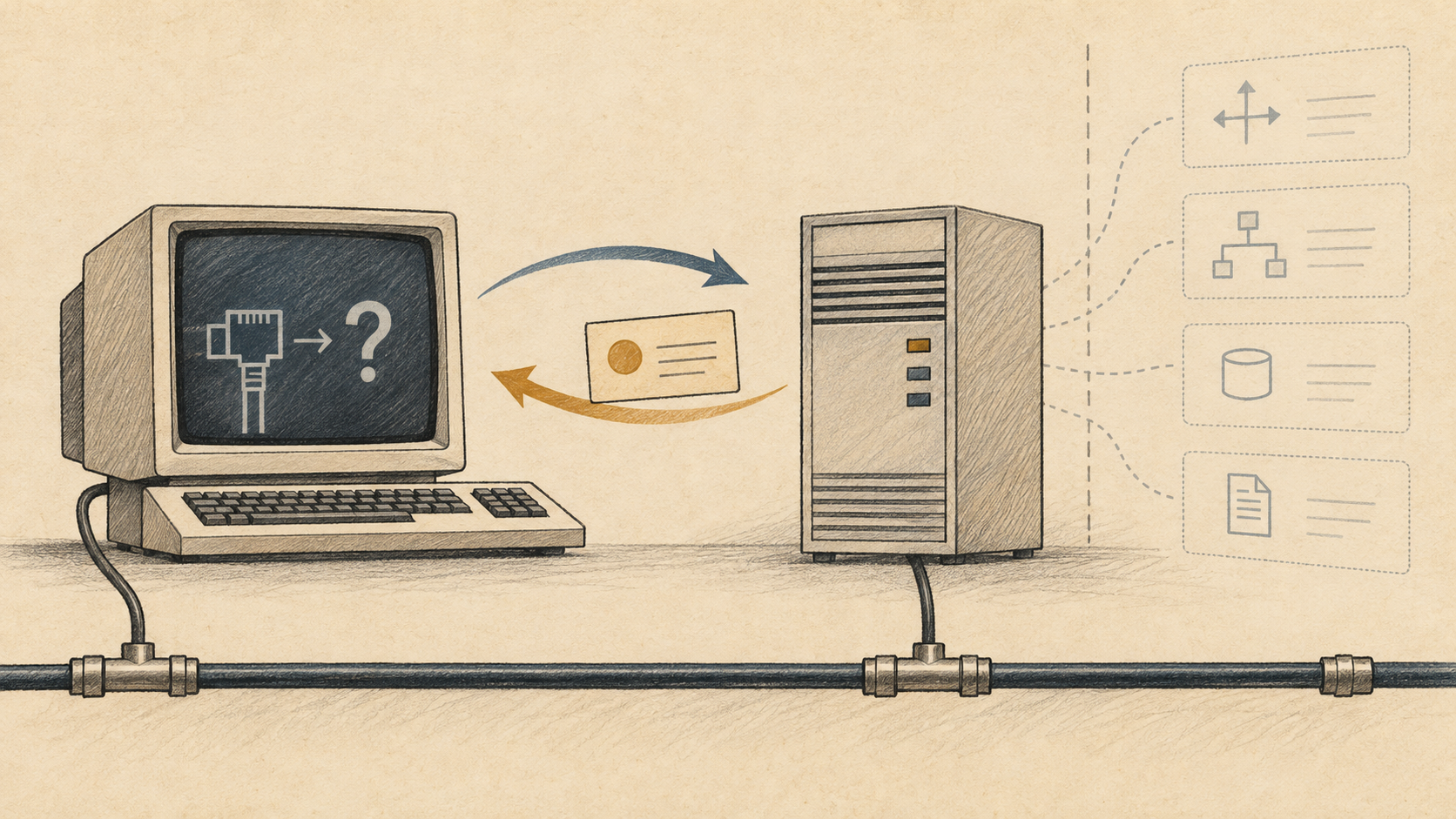
Au démarrage, une station sans disque pouvait connaître l’adresse gravée dans son interface réseau sans disposer de l’adresse Internet nécessaire à IP. En 1984, la RFC 903 lui a donné une question limitée au lien local : quelle adresse de protocole un serveur associe-t-il à cette adresse matérielle ?
Lire le dossier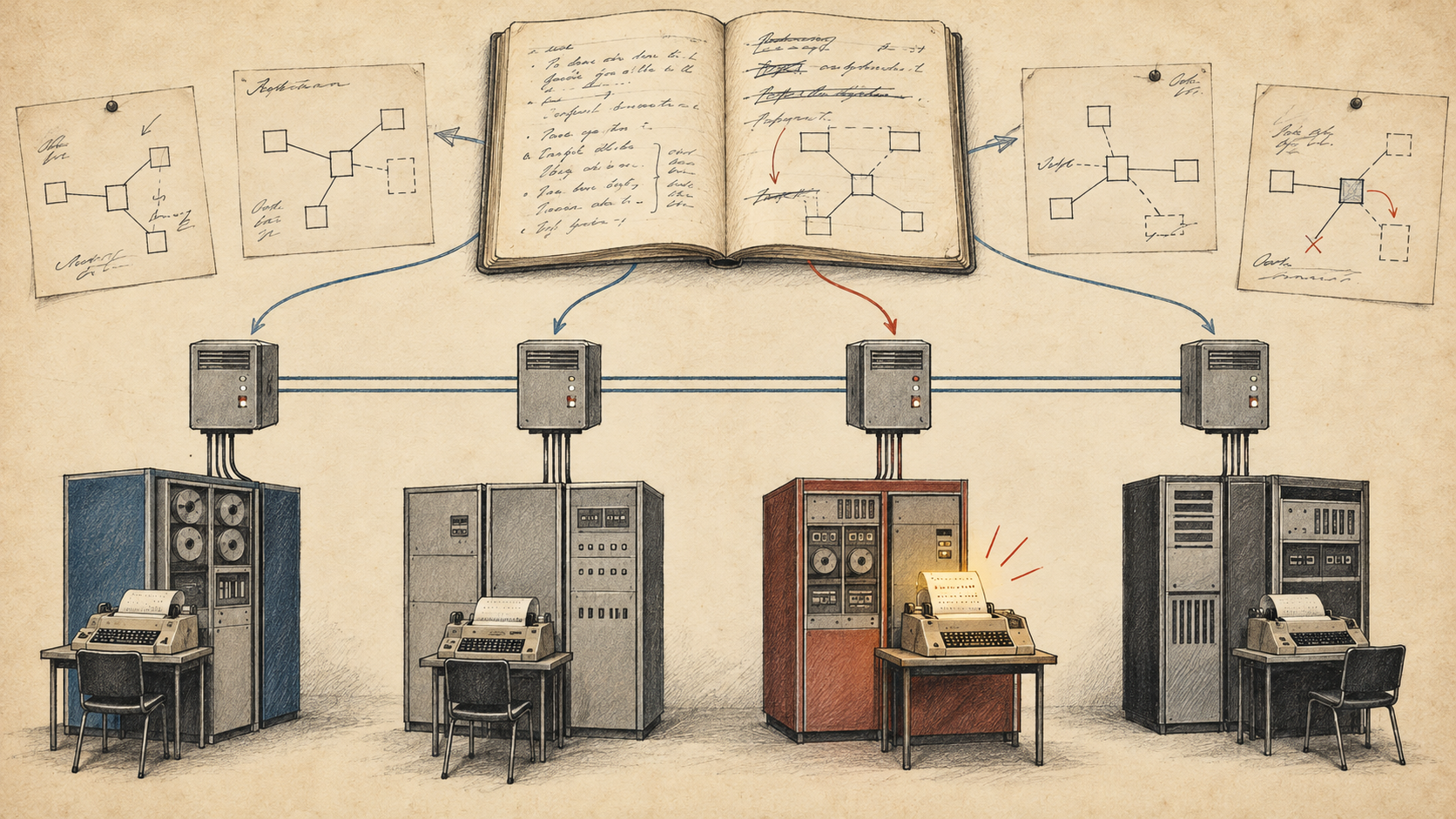
Dans sa première Request for Comments, Steve Crocker esquissait les logiciels dont des ordinateurs distincts auraient besoin pour communiquer sur le réseau ARPA. Dès l’introduction, il précisait pourtant que les accords restaient provisoires. Les textes suivants retracent des propositions, des corrections et des implémentations locales ; ils ne prouvent pas que toutes les machines aient adopté à l’identique cette première note.
Lire le dossier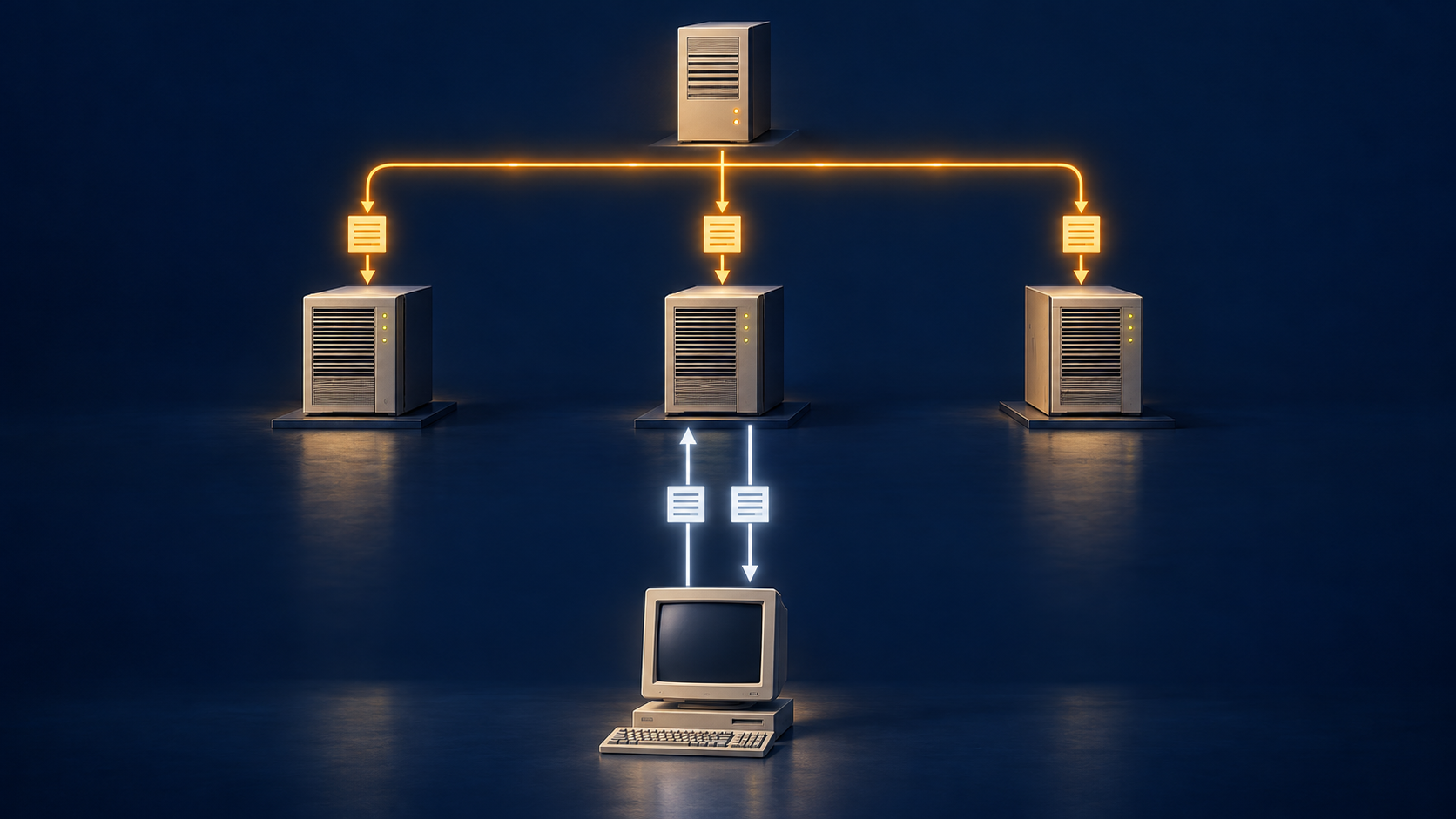
En janvier 1998, Jon Postel a demandé aux opérateurs des serveurs racine d’obtenir une copie de la zone racine depuis un serveur de l’IANA hébergé à l’USC/ISI. Son message concernait la façon dont les serveurs recevaient cette copie. Il précisait qu’elle serait identique à celle déjà disponible sur A-root et que les règles de modification de la zone resteraient les mêmes. Cette distinction sépare un essai de distribution DNS d’un changement dans les réponses reçues par les résolveurs.
Lire le dossier
La séparation entre la recherche et les opérations militaires non classifiées ne s’est pas faite en un seul basculement. Le service MILNET a commencé en premier; une frontière logique a été mise en place en 1983; la partition physique est venue en 1984. Des passerelles contrôlées sont restées entre les réseaux.
Lire le dossier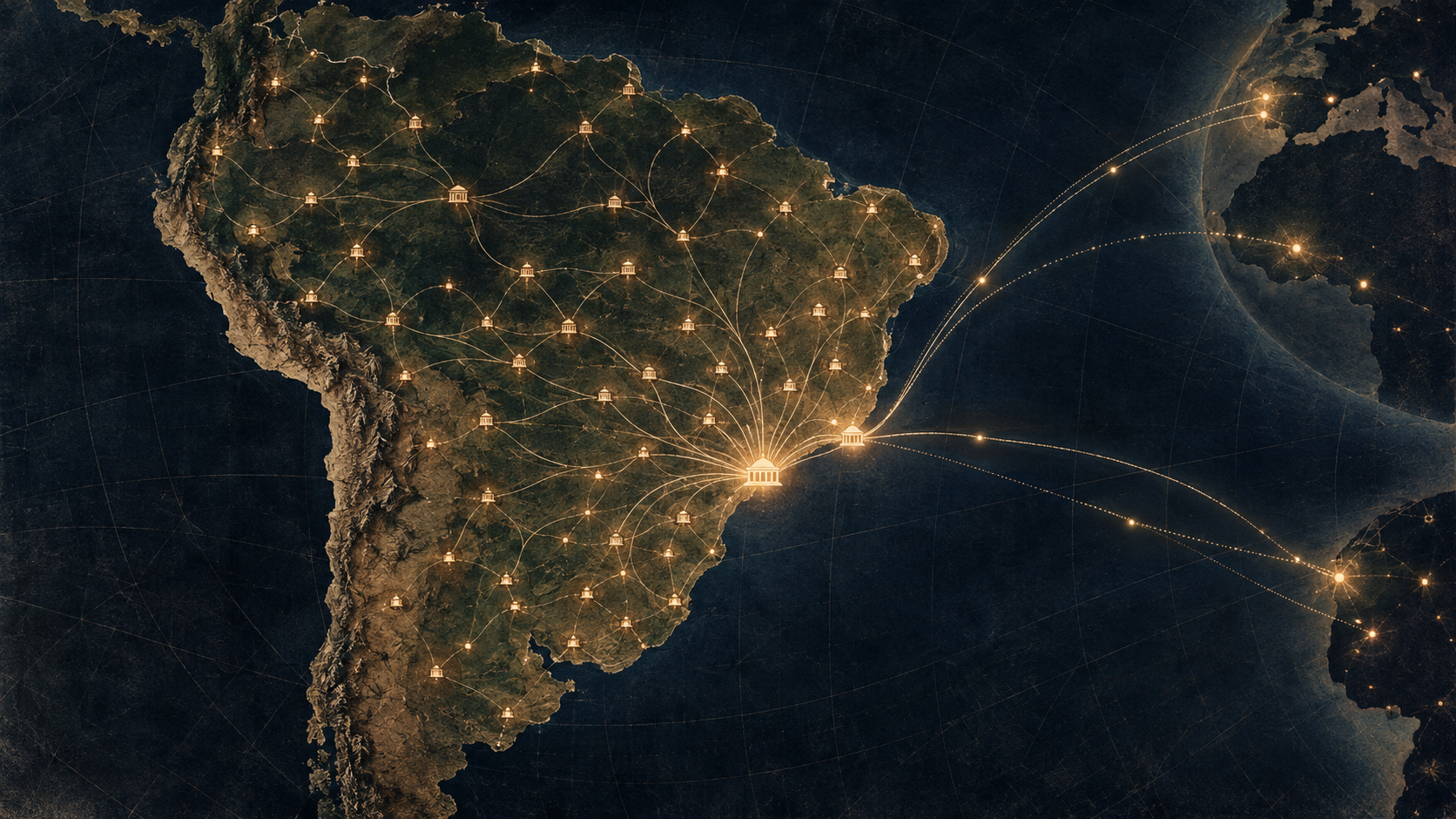
En 1995, une rétrospective de RNP décrit deux sorties internationales, à Brasília et São Paulo. Quelques années auparavant, l’élargissement du réseau intérieur n’avait pourtant pas encore réparti les accès vers l’étranger. Cette évolution raconte moins une « première connexion » qu’un décalage entre portée nationale et contrôle des routes extérieures.
Lire le dossier
Le registre situe London Internet Exchange Limited en 1995. Les récits de LINX, eux, font remonter son activité à 1994. Les deux dates ne se contredisent pas : elles désignent le démarrage d’un service et la naissance d’une personne morale.
Lire le dossier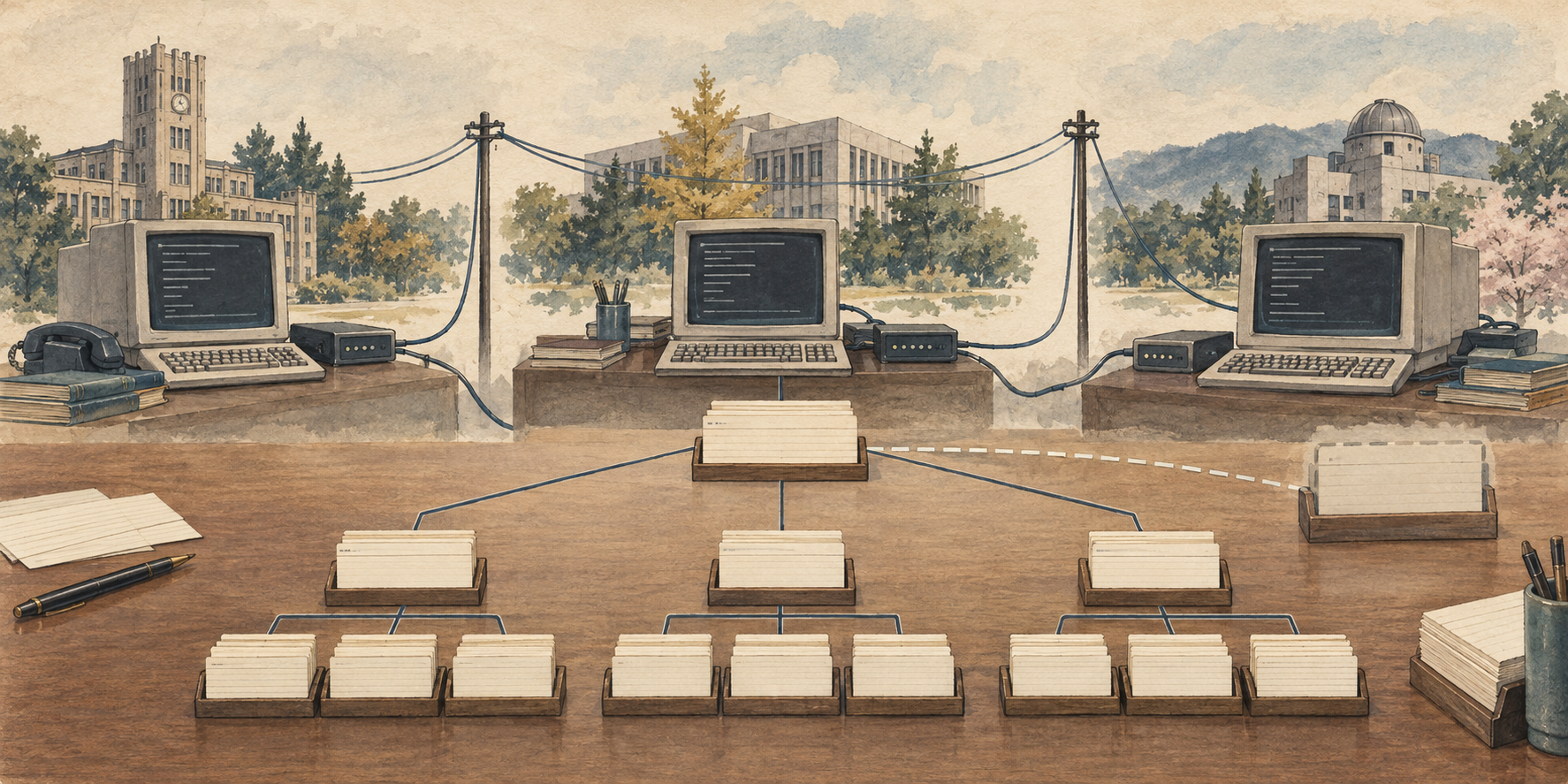
Avant que les réseaux universitaires du Japon n’adoptent TCP/IP et DNS, JUNET faisait fonctionner des adresses hiérarchiques par UUCP et lignes téléphoniques. Cette convention a aidé les bénévoles à préserver des noms d’organisation pendant la croissance du réseau, puis lors du passage à `.jp`.
Lire le dossier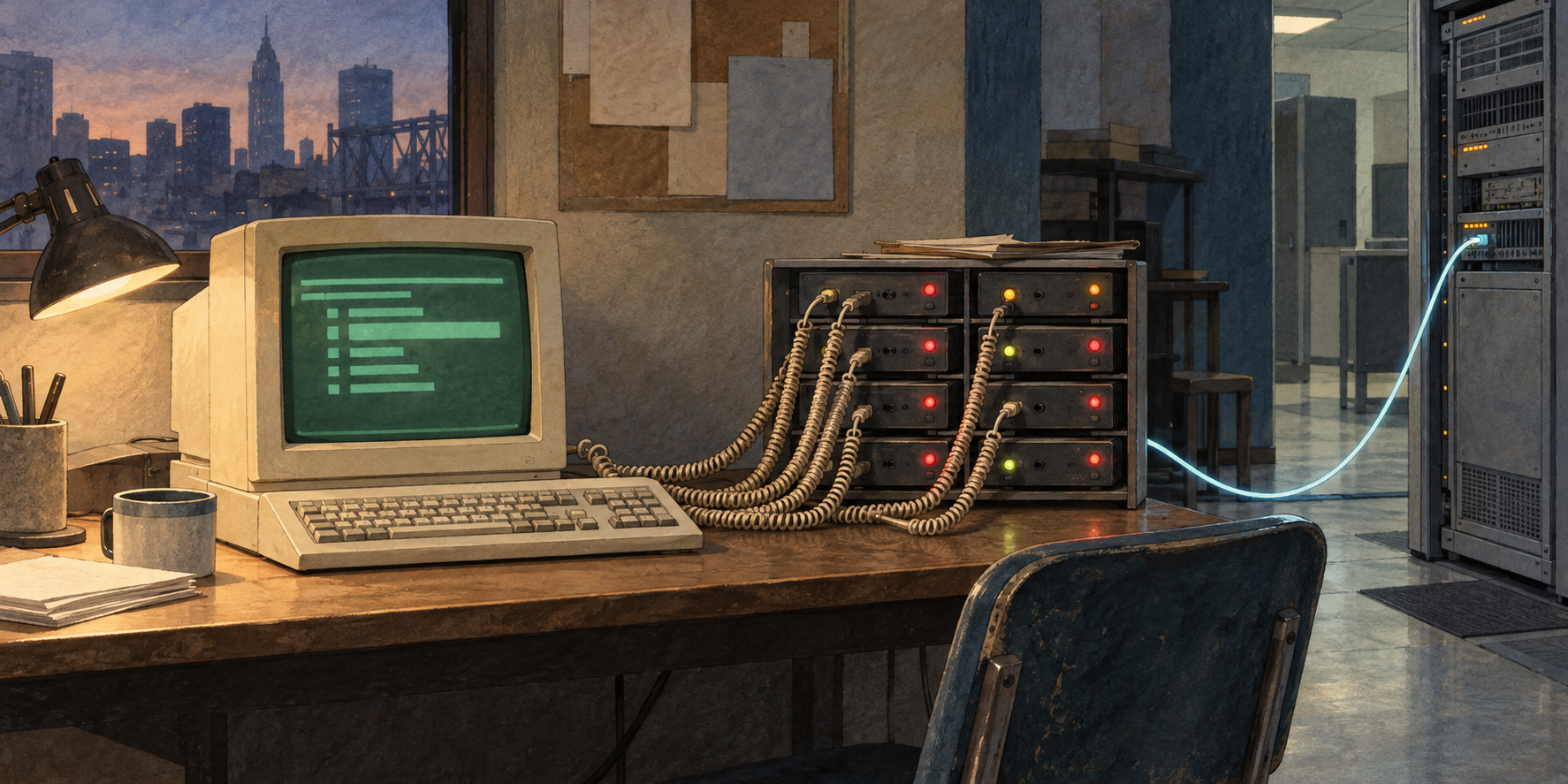
Le Cleveland Free-Net proposait l’informatique communautaire sans abonnement, mais son bilan d’exploitation de 1995 chiffre ce que l’écran de connexion ne montrait pas : lignes téléphoniques, modems et soutien universitaire. Le passage par Internet réduisait fortement le coût par session, sans supprimer la saturation.
Lire le dossier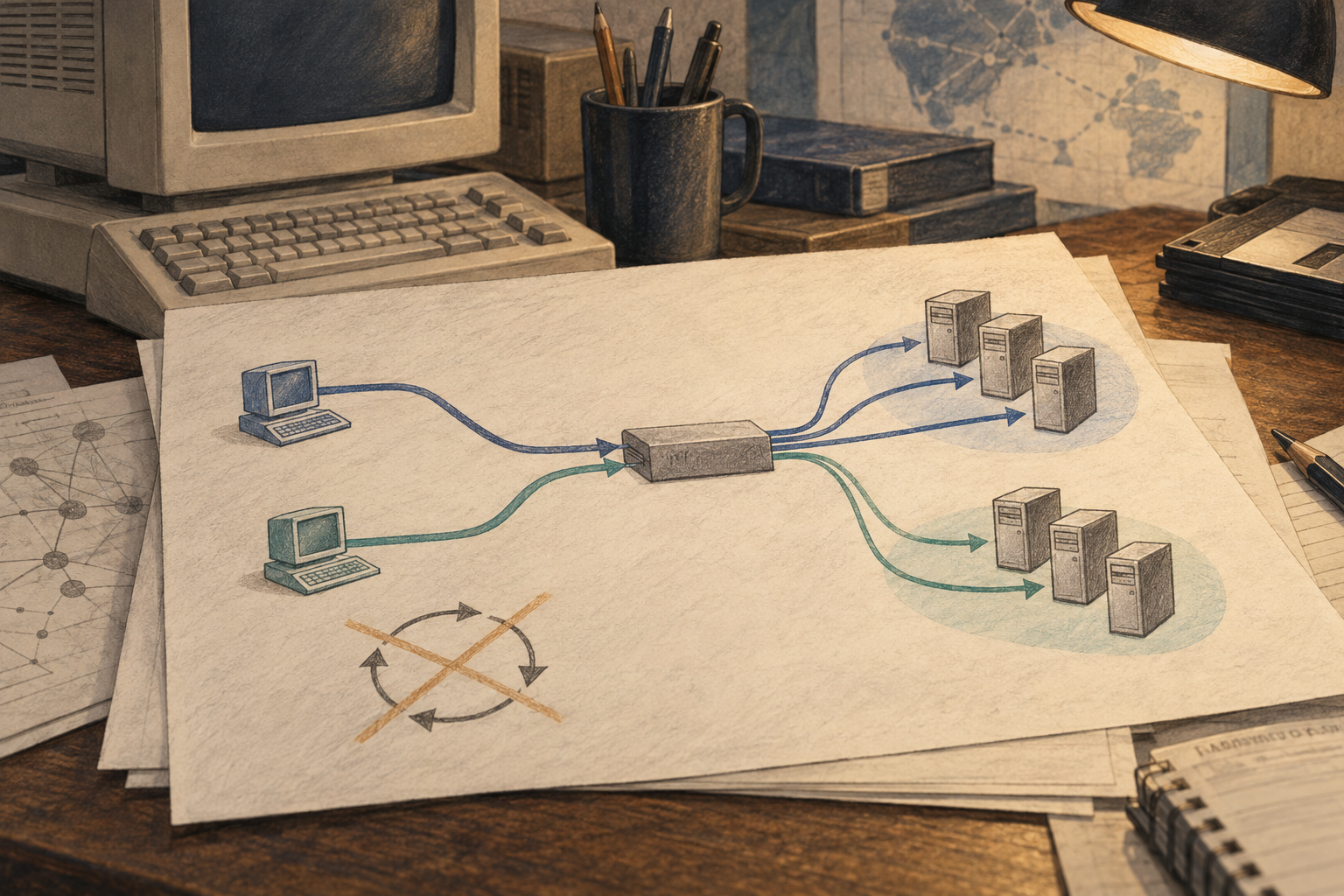
Quand une requête de démarrage doit franchir une limite de sous-réseau, le relais entre dans l’échange entre le client et le serveur. Le RFC 1542 pose une règle discrète mais décisive : on peut répartir les clients entre plusieurs serveurs, à condition que les requêtes successives d’un même client restent dirigées vers la même destination ou le même groupe de destinations.
Lire le dossier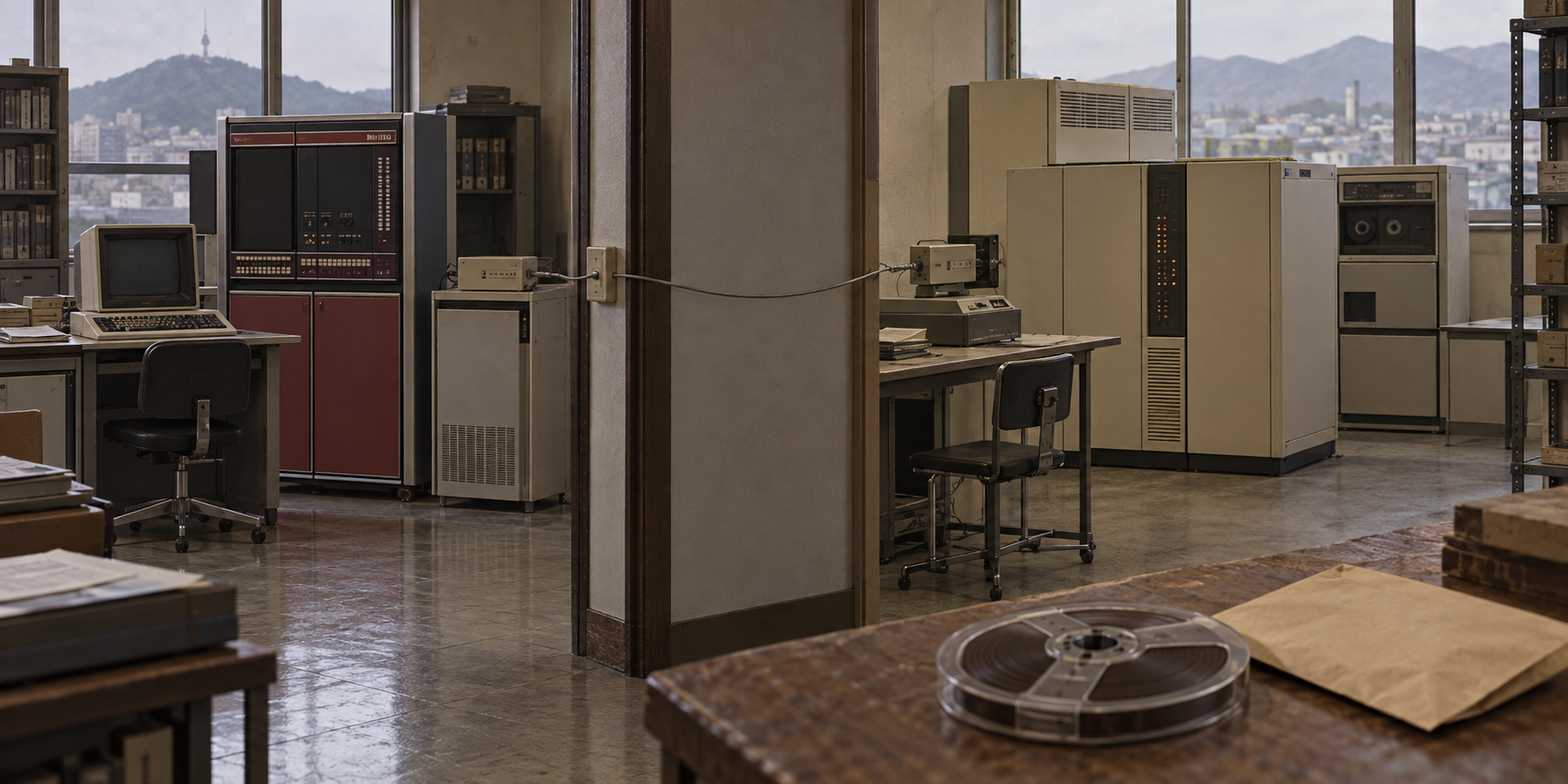
En 1982, la première liaison du réseau de recherche coréen reliait deux ordinateurs à 1 200 bit/s. Les échanges avec l’étranger empruntaient d’autres voies — parfois la poste.
Lire le dossier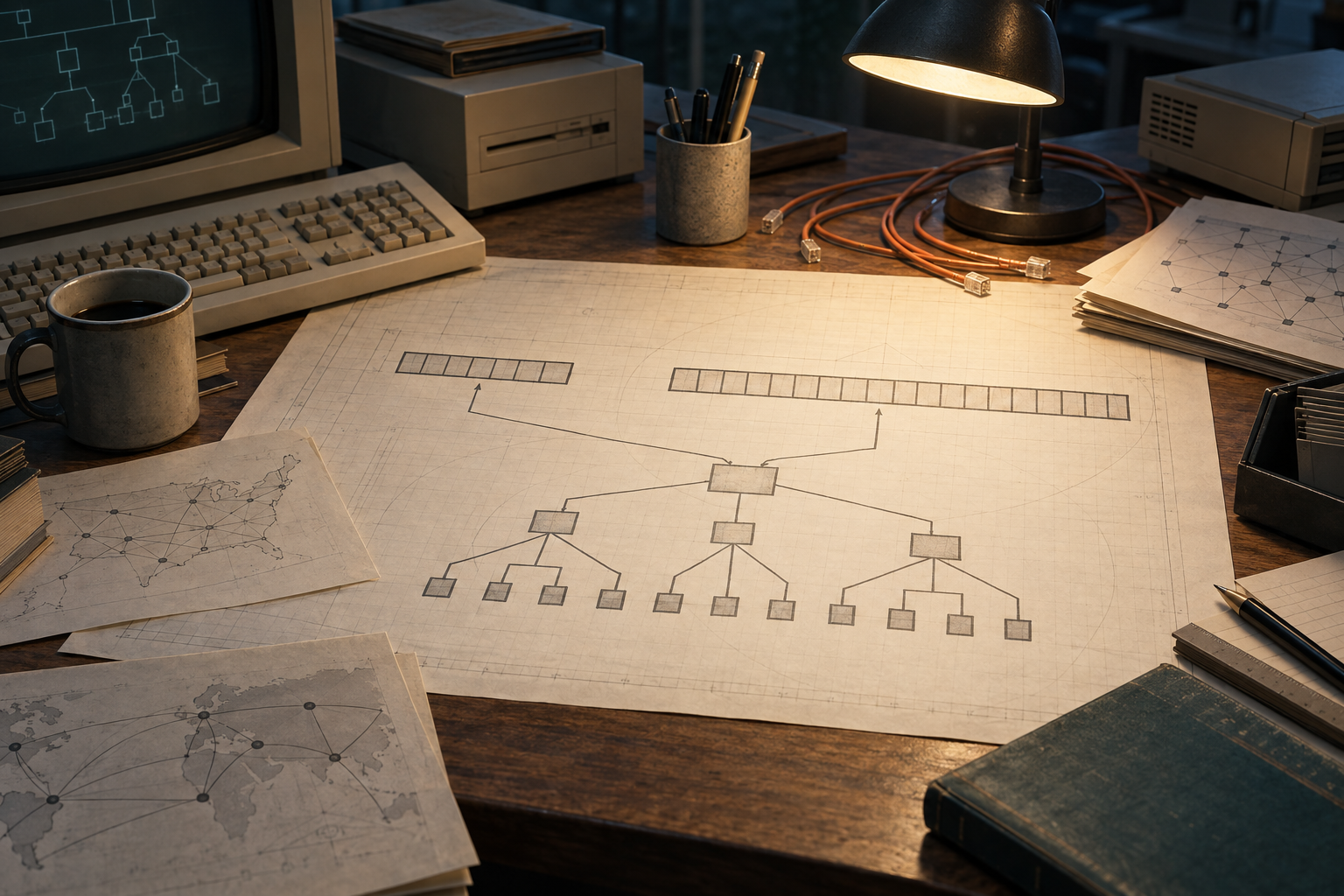
Le protocole retenu pour servir de base à IPv6 n’était pas celui que les évaluateurs avaient examiné au départ. Les critiques visaient à la fois le passage depuis IPv4 et la place réservée aux adresses. Pour répondre à ces objections, SIPP a changé : ses adresses sont passées de huit à seize octets fixes, tandis que son mécanisme de transition était simplifié.
Lire le dossier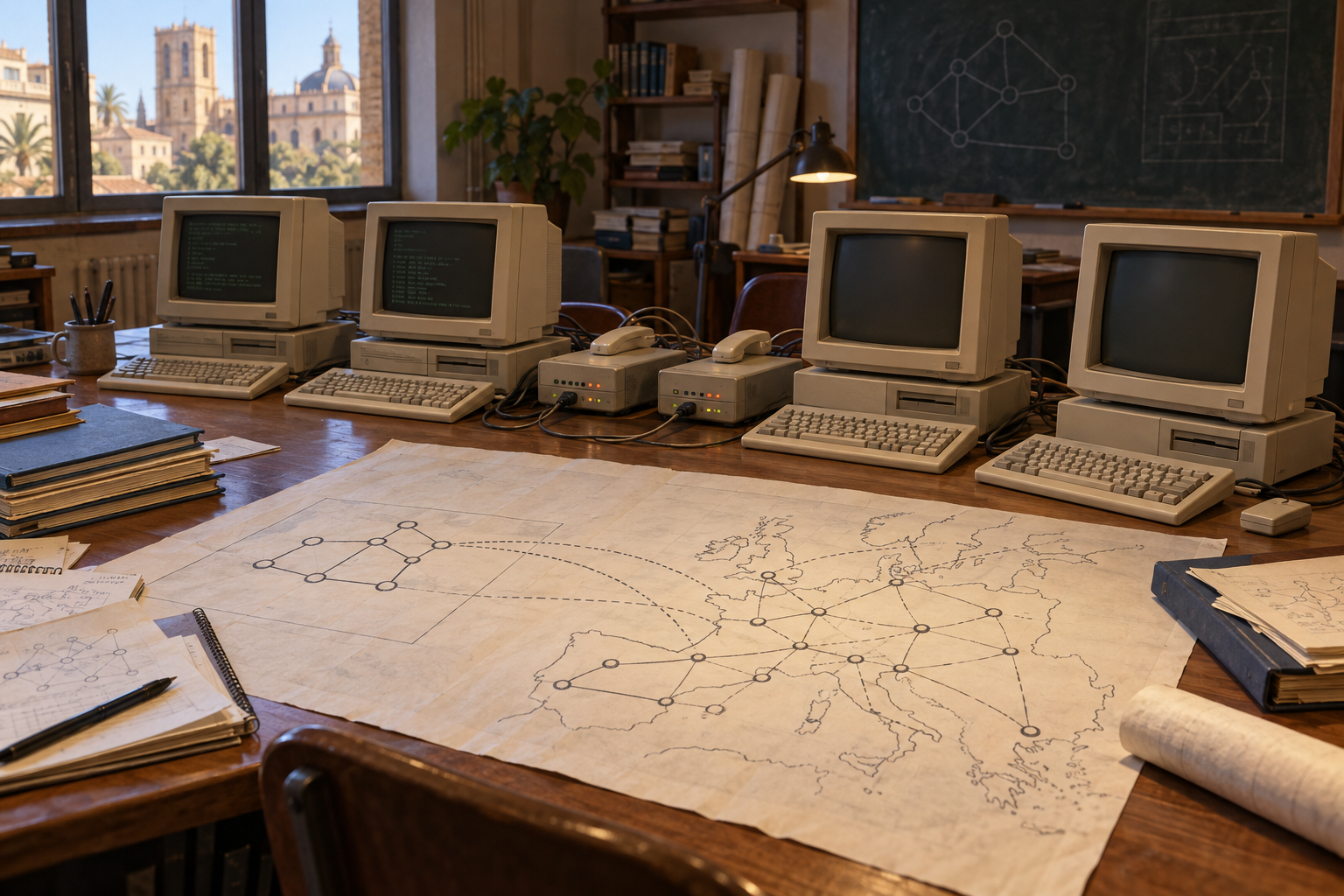
L’Espagne a participé aux discussions européennes sur les réseaux universitaires avant de disposer d’un réseau national capable d’acheminer du trafic. Les étapes suivantes — un minuscule essai X.25 à Valence, un programme officiel en 1988, puis un virage vers TCP/IP — montrent qu’une présence à la table de coordination, un plan financé et un service Internet opérationnel sont trois réalisations différentes.
Lire le dossier
Le 8 juin 2011, de grands sites ont ajouté IPv6 pendant vingt-quatre heures afin d’observer ce qui se passerait sur de vrais parcours, sans couper IPv4. Un an plus tard, World IPv6 Launch a confié le travail à davantage d’acteurs — fournisseurs d’accès, fabricants de routeurs domestiques et réseaux de diffusion — et l’a assorti d’un objectif de mesure limité, qui ne signifiait jamais que l’Internet entier avait changé de protocole.
Lire le dossier
Avant que Rhodes University ne dispose d’une liaison IP complète, ses courriels vers Portland passaient par un système FidoNet de stockage et de retransmission. En 1991, une ligne louée à faible débit aboutissant au bureau à domicile de Randy Bush a relié l’université à l’Internet. Ce point d’arrivée privé a rendu le trajet possible, sans pour autant faire de la liaison un service public national.
Lire le dossier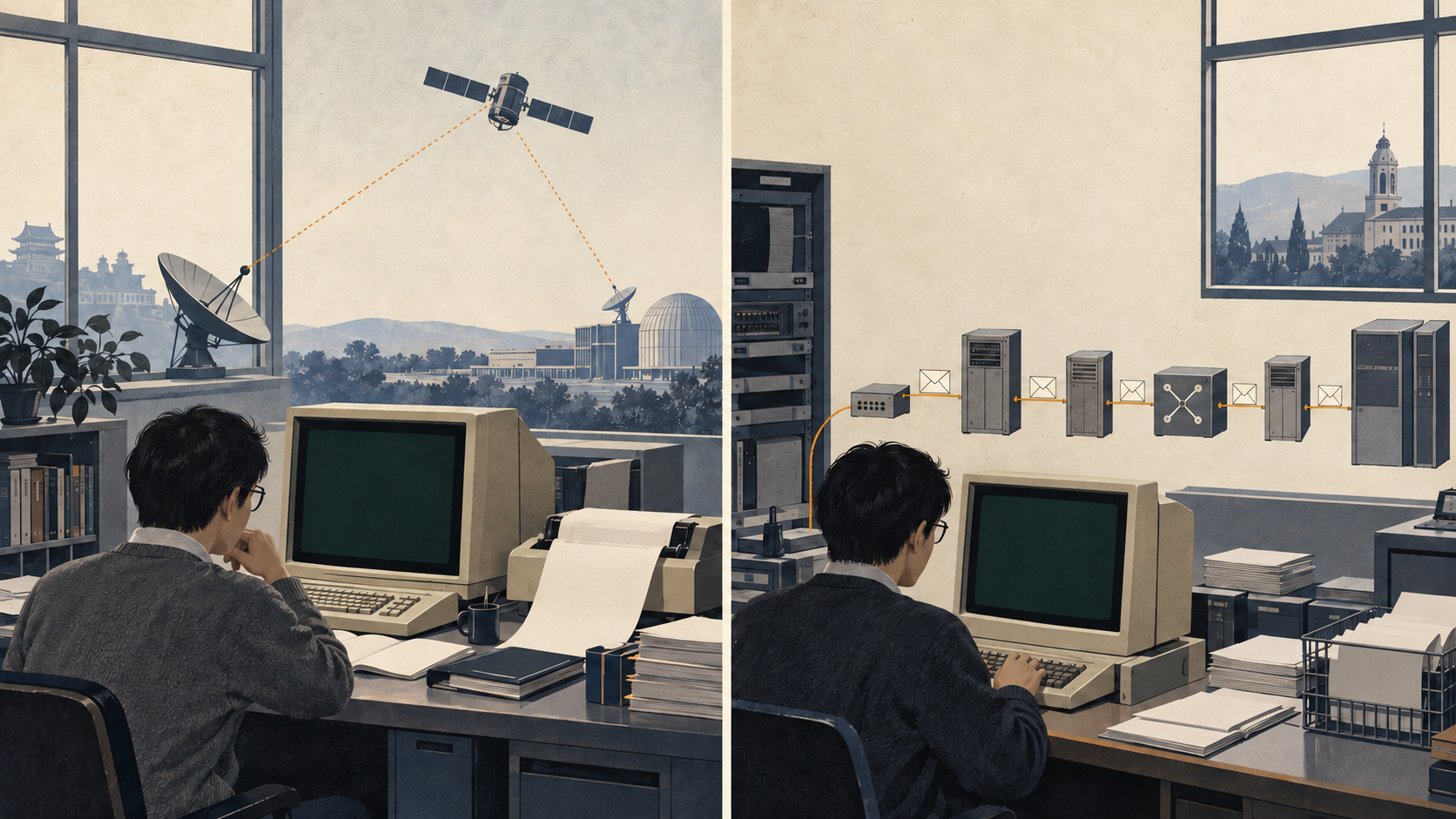
Un message parti de Pékin a atteint le CERN en 1986. Ce succès ne signifie pas qu’un serveur chinois était déjà raccordé à CSNET. Pour comprendre l’écart, il faut suivre les machines, les relais et la fonction qui continuait après l’envoi d’un seul message.
Lire le dossier
Deux chiffres rapportés à l’époque donnent la mesure d’une tension opérationnelle : 6 000 messages lors d’une journée ordinaire avant le putsch, puis 13 159 au maximum, le 21 août. Ils décrivent un échange entre RELCOM et la Finlande, pas le nombre de lecteurs atteints ni le poids du réseau dans l’issue politique.
Lire le dossier