
Topic
Data Centre Power and Permitting
Within the Topic facet, Data Centre Power and Permitting topic intelligence connects articles that share a specific subject, signal focus, or monitoring theme. The page gives readers a richer path through related reporting, source evidence, market actors, and infrastructure implications, with enough context to understand why the topic matters across company movements, governance decisions, regional exposure, and operational risk. Readers can compare recurring signals, affected organisations, public evidence, market context, service continuity, procurement, competition, compliance, and strategic planning questions behind the subject instead of stopping at a thin list of matching articles. It explains what the topic covers, which infrastructure actors or policies are involved, what evidence supports the coverage, and why the subject may matter for operators, customers, investors, and policy readers.
Europe and Middle East Datacenter
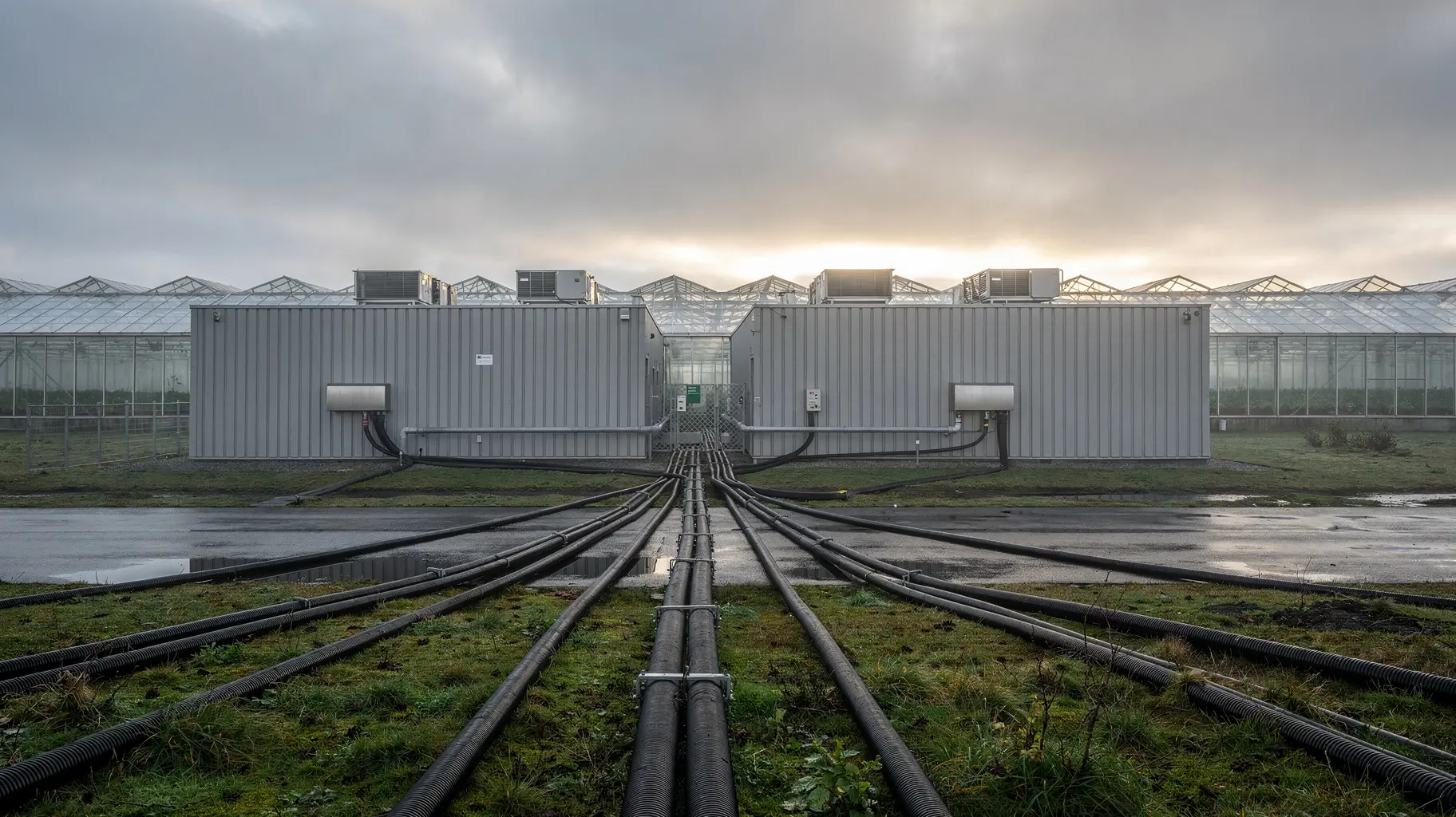
Greenhouse Datacenters Publishes Its Interconnection Story and Leaves the Power Envelope Unstated
A Naaldwijk colocation operator has just been named an additional landing partner for the IOEMA subsea cable. Its public record is unusually detailed on connectivity partners, exchange count, certifications and a power usage ratio — and silent on the figure that decides how much…

Latin America and Caribbean Datacenter
Ascenty: The Megawatt That Travels Without Its Basis
Brazil's data-centre buildout is routinely described in megawatts, but the documents gathered for this report on 18 October 2026 contain no megawatt figure for Ascenty Data Centers e Telecomunicações S/A at all — and that gap is the story, because the unit itself is doing work…
Asia-Pacific Datacenter Trends
CapitaLand’s Chennai data centre has to make capital recycling pay
CapitaLand’s unveiling of Chennai 01 put a ₹1,940 crore plan and a 53 MW power figure on display. The investment case now turns on a less visible conversion: how much of the facility’s 34 MW of IT capacity becomes contracted, commissioned and cash-paying load.

Asia-Pacific Datacenter Trends
Singapore’s infrastructure bill draws two lines for data-centre duties
Singapore’s new framework separates a 3 MW sustainability licence from a 10 MW resilience regime, while large cloud services are measured by Singapore revenue. The hard part now is matching each rule to what operators can actually control.

Asia-Pacific Datacenter Trends
Vietnam’s $2.1bn AI Campus Faces a Power-Tariff Test Before Construction
A July investment certificate put a US$2.1bn figure on Ho Chi Minh City’s planned AI campus. HEPZA’s October request shows that registration has not yet settled the cost of electricity, the rule governing each use, or the power plan needed before the first phase can break ground.
North America Datacenter Trends
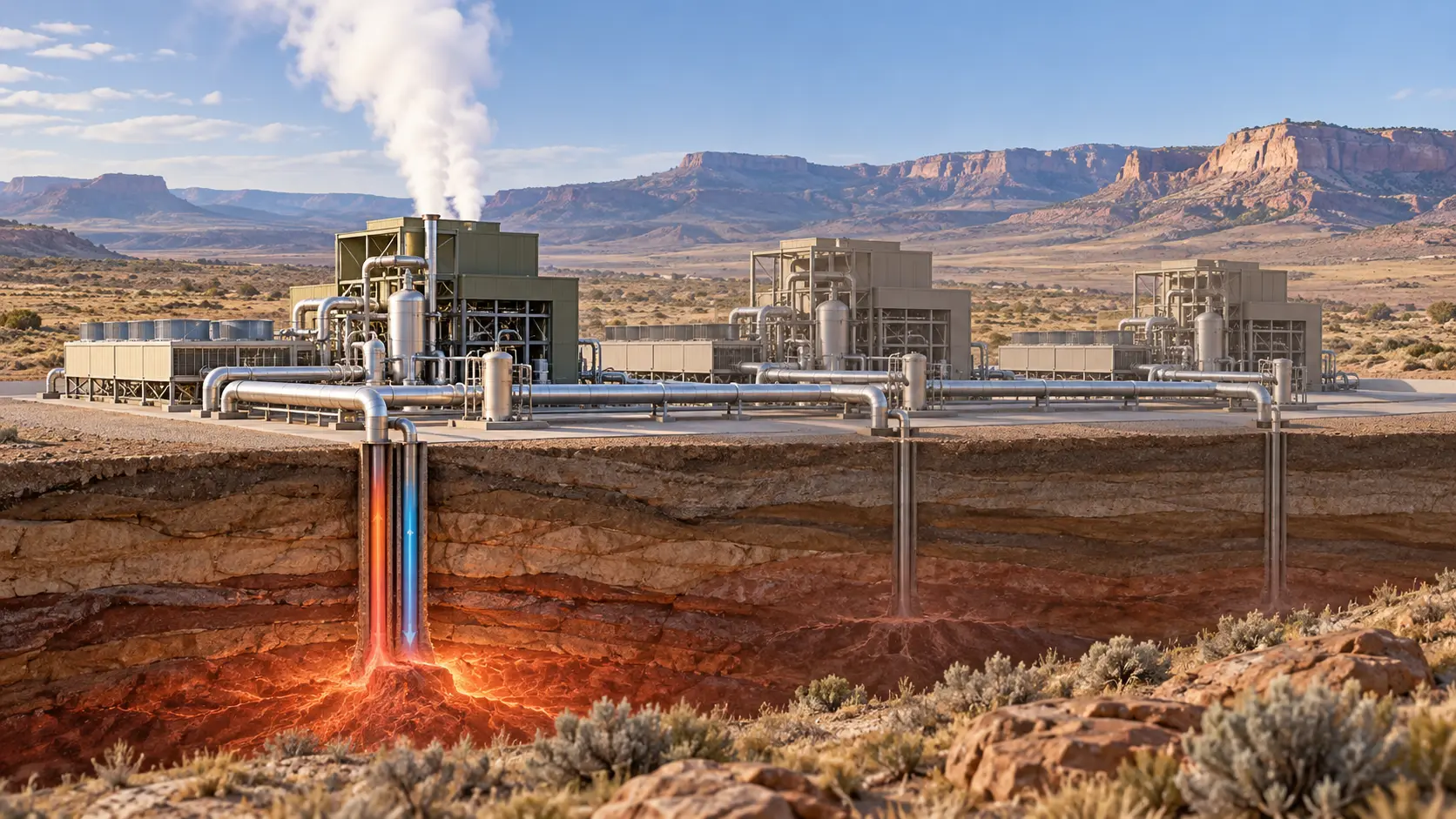
Fervo’s first Cape Station block earns revenue; scale remains unproven
Cape Station’s first 33 MW GeoBlock has crossed into commercial operation and reported PPA revenue. The milestone moves the question from construction to repeatable generation and cash conversion, while leaving both unmeasured.

Latin America and Caribbean Datacenter Trends
Uruguay’s 500 MW campus tests Solaria’s powered-land model abroad
Solaria’s first-half data-centre business already generated €99.6 million from development milestones. Its new Uruguay agreement adds a much larger project headline, but public disclosures leave the future tenants, capital providers and division of project cash flows…
North America Datacenter Trends
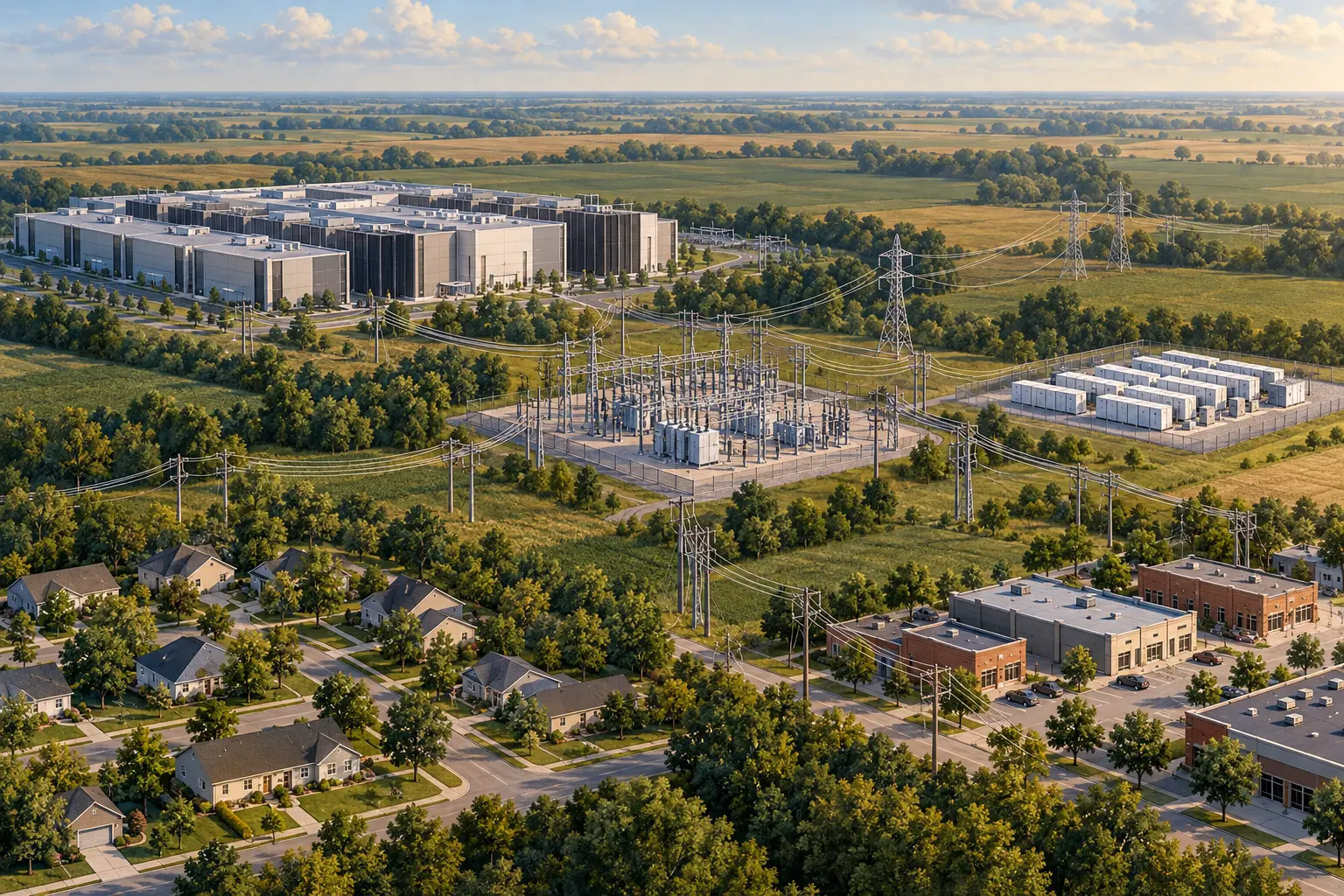
NiSource’s $1.75bn savings figure is not Microsoft’s bill credit
Microsoft’s 20-year Indiana power agreement adds about 1,100 MW of generation resources to NiSource’s GenCo pool, while a related 600 MW battery will serve multiple large-load customers. NiSource’s larger savings estimate covers existing NIPSCO electric customers across…
North America Datacenter Trends
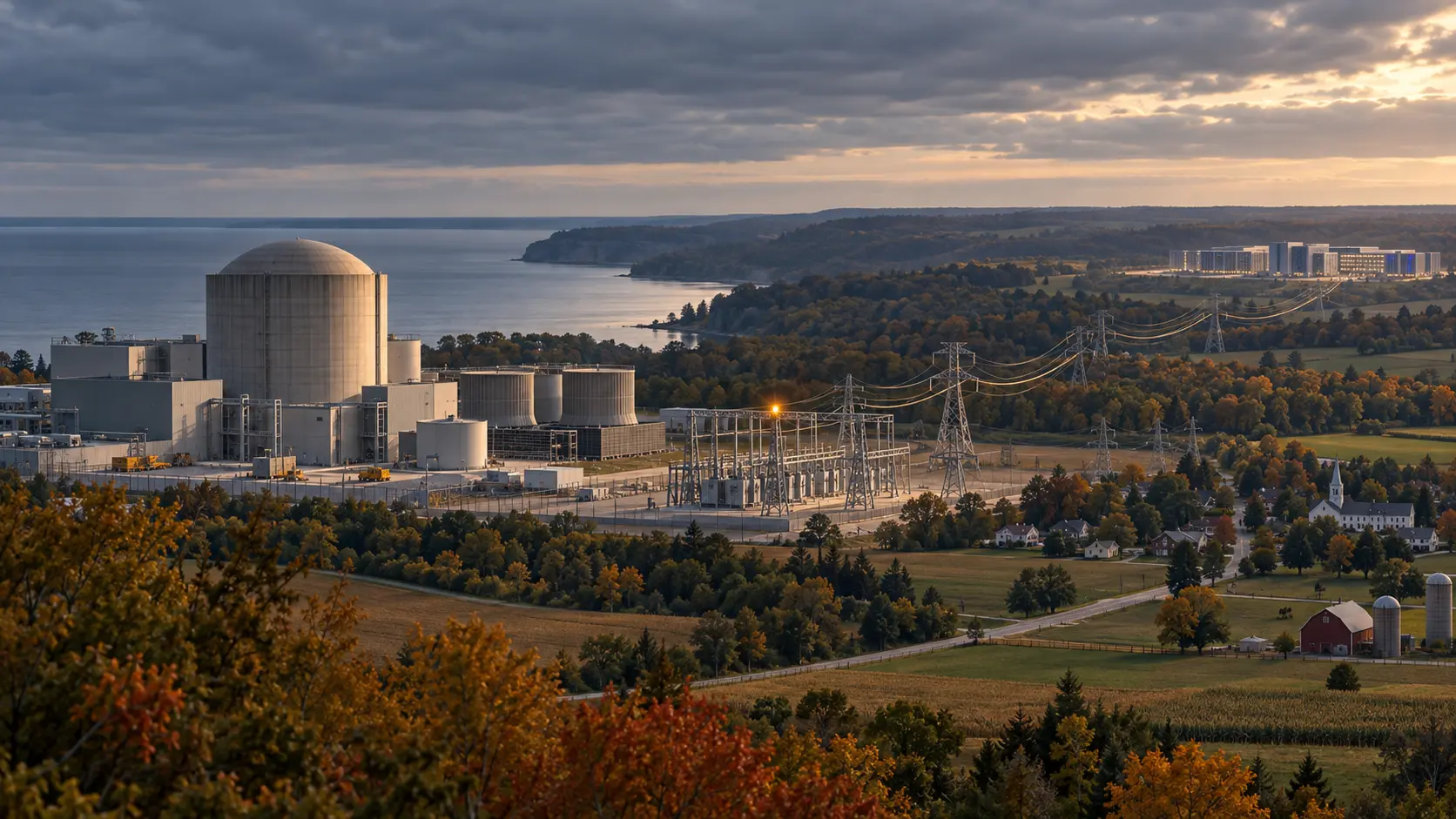
Palisades’ March 2027 date is the real test of its nuclear restart
The three U.S. reactor restarts now grouped under a roughly $4.4 billion federal financing headline do not have the same customer or delivery test. Palisades sells to two electric cooperatives, and its contracts attach a conditional payment to the March 2027 in-service date.
North America Datacenter Trends
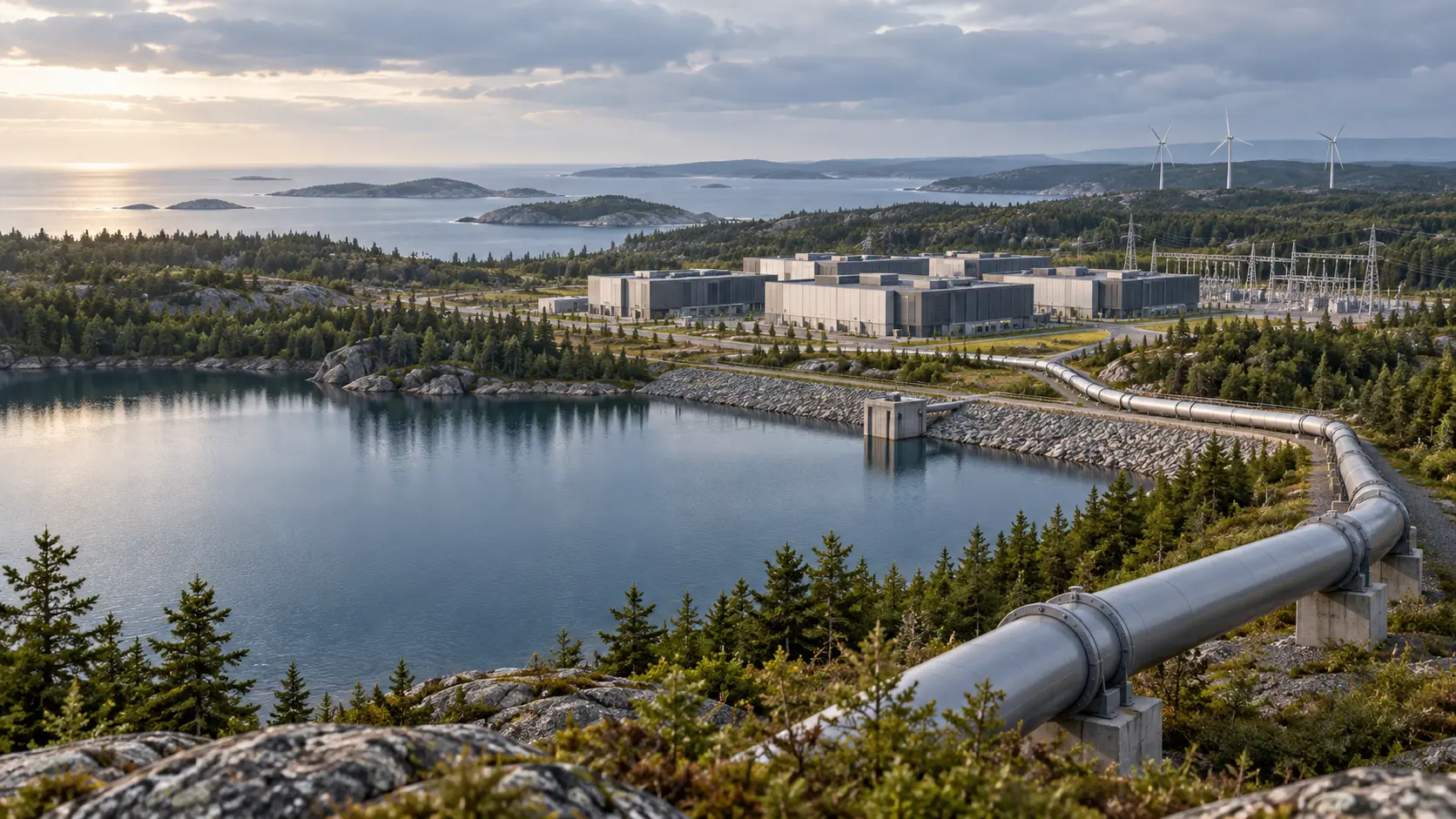
Point Tupper’s water plan is the real test for its AI campus
EverWind frames the proposed 420 MW campus’s full-build water use as roughly 1% of Landrie Lake’s safe yield. That comparison is mathematically loose and leaves out the utility’s own planning case: a January forecast had average 2028 demand near the lake’s estimated sustainable…

Asia-Pacific Datacenter Trends
Tata Power’s 2.8 GW pipeline bundles load, grid and green power
Tata Power’s new data-centre figure is large enough to sound like a single power commitment. Its own breakdown says otherwise: the headline joins upcoming distribution load, transmission-linked opportunities and green-energy engagement. Each sits at a different point in the work…

Europe and Middle East Institutional Trends
Ofgem’s new self-build route stops at the shared grid
Ofgem paired a new statutory consultation with the rejection of an older code proposal. Customers may gain control of the connection they build, while shared reinforcement that can set the energisation date remains with the wider system.
Global Datacenter Trends
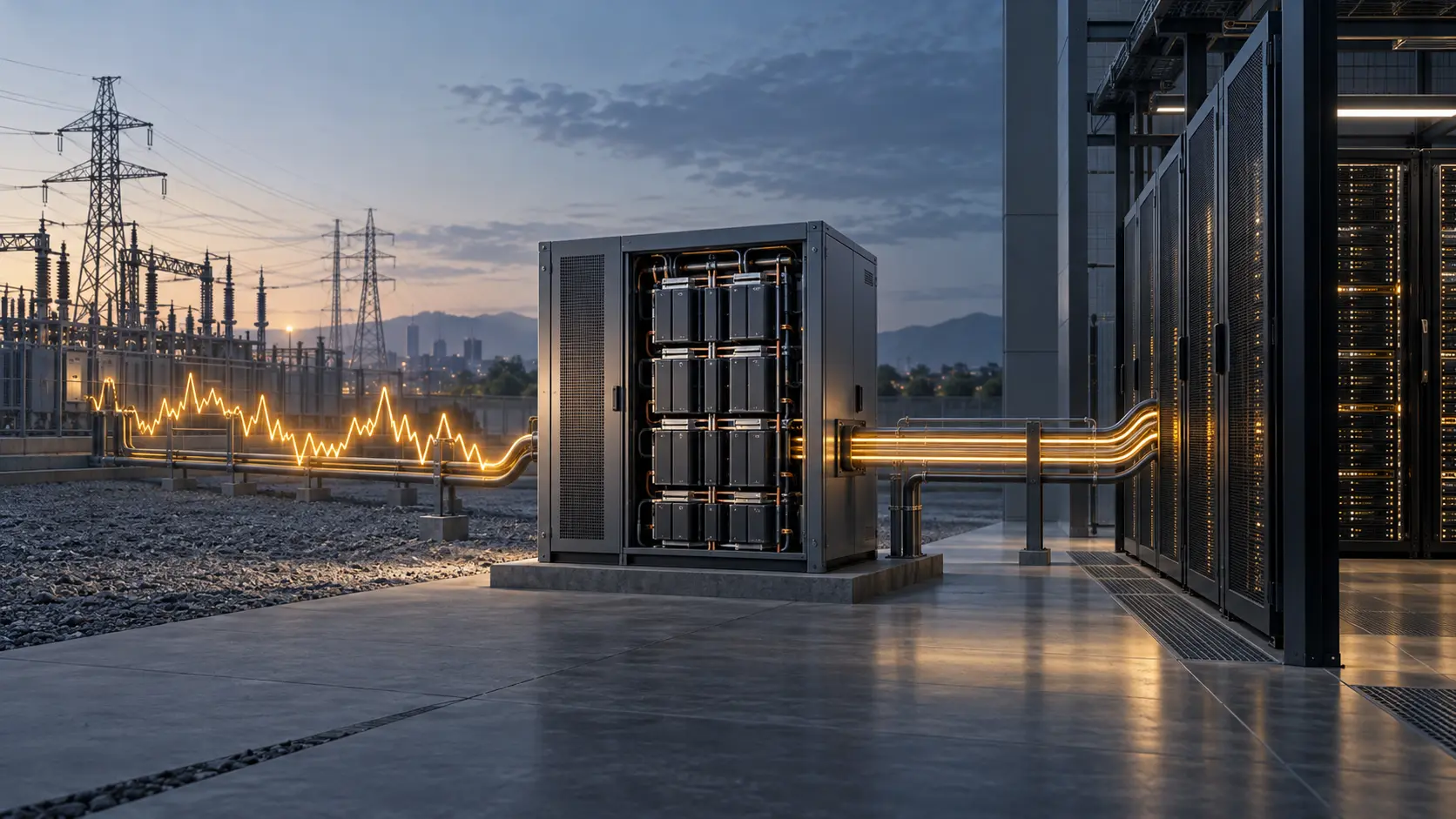
Siemens pairs investment with an exclusive route into AI data centres
Siemens is buying a strategic position in Skeleton Technologies and the exclusive right to sell its products to data-centre customers. The commercial test is whether that channel can turn fast power buffering into verified customer economics.

Europe and Middle East Datacenter Trends
Iver’s 222.98 MWth backup fleet is not 223 MW of data-centre power
A permit application puts a precise number on emergency fuel-burning equipment at Amazon’s proposed Iver site. The number describes heat entering engines under standby conditions; it does not measure electricity for servers or what the grid can deliver.

Asia-Pacific Datacenter Trends
Project Ares’ EIS Is Set, but Federal Species Review Remains Open
The Northern Territory has chosen an environmental impact statement for Project Ares, but that decision does not approve the project or settle its federal referral. Energy North still owes the Commonwealth information on threatened and migratory species, and the NT EPA has paused…
North America Datacenter Trends
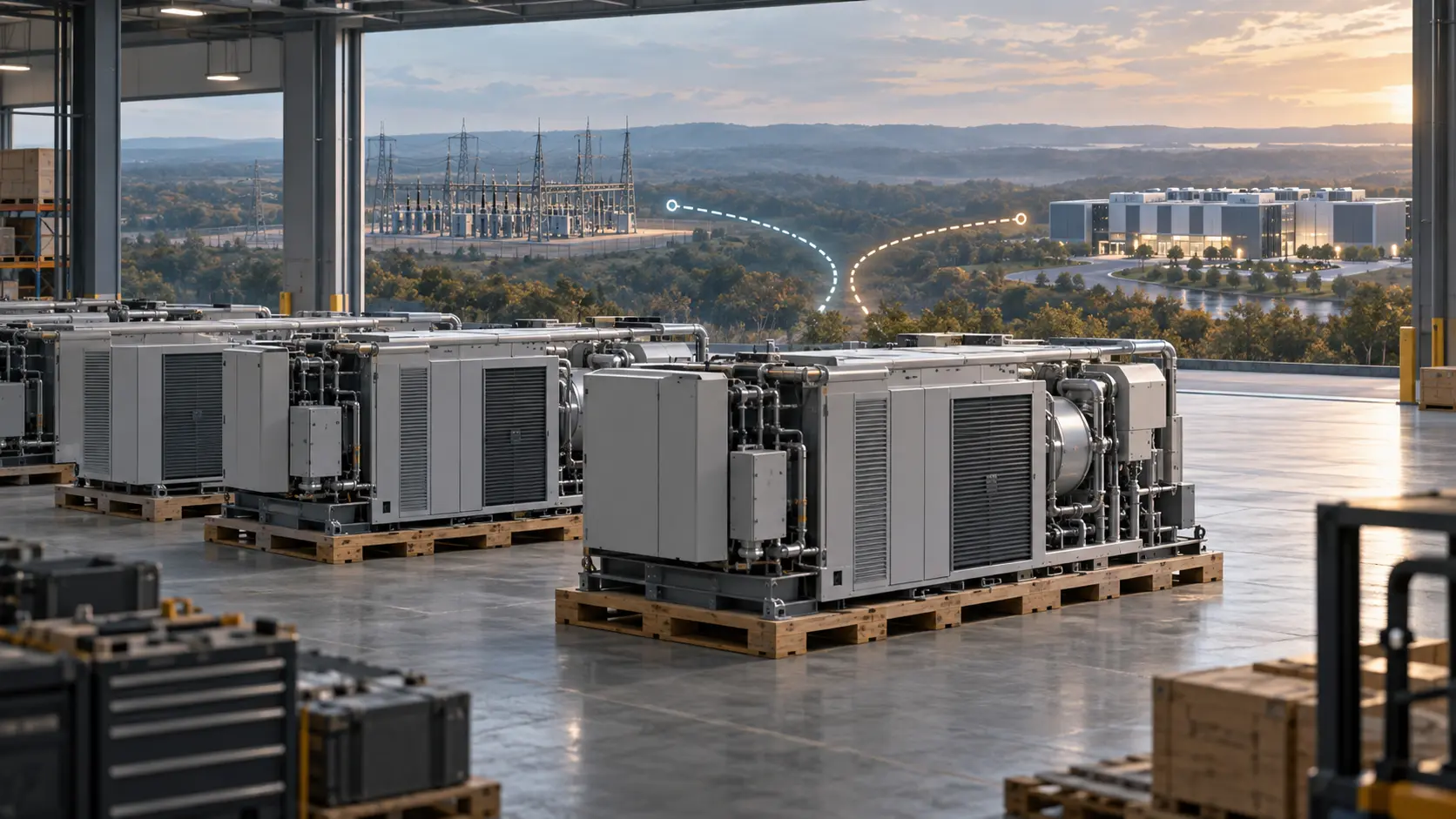
AEP’s Mainspring deal has an order path, not a site plan
AEP has bought an initial 190MW tranche of Mainspring linear generators for delivery from 2027, within a framework of up to 1.6GW. The annual options could be worth more than $4 billion if exercised, but AEP has not chosen where the units will operate or how they will connect.

North America Datacenter Trends
Oracle’s grid deal sits at the edge of Project Jupiter
The proposed El Paso Electric agreement prices a narrow utility connection around a campus whose planned primary supply is an on-site microgrid. Oracle’s separate customer-credit proposal has a different recipient, term and path to proof.
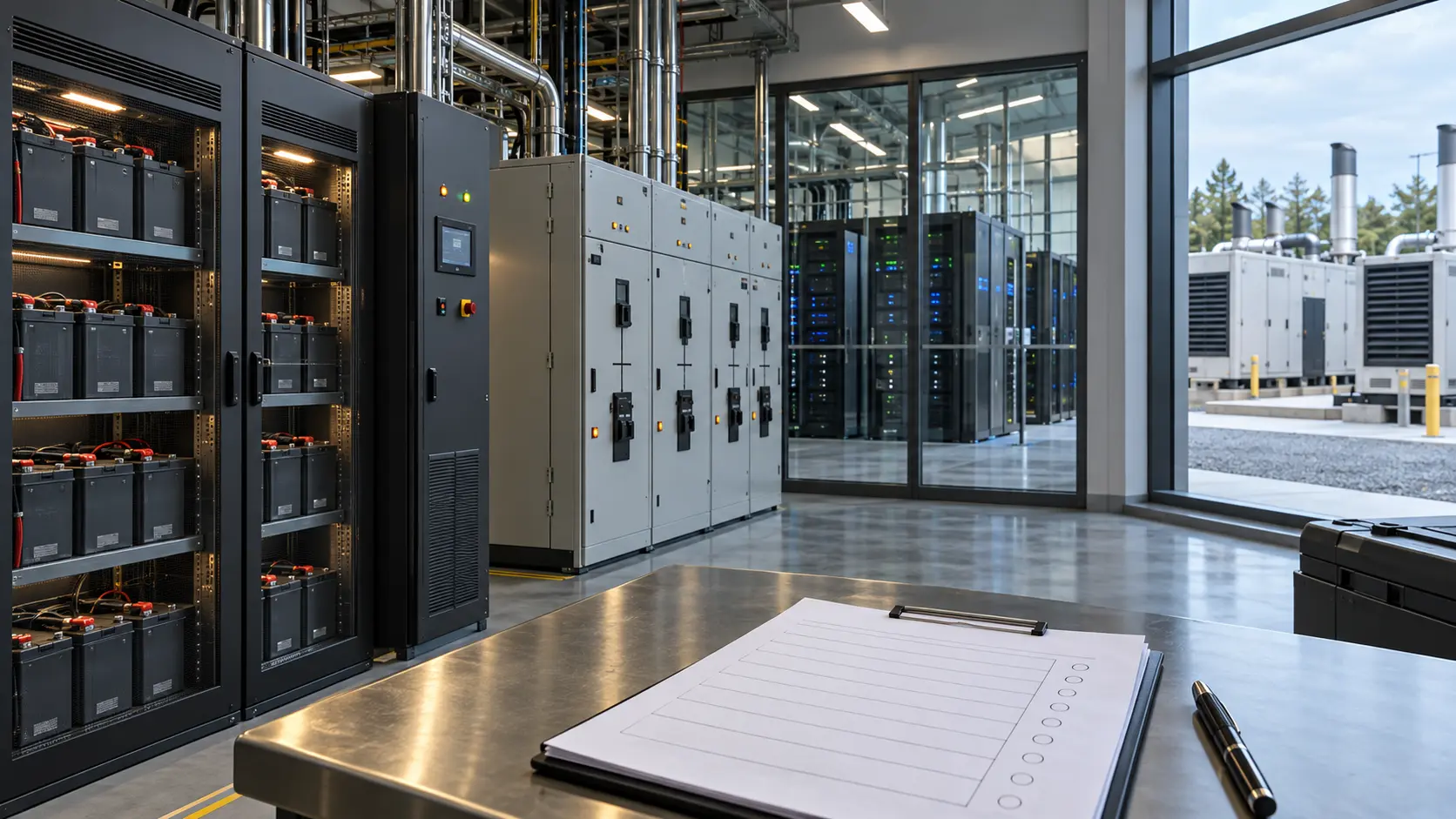
Global Datacenter Trends
A data-centre incident tally needs a version history
On 12 October, Energy Incident Register’s live data-centre page counted 92 incidents; its download page still listed a 93-entry file dated a day earlier. The gap is small, but a count without a visible change history is weak input for a reliability model.

Europe and Middle East Datacenter Trends
The EU’s data-centre floor starts with an incomplete map
The European Commission is preparing minimum performance standards for data centres while its first reporting round captured only part of the facilities that should report. That gap does not make the data useless. It does mean the next rule must separate what the evidence can…

North America Institutional Trends
FERC Set One Clock, Not One Tariff, for Large Loads
FERC put six regional grid operators on a shared timetable to examine large-load interconnection. The June orders opened separate legal cases, left tariff design to each region’s record and preserved the division between federal transmission rules and state retail decisions.