Summary
- Transcribe Bentham combined manuscript images, a text box and buttons for recording features such as deletions, additions and uncertain readings.
- Volunteers supplied readings and markup; project editors checked submissions before approved transcripts joined the images in UCL's repository.
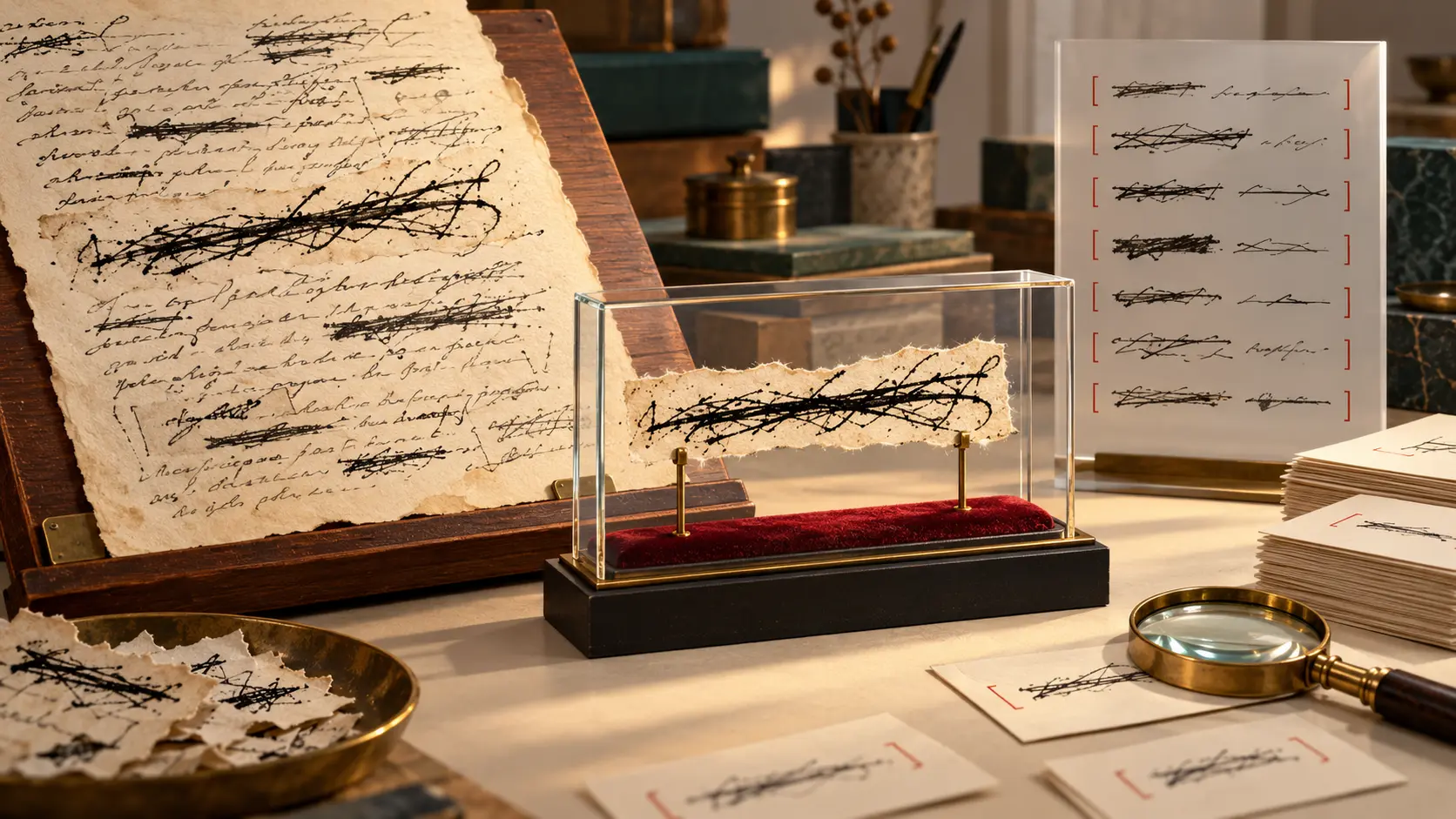
Crossing out a word is usually a reasonably clear instruction to leave it alone. Jeremy Bentham's crossed-out words received more attentive treatment. In the online transcription project launched in September 2010, volunteers were asked to carry his revisions into digital text. Even the rejected wording had work to do.
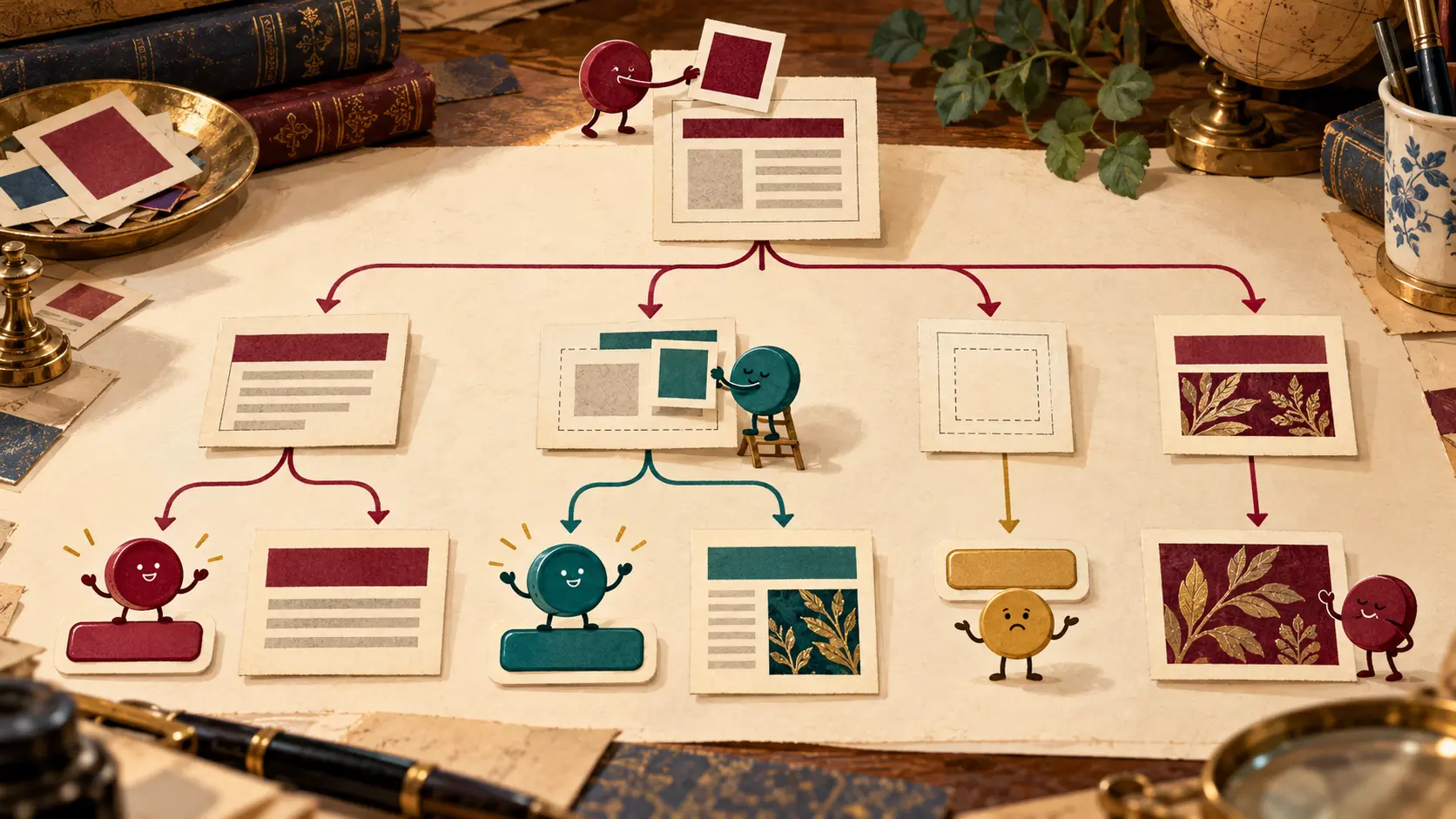
The original design paper by Martin Moyle, Justin Tonra and Valerie Wallace shows the arrangement: a manuscript image on the right, a text box on the left and a zoom control for close inspection. Volunteers could choose material by subject, date and difficulty. The paper's sample of later handwriting looked quite capable of defending itself against casual readers.
Typing the surviving sentence was only part of the task. A toolbar offered ways to mark additions, deletions, marginal notes, unusual spelling, illegible passages and uncertain readings. These buttons helped produce text in the Text Encoding Initiative format, using XML tags to describe what was happening on the page. A strike-through could retain its meaning after the words left the photograph.
That distinction mattered to anyone studying how a text developed. An inserted phrase and a cancelled phrase have different jobs. Flatten both into ordinary running prose and a reader may attribute to the author a sentence he was actively taking apart. The interface asked volunteers to preserve the evidence of revision alongside the words.
Buttons could supply the tags. They could not decide what a stubborn squiggle said. The design paper explicitly described a balancing act: detailed encoding added scholarly value and complexity, while expert checking cost staff time. Demanding too much of a beginner could send that person away before useful work began.
The project's 2012 study of its first six-month trial makes the labour visible. Between 8 September 2010 and 8 March 2011, volunteers worked on 1,009 manuscripts. Seven regular contributors had worked on 709 of them, about 70%. A manuscript counted here could still need further work. The crowd had a remarkably small engine room.
Partly finished work acquired its own route back into circulation. In late January 2011, an Incomplete Folios category made transcripts needing improvement easier to find. Regular contributors also suggested handwriting examples and a list of partial transcripts. Somebody could stop at a difficult passage without making the effort already spent disappear into the archive's furniture.
The next handoff belonged to an editor. The design paper describes submitted transcripts passing through project review; approved text then went into UCL's digital repository beside the relevant manuscript image. This gave future readers a route back to the page. The transcripts also supported the separate scholarly work of preparing Bentham's collected writings.
A project update dated 16 December 2011 supplied an unusually tidy demonstration of the division of labour. The site would remain available over Christmas and New Year. Staff would be away from 21 December until 9 January, and submissions would wait for checking until their return. Questions would be answered where possible. The website could stay awake through Christmas; its editors had calendars.
The internet had moved an exacting reading task beyond the reading room. Keeping the crossed-out words legible required an image, an interpretation, a description of the deletion and someone willing to check the lot.
Member Briefing
Deeper Profile Context
Sign in with the right membership level to unlock the full briefing and source notes.
Only for Strategic Circle
Strategic Circle
Open to all readers. Unlock profile briefings after joining and signing in.
Join Strategic CircleOnly for Leadership Alliance
Leadership Alliance
For qualified IP-asset owners and management; sign in to unlock alliance briefings.
Join Leadership Alliance