Summary
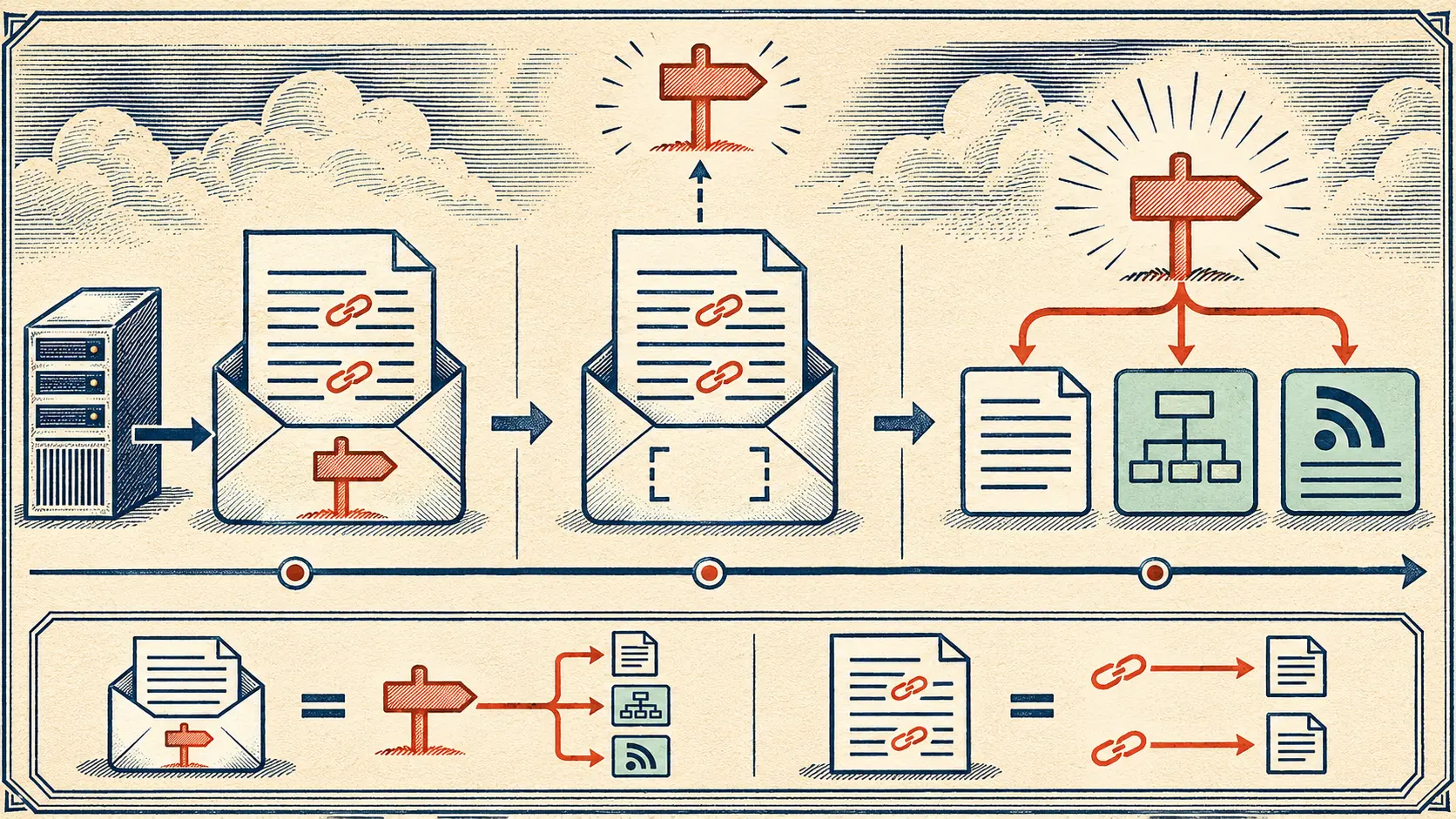
- Yahoo's 2000 filing described a subject-based directory with editorial descriptions and a staff-chosen symbol for distinctive sites. Its 2002 filing described fee-based Sponsor Listings that gave commercial sites enhanced placement in browse-driven directory results.
- Keyword search carried a separate paid product, Sponsor Matches, supplied principally through an outside partner. Yahoo said revenue from that agreement exceeded 10% of its own net revenue in 2002. An FTC staff industry letter that year urged clear separation of paid rankings from unpaid results.
A directory that made an order look earned
In its 2000 Form 10-K, Yahoo called its main site a guide to Web navigation. The directory placed sites under 14 broad subjects and deeper subcategories. Readers could browse those lists or search their contents. Many entries carried brief descriptive commentary; editorial staff marked some sites for distinctive presentation or content. The directory thus offered two things at once: links and Yahoo's judgment about how to arrange them. The site was generally free to users, while Yahoo earned money from advertising and sponsorships across its properties.
The 2002 Form 10-K put a price inside that navigational space. For browse-driven inquiries, Yahoo's own Sponsor Listings program let commercial sites pay for enhanced placement in directory results. The filing still described a hierarchical directory, with 14 principal categories and ordinary browsing. It described the paid position as one program within those results. A better spot could now be purchased in a place readers visited because someone had already sorted the Web for them.
Keyword search had a different cash register. Yahoo said its search experience combined Web-wide results from another provider with its directory and network content. Yahoo! Sponsor Matches supplied paid enhanced placement in search results, principally through an agreement with an outside paid-search company. Revenue from that agreement exceeded 10% of Yahoo's total net revenue for 2002, according to Yahoo's own risk disclosure. That percentage is the share of Yahoo revenue tied to the partner agreement, not the share of all search results that were advertisements.
The two sponsor products belonged to different reader actions: browsing a subject directory and entering a keyword query.
When the map contains a price tag
The FTC staff's June 2002 industry letter called a bought higher rank paid placement and payment affecting entry into an index paid inclusion. It urged search engines to distinguish paid rankings clearly from unpaid results, including when advertisements appeared beside ordinary listings. The staff's concern was legibility: a reader choosing a route should be able to see when payment helped choose the position. The letter addressed the industry's presentation of search results. Yahoo's filings supply the concrete business design; the FTC letter supplies the contemporary test for how such designs appeared to readers.
Yahoo's directory had accumulated authority by organizing a chaotic Web. Sponsor Listings turned part of that authority into inventory. Sponsor Matches did the same for the keyword route under a different commercial arrangement. The site could remain free to a reader because the merchant paid for visibility. The cost of that model sat in a small distinction the interface had to carry: a useful recommendation and a purchased better position could appear on the same map.
Sources
- Yahoo! Inc., FY2000 Form 10-K, SEC, Item 1, directory and revenue model.
- Yahoo! Inc., FY2002 Form 10-K, SEC, Item 1 and risk factors, Sponsor Listings, Sponsor Matches and partner revenue.
- FTC Bureau of Consumer Protection staff, search-engine industry letter, 27 June 2002.
Member Briefing
Deeper Profile Context
Sign in with the right membership level to unlock the full briefing and source notes.
Only for Strategic Circle
Strategic Circle
Open to all readers. Unlock profile briefings after joining and signing in.
Join Strategic CircleOnly for Leadership Alliance
Leadership Alliance
For qualified IP-asset owners and management; sign in to unlock alliance briefings.
Join Leadership Alliance