Summary
- Introduced in 2007, reCAPTCHA paired a known word with an unread word so a website access check could also produce a transcription.
- Its 2008 design gave a word a second career as a control question only when the first three human answers agreed and differed from both OCR guesses.
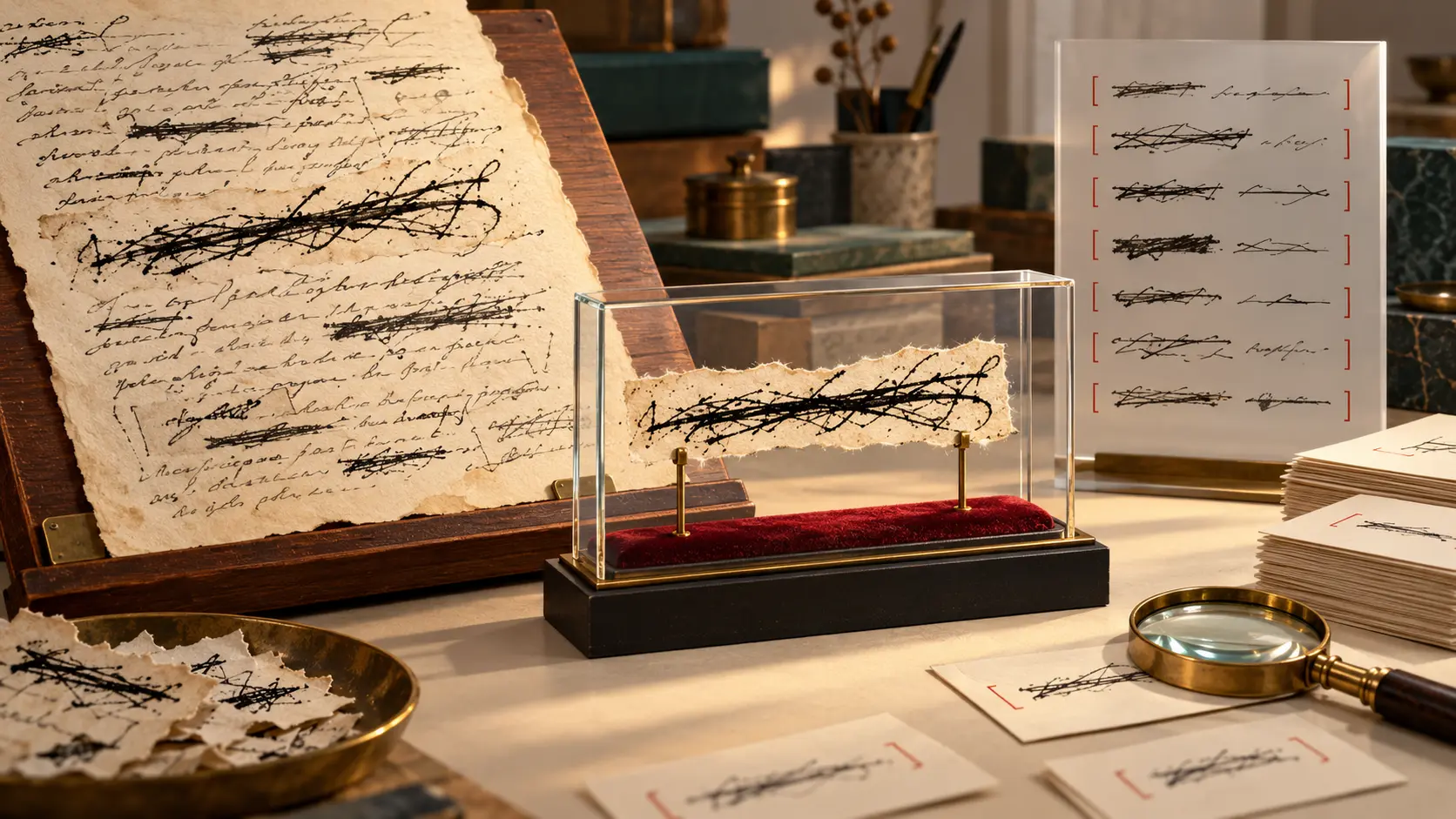
A smudge in an old book could enjoy a remarkably brisk career. First it defeated the computer. Then people deciphered it. Finally, it got a job examining people on the computer's behalf. Early reCAPTCHA ran quite a promotion scheme.
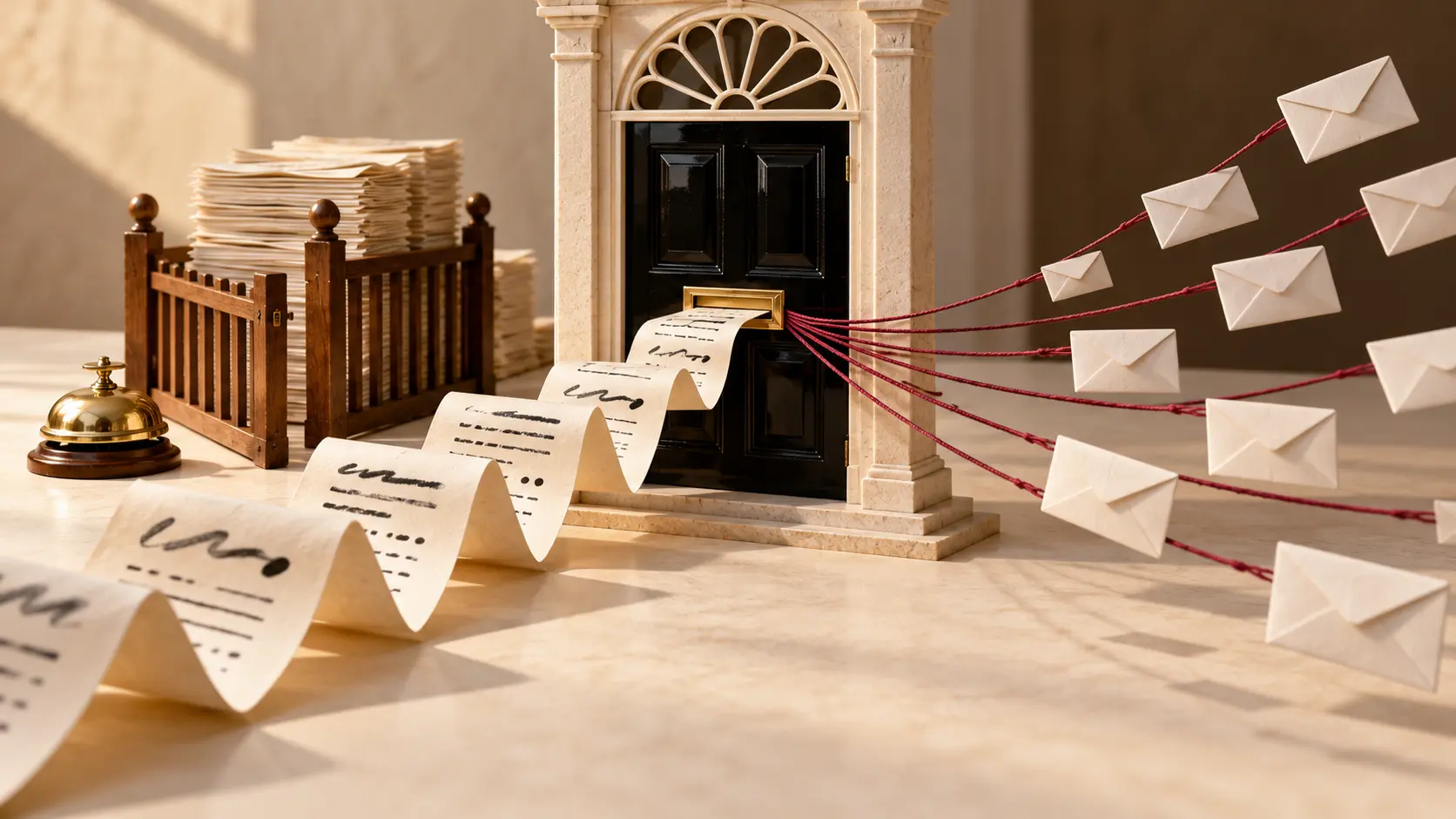
Carnegie Mellon University's 2007 account of the project described a useful bargain at the website entrance: the visitor supplied a reading of print that optical character recognition software, or OCR, had failed to decipher. The same few seconds served an access check and the conversion of printed material into searchable text. The doorway had acquired a small back office.
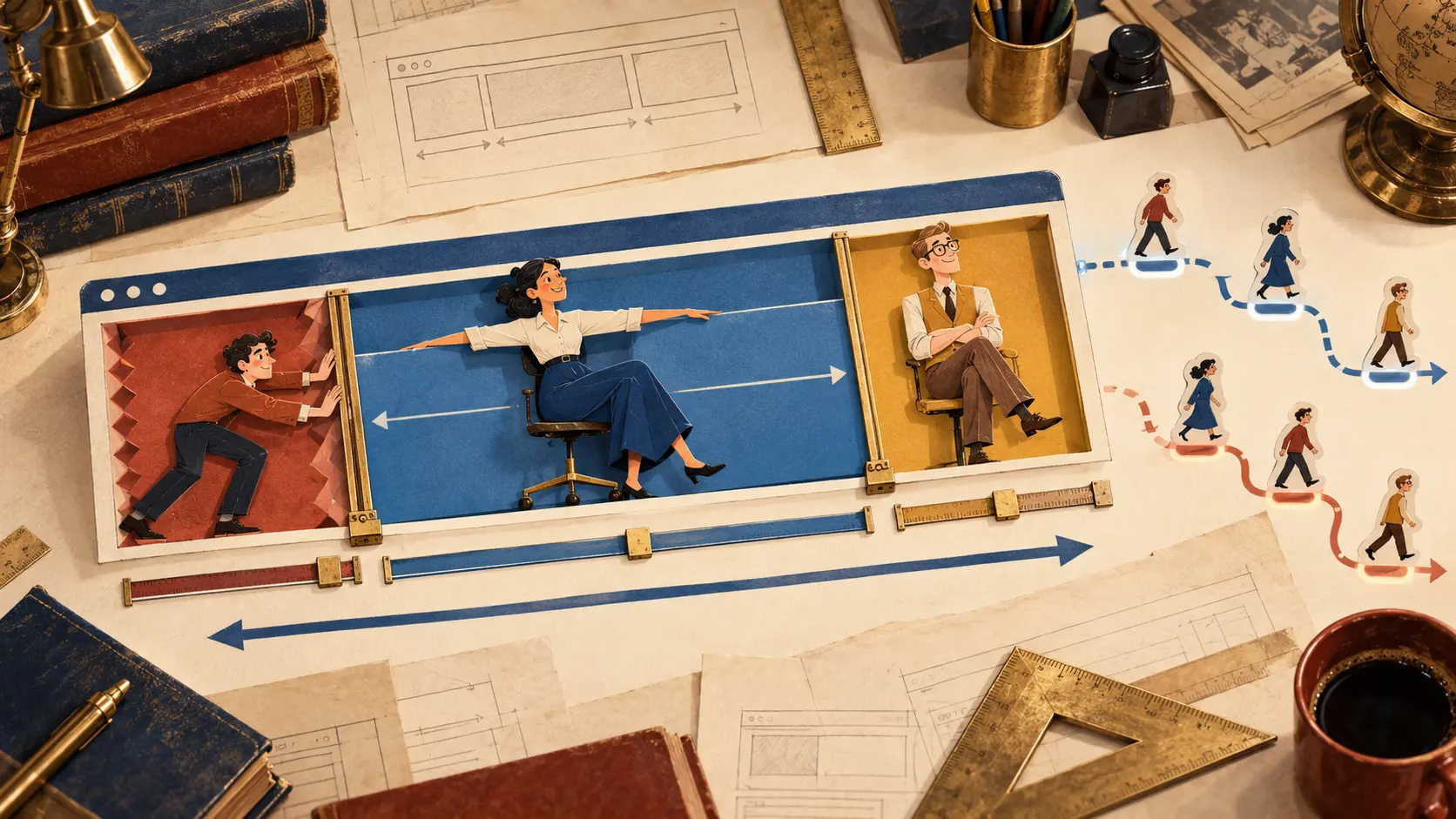
The team's original 2008 paper explains the marking. A known control word accompanied an unknown word, in random order. Getting the known word right made the other answer a plausible transcription. Different visitors saw different distortions of the same unknown word.
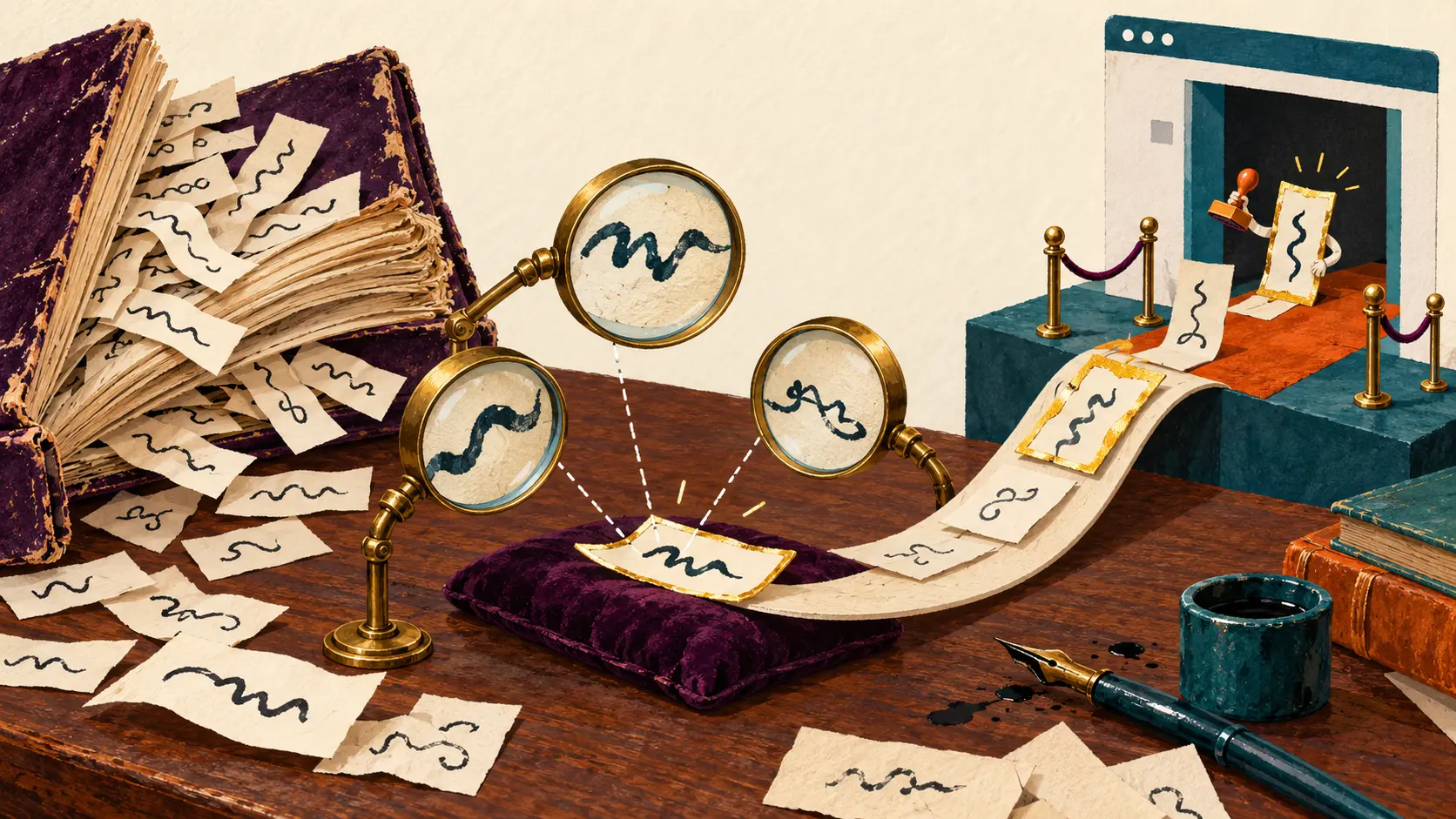
For promotion into the control vocabulary, the first three human readings had to agree with one another and disagree with both OCR guesses. The troublesome word could then test subsequent visitors. Answering the question helped manufacture another question.
Two grades of success
Transcription had its own arithmetic: a human answer counted for one vote, an OCR answer for half, with acceptance at 2.5 votes. Two agreeing humans plus one agreeing OCR could therefore settle a reading. That result met the transcription threshold; promotion to examiner required the stricter condition above.
Selection mattered too. The system compared two OCR outputs and an English dictionary to flag suspect words. Six user rejections before an accepted spelling sent a word out as unreadable. The button for requesting fresh words was also doing archival housekeeping.
This was an unusually economical arrangement of work. A visitor supplied a tiny act of reading; the operator combined those acts, judged their agreement and decided what the result could be used for. The system's output included both recovered text and the material for future checks. A successful entry at one door helped furnish another.
The university's 2009 announcement dates reCAPTCHA's introduction to 2007, the company's formation to 2008 and its acquisition by Google to 2009. The early design captures a particular moment in web history: an irritating little form became a place where strangers helped restore print and stock the next exam. The unreadable word had moved into management.
Member Briefing
Deeper Profile Context
Sign in with the right membership level to unlock the full briefing and source notes.
Only for Strategic Circle
Strategic Circle
Open to all readers. Unlock profile briefings after joining and signing in.
Join Strategic CircleOnly for Leadership Alliance
Leadership Alliance
For qualified IP-asset owners and management; sign in to unlock alliance briefings.
Join Leadership Alliance