Summary
- Priceline's airline service, launched on 6 April 1998, let a customer name a price and dates, then agree to a non-changeable ticket at any time of day on any participating major airline. The card-backed offer came before the exact flight.
- Priceline earned any spread between the accepted customer offer and the cost of the ticket. Its 1999 prospectus counted about 1.9 million ticket offers from launch through 1998, but about 134,900 ticket sales. Offers were demand, not purchases.
- On 15 October 2003 Priceline added disclosed-price tickets to its own site. The airline set the retail price and became merchant of record. The company said opaque ticket demand was shrinking and its ticket units had fallen in both 2002 and 2003.
The price arrived before the flight
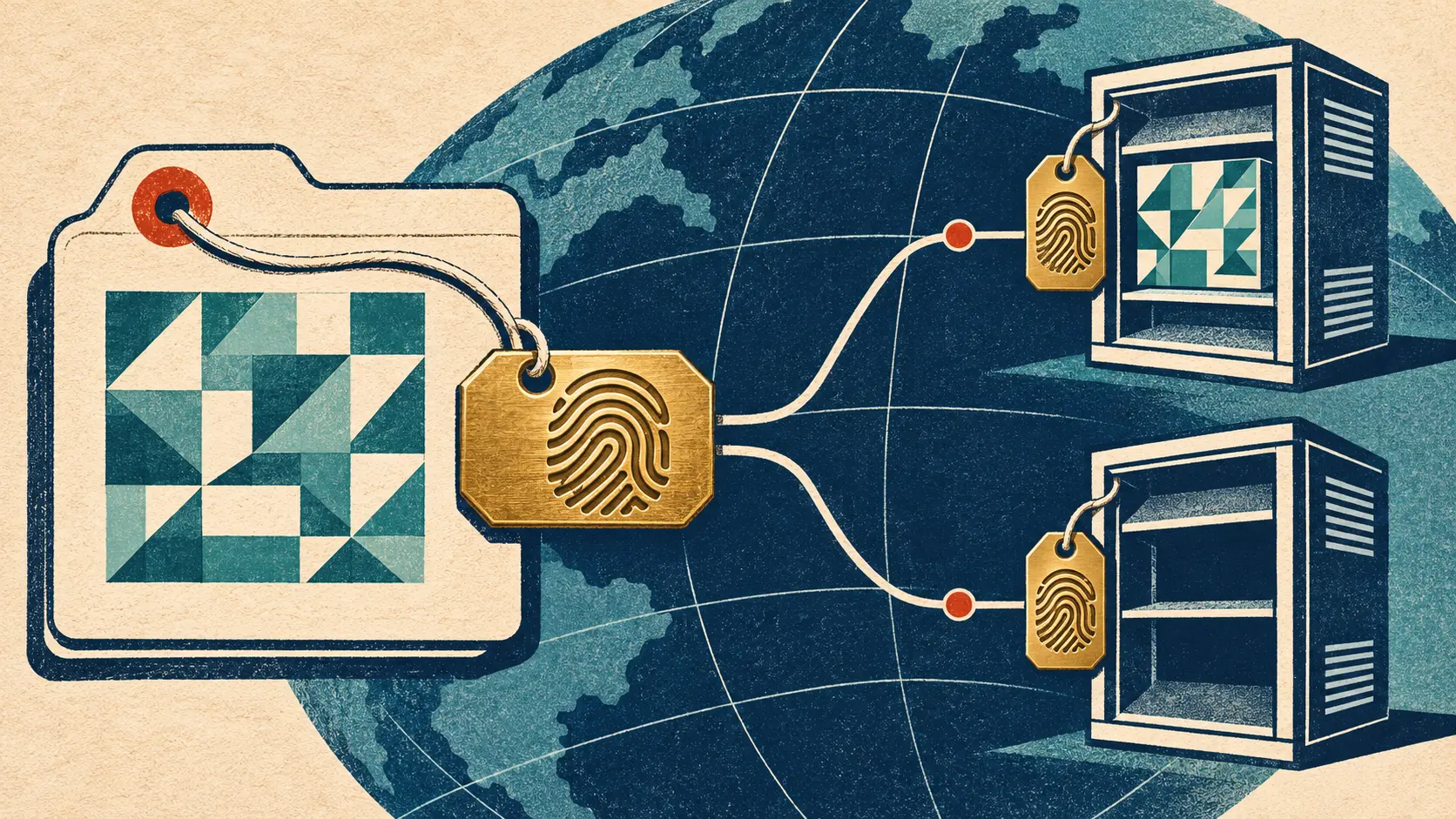
A late-1990s airline search normally started with a flight and ended with its price. Priceline reversed the order. The buyer supplied a destination, dates and a number, then agreed to accept a ticket that could not be changed, at any time of day, on any major airline willing to fill the offer. The 1999 prospectus called this a buyer-driven system. It also described the less marketable half: the buyer's offer was guaranteed by a credit card and held open for a set period. Once accepted, it generally could not be cancelled or refunded.
That was the bargain. The traveller received a chance at a lower fare by giving up the ability to pick a particular flight. The airline could sell a seat without posting the same discounted price to every customer. Priceline stood between the two, deciding whether an available fare and the customer's terms could meet. The visible innovation was the price box; the operating innovation was who could see and choose the rest of the transaction before money moved.
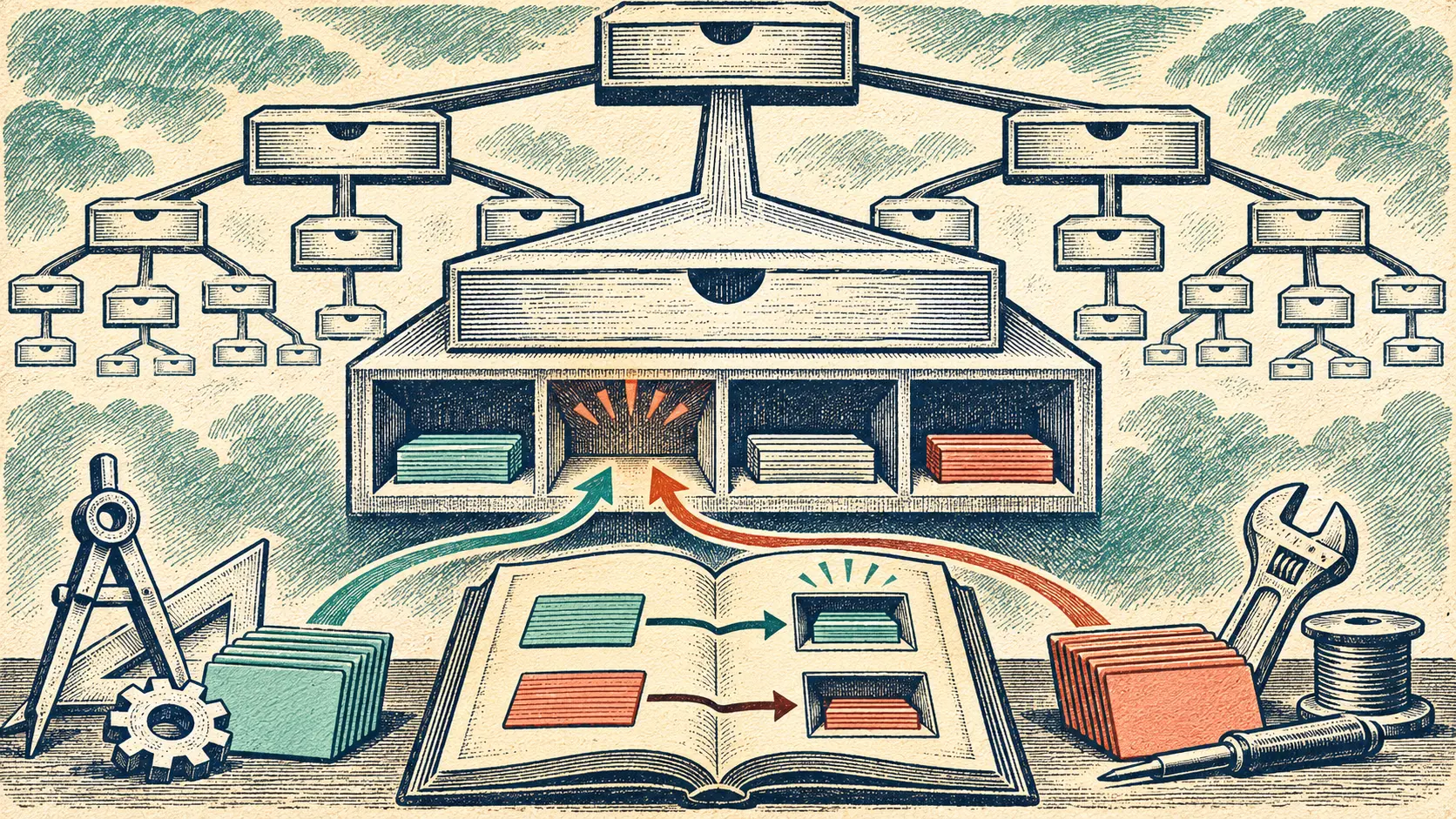
The prospectus makes the sequence unusually plain. Priceline checked fares, rules and inventory against the offer. If it could obtain a ticket within the buyer's parameters, it charged the card for the offered amount and delivered the ticket. It earned the spread, if any, between that amount and its ticket cost. A rejected bidder could not simply revise an identical itinerary offer within seven days. The customer could name a price; Priceline and participating airlines controlled whether a flight existed at that price.
A mountain of offers, a smaller pile of tickets
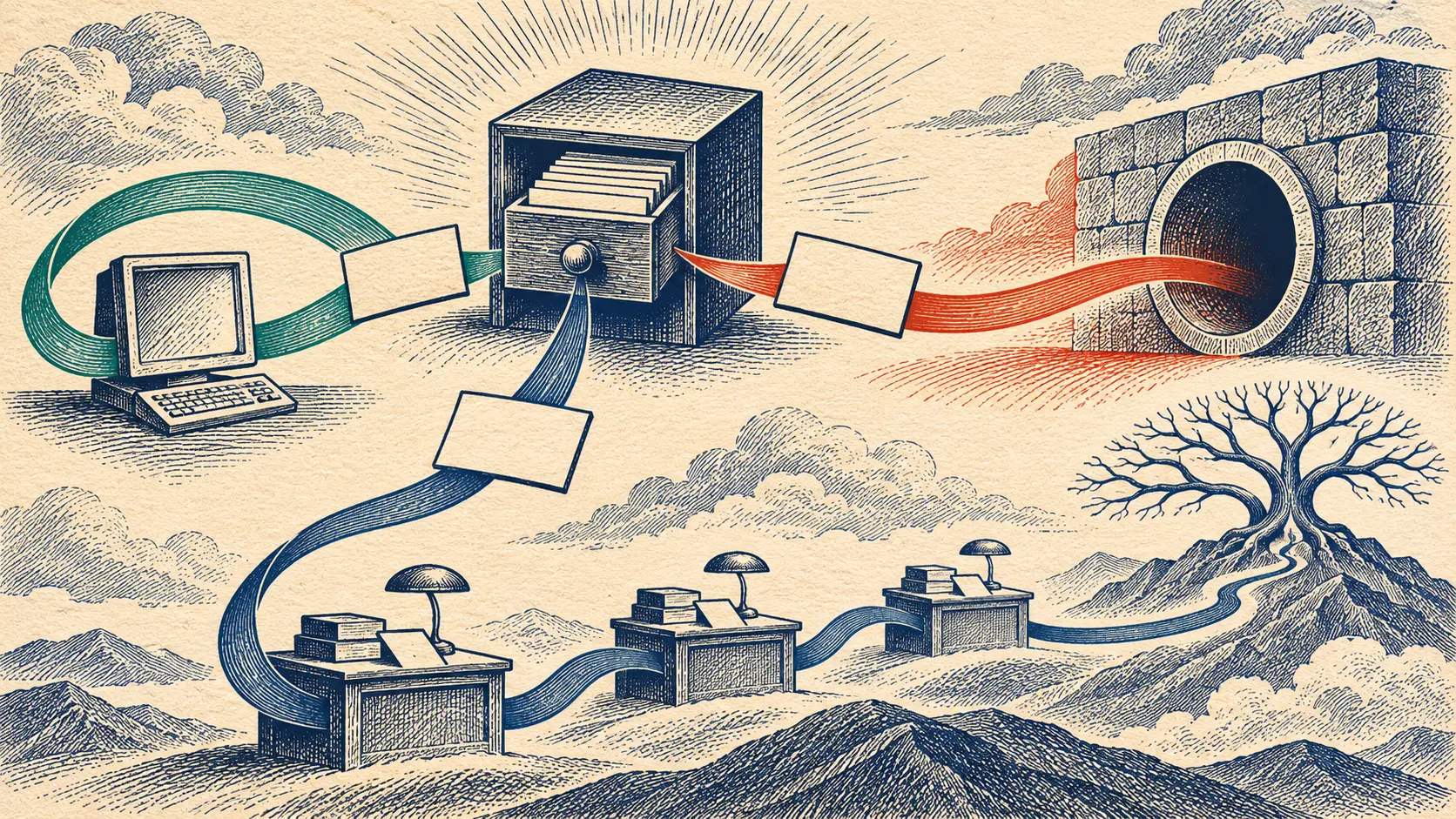
From the April 1998 launch through 31 December, Priceline recorded guaranteed offers for approximately 1.9 million airline tickets. The same filing counted sales of approximately 134,900 tickets. Those are different units: an offer was a card-backed willingness to buy, while a sale required a match. The gap is a useful antidote to the easy story that the Internet had invented a new way to clear every empty seat. The company had built a large collection point for bids. It still had to find inventory and a price that worked.
The company did not claim the customer could see every term and then haggle. Binding the buyer before revealing the itinerary was how it made the offer credible to suppliers. That credibility had a cost: a buyer unable to choose a departure time or carrier had to believe the discount justified surrendering both. When published fares dropped, that calculation could change without any code breaking.
The itinerary came back on screen
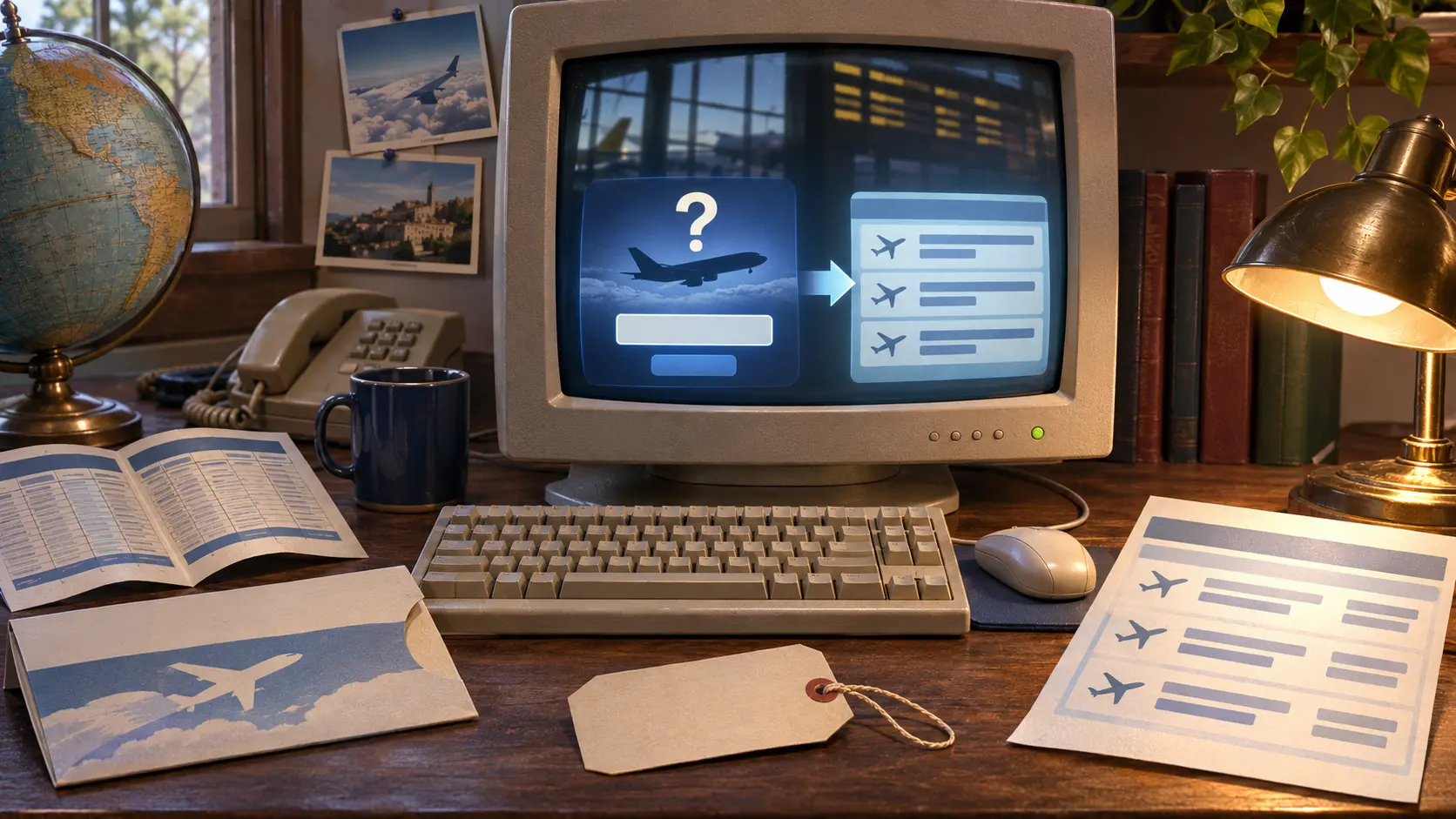
Priceline had already given some unsuccessful bidders the option of a disclosed-price ticket through Lowestfare.com in 2002. Then its September 2003 quarterly filing recorded a more direct move: on 15 October 2003 the company launched a feature on Priceline.com for airline tickets at disclosed prices. At first it sat behind a link beside Name Your Own Price while the company tested ways to display the new option. The old bid was still there. The customer could now choose the published itinerary instead.
The 2003 annual report explains the pressure. Airline ticket units had fallen approximately 36% in 2002 and approximately 39% in 2003, each against the preceding year. Management described a shrinking market for opaque ticket sales. Lower retail fares and low-cost carriers made customers less willing to trade flight choice for a discount. The mystery was useful only while the saving paid for it.
The newer ticket was a different transaction, not merely a brighter screen. For disclosed retail fares, Priceline acted as agent; the airline set the price and was merchant of record. In the original opaque sale, Priceline was merchant of record and earned any spread. Management said the disclosed product reduced Name Your Own Price sales in the fourth quarter of 2003 but increased total ticket sales, with the additional gross-profit contribution exceeding the lost opaque contribution. That is the company's reported early result, not a lifetime verdict on either model.
Sources
- Priceline.com, 1999 prospectus filed with the SEC: launch date, offer mechanics, 1998 offer and sale counts, and spread revenue.
- Priceline.com, September 2003 Form 10-Q: 15 October disclosed-price launch and initial website placement.
- Priceline.com, FY2003 Form 10-K: ticket-unit declines, opaque-market pressure, retail agency terms and early results.
Member Briefing
Deeper Profile Context
Sign in with the right membership level to unlock the full briefing and source notes.
Only for Strategic Circle
Strategic Circle
Open to all readers. Unlock profile briefings after joining and signing in.
Join Strategic CircleOnly for Leadership Alliance
Leadership Alliance
For qualified IP-asset owners and management; sign in to unlock alliance briefings.
Join Leadership Alliance