
JD wins antimonopoly lawsuit against Alibaba, rewards consumers with $140 million is a public record based on article evidence, entity context, event links, and relationship context.
JD.com wins 1 billion yuan ($140.46 million USD) in a lawsuit against Alibaba for monopolistic practices. Court rules Alibaba’s ‘choose one out of two’ strategy as market abuse. JD.com celebrates by distributing the entire sum to consumers through red packets. On the eve of the New Year’s holiday, a landmark legal decision in the Chinese e-commerce industry captured widespread attention. On December 29th, JD.com, a major player in China’s online retail market, announced a significant legal victory against Alibaba Group.
The Beijing Higher People’s Court ruled in favor of JD.com in their lawsuit against Zhejiang Tmall Network Co., Ltd., Zhejiang Tmall Technology Co., Ltd., and Alibaba Group Holding Limited. The case centered on allegations of Alibaba’s “choose one out of two” monopolistic practices, which JD.com argued severely harmed their business. A victory for fair competition The court found Alibaba guilty of abusing its dominant market position by enforcing the controversial “choose one out of two” strategy, which compels merchants to exclusively collaborate with either Alibaba or a competitor, but not both.
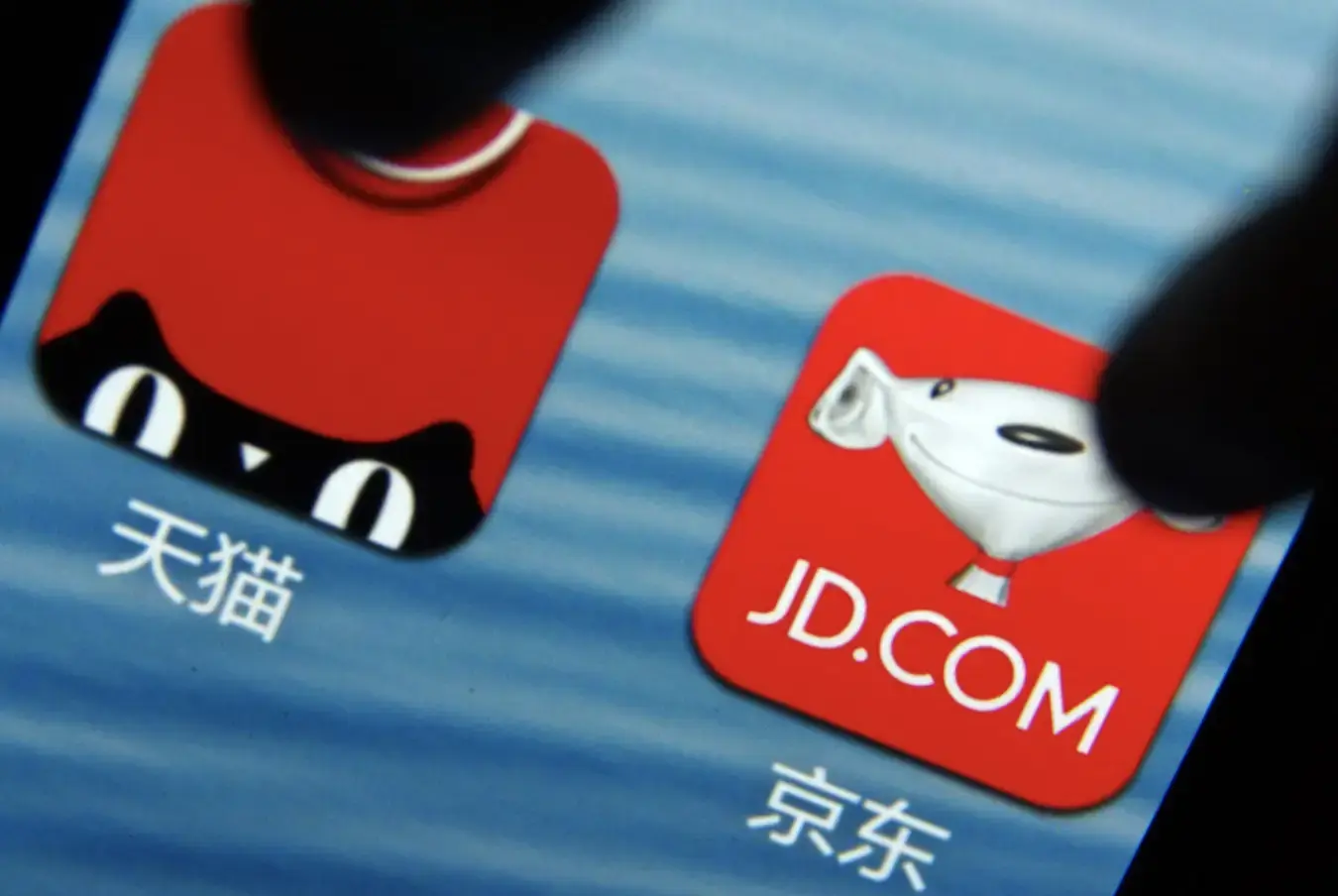
As a result, JD.com was awarded a substantial compensation of 1 billion yuan (approximately $140.46 million USD). In response to this ruling, Alibaba communicated to Securities Times reporters their acknowledgment of the verdict, expressing respect for the court’s decision. Also read: Alibaba’s surprise reversal slashes $20 billion from market value JD.com’s ingenious marketing move In a dramatic turn of events, JD.com celebrated their legal triumph by changing their app icon to “Share 1 Billion Yuan for New Year’s” and distributing the entire sum won in the lawsuit to consumers through red packets (a traditional Chinese monetary gift).
During a New Year’s Eve gala sponsored by JD.com, viewers were encouraged to enter phrases like “I want 888” or “I want 666” in the JD.com app to participate in the red packet giveaway. This move, heavy with irony, delighted consumers and added an intriguing chapter to the ongoing commercial battle among Chinese e-commerce platforms. The use of red packets as a marketing tool has become a trend in China, aligning with the cultural tradition of cherishing these gifts.
JD-Share 1 Billion Yuan for New Year Also read: Alibaba trims stake in Xpeng for second time in December A call to uphold legal rights Furthermore, JD.com’s statement highlighted the significance of the verdict, not only as a just decision against the “choose one out of two” monopoly but also as a momentous milestone in China’s legal journey against anti-competitive practices. The ruling is seen as a symbol of legal protection for fair market competition.
JD.com, which has been actively fighting against monopolistic practices since 2017, including challenging the industry’s unwritten rules around “super live-streamer price monopolies,” views the victory as a reinforcement of their commitment to fair competition. The company has consistently advocated for the development of brands and merchants and the pursuit of lower prices for consumers. This victory is celebrated not only as a win for JD.com but as a triumph for legal justice, market fairness, and the principle of competitive equality.
The judgment is expected to inspire more market players to stand up for their legal rights and contribute to building a more equitable, just, and open market environment.
Member Briefing
Deeper Trend Context
Sign in with the right membership level to unlock the full briefing and source notes.
Only for Strategic Circle
Strategic Circle
Open to all readers. Unlock trend briefings after joining and signing in.
Join Strategic CircleOnly for Leadership Alliance
Leadership Alliance
For operators, investors, and policy teams that need relationship evidence, failure paths, and source notes. Sign in to unlock.
Join Leadership AllianceSnapshot
Category
Asia-Pacific Institutional TrendsJD wins antimonopoly lawsuit against Alibaba, rewards consumers with $140 million is covered for market relevance.
Region
ASIA PacificSignal Focus
MarketContent Type
Signal BriefingPrimary Domain
SecurityTopic
MarketImpact
MediumConfidence
Good confidence (72%)Confidence score guide
Published reporting