
Profile
Briefing
Briefing profile intelligence connects person, company, institution, and other entity coverage for readers comparing the subjects behind BTW.MEDIA reporting. The page helps compare public profiles, related events, evidence packs, role changes, operating footprints, governance exposure, organisational links, and market relevance while keeping organisation and people records distinct from ordinary news chronology. Readers can understand the subject behind the headline, the evidence supporting that profile, and the infrastructure or market relationships that make the profile relevant. They can see who or what the profile represents, which public sources support it, how it connects to companies, markets, governance bodies, or events, and what changes may deserve continued attention as the subject evolves.

Story
Three /48s and Zero IPv4: The Paper Trail of a 2026 Network
GPULOL Inc. showed up in the North American registry this spring, took a 32-bit network number and a direct block of IPv6 space, and announces no IPv4 addresses at all. The records are exact about the numbers and silent about the company — and the silence is the more useful half…
Europe and Middle East Institutional
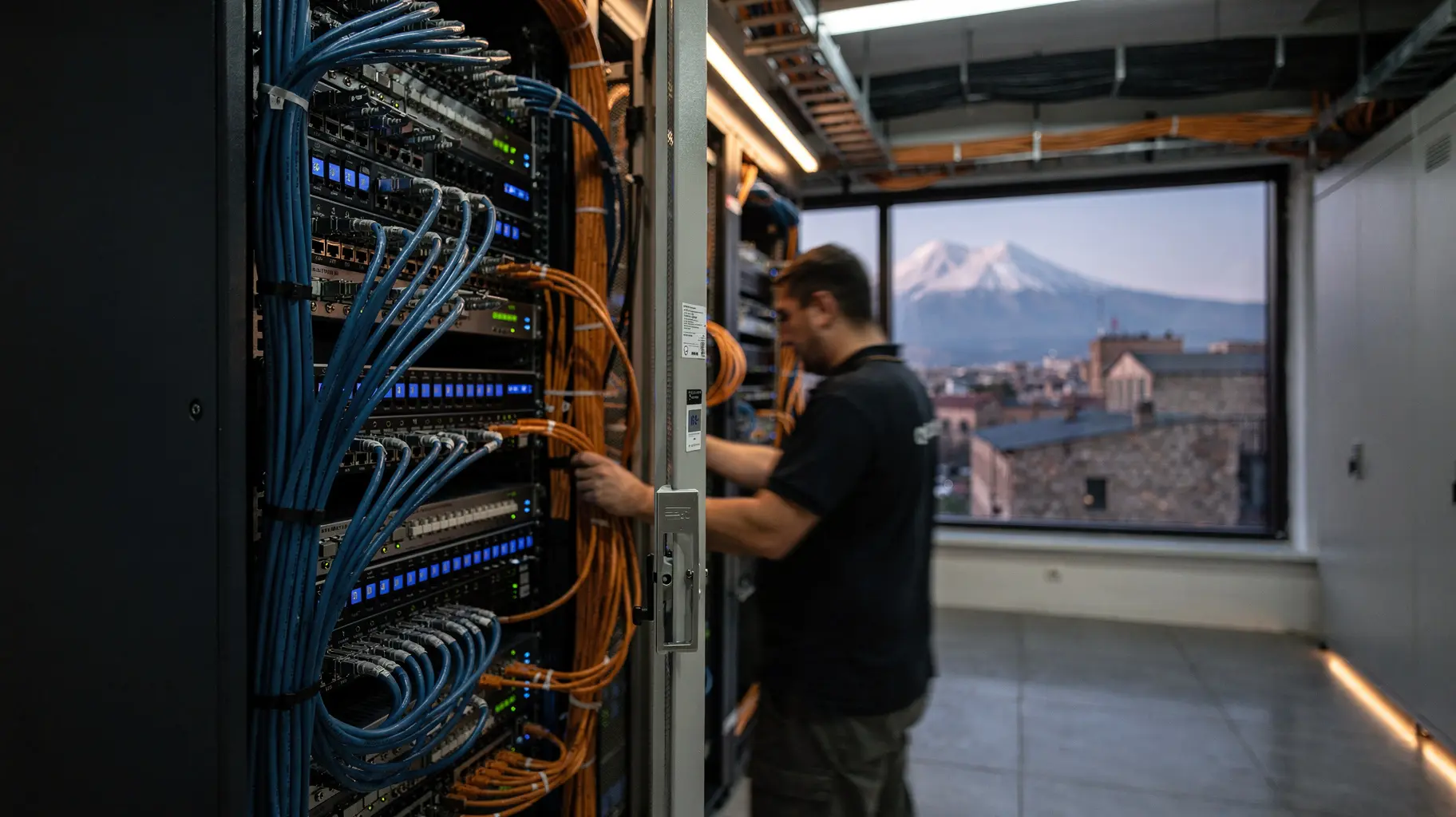
ARMIX Has Twenty Members and a Second City. Its Ceiling Is Still Ten Gigabits.
Armenia's national exchange counted twenty member networks in November 2025 and opened a second access point in Gyumri in February 2026. The published port range — 100 Mbit/s to 10 Gbit/s — says more about what kind of exchange this is than either announcement.
Number Resource Society
The Bahrain Internet Exchange Has One Document, and It Is Listed Twice
BTW's file on the Bahrain Internet Exchange holds a RIPE NCC membership, a Bahraini legal profile and a confidence score of 0.82. It holds no peer, no port, no prefix and no traffic figure — and the two sources behind it are the same page.

CASE FILE
Netnod's Card Puts a Region Where the Country Goes, Then Scores the Guess 0.82
A published record for one of Europe's oldest neutral exchange operators lists its headquarters country as "AP". That is a registry's service area, not a country, and it sits in four fields at once. What the card can actually stand behind — and the one check that would settle the…
Europe and Middle East Institutional Trends
A Riyadh Postbox, a Registry Key, and the Half of SAIX Nobody Publishes
The registry will tell you exactly what to call the Saudi Arabian Internet Exchange and where to send its post. It will not tell you who is plugged in. Measured on 4 November 2026, that gap is the finding.
North America Datacenter
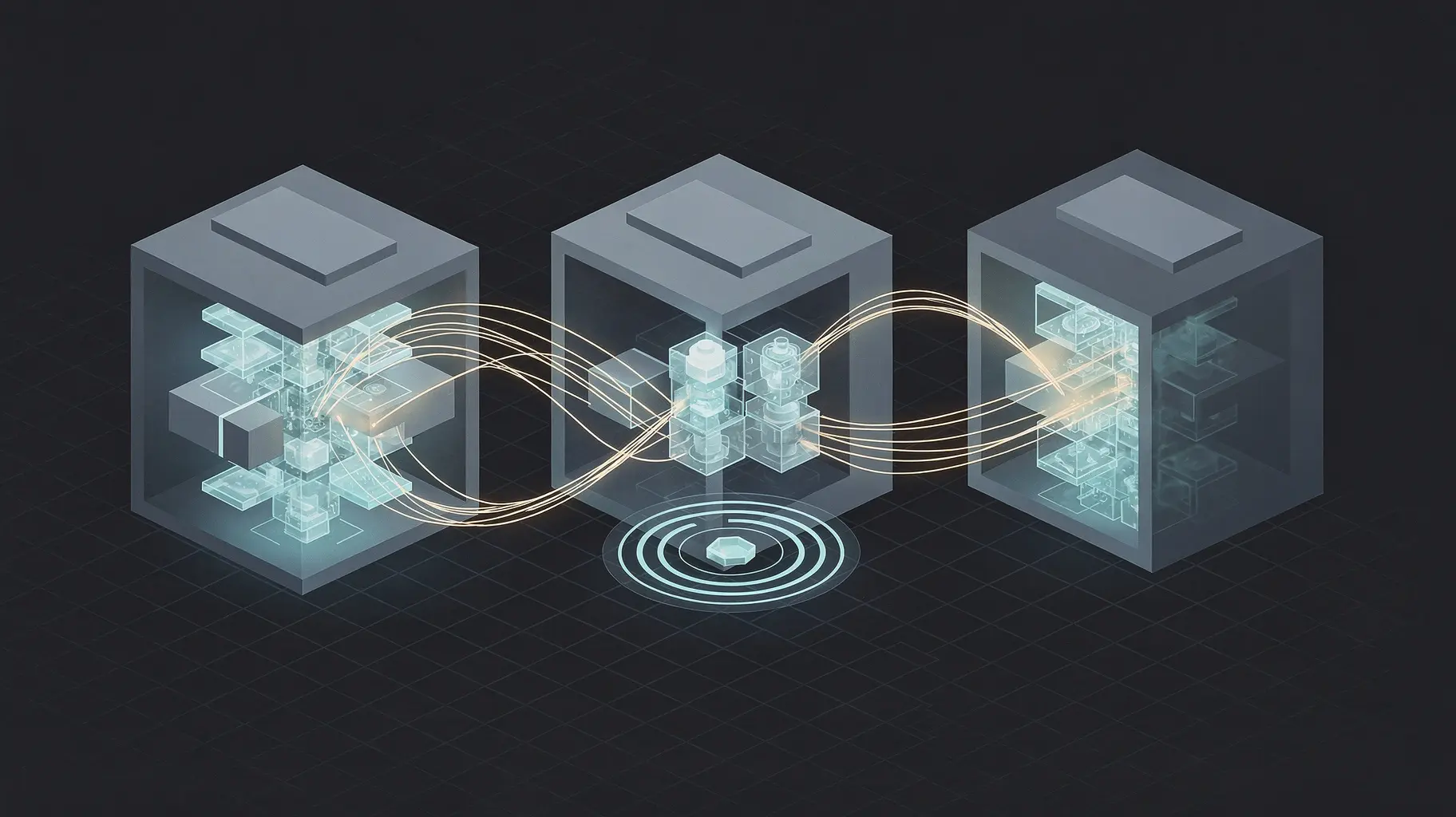
PIT-IX Reports Three Buildings. The Record Won't Say Which.
An internet exchange is a building problem in a routing costume. The Pittsburgh Internet Exchange now tells the world it runs across three facilities, counts thirty-six member networks and has imported forty-one networks from its IX-F feed — and it does not name one of the three.

Asia-Pacific Regional ISP Trends
Four Addresses, One Switch: What Myanmar's Exchange Can Disperse and What It Cannot
Myanmar Internet Exchange now advertises four domestic meeting points across the country. The list is real and the geography is real. So is the single authority that has, four times in fifteen years, ordered the country's traffic to stop.

Europe and Middle East Institutional Trends
FICIX Runs the Fabric. Two Facilities Carry Telia and Equinix Names.
On 3 November 2026, the front page of Finland's largest internet exchange listed five sites and three platform names. Two of those sites sit inside buildings named for somebody else: a national carrier and a commercial datacentre company. That is the most concrete thing FICIX…

IETF
The BGP Session Fell. Its Counter Was Supposed to Stay Up.
A BGP peer drops, comes back, and resumes sending routes. The monitoring station has a Peer Down record, but it may have missed the messages that led there. A new BMP proposal wants the message count to survive the flap. The dangerous reset is a different event.

Story
ARIN Put the Starter Kit in the Suggestion Box
ARIN Put the Starter Kit in the Suggestion Box intelligence summary explains the development, the public evidence available to readers, the organisations involved, the regional context, market exposure, and the infrastructure consequences that may follow. The Story intelligence…

CASE FILE
The Fed Found a 97% MFA Exemption. It Had No Central Exception List.
In one embedded IT group at the Federal Reserve Board, roughly 97% of users were exempt from phishing-resistant sign-in for certain applications. The Board enforced the stronger method elsewhere, but could not centrally track who was exempt, why or until when. The exception had…

IETF
The Link Looked Idle. Its Queue Filled Anyway.
An average utilization chart can stay calm while one egress queue fills in a short burst. A new IPFIX proposal would export how often that happens and how often a burst includes packet loss. The counts are useful only beside the queue, time window and local rule that declared an…

IETF
The Update Skipped a Field. The Inventory Kept It.
YANG-Push v2 revision 01 gives two very different meanings to a missing data node. In a change event, silence leaves the receiver's old value in place. In a completed periodic snapshot, absence can remove it. A collector that ignores the distinction can erase live state or…
IETF
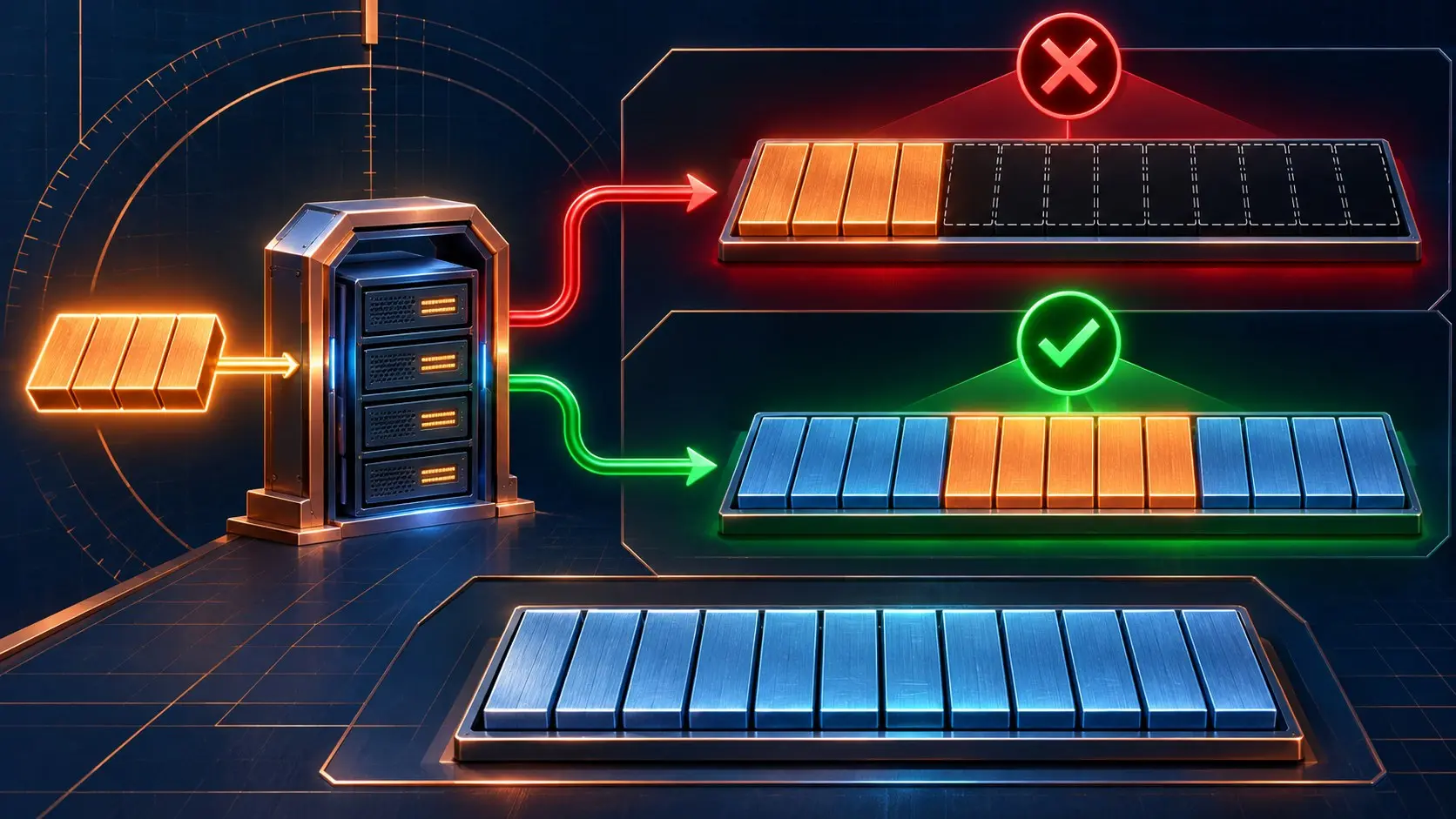
Four Bytes Came In. The Server Replaced the File.
A client wants to change four bytes in a twelve-byte file. It sends the fragment with a range saying where those bytes belong. A server that treats the range as a mere hint can replace the whole file with the fragment. The [IETF Byte Range PATCH…

IETF
The Email Was Signed. The Mail App Put the Button There.
A flight update arrives with a familiar name, a plausible itinerary and a button to change the booking. The signature can establish who signed the message or its embedded data. The mail app still decides whether the button appears, what it does and whether displaying it sends the…

CASE FILE
GSA’s File Scanner Had a 15 MB Blind Spot. Fourteen Exposed Files Were Bigger.
A federal agency shared 116 controlled files across its own Drive, then discovered that its detection regime had a size ceiling its managers did not know about. The sharper failure was institutional: no one owned the scanner’s vocabulary, its limits or the decision to share…

IETF
The Router Added Headers. The Counter Took Credit.
A new IETF SR Policy YANG revision counts bytes on both sides of encapsulation. The output side includes headers the router just added; the input side alone can identify traffic steered by a Binding SID. One dashboard subtraction could tell a very confident lie.

IETF
RADIUS Sent an Error. The Proxy Owns the Next Attempt.
A login request reaches a RADIUS proxy. The next hop returns an error. The proxy now has a decision to make: find another route or send a fresh error toward the access device. Passing the packet along unchanged would be cheaper, and wrong. A new IETF draft puts that small…
IETF
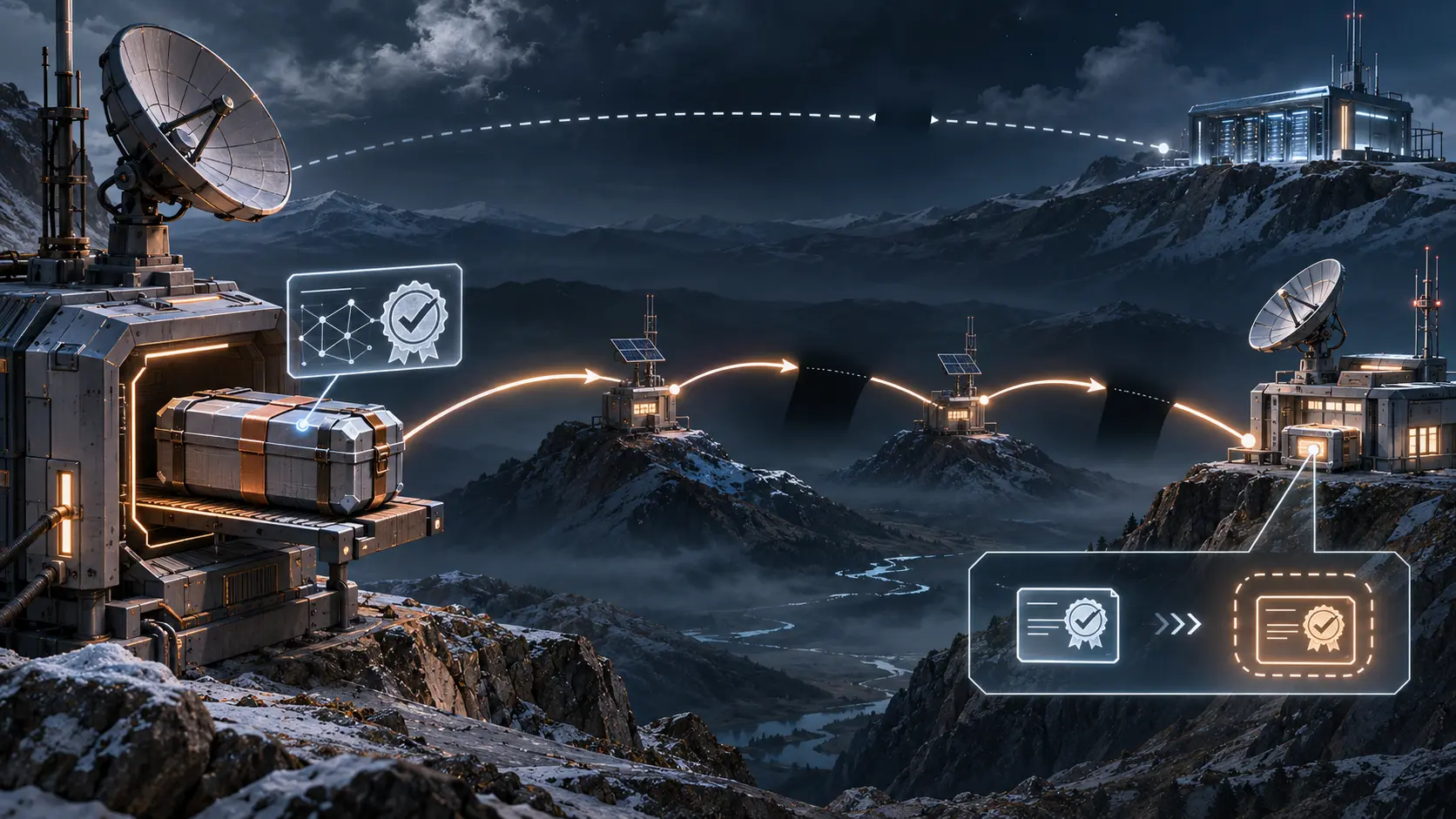
The Bundle Arrived. Its Revocation Server Did Not.
A signed message can cross a broken network while a certificate-status query cannot. A 2 November IETF revision puts that contradiction in the operator’s hands: choose a reachable OCSP responder, or move the online work toward short-lived certificate issuance.

CASE FILE
The IRS Built a Spending Watchdog. Its $4.5 Million Hub Skipped the Watchdogs.
The Procurement Hub was meant to tell the Treasury which contracts could go. Its own follow-on purchase arrived with no clear engineering milestones, limited market research and a full advance payment. Most users also bypassed the normal access request system. The IRS shut off…