
Topic
Public-sector Continuity
Within the Topic facet, Public-sector Continuity topic intelligence connects articles that share a specific subject, signal focus, or monitoring theme. The page gives readers a richer path through related reporting, source evidence, market actors, and infrastructure implications, with enough context to understand why the topic matters across company movements, governance decisions, regional exposure, and operational risk. Readers can compare recurring signals, affected organisations, public evidence, market context, service continuity, procurement, competition, compliance, and strategic planning questions behind the subject instead of stopping at a thin list of matching articles. It explains what the topic covers, which infrastructure actors or policies are involved, what evidence supports the coverage, and why the subject may matter for operators, customers, investors, and policy readers.
History
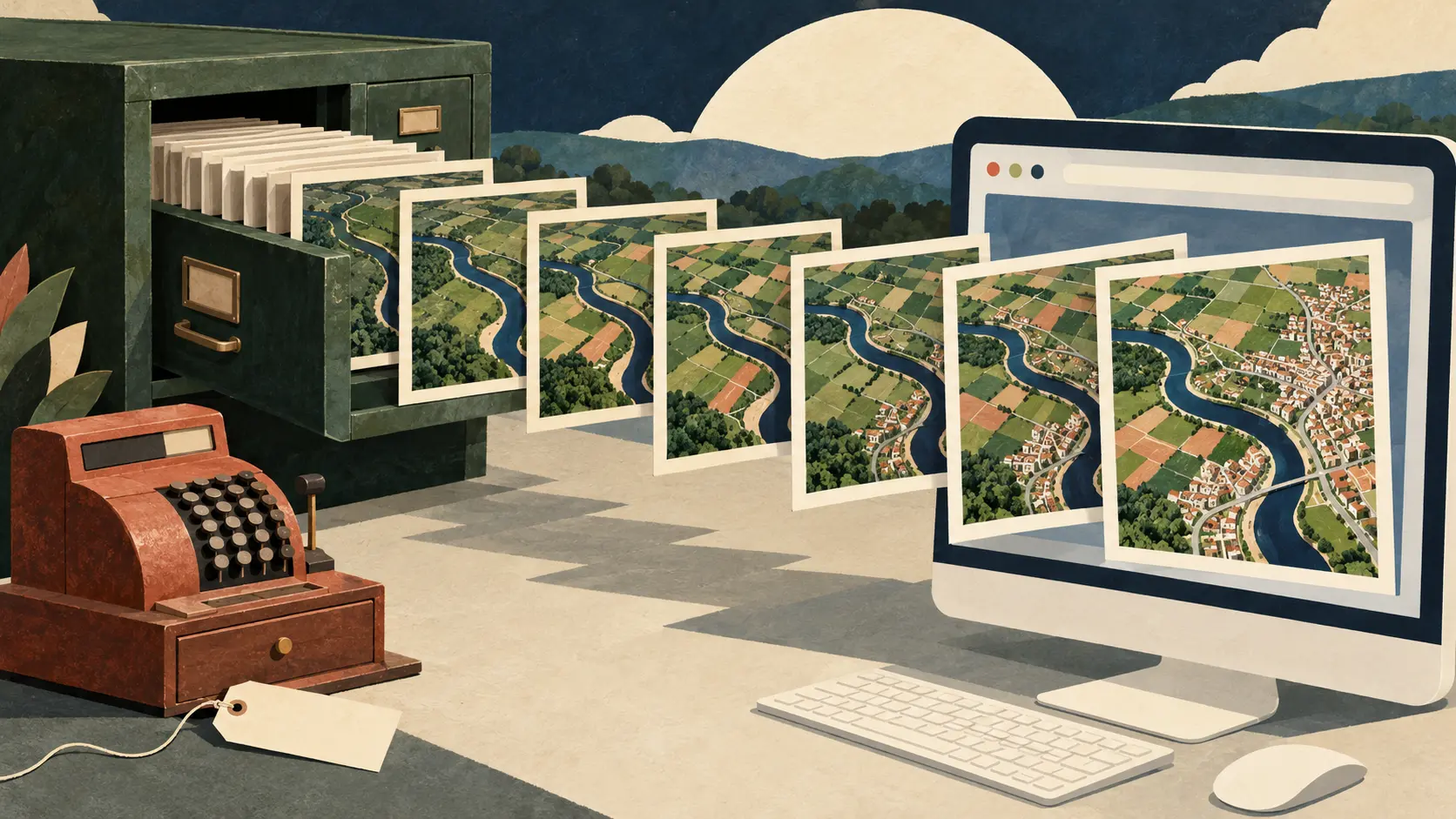
Landsat Retired the Cash Register
Opening the satellite archive in 2008–2009 meant more than free downloads. USGS replaced paid processing choices with a standard recipe, and old pictures of Earth found a busy new life online.

History
Science Would Like Your Boring Birds
eBird had to persuade people to report the everyday birds they were tempted to leave out. The reward was a better birding website; the scientific payoff depended on knowing what a complete list meant.
History
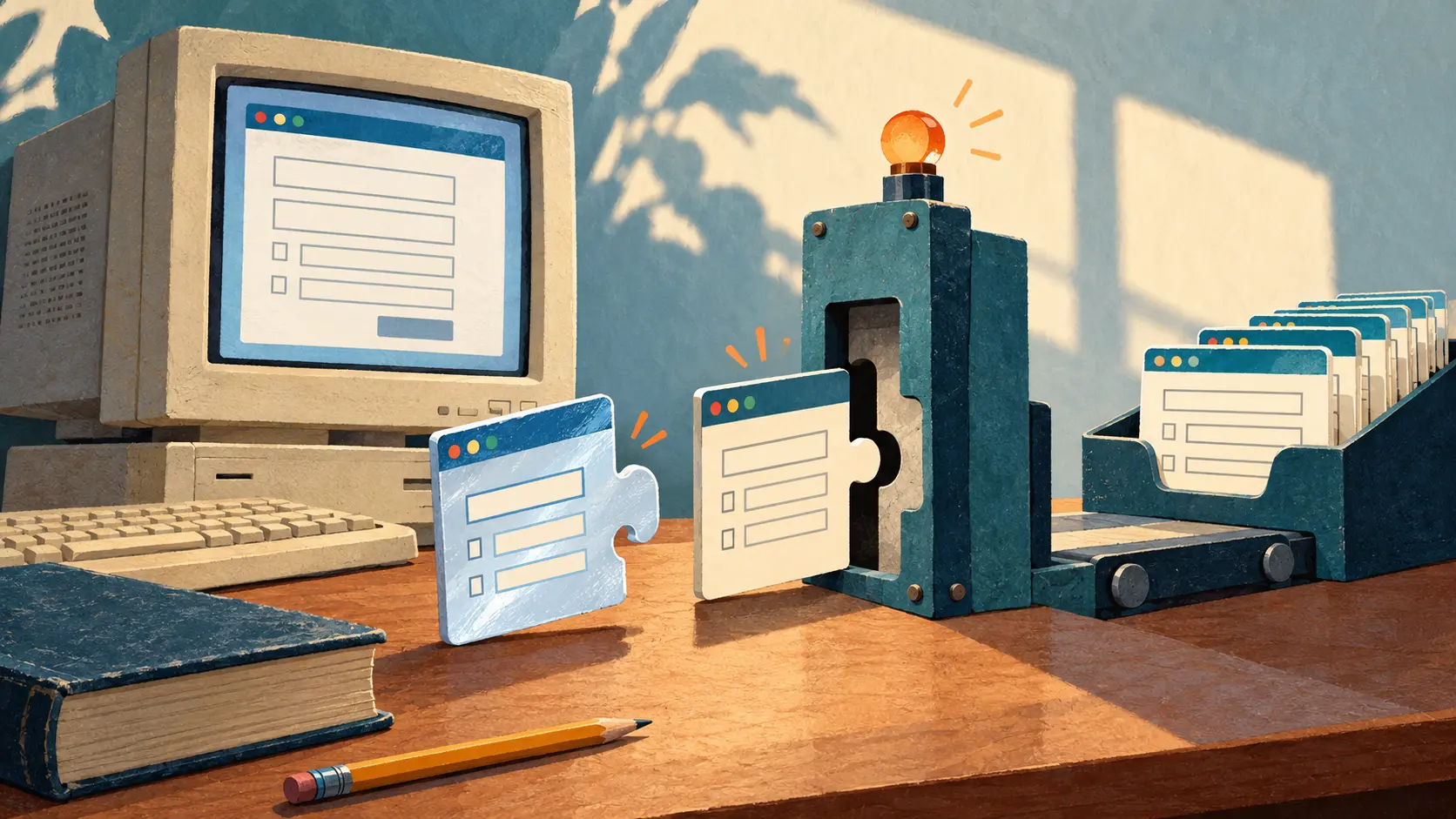
Your New Browser Just Flunked Financial Aid
In January 1998, FAFSA accepted Internet Explorer 4.0 but would not certify 4.01. The little number after the dot had become part of the machinery of applying for college money.

History
The Sky Was Empty. The Disk Was Full.
In 1995, NASA's SkyView could return a blank sky image because its output disk had filled up. The virtual observatory had acquired a very earthly problem.

History
Congress Was Online. Bring Your Own Computer.
THOMAS opened in January 1995. Five days later, a Law Library memo explained that its reading room could hand out the directions, but lacked Web access.
History
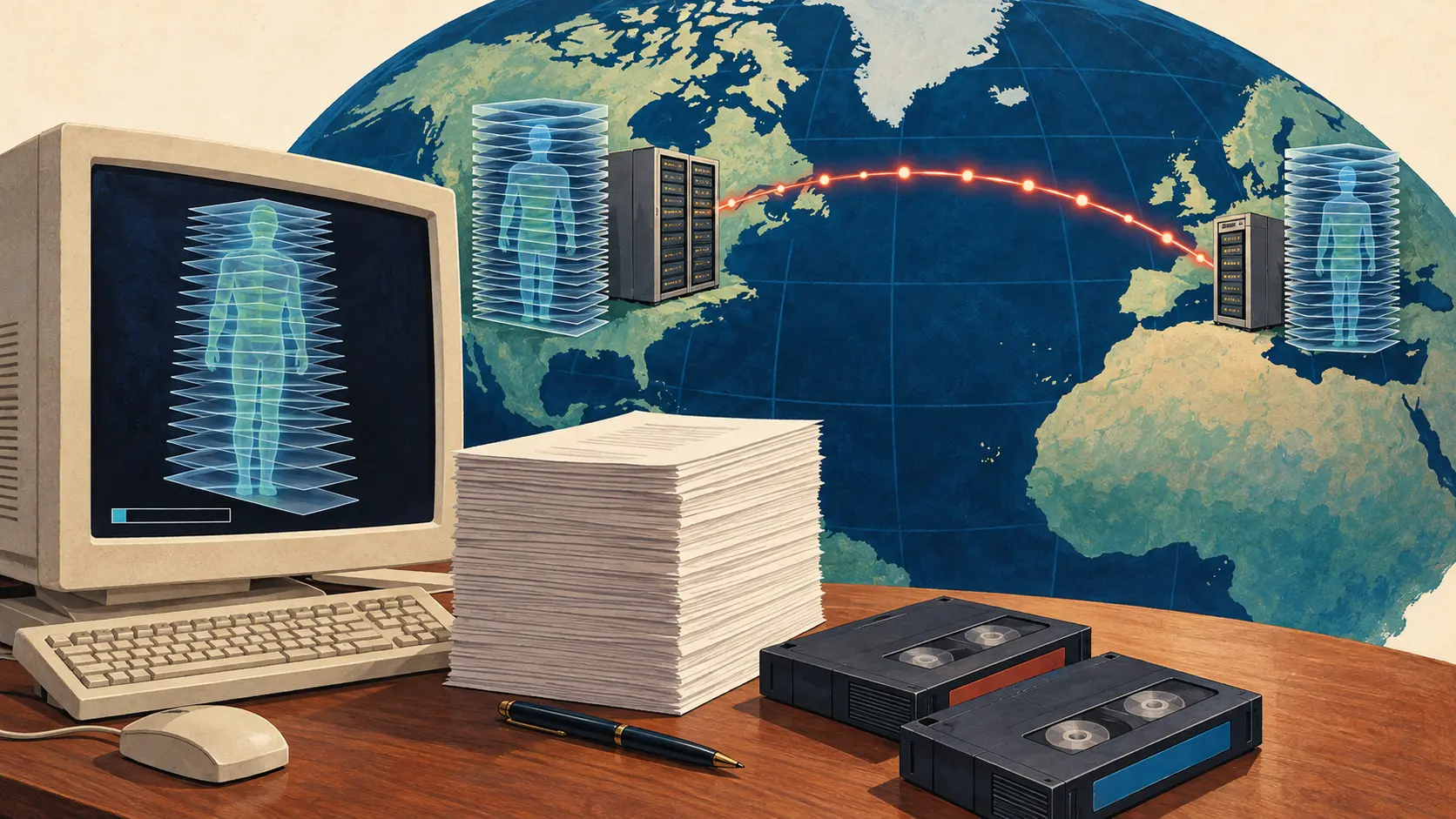
Free Download. Allow Two Weeks.
In 1995, the National Library of Medicine warned that fetching its 15GB anatomy dataset could require two weeks online. First, researchers had to send in the paperwork.
History
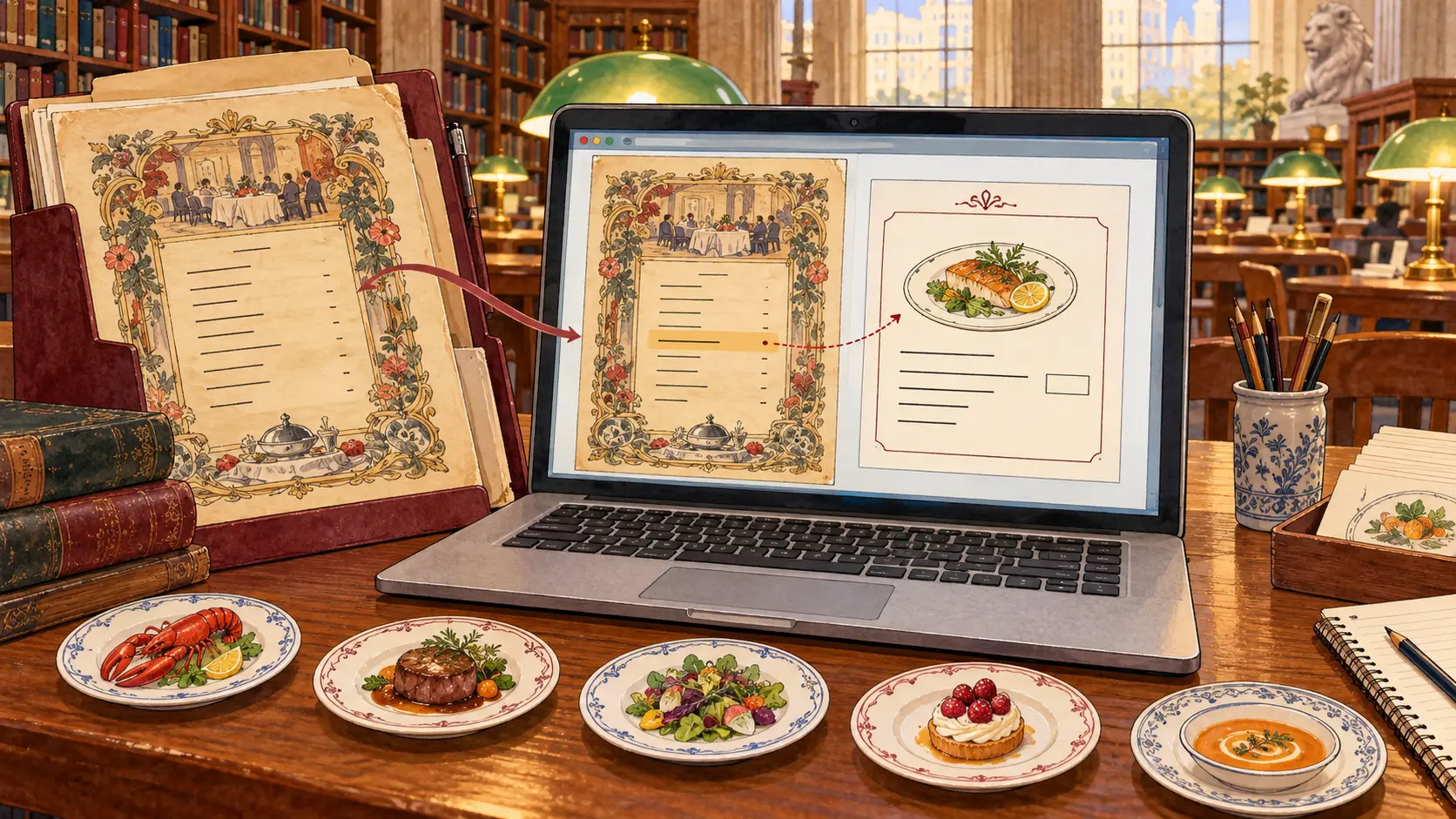
Please Type the Tripe
The New York Public Library gave internet volunteers a modest assignment: copy a few dishes from an old menu. Hundreds of thousands of entries later, dinner had acquired a search function.

History
The Museum Put Its Art Online. He Collected the Corners.
Rijksstudio offered a vast collection of high-resolution images and the tools to do something with them. One visitor's eye for the bottom left showed how far that invitation could travel.

History
A Quarter-Million Books. Please Bring a Norwegian IP.
Bokhylla put Norway’s printed heritage within reach of a browser. The reading was free; the agreement behind the screen had a geography, a bill and a way for books to leave.

History
Your Five Minutes of Panda Are Up
In 2010, Smithsonian's National Zoo rationed visits to its Panda Cam while trained observers kept watching. The later upgrade improved both the public picture and the work behind it.

History
The Camper Paid. The Revenue Waited.
ReserveUSA brought federal campsite bookings to the web in 1999. Following the money beyond the booking screen reveals another journey, through the Forest Service’s accounts.
Europe and Middle East National Telecom Trends
Portugal counted 14.6 million affected telecom accesses. One blackout did most of the counting.
ANACOM’s 2025 ledger shows why incident totals need more than one denominator: the case count barely moved, impact hours fell, and one national blackout pushed affected subscriptions and accesses into a different league.

History
NASA Got Useful Work from People Who Never Came Back
In the early Clickworkers experiment, one-time visitors supplied 37% of the work. A browser, a few crater-rim clicks and some careful checking let NASA keep the contribution after the contributor had left.

History
A Scientist Answered. Now Make It Understandable.
Argonne’s early Internet question service let the questioner send age information along with the puzzle. Connecting a classroom to an expert was one achievement. Getting an explanation back at the right height was another.

History
The FCC Wanted Your Opinion. And Your Phone Number.
In 1998, the FCC made it easier to submit comments over the Internet, then removed a requirement that made paper look unexpectedly attractive. The future of public participation had brought an extra box to fill in.

History
Four Million Patents Came Online. Bring Their Numbers.
In December 1999, USPTO brought a vast older patent collection onto the web. Finding a page and reading its words were still two different appointments.

Asia-Pacific Institutional Trends
Singapore Builds a National Cyber Picture. Operators Keep the Patching Wrench.
Singapore’s expanded National Cybersecurity Command Centre joins national threat intelligence to exposed-asset discovery and protective DNS. The hard part begins when a common warning reaches a live network.
Europe and Middle East National Telecom Trends
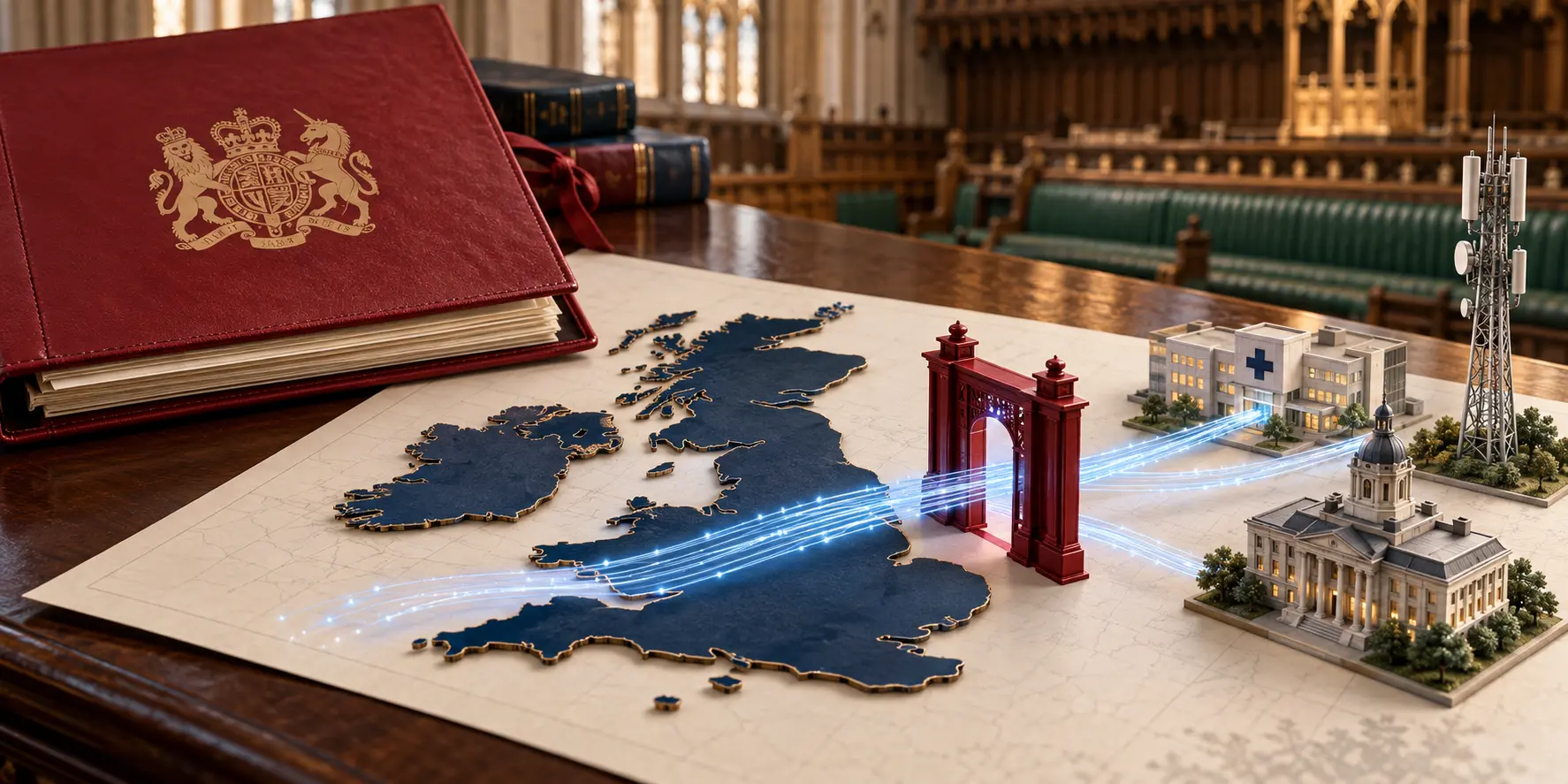
Britain Gave Telecom Continuity a Seat at the Merger Table
A new UK order puts the continuity of phone and broadband supply on the public-interest side of merger review. Its sharpest instrument is an order-making power, available only through a defined statutory doorway.
History
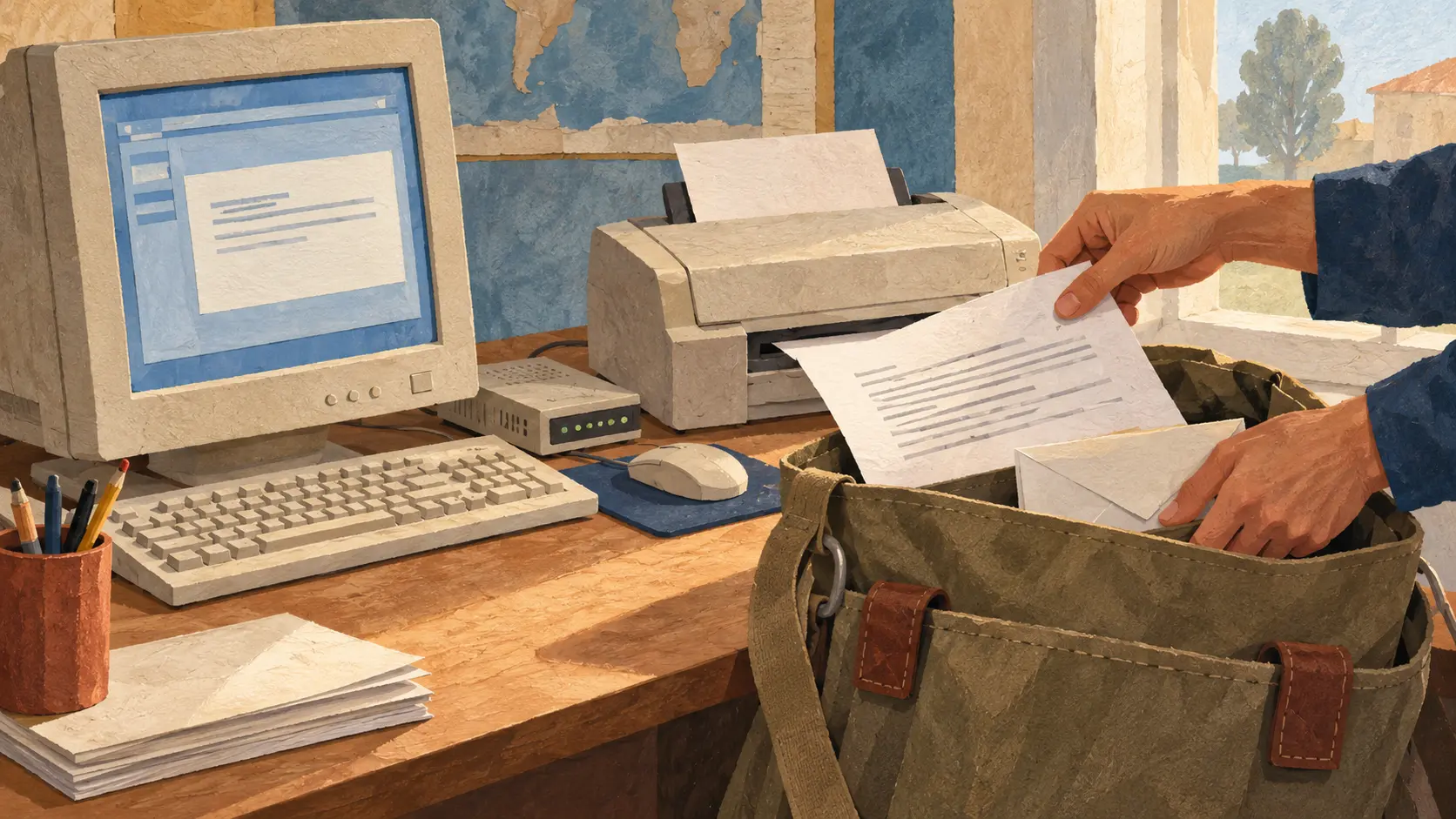
An Email Could Cross a Border. Someone Still Had to Deliver It
ICRC's Family News Network brought the web into the search for relatives in 1999. Its operating instructions reveal an unusually practical version of the digital future: check the message, print it, take it to the recipient.

History
MEDLINE Dropped the Search Bill. Patients Came Looking
Patients and their families were searching MEDLINE after free web access arrived in 1997. NLM responded by expanding its coverage of publications for the public, while librarians helped people learn the new tools.