Summary
- Bokhylla became a permanent service in 2012, offering online reading through Norwegian IP addresses and a separate application route for special uses abroad.
- The collection grew under a paid agreement with Kopinor; by March 2018 the library reported around 250,000 available books and around 4,000 withheld titles.
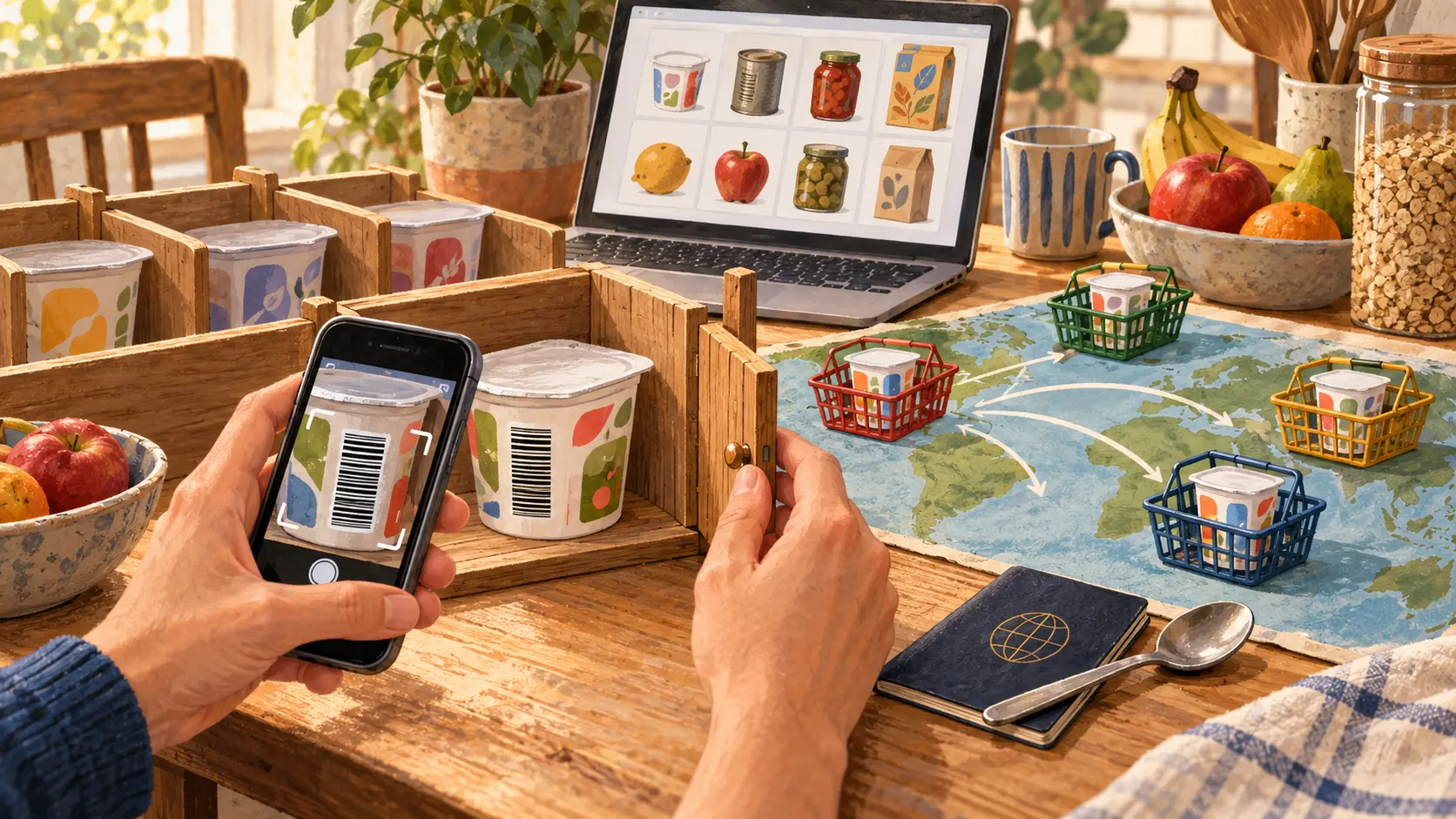
Norway had found a way to put a vast shelf of copyrighted books on the internet for free reading. There was one awkward detail for anyone opening that shelf from abroad: the agreement admitted Norwegian IP addresses. Elsewhere, access for particular purposes meant applying for permission. The book could be digitized, catalogued and sitting on a server, while the reader still had paperwork to do. The library had brought its books online and installed a geographical front desk.
That boundary was part of the bargain that made Bokhylla possible. Nasjonalbiblioteket and Kopinor, representing rights holders, agreed on paid collective access to protected books, with territory among the terms. The government’s 2012–2013 account sets out both the Norwegian-IP rule and the application route abroad. The service had become permanent in autumn 2012, covering books published in Norway through 2000. The government envisaged access to as many as 250,000 digitized books over five years. Scanning would fill the shelf; the agreement decided where a reader could open it.
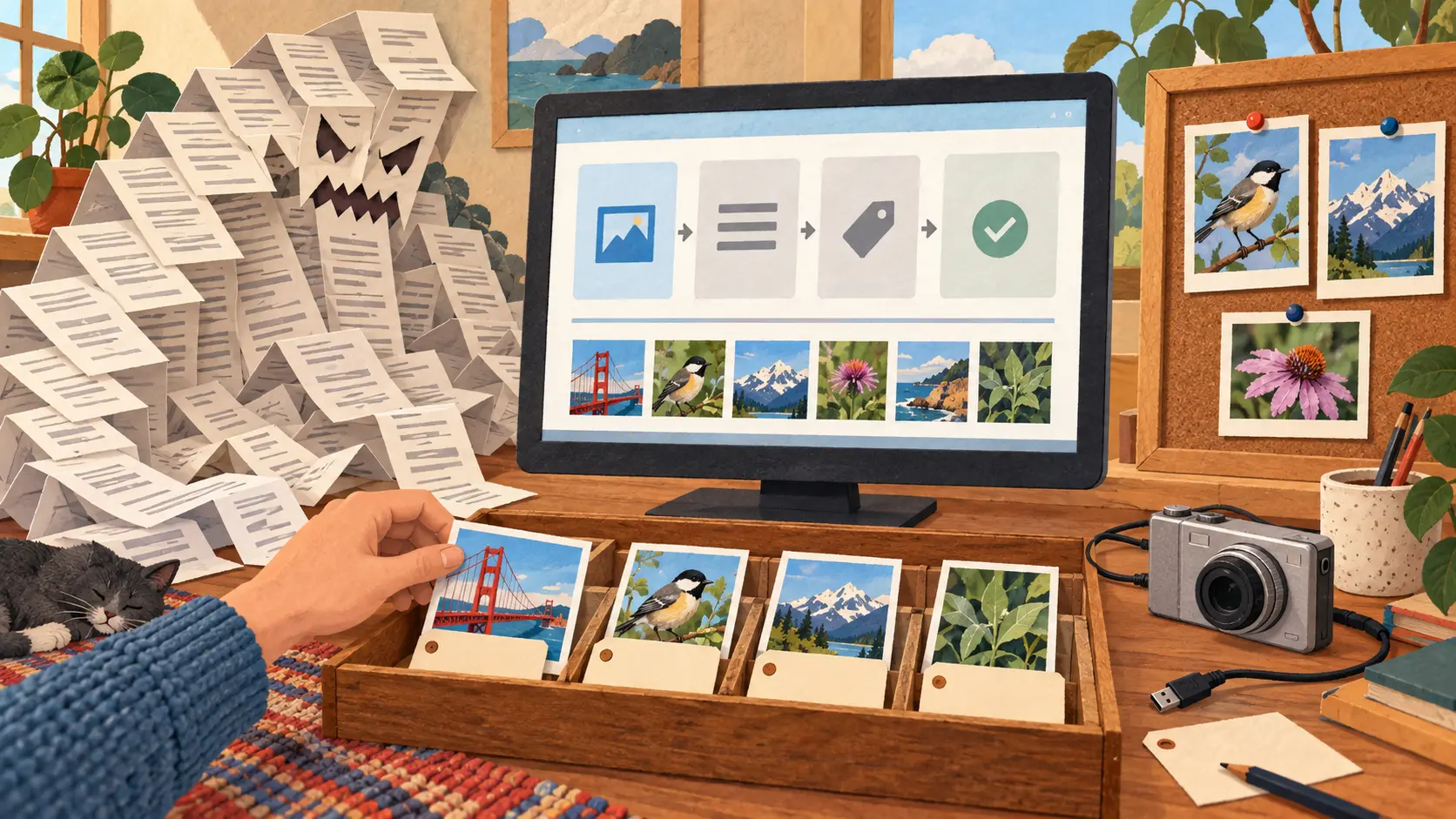
The work had a useful, unglamorous pace. In its 2013 annual report, page 6, Nasjonalbiblioteket recorded 33,000 titles added under the agreement during the year. Its digital bookshelf held 157,000 titles at year end. Many users arrived through links from BIBSYS and other library systems. A catalogue search could lead straight to a book: the old bibliographic machinery had learned a particularly helpful new trick.
Free reading had a paying customer
For the reader, the attraction was wonderfully ordinary. Find a title and read it without making a special journey to a building. The institution had taken on the less ordinary work of scanning, organizing and negotiating access to a large collection. Payment to authors, other creators and publishers travelled through the collective agreement with Kopinor. The reader’s free page had an institutional bill behind it.
In March 2018, the library reported around 250,000 books published in Norway through 2000 available for reading. It traced the service back to the 2009 pilot and the agreement of 28 August 2012. Books whose copyright had expired could also be downloaded and printed. For protected works, the everyday offer was reading online from the admitted territory.
There was also an exit for the people supplying the rights. Authors and publishers could withhold books. Around 4,000 titles were being held back at the time of the 2018 announcement, chiefly specialist books and titles with continuing commercial potential. A book’s place on the digital shelf could depend on someone deciding that another use still paid better.
The result was a very large reading room with unusually small doors: a browser, a network address and, for some readers abroad, an application. The collection’s usefulness grew as books and catalogue links accumulated. Its boundaries remained negotiated. Norway had removed a great deal of the distance between a reader and an old book. At the last step, the reader’s IP still had to introduce itself.
Member Briefing
Deeper Profile Context
Sign in with the right membership level to unlock the full briefing and source notes.
Only for Strategic Circle
Strategic Circle
Open to all readers. Unlock profile briefings after joining and signing in.
Join Strategic CircleOnly for Leadership Alliance
Leadership Alliance
For qualified IP-asset owners and management; sign in to unlock alliance briefings.
Join Leadership Alliance