
Topic
Public-sector Continuity
Within the Topic facet, Public-sector Continuity topic intelligence connects articles that share a specific subject, signal focus, or monitoring theme. The page gives readers a richer path through related reporting, source evidence, market actors, and infrastructure implications, with enough context to understand why the topic matters across company movements, governance decisions, regional exposure, and operational risk. Readers can compare recurring signals, affected organisations, public evidence, market context, service continuity, procurement, competition, compliance, and strategic planning questions behind the subject instead of stopping at a thin list of matching articles. It explains what the topic covers, which infrastructure actors or policies are involved, what evidence supports the coverage, and why the subject may matter for operators, customers, investors, and policy readers.

History
The Museum Put Its Homework on the Internet
Smithsonian's volunteers could pick a diary, decipher a page and move on. The search index had a less romantic request: please finish the checking.

History
This Library Encouraged Judging Books by Their Covers
The International Children's Digital Library took a young reader's perfectly reasonable wish for a red, happy book seriously. Then it discovered that even friendly search buttons could send the books into hiding.

History
Parliament Changed the Law. The Website Had a Queue.
Britain brought its legal texts together online in 2010. Behind the convenient address stood a less convenient job: finding every amendment, putting it in the right place and keeping up with Parliament's enthusiasm for producing more.

History
The Public Register Lost Its Coin Slot
In 2015, Companies House made more than 170 million digital records free to inspect. The useful part was what happened after the first question: people could keep looking, and software could join in.

History
NOAA’s Chart Website Needed a Map
In 2013, NOAA put about a thousand nautical charts online as free PDFs. The first entrance was a list of chart numbers. Even a mapmaker could leave the visitor looking for directions.

History
The Library’s $24.95 Account Came with Homework
In 2008, a Flickr account brought old photographs new names, family memories and an eager audience. Turning that enthusiasm into a better catalogue kept the librarians busy.
History
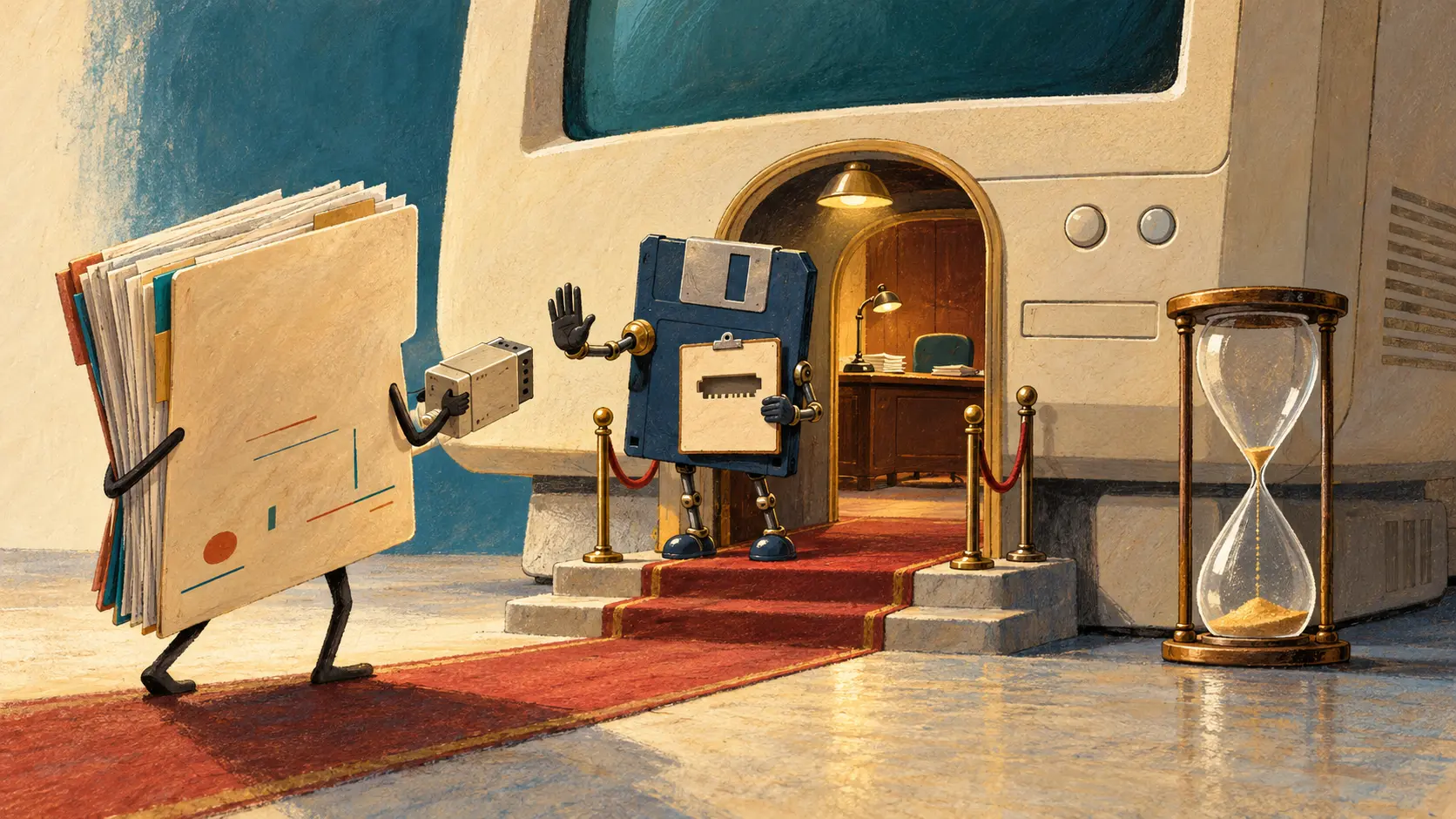
The Grant Application Met a Software Bouncer
Grants.gov promised a common front door to federal funding. Between 2006 and 2009, getting through it could depend on the forms software—and on which clock the agency believed.
History
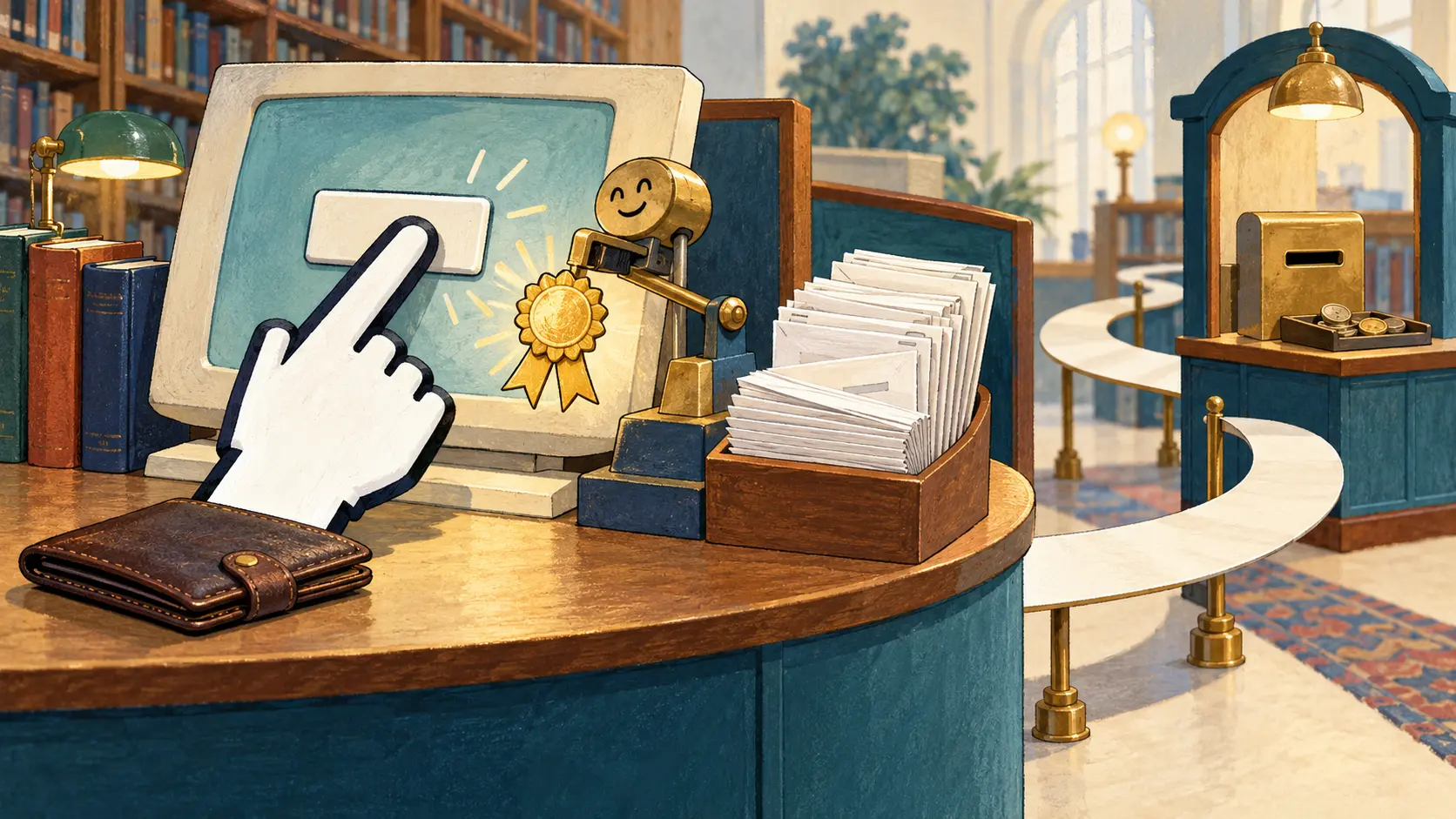
The Library’s Donate Button Was Generous with the Word “Donor”
An early web fundraiser promoted visitors to donors before the money arrived. The promotion came with a perk: fewer appeals.

CASE FILE
Canada Froze Its New Outage Rule Four Days Before Launch. The API Is Still a Questionnaire
Seven big carriers challenged the reporting threshold. The regulator kept interim notices flowing and is now asking how an automated submission channel should work.

History
The Official Time Is Stuck in Traffic
When time.gov brought the clock to the web, even the correct time needed time to arrive. Its engineers put the delivery problem on the page, just below the big digits.
History
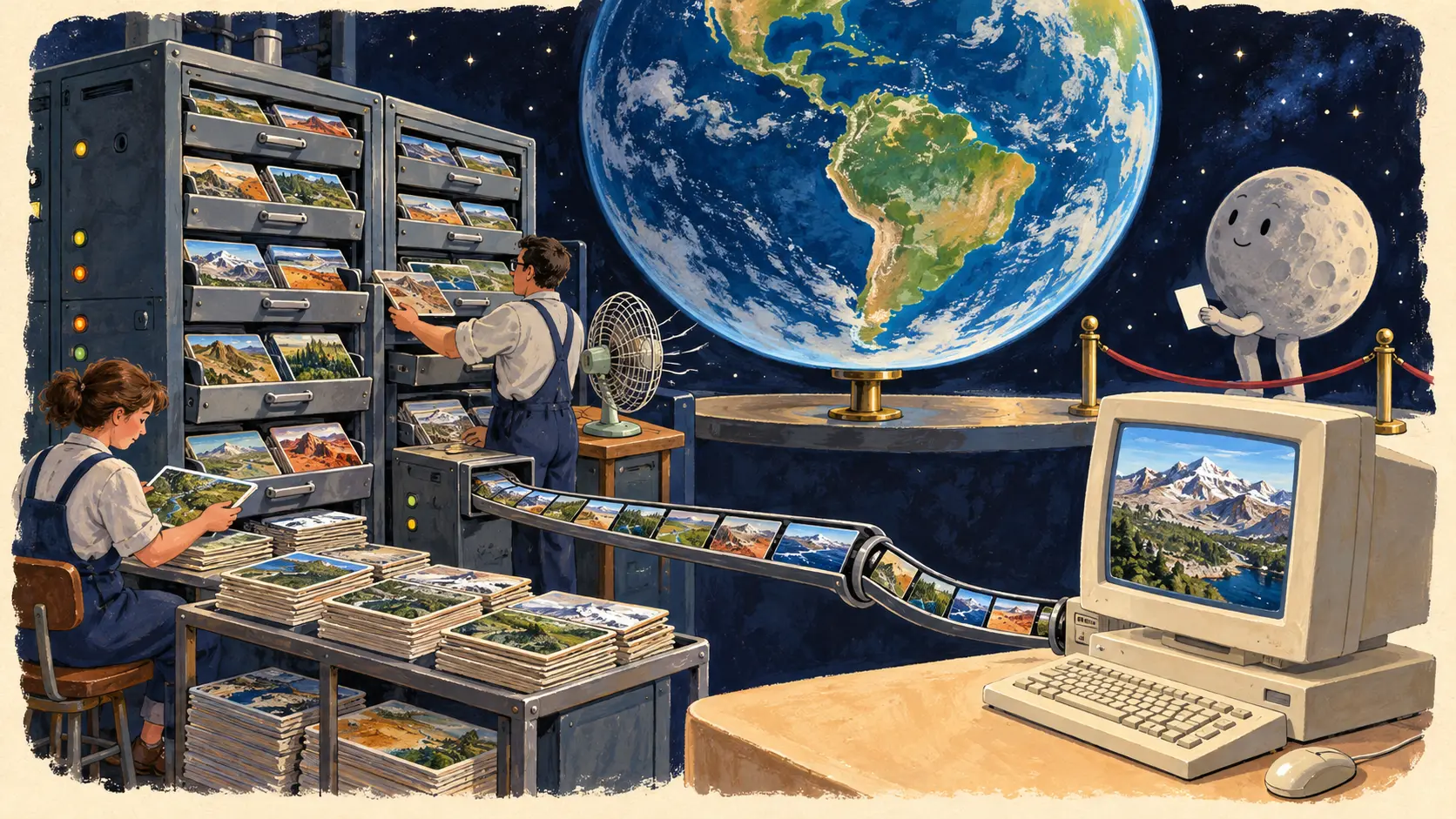
NASA Gave Away the Planet. Its Servers Noticed.
World Wind offered a wonderfully unreasonable bargain: install a free program and go exploring. Behind the spinning globe, somebody still had to serve the pictures.
Europe and Middle East National Telecom Trends
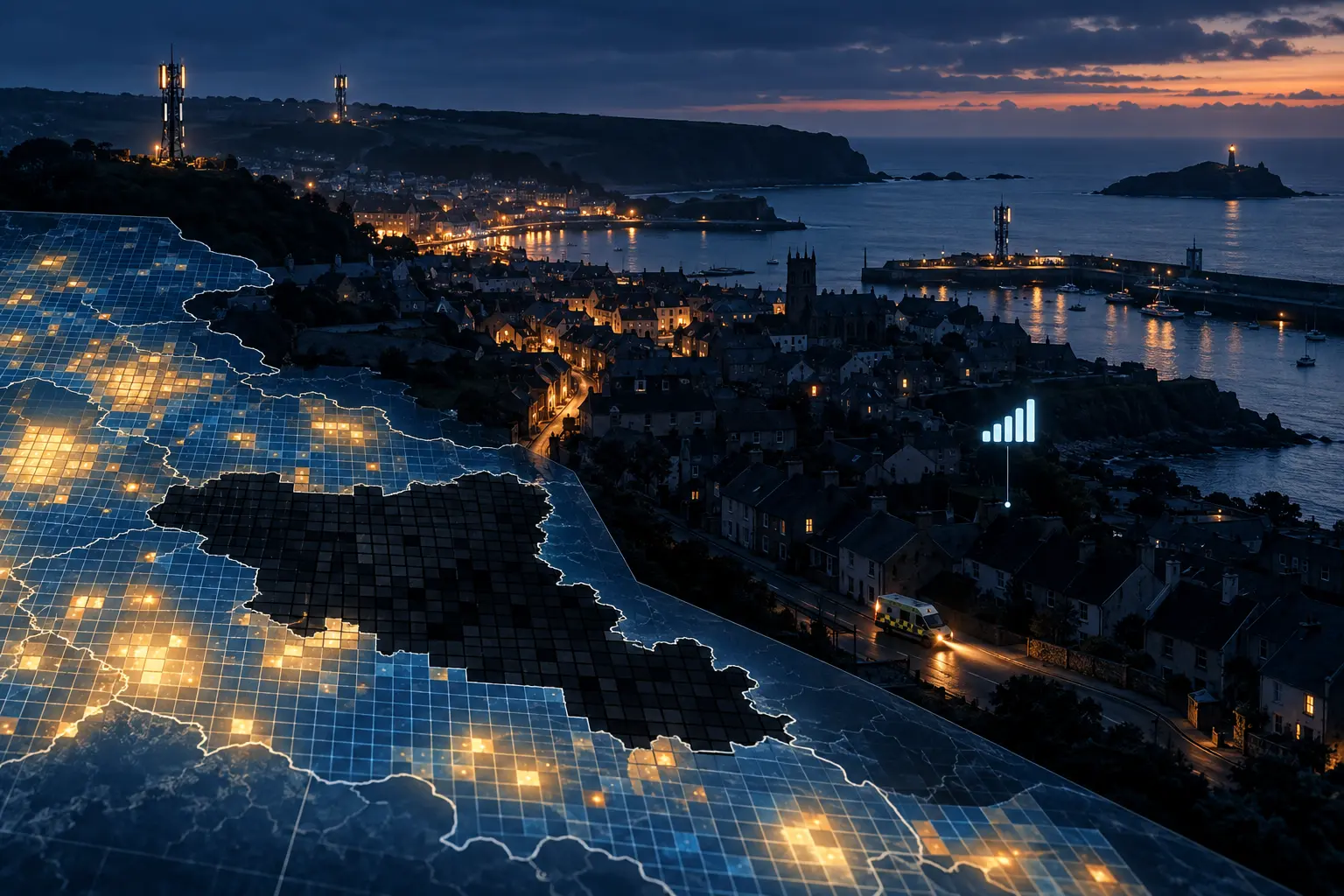
Five bars, dead battery: the Home Office wants Ofcom’s outage map
A newly public Home Office submission asks the UK telecom regulator to show when mobile service disappears at street level. Emergency crews need a different answer from a consumer speed test.
History
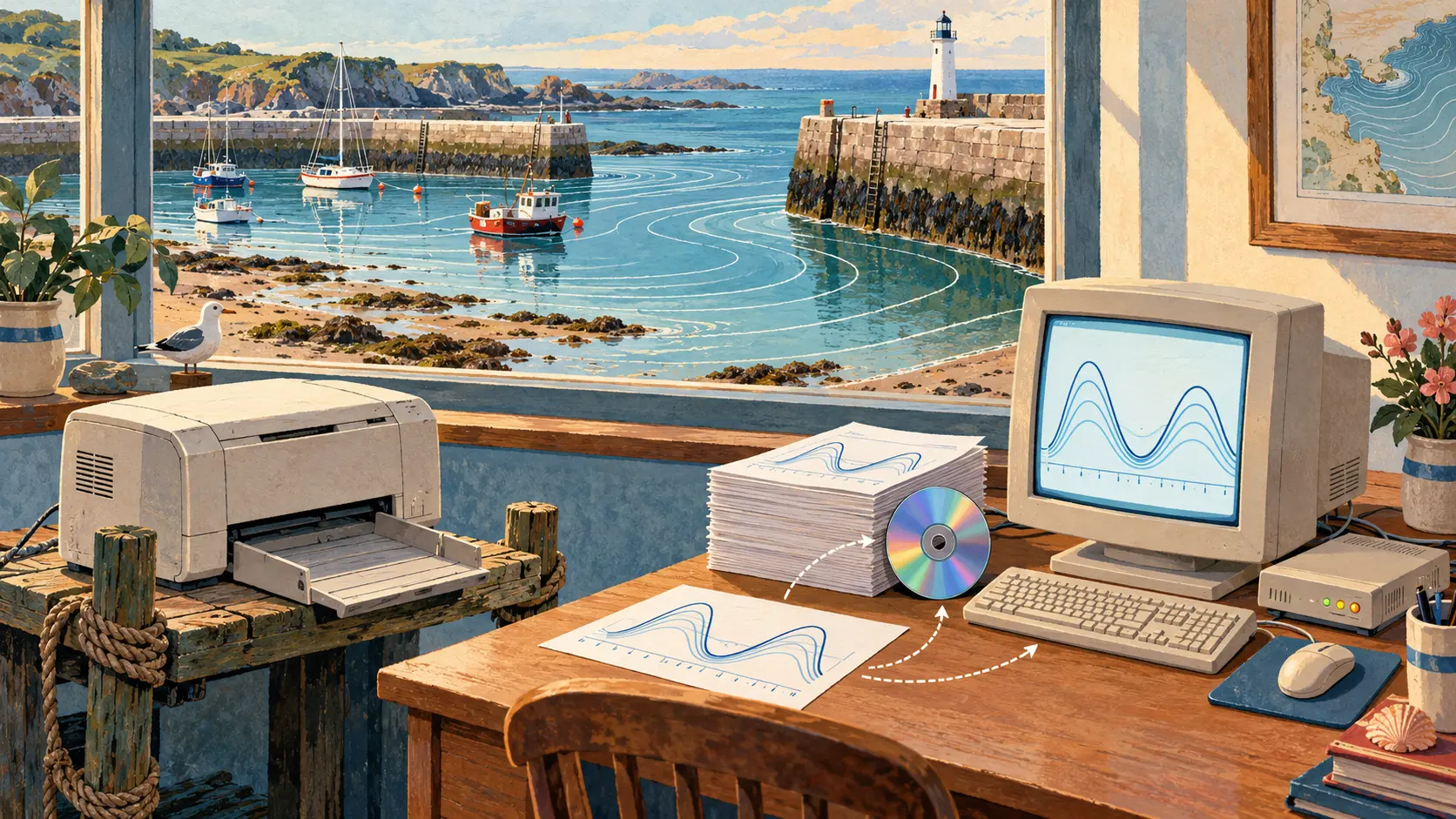
Low Tide in the Printing Budget
In 1995, NOAA invited private printers to take over the job of putting its tide tables on paper. A CD, a modem and a Mosaic homepage would offer three quite different ways to find out what the water would do next.

CASE FILE
Britain’s Broadband Scoreboard Has a Denominator That Won’t Sit Still
The latest Project Gigabit table lists 861,890 premises in initial contract scope and 340,880 built. BDUK’s other official series counts subsidy-backed coverage, on a different calendar and a different base.

History
The Space-Dust Hunt Had a Button for Finding Nothing
Stardust@home brought a microscope's focusing motion into the browser. Its volunteers could report a possible track, an empty view or a picture too poorly focused to search. Science had made room for three honest answers.

History
The Library Put Its Ruler Online Too
Digital Scriptorium gave medieval manuscripts a web audience. The photographs brought along uneven edges, colour references and measuring tools — useful company for readers trying to judge what they saw.

History
This Web Map Wanted Thirty Years of Experience
WaterWatch put live river conditions on a clickable map. Behind each coloured dot stood a long-serving stream gauge and a remarkably unfashionable asset: years of uninterrupted work.
History
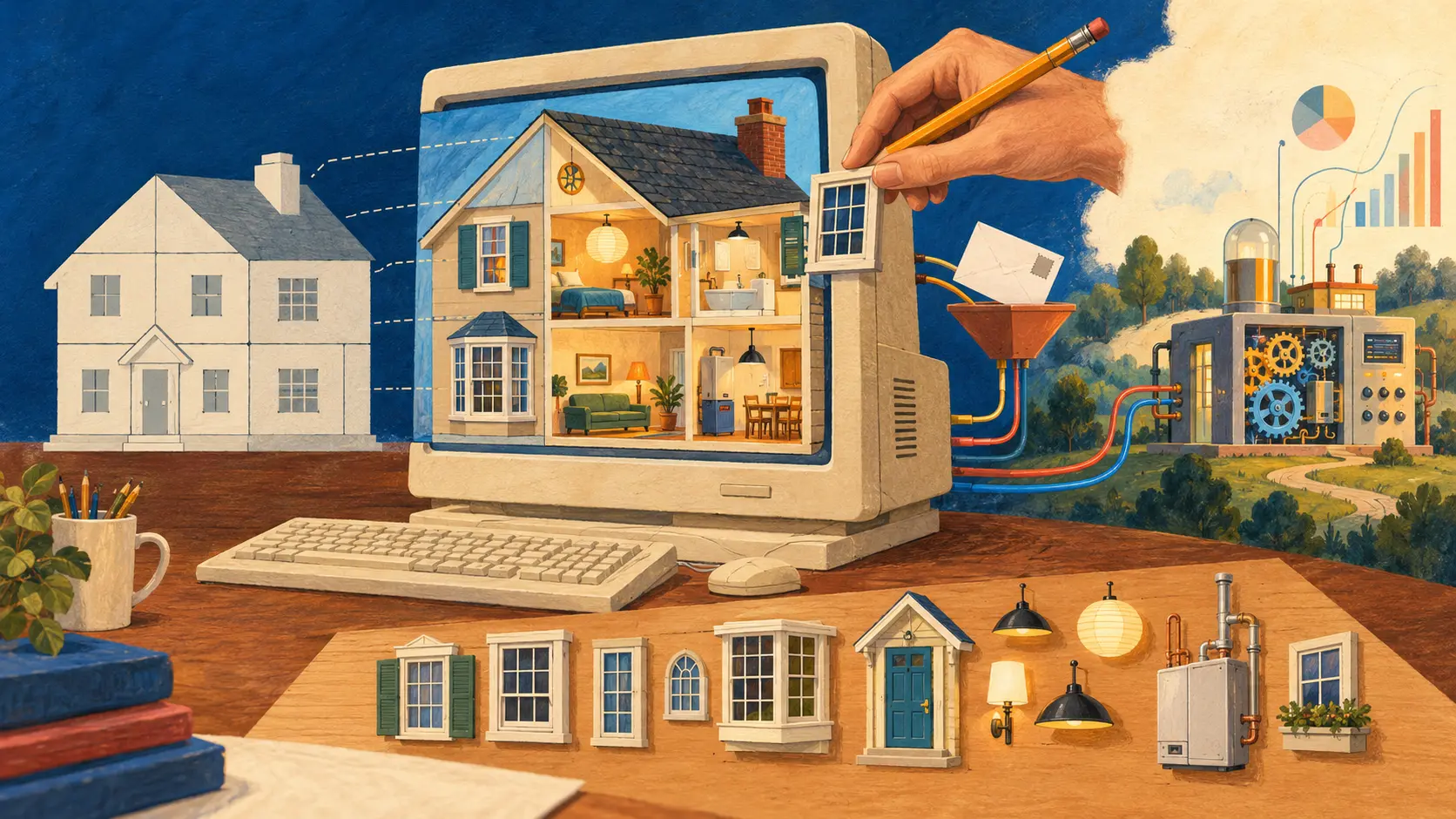
The Website Had Already Picked Your Boiler
Home Energy Saver asked for a ZIP code, supplied a typical house and let the occupant correct it. The browser made expert calculation accessible by getting the assumptions in first.

History
Fast Facts, Served by the Bookshelf
FedStats promised a shorter route through government statistics. Its early usability test found that the signposts needed work before anyone reached the numbers.
History
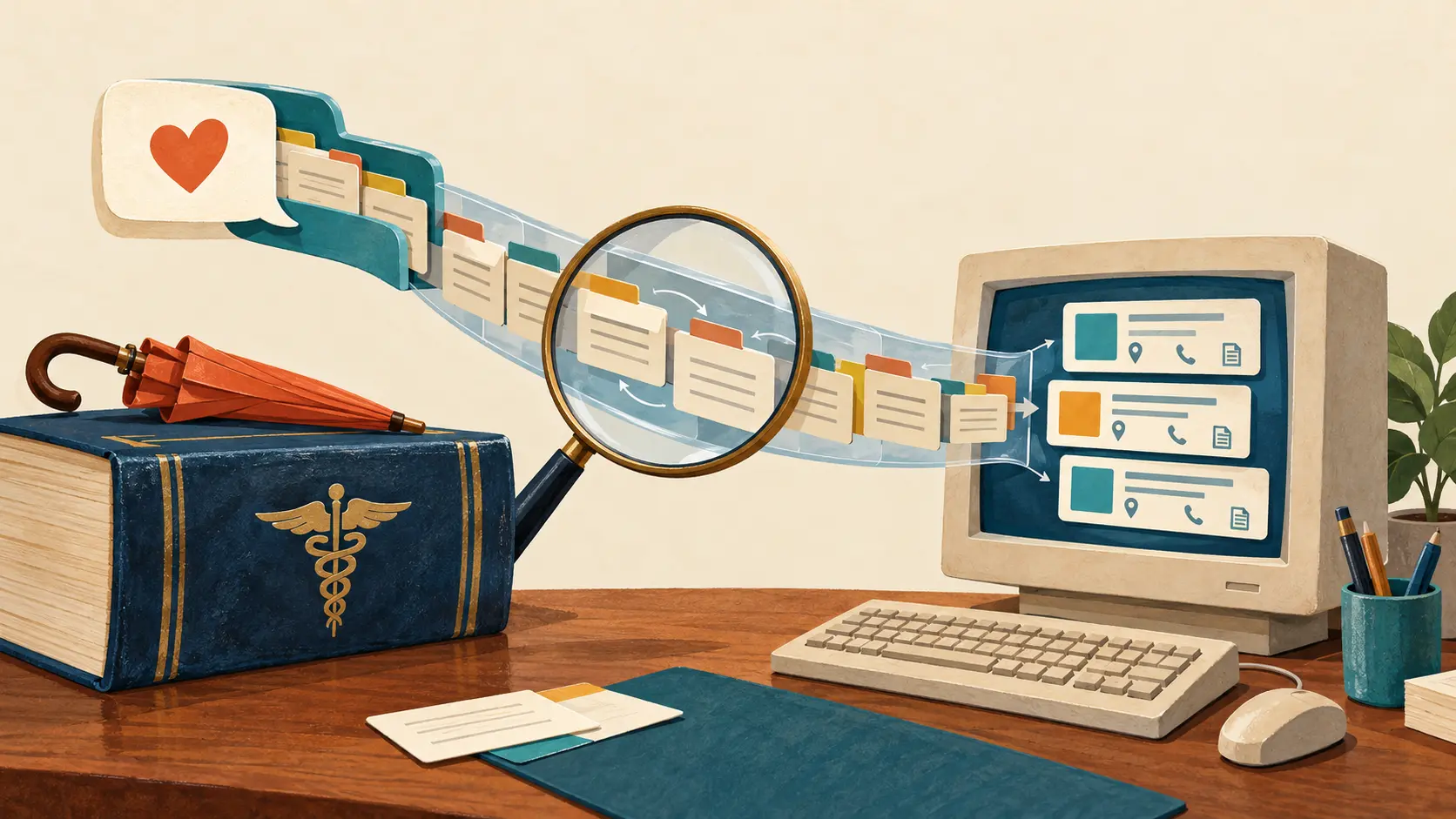
The Search Box That Did the Vocabulary Homework
ClinicalTrials.gov opened in 2000 with a practical concession to the public: people could look for studies without first learning the researchers' preferred words.