Summary
- Home Energy Saver first went online in 1996; a postal code supplied a regional starting point before household details refined the estimate.
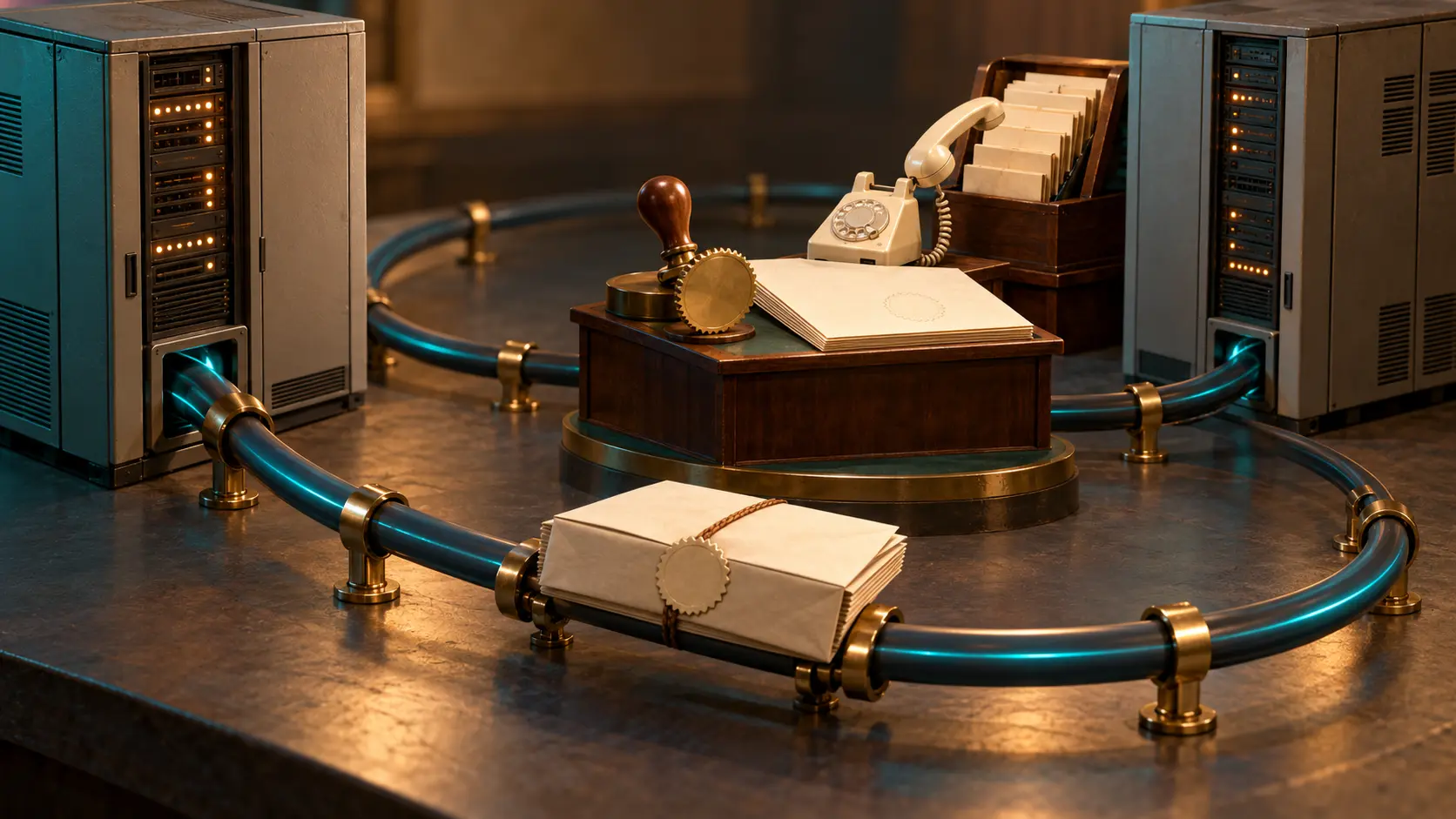
- Its browser interface moved installation and computing work to a laboratory, which also inherited the traffic, maintenance and funding problems.
Before you had described your house, the website already had one waiting. It had opinions about heating, appliances and the sort of household that lived in your region. All very helpful. Also rather forward for a page you had just met.
Home Energy Saver made that presumption useful. Berkeley Lab began developing the service in 1994 and first put it online in 1996, according to its official project history. A computer model once associated with specialists could now take requests through an ordinary browser.
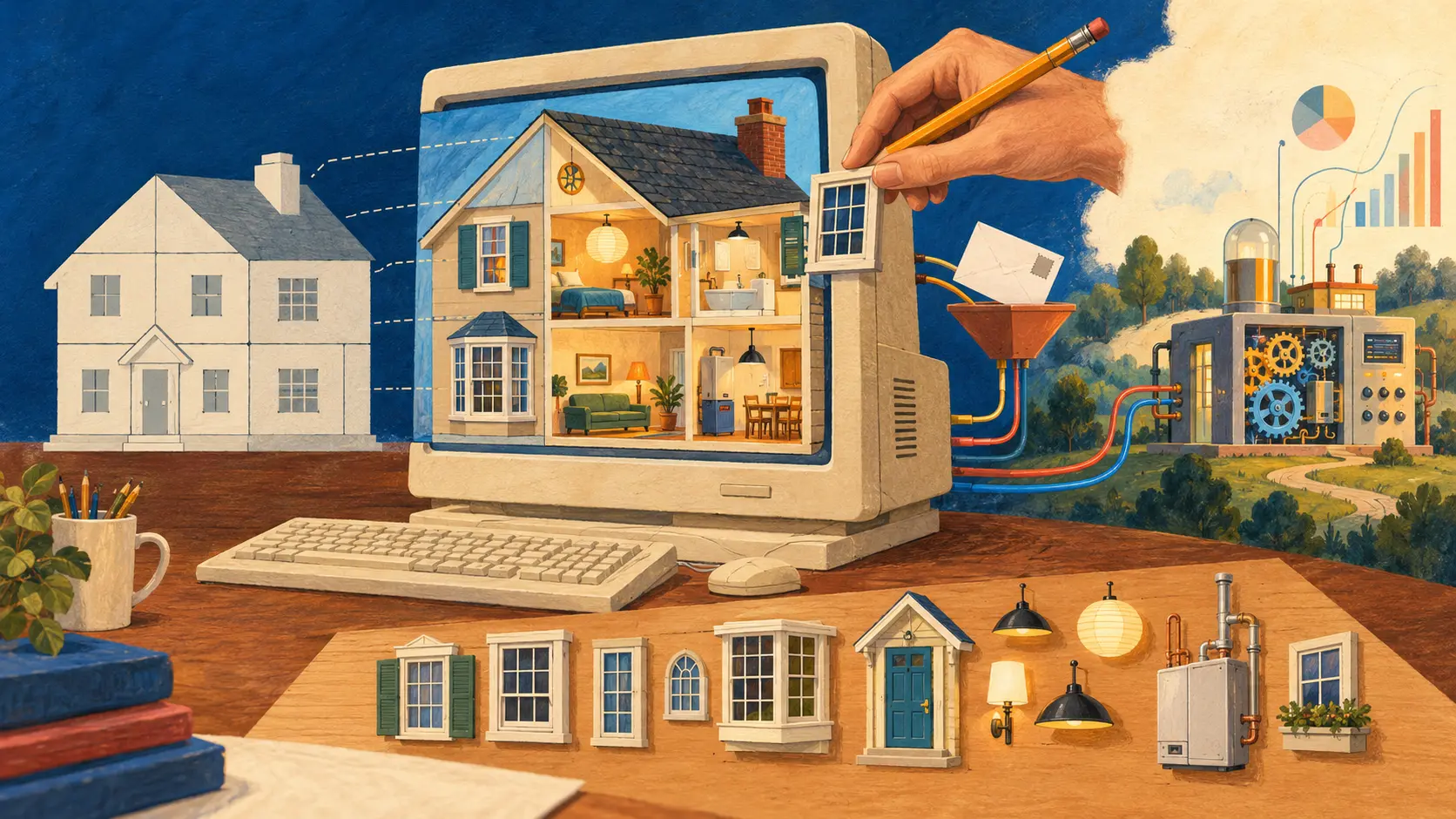
The laboratory's March 1999 account describes the invitation: enter a ZIP code and see energy use, bills and emissions for a typical home in the area. Then supply floor area, the number of occupants, heating and cooling equipment, and fuel prices. The estimate acquired the particulars of your household as you supplied them. A regional average was the opening offer; a calculation using household inputs came later.
The clever part was how little machinery the resident had to own. PC and Mac users could reach the service without installing its modelling software. DOE-2 handled heating and cooling; other models handled other household uses. Calculation and upgrades happened centrally. The browser was the front door to somebody else's substantial computing job.
The form was short because somebody had answered it
The August 2007 technical documentation shows the arrangement in greater detail. Its opening ZIP-code results used regional averages from the 2001 Residential Energy Consumption Survey. Users could proceed through a simple description or provide much more about the building, site and appliances. Both routes used the same calculation models. Additional answers replaced default inputs.
That distinction gives the modest web form its bite. A short questionnaire can run a serious model because it supplies the missing answers itself. In the documented 2007 version, some categorical defaults followed the most common regional choice, including heating fuel. The owner of an unusual house had more correcting to do. The laboratory supplied a plausible first occupant; the actual occupant supplied the objections.
Central computing also had a queue. The 1999 announcement warned that heavy traffic could cause delays or make the site unavailable while the team added capacity. Years later, the official history records the larger interruption: funding for development and maintenance ended, and the website has been offline since 2023.
An easy front door still needs someone to keep the building open. Home Energy Saver's browser put the calculation within reach, while the laboratory retained the keys to its continued existence.
Member Briefing
Deeper Profile Context
Sign in with the right membership level to unlock the full briefing and source notes.
Only for Strategic Circle
Strategic Circle
Open to all readers. Unlock profile briefings after joining and signing in.
Join Strategic CircleOnly for Leadership Alliance
Leadership Alliance
For qualified IP-asset owners and management; sign in to unlock alliance briefings.
Join Leadership Alliance