Summary
- The 2000 alliance assigned Toysrus.com inventory buying and management, while Amazon built the co-branded store, fulfilled orders and handled customers. Toysrus.com later said its bargain made it the only authorized toy, game and baby-products seller on Amazon’s platform through 2010.
- Toysrus.com alleged in 2004 that competing sellers were offering more than 4,000 products in exclusive categories. The trial court terminated the alliance effective 31 March 2006, allowed a wind-down through 30 June, and Amazon announced new Toy and Baby Stores on 5 July.
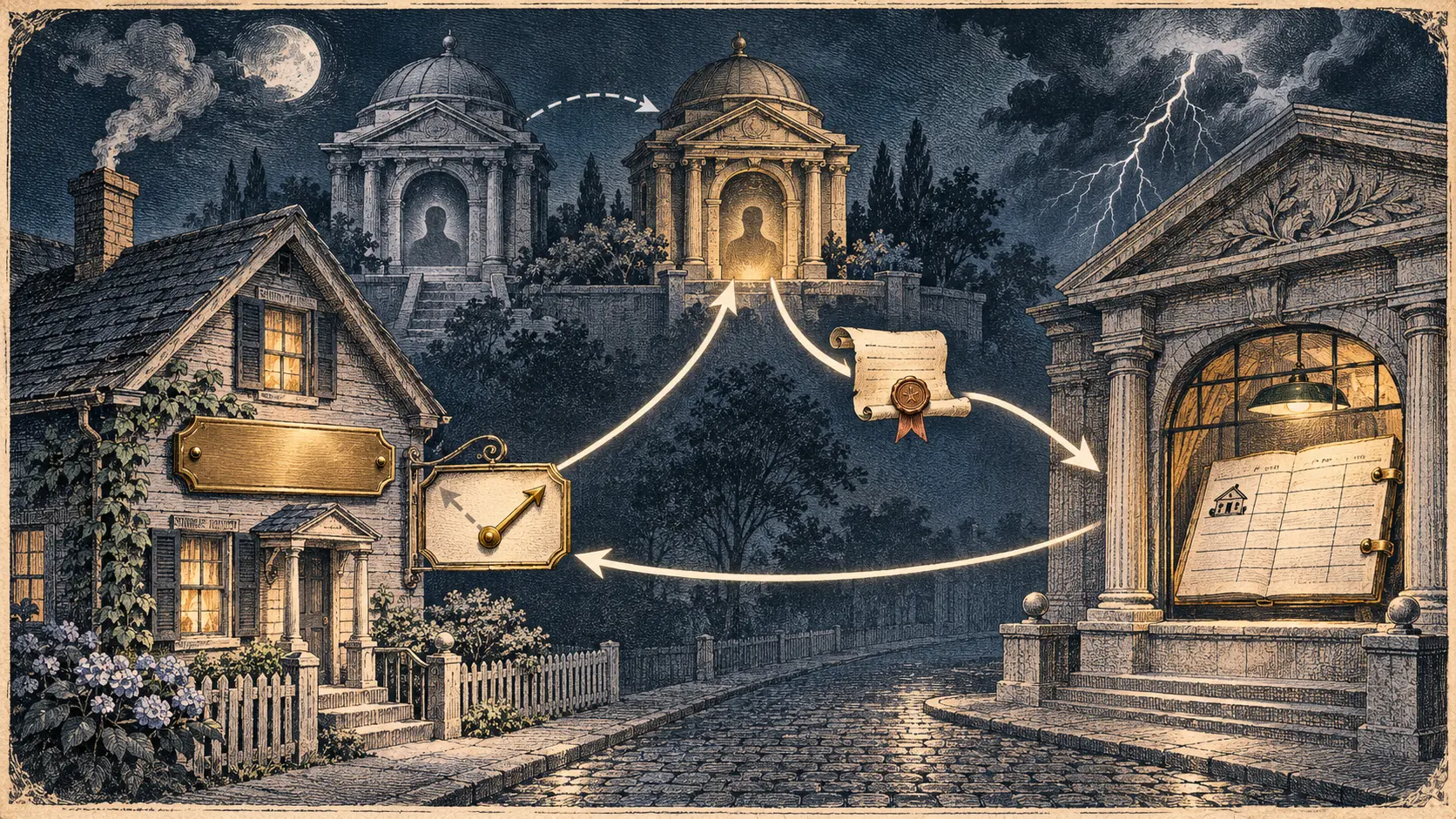
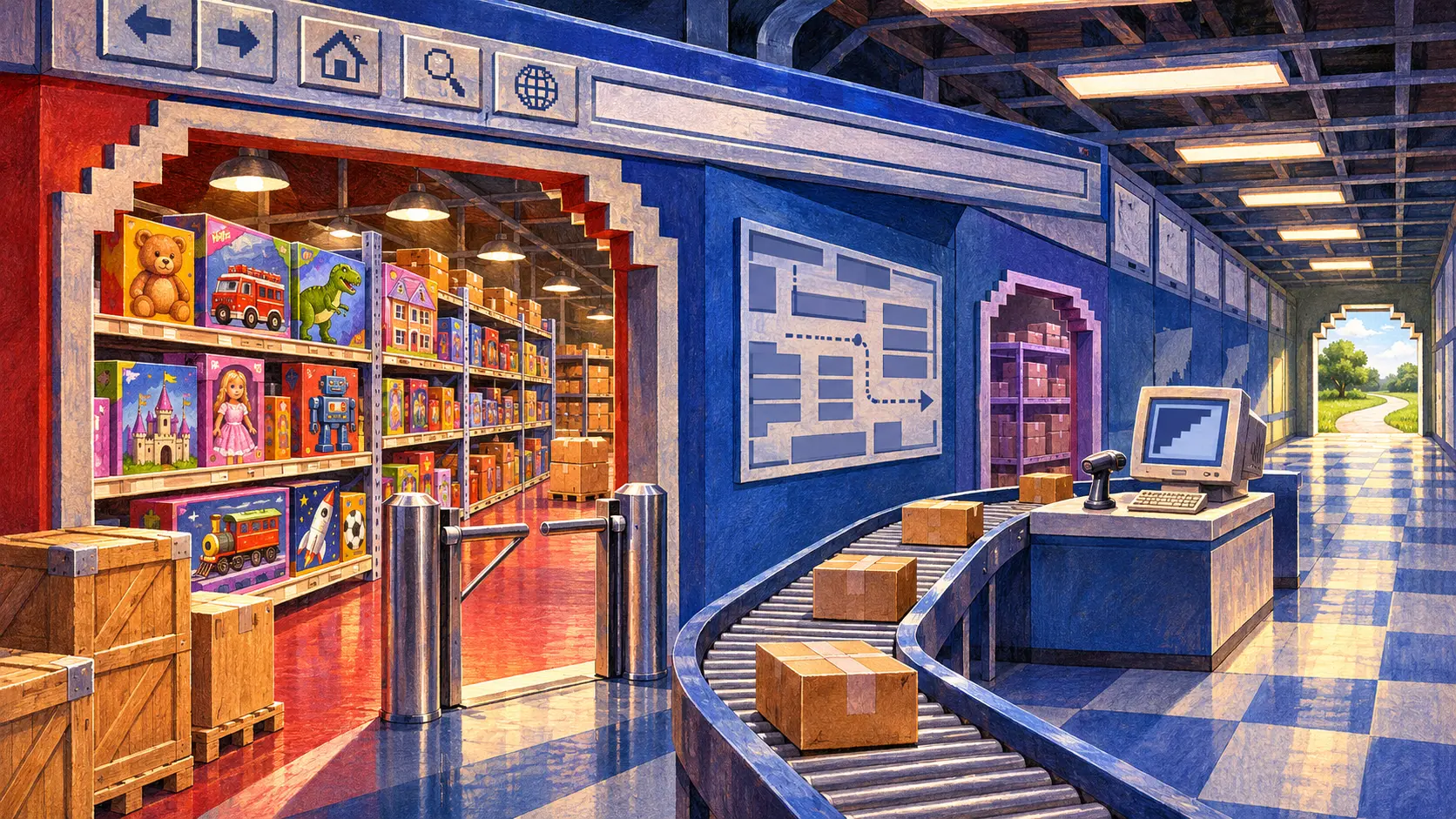
The toy boxes had one owner. The doorway had another. When Amazon and Toysrus.com announced their alliance on 10 August 2000, they described a split that made the coming fight possible. Toysrus.com and Toys“R”Us would identify, buy and manage the merchandise. Amazon would develop the site, fill the orders and answer customers. Inventory would sit in Amazon’s US distribution centers. A co-branded toy and video-game store was planned for that autumn, with a baby-products store to follow in the first half of 2001.
This was more than a retailer placing an advertisement on another site. The companies joined stock selection to a storefront and a fulfillment network. A customer could reach the toys through Amazon’s pages and receive an order through Amazon’s operation, while the specialist retailer carried the inventory job. The practical bargain depended on who could decide what appeared beside that stock.
Toysrus.com later described the contractual side in a press release filed with the SEC. Its account said the agreement made it the only authorized toy, game and baby-products seller on Amazon’s platform through 2010. It also said Toysrus.com had stopped selling through its own site when it joined Amazon. Those were the retailer’s assertions as it went to court, not neutral findings about every line of the agreement.
On 21 May 2004, Toysrus.com filed suit. In the release three days later, it alleged that other retailers were offering more than 4,000 products in the categories it considered exclusive as of 17 May. The number was its count of contested listings, not a court-certified sales figure. It nevertheless named the fault line precisely. An exclusive supply promise can be written on paper; a marketplace category is made in software, search results and seller permissions. If the platform controls which seller can enter that category, the retailer depends on the platform to turn its contractual privilege into the customer’s actual shopping path.
The division of labor made an exit costly even before a court decided the contract. The retailer said it had abandoned its own online selling route to use Amazon’s. Amazon had built the customer-facing site and operated fulfillment and service. The parties did not need to own the same toys to fight over the same aisle. One controlled what to stock; the other controlled where a shopper saw it and how an order moved.
The FY2005 Toys“R”Us Form 10-K records the operational break. It says the trial court entered a final order on 31 March 2006 terminating the alliance that day. Amazon would continue to operate the co-branded stores during a wind-down through 30 June. Amazon appealed and sought a stay; the trial court denied the requested stay on 20 April. Toysrus.com planned an independent website at its own domains. The filing establishes that sequence, not the ultimate outcome of every appellate or damages question.
Five days after the wind-down ended, Amazon announced new Toy and Baby Stores. It described toys and baby products sold by Amazon alongside offerings from specialty retailers, with eligible items in its shipping programs. The public record shows a new Amazon-operated assortment following the old co-branded store. It does not provide a customer-by-customer migration count.
The story’s hinge is therefore neither a novel toy nor a clever checkout button. It is a distribution bargain in which one party supplied the goods and the other ran the place where the customer found them. The court could end the agreement. It could not transfer Amazon’s storefront operation into Toysrus.com’s hands. Once the wind-down ended, both parties still needed a route to shoppers, and only one already owned the platform aisle.
Original records
- Amazon, 10 August 2000 alliance announcement: the announced work split and stores.
- Toys“R”Us, 24 May 2004 release filed as SEC Exhibit 99.1: the retailer’s exclusivity claim, lawsuit and contested listing count.
- Toys“R”Us, FY2005 Form 10-K: termination order, wind-down and planned independent site.
- Amazon, 5 July 2006 Toy and Baby Stores announcement: the successor stores.
Member Briefing
Deeper Profile Context
Sign in with the right membership level to unlock the full briefing and source notes.
Only for Strategic Circle
Strategic Circle
Open to all readers. Unlock profile briefings after joining and signing in.
Join Strategic CircleOnly for Leadership Alliance
Leadership Alliance
For qualified IP-asset owners and management; sign in to unlock alliance briefings.
Join Leadership Alliance