Summary
- OpenTable's May 2009 S-1 amendment described a free booking website for diners and an Electronic Reservation Book at the restaurant host stand. Restaurants paid an installation fee, a monthly subscription and a fee for each guest seated through an online reservation.
- A March 2009 company response to SEC staff said reservation revenue was earned when the diner was seated, rather than when the reservation was made. Its example of one San Francisco restaurant showed a $199 monthly subscription, $1 per seated diner booked through OpenTable's website and $0.25 per seated diner booked through the restaurant's own website.
- For 2008, the S-1 amendment reported $55.8 million in net revenue. Subscriptions accounted for 54% and reservation revenue for 41%. The free click sat on top of a paid operating system and a paid stream of seated guests.
The table appeared on the web because the ledger was at the door
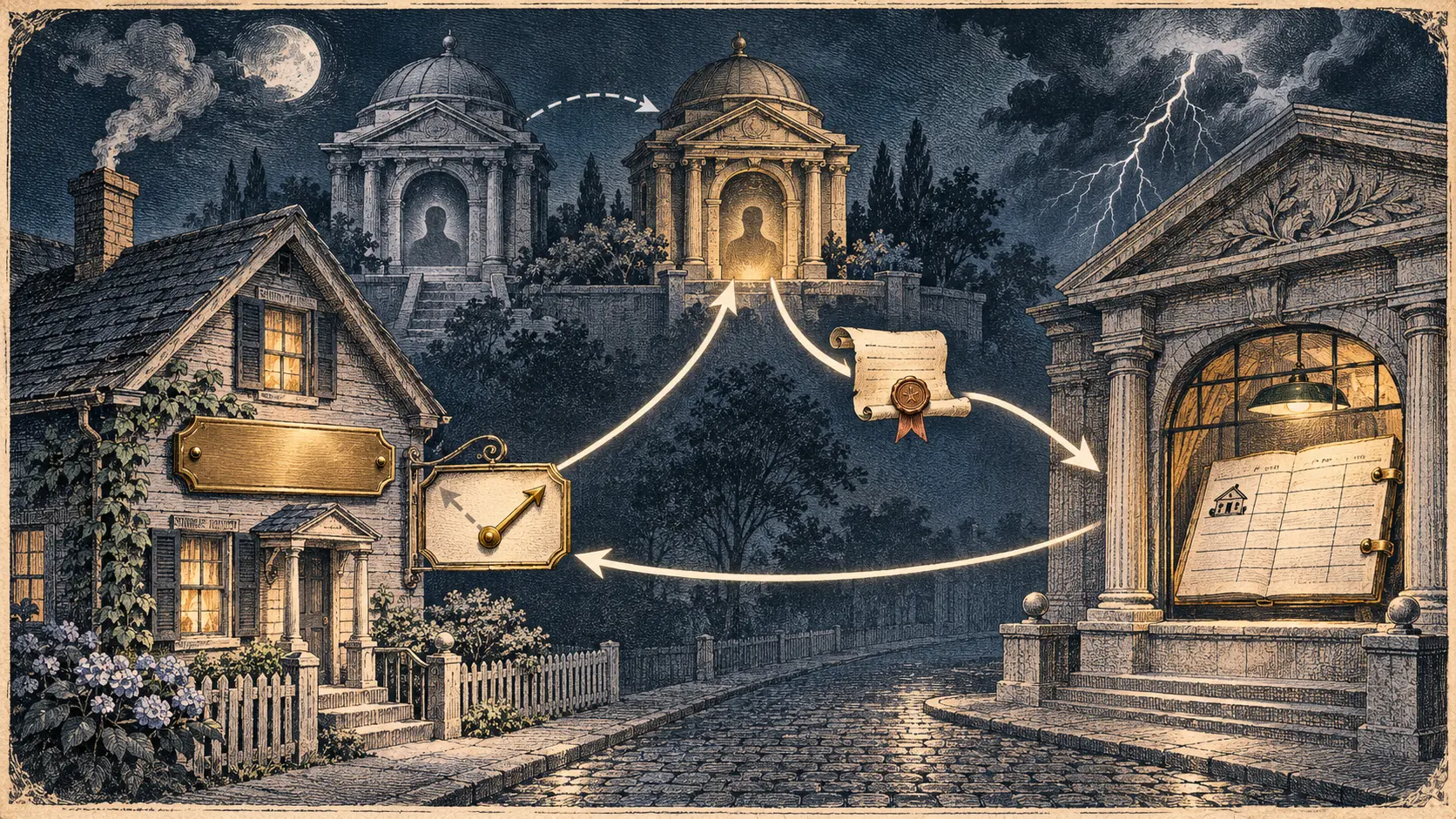
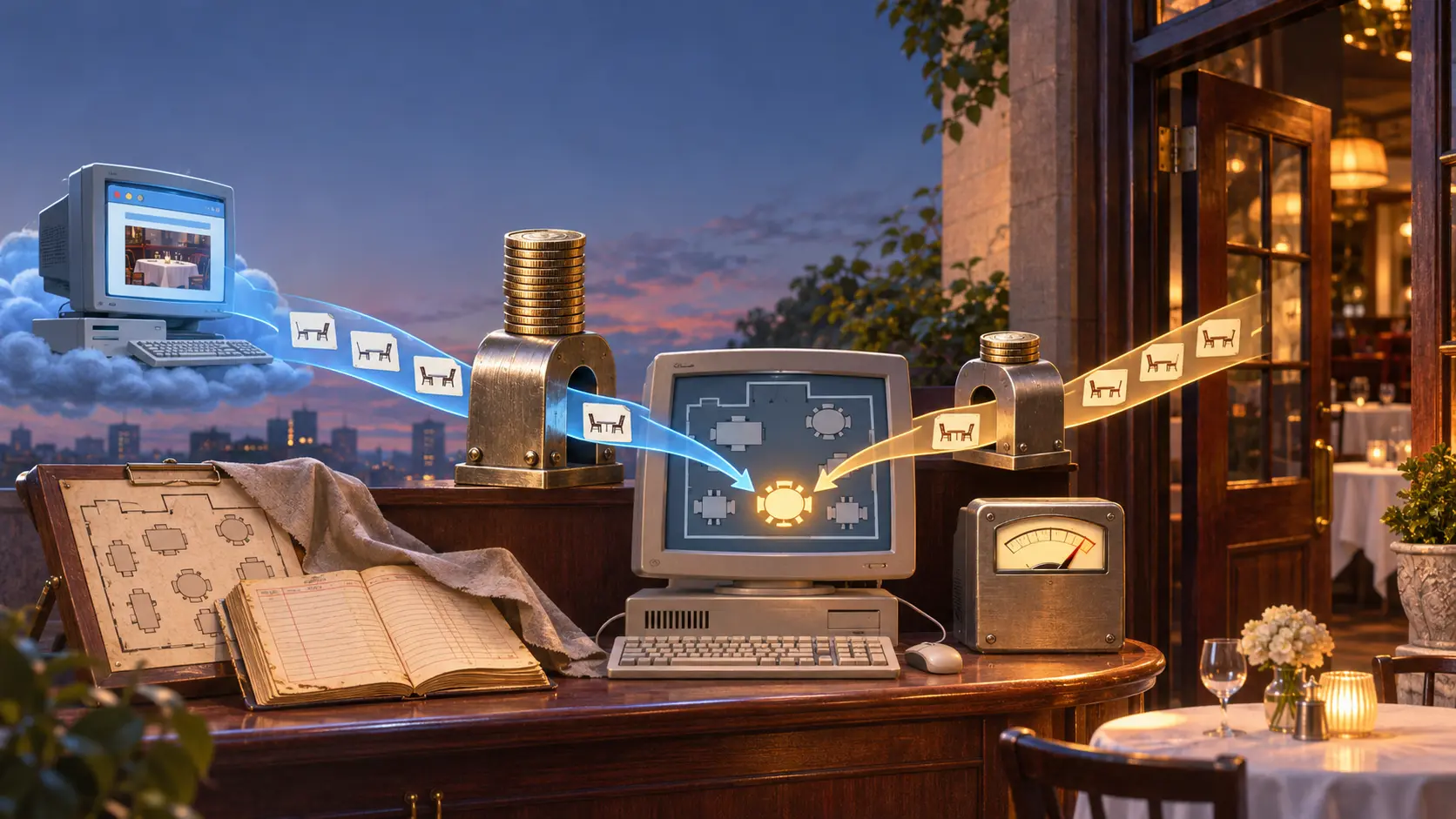
For a diner, the transaction was a search and a click: pick a restaurant, choose a time, receive a booking. At the restaurant, the booking arrived in an Electronic Reservation Book, or ERB, at the host stand. That placement mattered. A restaurant cannot sell the same table twice simply because one request came by phone and another by browser. OpenTable's hardware and software replaced the paper ledger and put online bookings, phone reservations and walk-ins in one operational view.
The company's 2009 S-1 amendment presented the public website and the restaurant-side ERB as one connected system. The ERB automatically accepted online reservations in real time from OpenTable's site and from the restaurant's own site. The company installed the system at each restaurant, checked Internet connectivity, configured it for that location and trained staff. It also described nightly backups and around-the-clock support. The visible web page was the front of a more laborious change to the restaurant's working book.
That book carried more than a time slot. It recorded tables, tracked guests and connected reservations to the staff who would seat them. The physical host stand was where a digital promise became a chair in a dining room. A reservation website could invite diners to click all day; a live table inventory required the restaurant to maintain a common record for every arrival channel. OpenTable occupied that record, and it charged for the privilege.
The free button had three bills behind it
OpenTable said its reservation service was free to diners. Restaurants paid a one-time installation fee, a monthly subscription for the software and hardware, and a fee for each guest seated through an online reservation. The three charges corresponded to three distinct jobs: putting the system in place, keeping the host-stand ledger running, and delivering a seated customer. The bill was attached to restaurant operations, not to the visitor's browser.
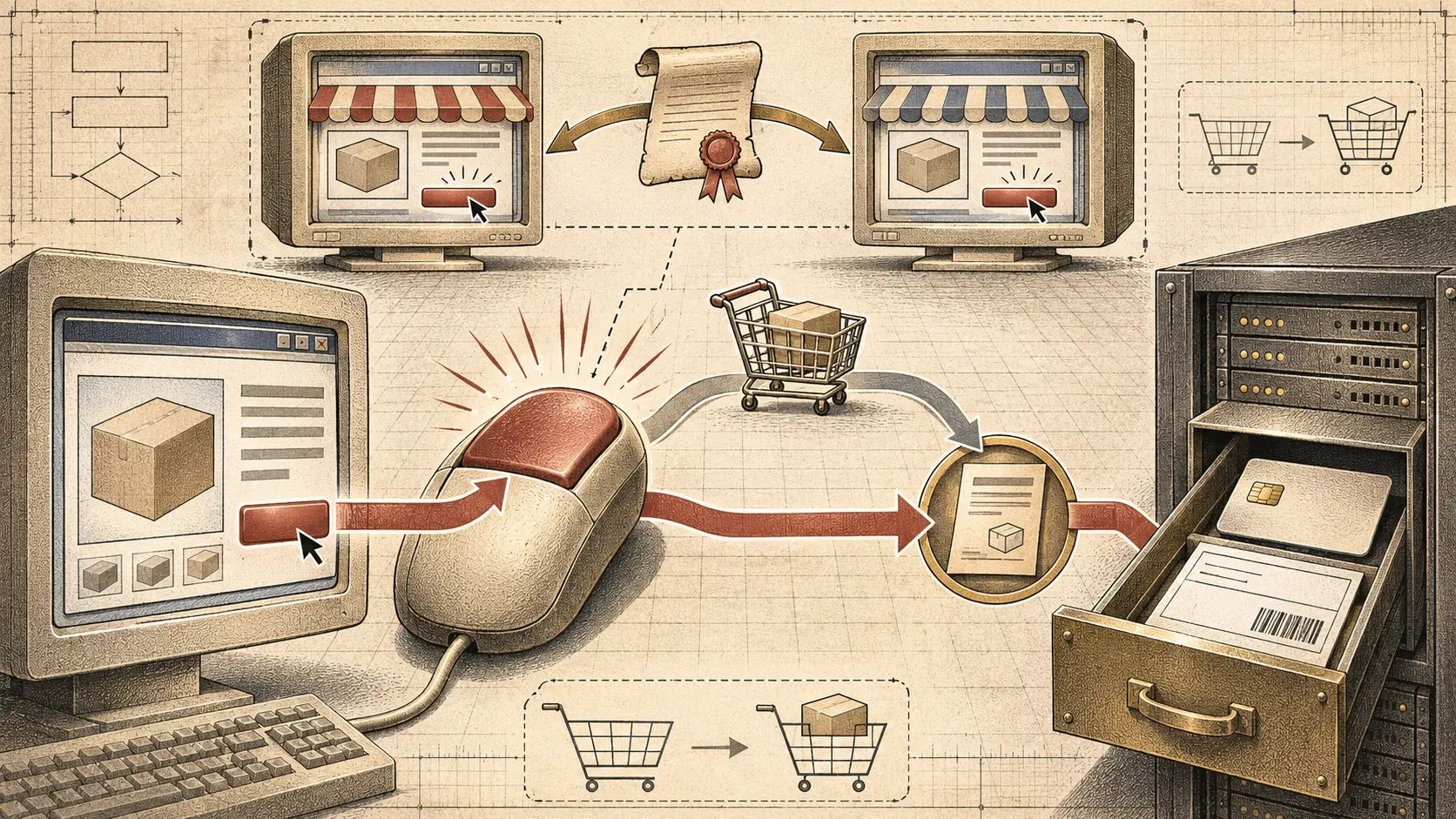
The distinction between a reservation and a seated guest is easy to lose. A diner could click and later cancel or fail to appear. In a 13 March 2009 response to SEC staff, OpenTable said it accumulated per-seated-diner charges and billed restaurant customers monthly. The company recognized that reservation revenue when a diner was seated. The commercial meter ticked at the host stand, not at the booking button.
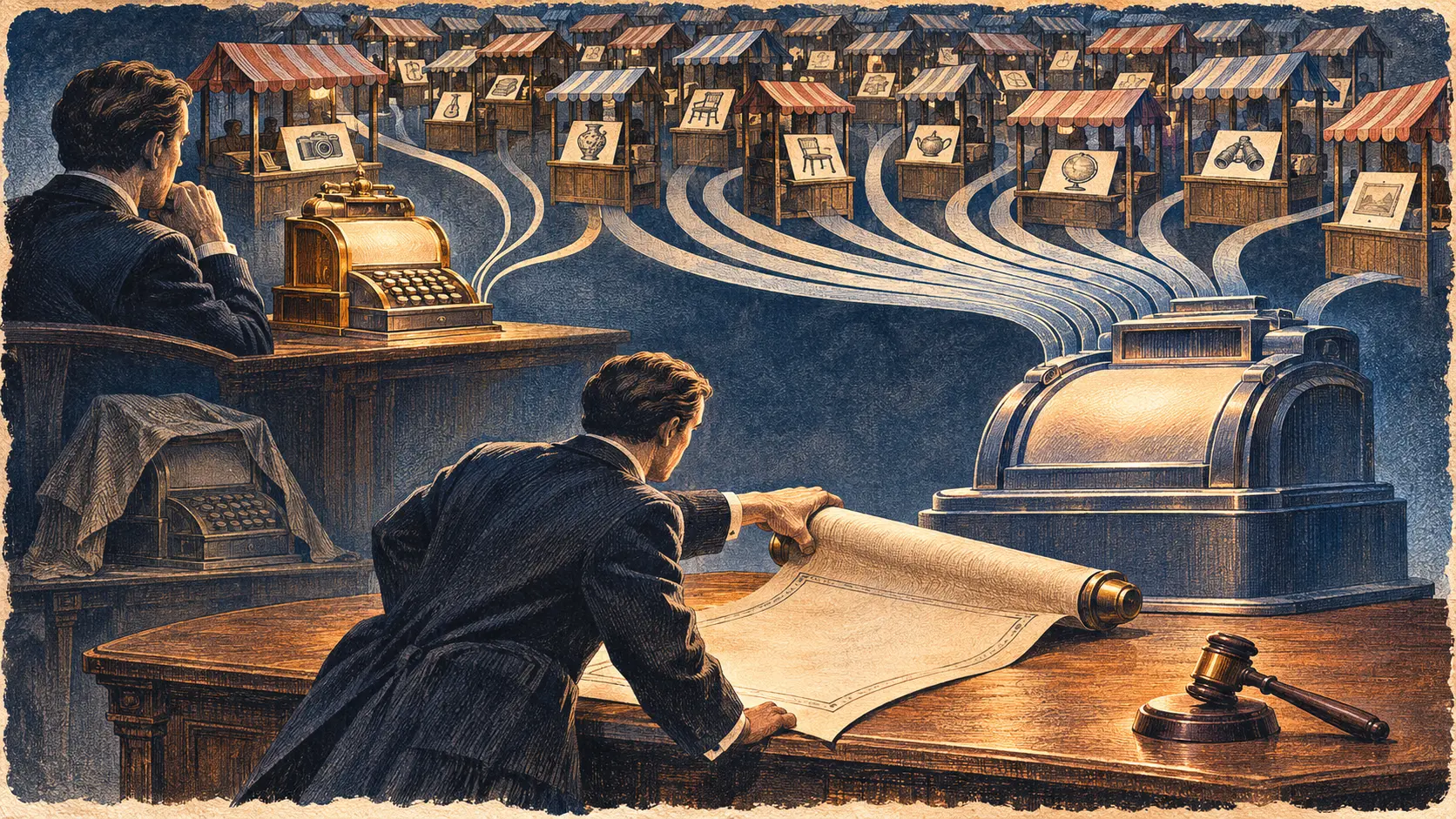
The same response gave a rare view of one actual price schedule. One San Francisco restaurant customer was billed $199 a month. A guest seated after a reservation from OpenTable's own site generated a $1 charge. A guest seated after a reservation from the restaurant's own website generated a $0.25 charge. Those are one disclosed customer's rates, not a universal tariff. Their ratio is revealing: a platform-origin seated guest cost four times as much as a restaurant-site seated guest in this example, even though both entered the restaurant's reservation system.
The source of the booking changed the price because the platform was selling two things at once. It supplied the operational book and it could bring the diner. When the restaurant brought its own diner through its own website, OpenTable still processed the online reservation, but the example bill assigned the lower per-seat charge. The two paths ended at the same table. The meter treated the acquisition path as a different product.
A software subscription with a passenger counter
The May 2009 filing gives the business model a scale. For the twelve months of 2008, OpenTable reported $55.8 million in net revenue. Subscriptions were 54% of that amount; reservation revenue was 41%. In the first quarter of 2009, the proportions were 52% and 43%. Those are company revenue shares for stated periods, not a count of restaurants on the San Francisco example contract. They show why calling the company merely a booking website leaves out the subscription ledger, while calling it merely restaurant software leaves out the pay-per-seated-guest counter.
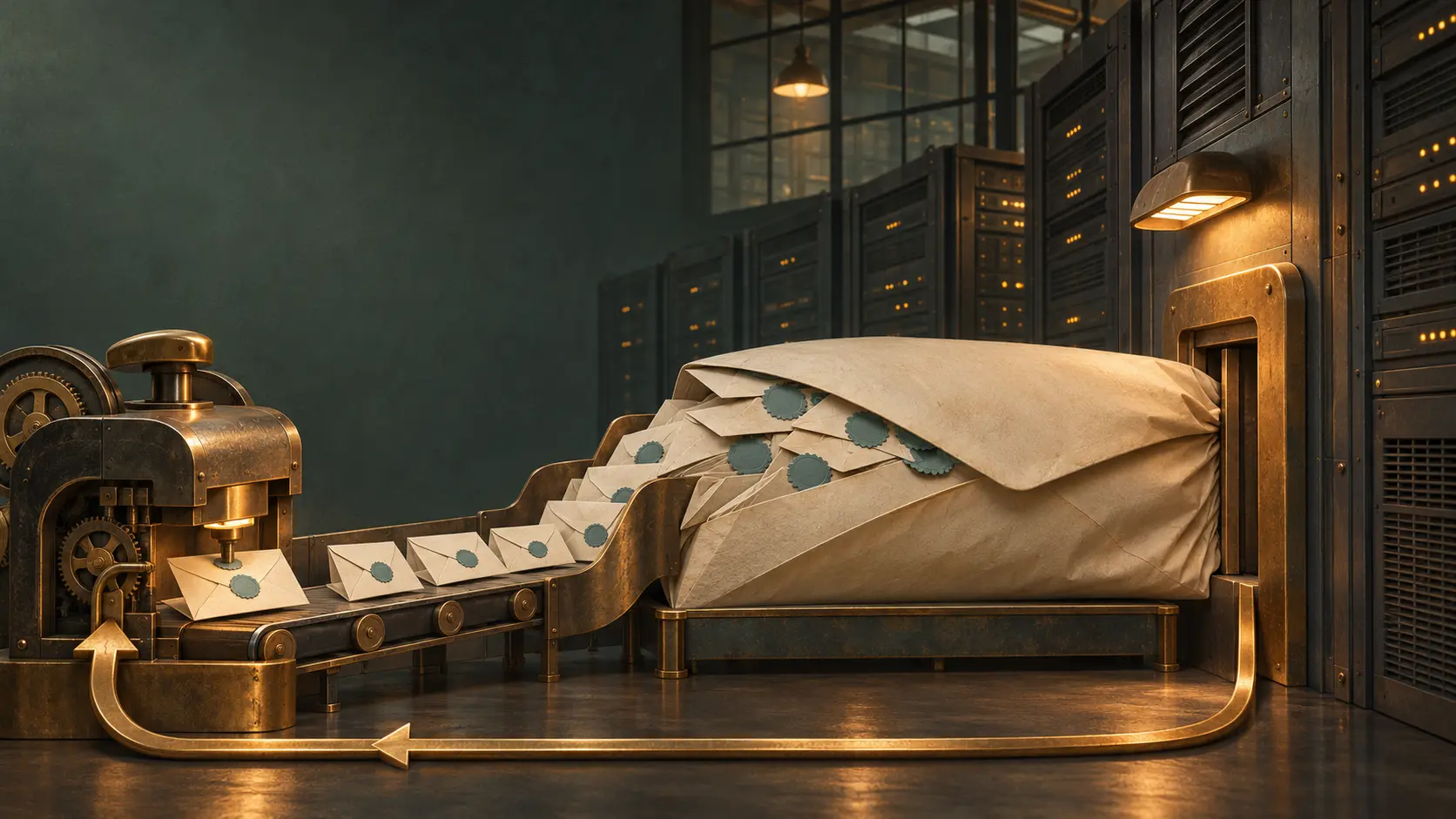
The filing reported about 10,000 restaurant customers by March 2009 and about 100 million diners seated through OpenTable reservations since its 1998 founding. Both are company-reported approximations. Their useful implication is operational scale: thousands of front desks had to keep the same inventory current for the website's instant answer to mean anything. A stale table book would turn a frictionless click into an argument when the guest arrived.
The Internet changed where a diner could ask for a table. OpenTable changed the record the restaurant used to answer. It combined a public demand channel with a private operating ledger, then billed the restaurant for installation, continued use and people who actually came through the online channel. The platform could offer the visitor a free click because it had found a payer at the other end of the reservation.
The chair, not the click, closed the transaction
The most revealing line in the SEC exchange is the revenue-recognition point. An online booking is a promise about future capacity. A seated diner is the event that turns the promise into a billable result. OpenTable's equipment connected those moments at the host stand, where staff could see what had been promised by the website and what had happened in the dining room.
For a restaurant evaluating the service, the important question was therefore bigger than how many clicks the website generated. It was how much of the table book the service controlled, how reliable the live inventory was, what the monthly software cost bought, and which channel would be credited when a guest sat down. The disclosed San Francisco schedule makes the last question concrete. The same chair could carry a different platform fee depending on the path by which its guest arrived.
The early web liked to present transactions as effortless interfaces. OpenTable's filing shows the invoice and the machinery under that interface. The diner clicked once. Someone had installed a connected book at the door, kept it running through dinner service, and agreed to pay when a body occupied the promised seat.
Member Briefing
Deeper Profile Context
Sign in with the right membership level to unlock the full briefing and source notes.
Only for Strategic Circle
Strategic Circle
Open to all readers. Unlock profile briefings after joining and signing in.
Join Strategic CircleOnly for Leadership Alliance
Leadership Alliance
For qualified IP-asset owners and management; sign in to unlock alliance briefings.
Join Leadership Alliance