
Topic
Submarine Cable Infrastructure
Within the Topic facet, Submarine Cable Infrastructure topic intelligence connects articles that share a specific subject, signal focus, or monitoring theme. The page gives readers a richer path through related reporting, source evidence, market actors, and infrastructure implications, with enough context to understand why the topic matters across company movements, governance decisions, regional exposure, and operational risk. Readers can compare recurring signals, affected organisations, public evidence, market context, service continuity, procurement, competition, compliance, and strategic planning questions behind the subject instead of stopping at a thin list of matching articles. It explains what the topic covers, which infrastructure actors or policies are involved, what evidence supports the coverage, and why the subject may matter for operators, customers, investors, and policy readers.
Europe and Middle East Datacenter
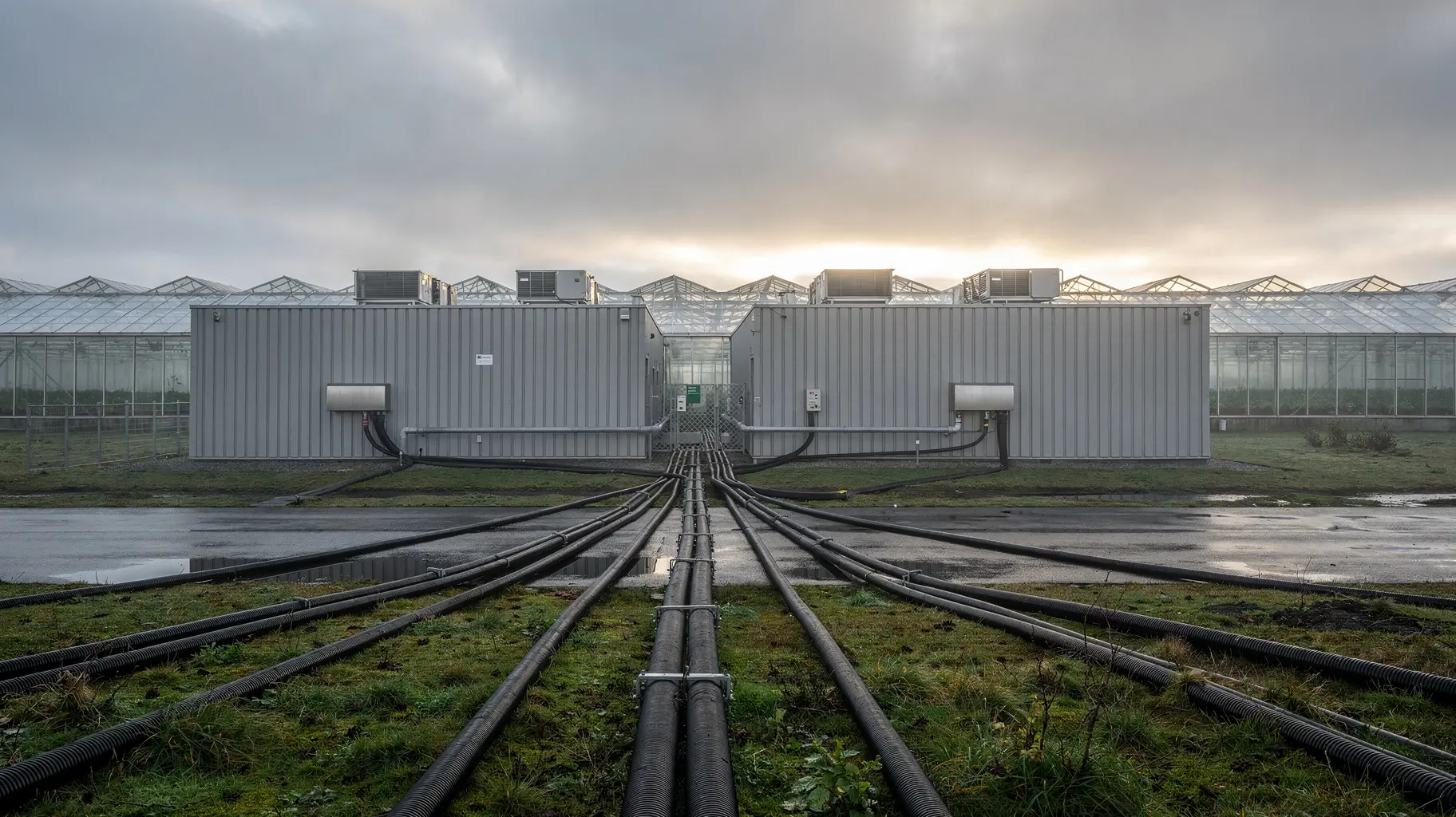
Greenhouse Datacenters Publishes Its Interconnection Story and Leaves the Power Envelope Unstated
A Naaldwijk colocation operator has just been named an additional landing partner for the IOEMA subsea cable. Its public record is unusually detailed on connectivity partners, exchange count, certifications and a power usage ratio — and silent on the figure that decides how much…
Europe and Middle East Institutional
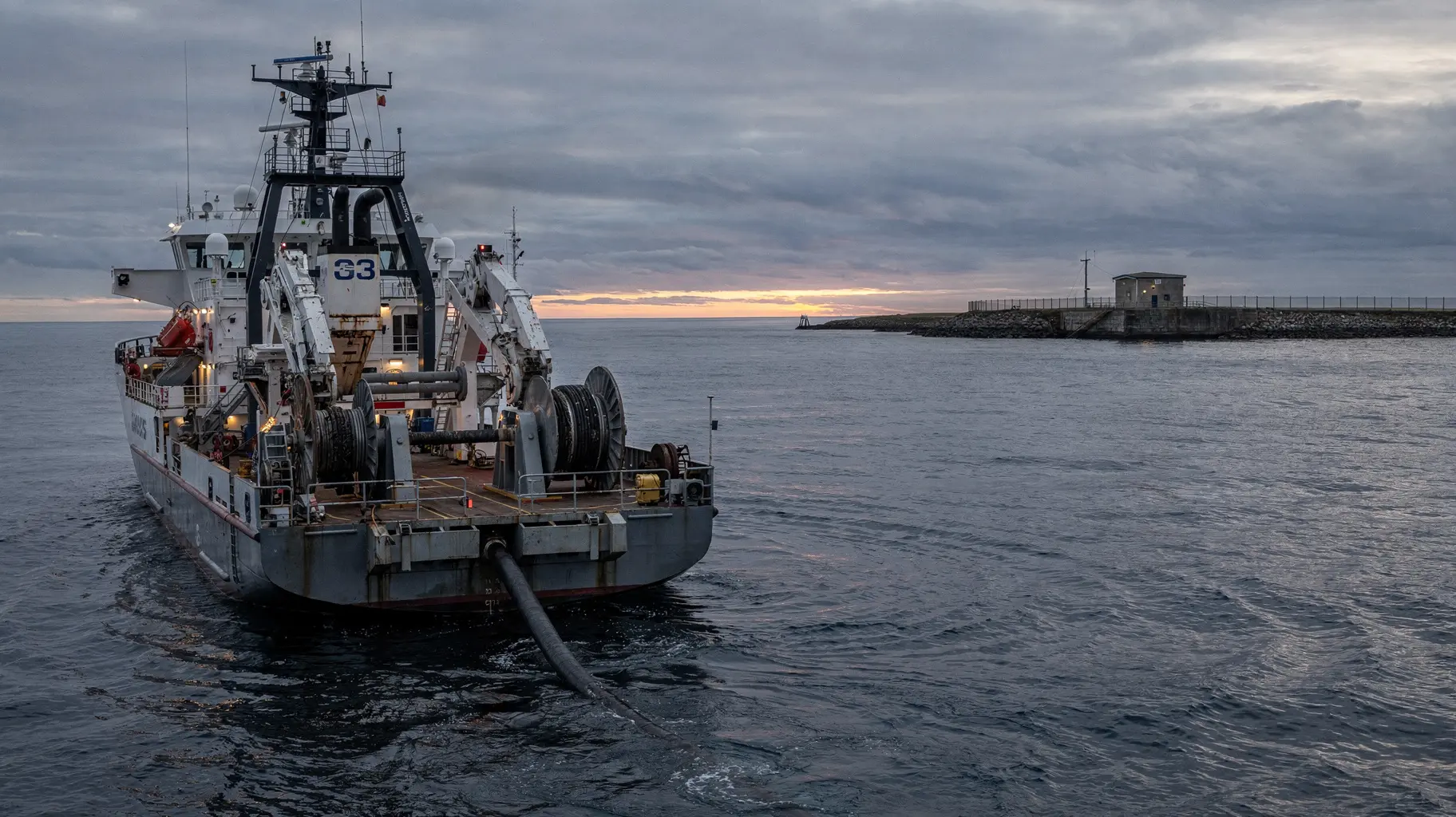
Alcatel Submarine Networks: a cleared owner, an unmeasured fleet
The French State's purchase of Nokia's subsea business is visible in an announcement and a competition record that resisted every attempt to read them as text on 18 October 2026. The supplier's ships, plants and order positions were not visible at all — and that asymmetry, not…
Africa Regional ISP
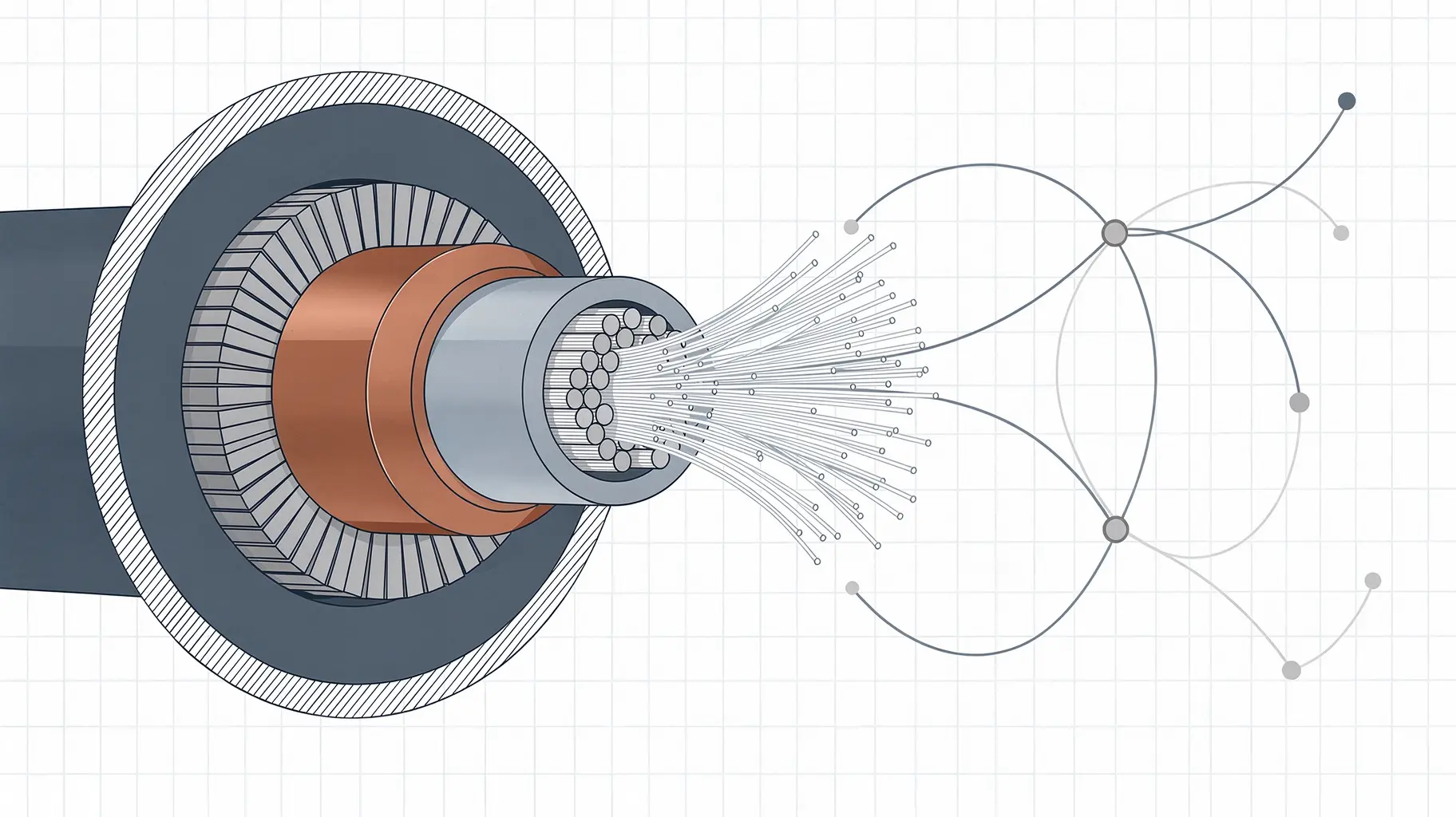
The ownership verb: what WIOCC's homepage claim actually measures
On 18 October 2026 WIOCC's own front page began stating a position in two named submarine systems. The same block gave three counters that each carry a unit, and the independent record retained alongside it counts routing adjacencies, not fibre. The gap between those two kinds of…
CASE FILE
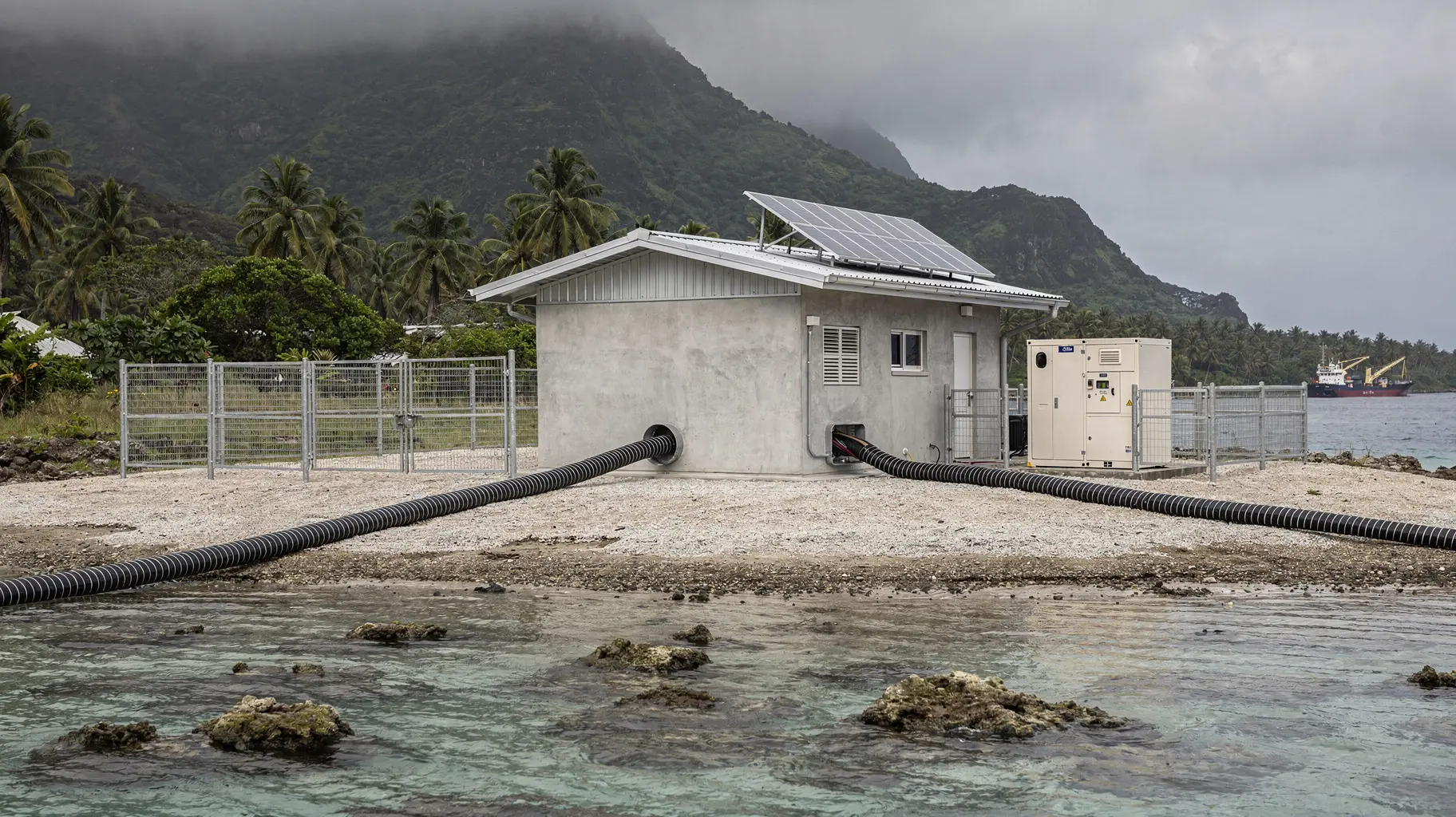
Solomon Islands buys a second cable, not a second operator
On 4 August 2026 a trade title reported that a 1,015 km submarine branch financed largely by an Australian facility will become the Solomon Islands' second international cable. The money is quantified. The terms that would turn a second path into a fallback are not.
Asia-Pacific National Telecom
The Overland Majority: What Bangladesh's Submarine Capacity Numbers Do Not Measure
On 18 October 2026 the operator's own September figures put roughly 7.2 Tbps of submarine capacity at its disposal and roughly 3.2 Tbps of that unsold, while the last measured national split, dated March, put its two cable systems at about 4.2 Tbps combined against consumption…
CASE FILE
The cable in the water and the contract that rations it
A design capacity figure describes a manufactured entity. Who may use it, at what price, and who pays when it breaks are settled afterwards, by instruments. The public record behind Hawaiki Submarine Cable LP shows the gap between those two things — and shows exactly where the…

Europe and Middle East National Telecom Trends
The Caspian cable is launched; the corridor still has to perform
The 380-kilometre link between Azerbaijan and Kazakhstan has crossed a real commissioning milestone. Its design capacity and inauguration establish the segment; they do not yet show how much end-to-end traffic the wider Asia–Europe route carries.
Europe and Middle East National Telecom
e&’s 500 Tbps target needs a definition before it can be audited
The operator’s 2030 ambition is easy to repeat and difficult to verify. A dated baseline, a stable perimeter and a clear account of what “capacity” counts would turn the headline into a monitorable commitment.

Asia-Pacific National Telecom
The Solomon Islands end of the Coral Sea Cable System belongs to a company registered in Australia
A single landing at Honiara carries the country's international traffic, but the instruments that decide what a buyer there can contract sit one layer up: in an Australian ownership vehicle and a rights-of-use grant. This briefing reads what the operator publishes about both, and…
Europe and Middle East National Telecom Trends
Aventa’s Irish deal puts cable execution to the test
The offshore engineering group says its acquisition of Irish Sea Contractors adds nearshore installation and repair work. The strategic case is plausible, but the public record contains no price, backlog or measured evidence that the combination will lower project cost or repair…
Africa Regional ISP Trends
Three ledgers, one cable: what WIOCC's record establishes about deliverable capacity
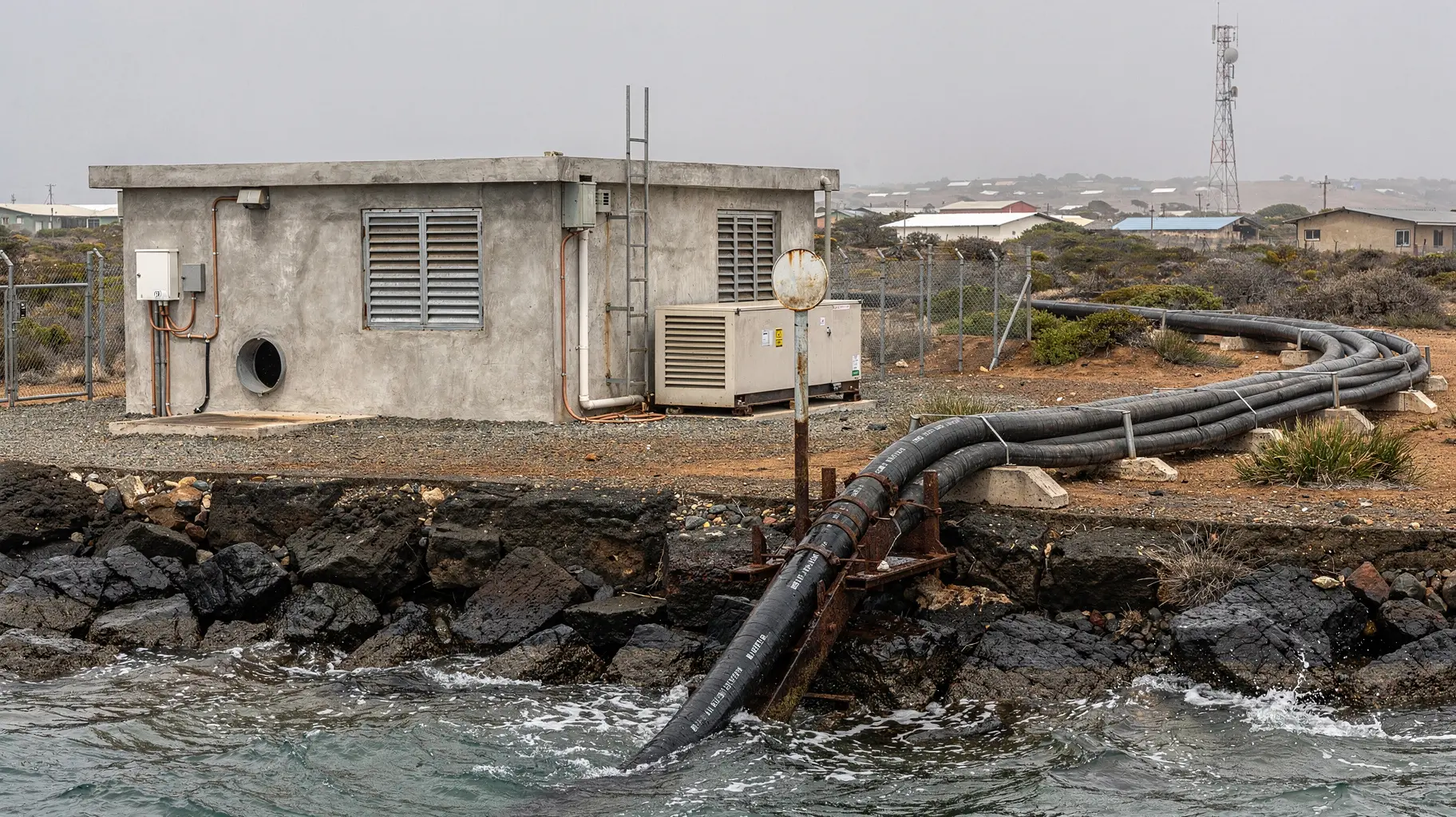
Three ledgers, one cable: what WIOCC's record establishes about deliverable capacity intelligence summary explains the development, the public evidence available to readers, the organisations involved, the regional context, market exposure, and the infrastructure consequences…
Asia-Pacific National Telecom Trends
IPS prices equity for Wakayama; the project’s funding split remains open
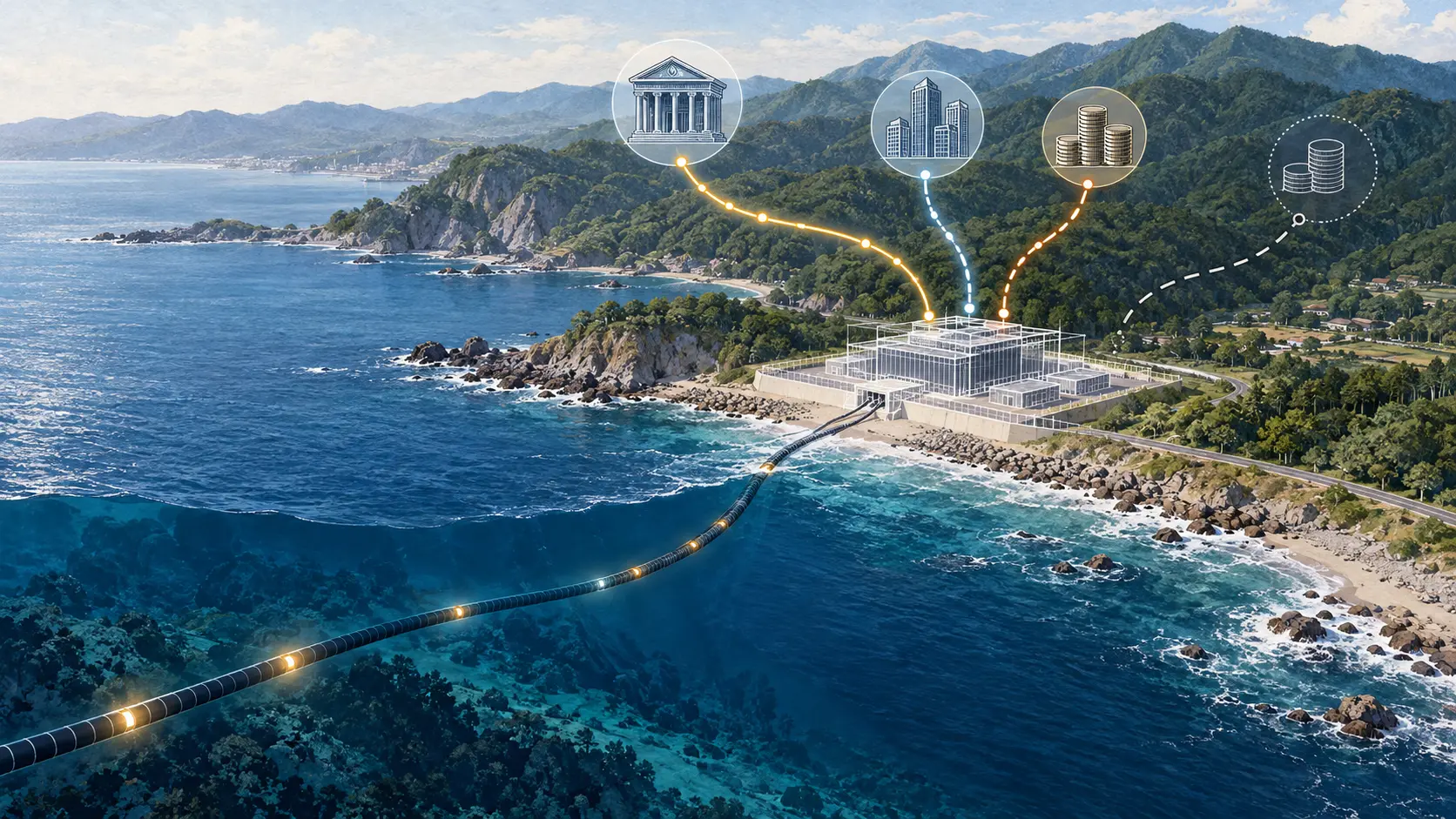
IPS has priced a public share issue for its proposed Wakayama cable branch and landing station. The company estimates up to ¥4.58bn in net proceeds against a project-wide cost estimate of about ¥23bn, while the grant amount, partner contributions and IPS’s final burden remain…
North America Datacenter
One Port in Honolulu: What the Hawaii Internet Exchange Entry Actually Resolves To
One Port in Honolulu: What the Hawaii Internet Exchange Entry Actually Resolves To intelligence summary explains the development, the public evidence available to readers, the organisations involved, the regional context, market exposure, and the infrastructure consequences that…
Asia-Pacific National Telecom
Two Landing Stations, One Operator: What Bangladesh's Submarine Capacity Figures Actually Establish
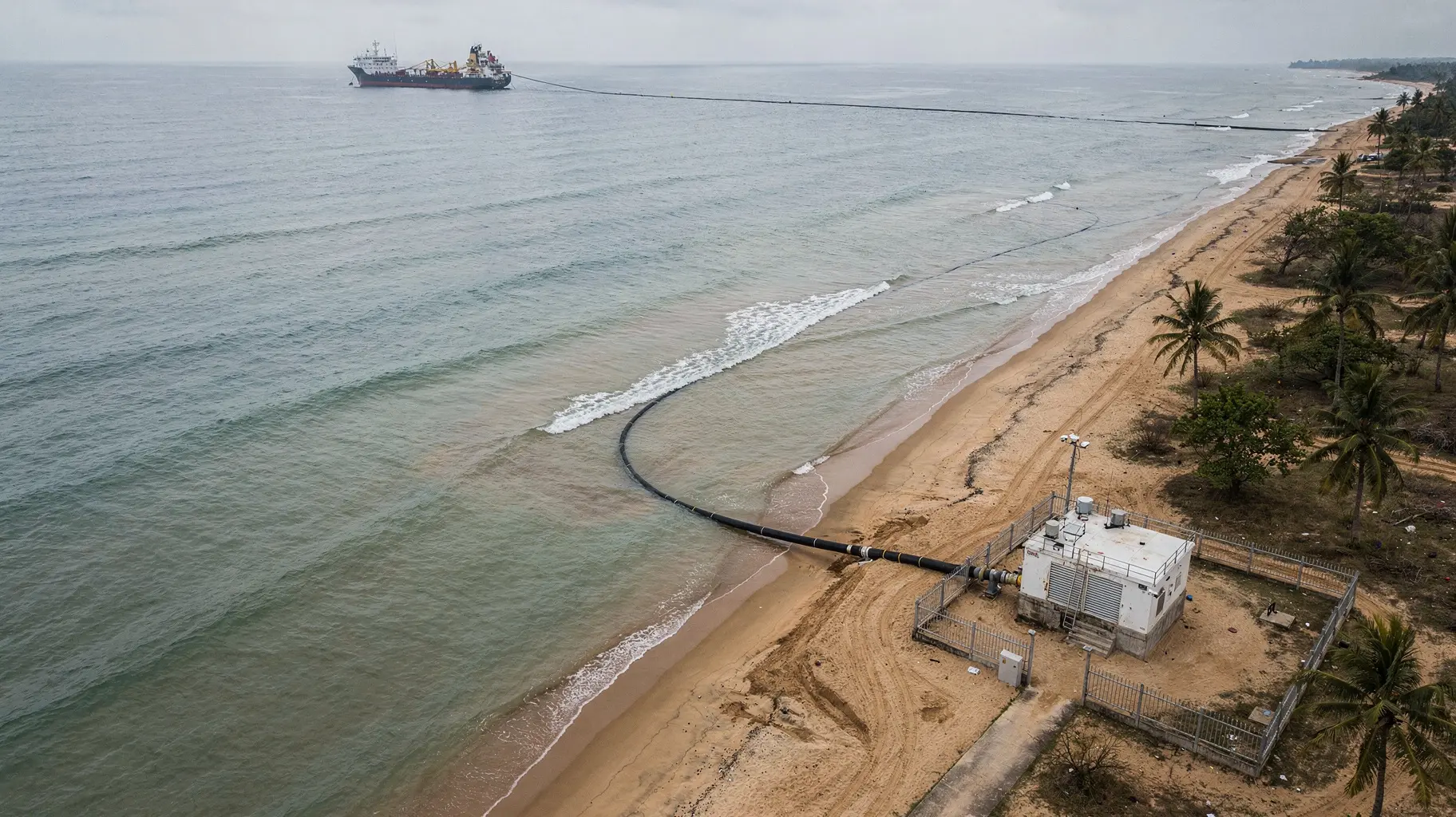
Bangladesh's international bandwidth comes ashore at two beaches and, on the public record, through one company. In October 2026 that company put a number on its own position, and the number closes arithmetically in one rendering of the statement and not in the other. This is a…

Africa Institutional Trends
ReuNION’s funding is defined; Réunion’s cable-access rules are not
ReuNION now has a public funding plan and a named landing party. Its harder test is whether the promise of access for every operator reaches through the station and onto the island’s terrestrial network.

Story
Asia’s cable-repair clock can stall before the ship sails
An APNIC-hosted essay points to a delay that cannot be solved by keeping a repair vessel nearby: a ship may still need a coastal authority’s clearance before work can begin. Public permission, vessel dispatch and the journey to a fault belong on separate clocks.

Europe and Middle East Institutional Trends
Three days to fit a cable-repair module is not three days to restore service
The European Commission’s €40 million second CEF-Digital call asks public emergency-response organisations to prepare modular equipment for submarine-cable repairs across the Mediterranean and Atlantic. Its three-day measure begins only after a vessel reaches a host port or…

Global Regional ISP
Guam's transport monopoly is an ownership question, not a marketing one
GTA/Teleguam Holdings, LLC sits on the part of Guam's connectivity stack that cannot be replicated by a competitor with a better price list: the landing station, the backhaul and a seat in the ownership of the SEA-US submarine cable. The public record proves the position exists…

Europe and Middle East National Telecom Trends
PISCES Cable JV Begins Delivery Phase; Route Resilience Still Needs Proof
PISCES has moved from project preparation and EU-supported phases into a dedicated delivery vehicle formed by Equitix, MDM and Orange. Its marine route survey is complete and engineering and permitting are underway, but the evidence still stops well short of a functioning…

History
The Cable Was Cut; Intelsat Kept TAT-8 Service Running for Two Weeks, 1989
In February 1989, a break in TAT-8’s French end took the new transatlantic fiber system out of service. Intelsat carried customer service for two weeks while the cable was repaired—a revealing early example of restoring a communications function through another medium.