Summary
- Lightstorm has secured a Rs25 billion debt facility, reported as about $262 million, for I-2SEA.
- IndusInd Bank leads the facility; pricing, maturity, covenants, security and draw schedule are not disclosed.
- The roughly 3,600 km system is planned between India, Malaysia and Singapore.
- Its design links Hyderabad and Chennai toward Singapore and Kuala Lumpur, with Indian landings at Machilipatnam and South Chennai.
- Lightstorm, Microsoft, Singtel and Tata Communications signed the joint-build arrangement in July; NEC and ASEAN Cableship have supplier roles.
- Q4 2029 is a ready-for-service target, not proof of construction, landing, lighting or sold capacity.
Finance catches up with a month-old build plan
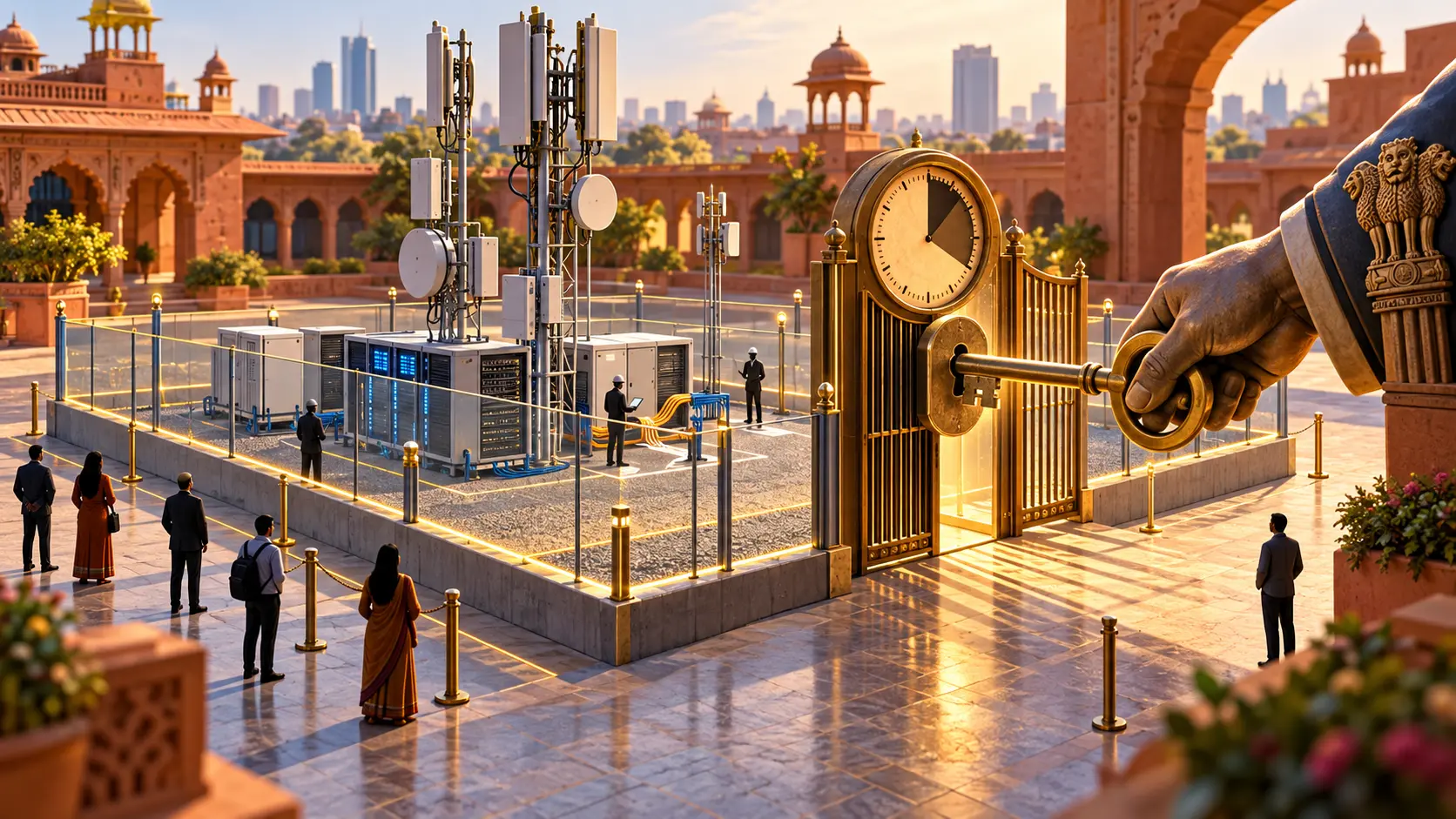
The consortium and build launch were announced in July. The August development is the Rs25 billion debt facility led by IndusInd Bank.
That distinction establishes the lifecycle correctly: I-2SEA has moved from a contracted build concept toward financed execution. It has not moved from seabed installation to live service.
The facility still lacks its operating terms
Debt size alone does not show how much can be drawn, when it becomes available or what milestones the borrower must meet. The captured reporting does not disclose interest, tenor, covenants, collateral or amortisation.
Those terms affect schedule resilience. A restrictive draw condition or funding gap can delay procurement even when the headline facility is large.
The route connects inland demand to three markets
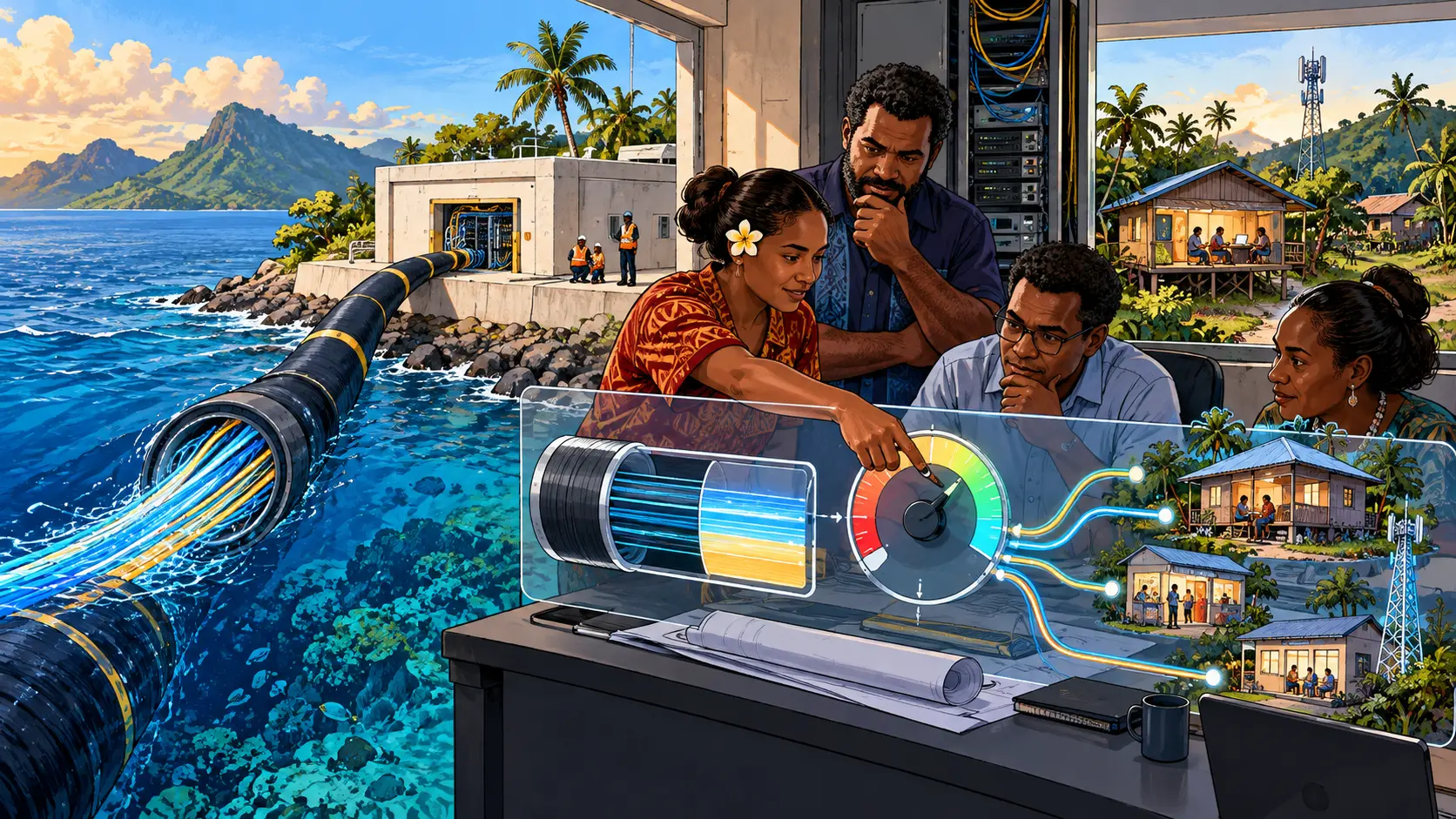
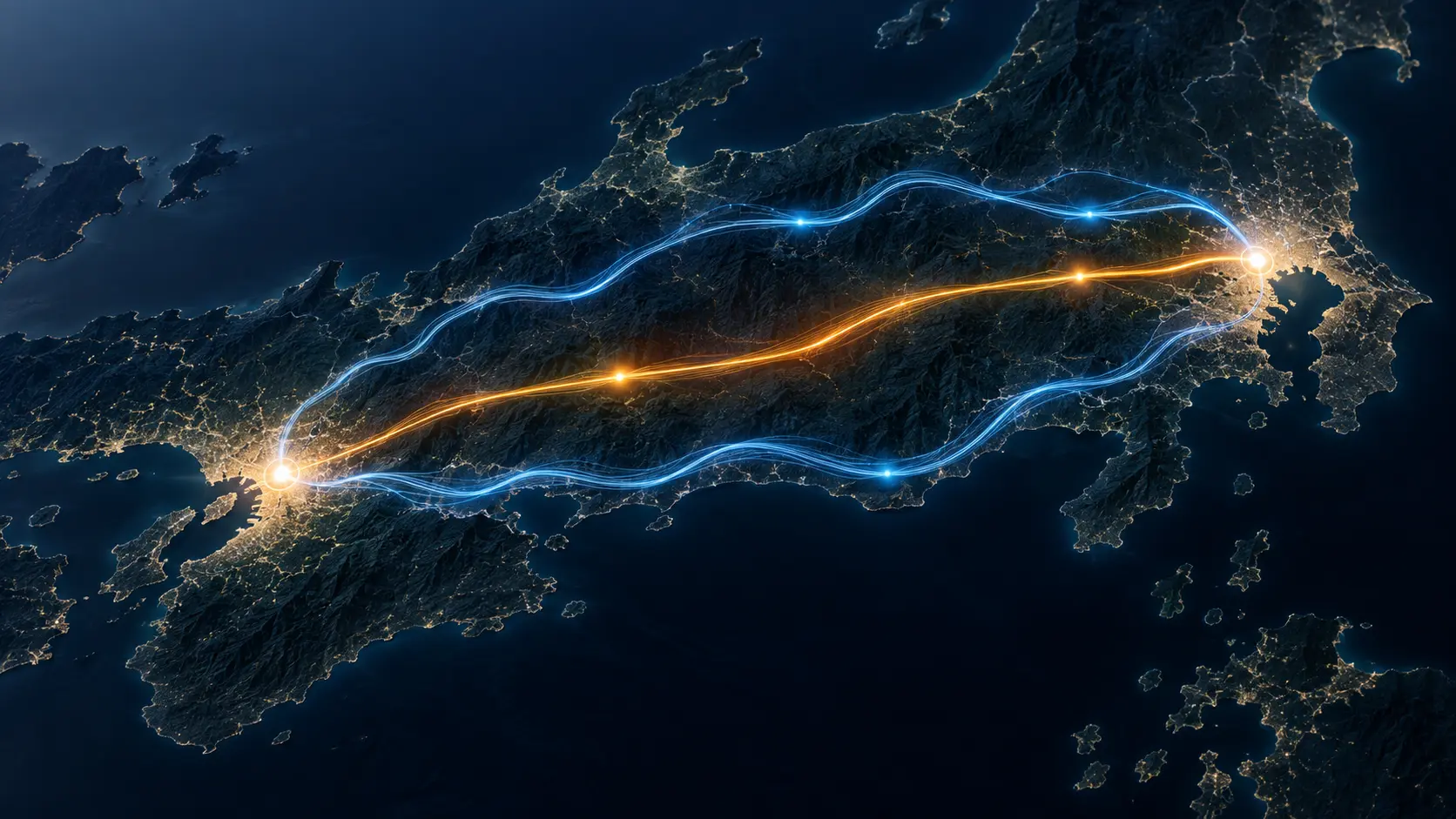
I-2SEA is planned at about 3,600 km, linking India with Malaysia and Singapore. Lightstorm describes connections from Hyderabad and Chennai toward Singapore and Kuala Lumpur.
The design gives inland Indian data-centre markets two coastal approaches. Whether that becomes route diversity depends on terrestrial backhaul and the physical separation of the Machilipatnam and South Chennai landing paths.
Dual landings have to remain independent
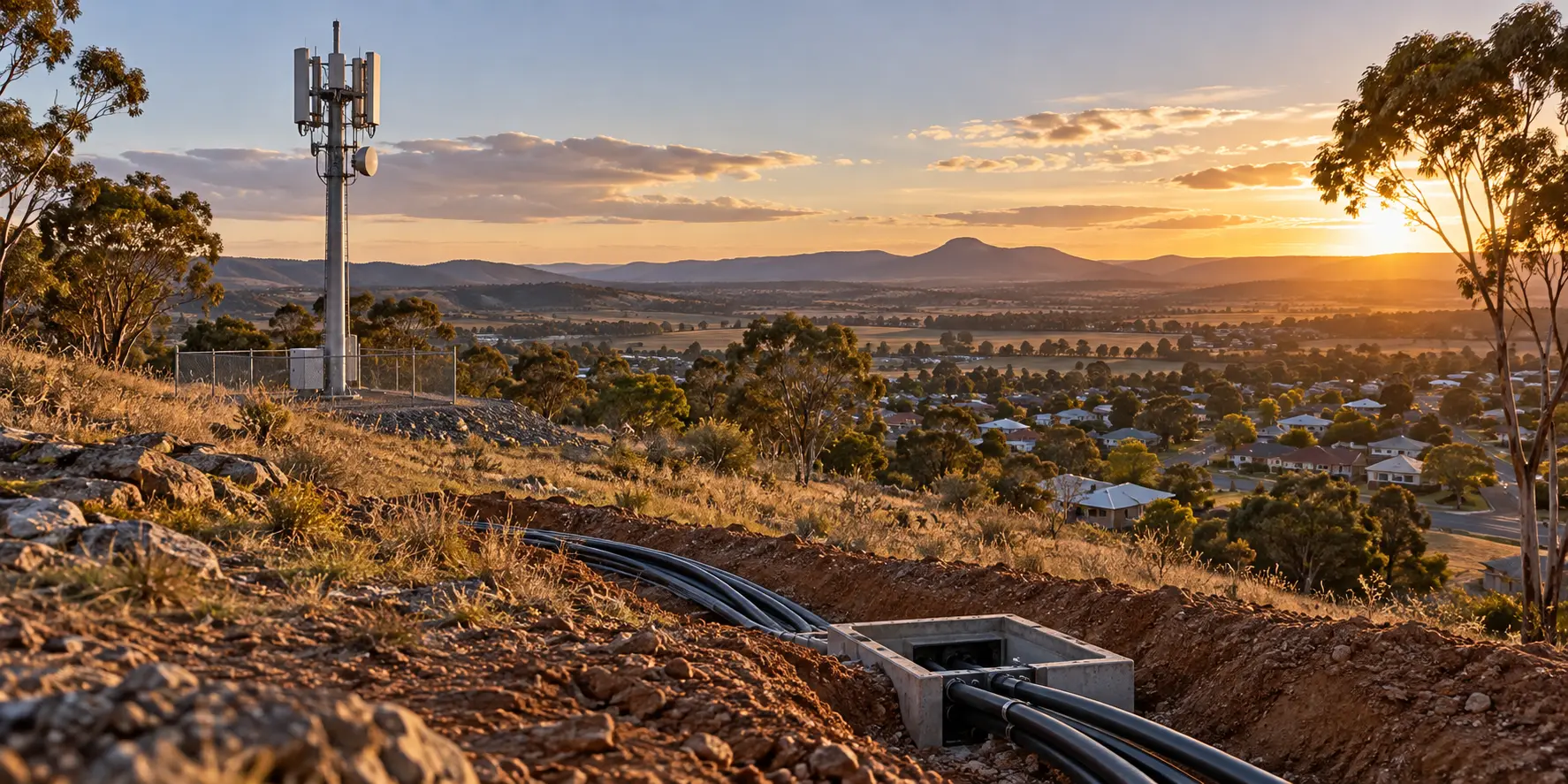
Machilipatnam is intended to provide a shorter subsea approach toward Hyderabad, while South Chennai supplies another landing location. Two landings can reduce common-mode risk only if power, ducts, stations and onward routes are not shared too deeply.
The future resilience test therefore extends beyond the wet segment. It includes each landing station and the terrestrial paths to customer facilities.
The consortium distributes delivery control
Lightstorm is the majority owner and operates the Indian landing stations. Microsoft, Singtel and Tata Communications participate under the joint-build agreement. NEC is system supplier and ASEAN Cableship the marine installer.
This spreads expertise and capacity rights across several parties. It also creates interfaces where schedule, specification and acceptance must align.
A sales opening is not activated capacity
Lightstorm says the system is open for capacity commitments. That indicates commercial engagement, not that customers have been named or services activated.
Contracted capacity, anchor buyers, price structure and activation conditions will show demand quality. Until disclosed, the financing should not be presented as proof of full project funding or customer coverage.
The Q4 2029 target needs a milestone chain
Ready-for-service in Q4 2029 remains a target. Marine survey, permitting, cable manufacture, route clearance, laying, burial, landing, testing and acceptance must occur first.
Evidence should therefore arrive as a sequence rather than one final date. Missed manufacturing or marine windows can propagate through later stages even if the debt remains available.
Sources
Member Briefing
Deeper Profile Context
Sign in with the right membership level to unlock the full briefing and source notes.
Only for Strategic Circle
Strategic Circle
Open to all readers. Unlock profile briefings after joining and signing in.
Join Strategic CircleOnly for Leadership Alliance
Leadership Alliance
For qualified IP-asset owners and management; sign in to unlock alliance briefings.
Join Leadership Alliance