Summary
- Counting submarine cable systems does not show whether traffic has physically and commercially independent routes.
- Operators should disclose landing diversity, inland backhaul, spare capacity and tested failover before calling a network resilient.
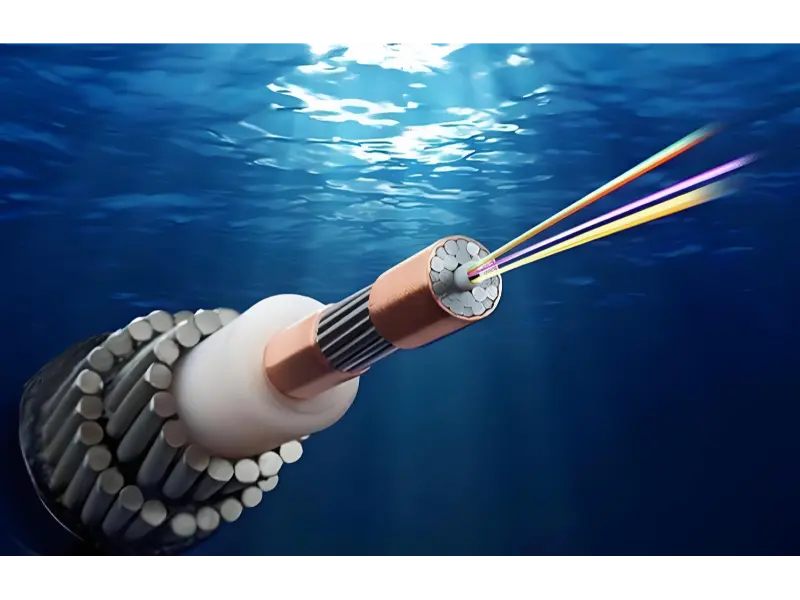
Submarine fibre carries international traffic across oceans, but the cable itself is only one link in the service. Traffic must reach a landing station, enter terrestrial networks, cross power and transmission equipment, and find an alternative route when damage occurs. Several named systems can still converge on the same vulnerable point.
That distinction matters especially for African markets where new systems are often presented as an automatic improvement in resilience. A second cable adds useful capacity, yet it may not protect customers if both paths land together, depend on the same metro fibre, or are contracted through one upstream provider. A repair vessel and available spare plant also determine how long a fault lasts.
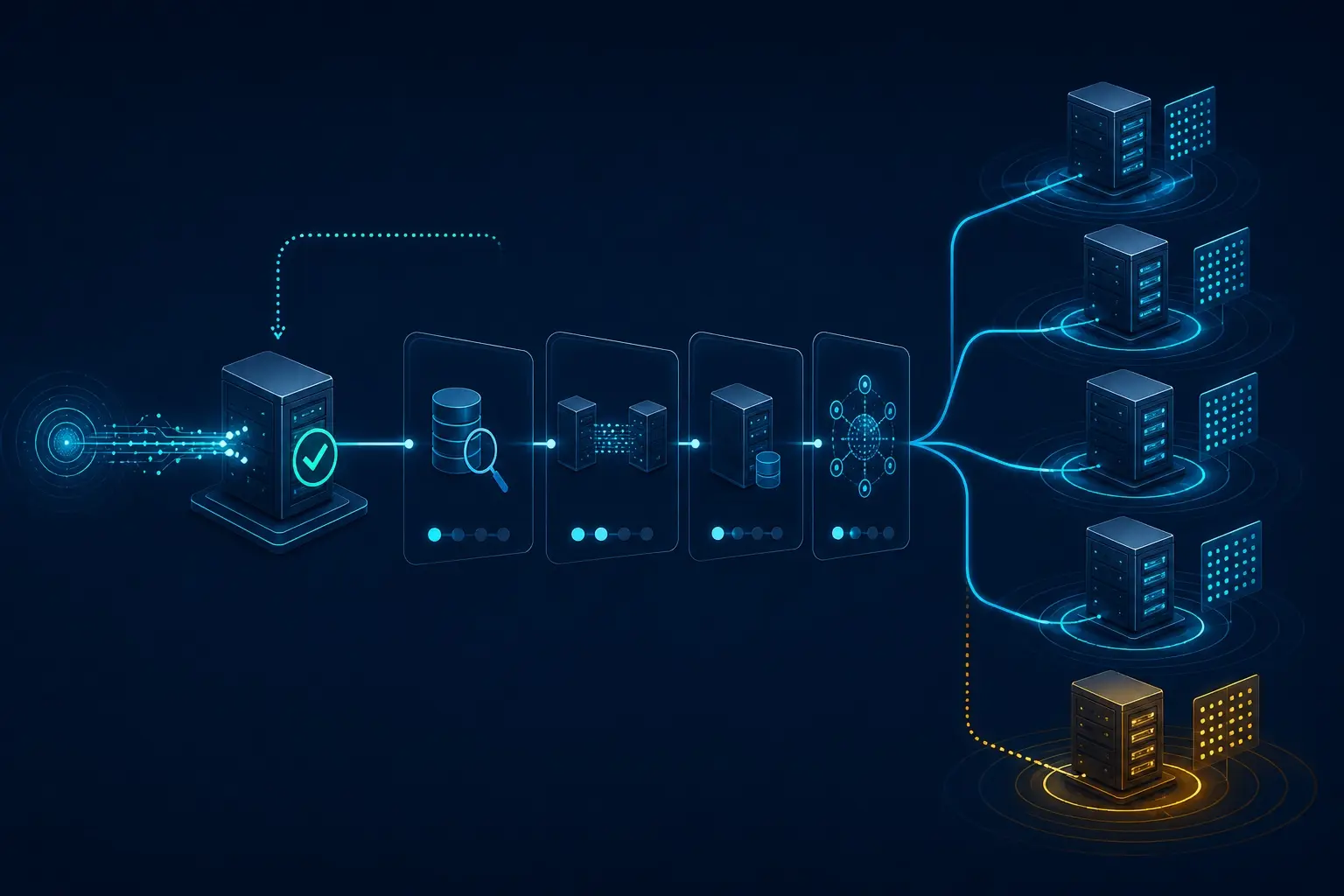
The practical test is end-to-end. An operator should be able to identify separate wet routes, landing facilities and terrestrial paths; reserve enough capacity on the backup; and demonstrate that routing switches under real load. Commercial diversity matters too, because capacity that exists physically may not be available under the required contract during an outage.
The next useful disclosure is a failover exercise showing where traffic moved, how much performance was retained and which bottleneck remained. A map proves geographic reach. Only separated infrastructure and tested operations prove continuity.