
Topic
Submarine Cable Infrastructure
Within the Topic facet, Submarine Cable Infrastructure topic intelligence connects articles that share a specific subject, signal focus, or monitoring theme. The page gives readers a richer path through related reporting, source evidence, market actors, and infrastructure implications, with enough context to understand why the topic matters across company movements, governance decisions, regional exposure, and operational risk. Readers can compare recurring signals, affected organisations, public evidence, market context, service continuity, procurement, competition, compliance, and strategic planning questions behind the subject instead of stopping at a thin list of matching articles. It explains what the topic covers, which infrastructure actors or policies are involved, what evidence supports the coverage, and why the subject may matter for operators, customers, investors, and policy readers.

Asia-Pacific National Telecom Trends
IPS asks shareholders to back a different way into Osaka
New shares will help pay for a proposed cable branch and landing station at Wakayama. The attraction is another route to Japan's networks. The unresolved question is how the construction bill will be shared.
North America Datacenter
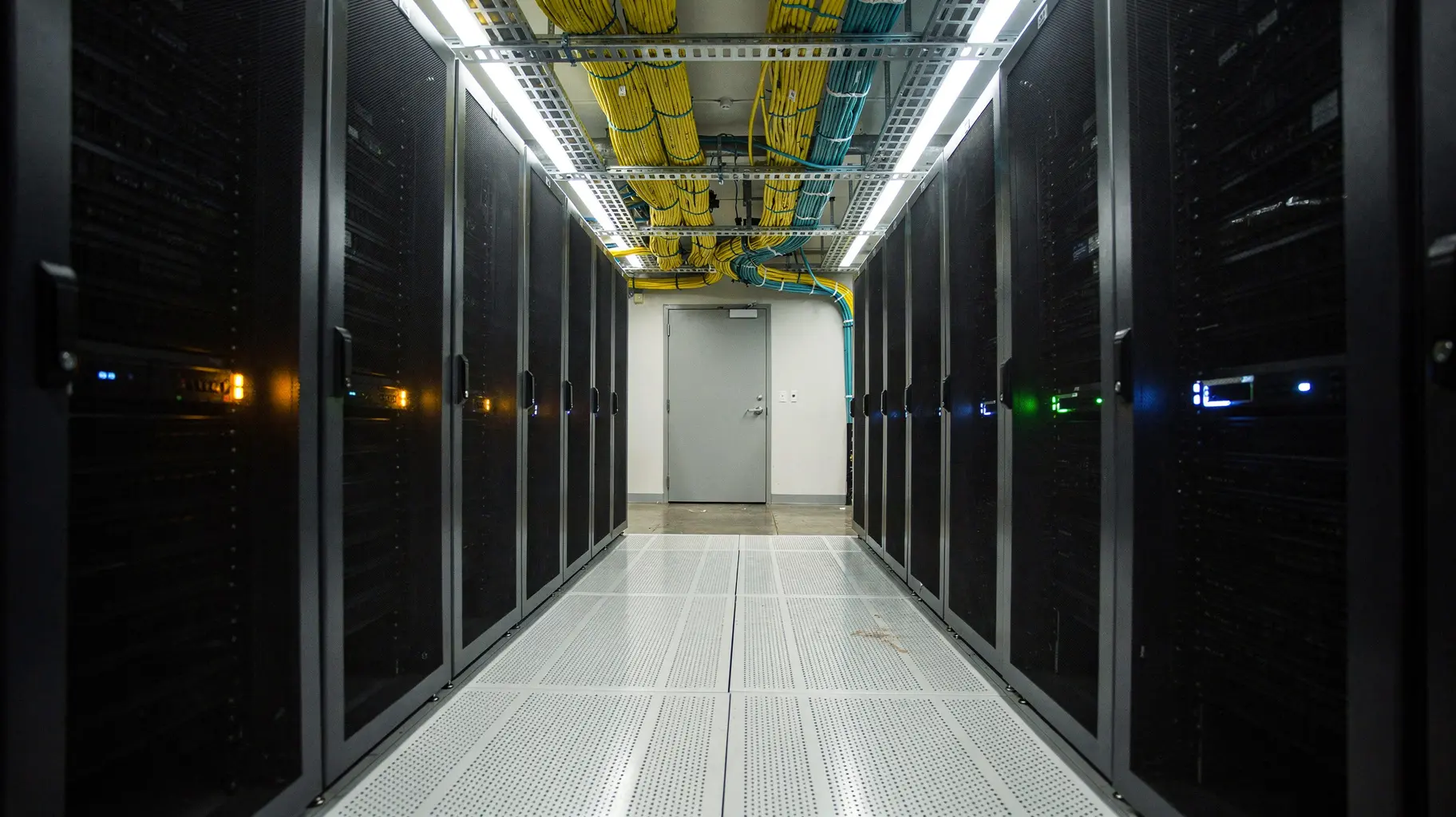
In Hawaii, the internet also needs a way to stay home
Undersea cables connect Hawaii to distant markets. HIX has a less spectacular job: helping nearby institutions reach one another without an unnecessary ocean crossing.
Asia-Pacific National Telecom
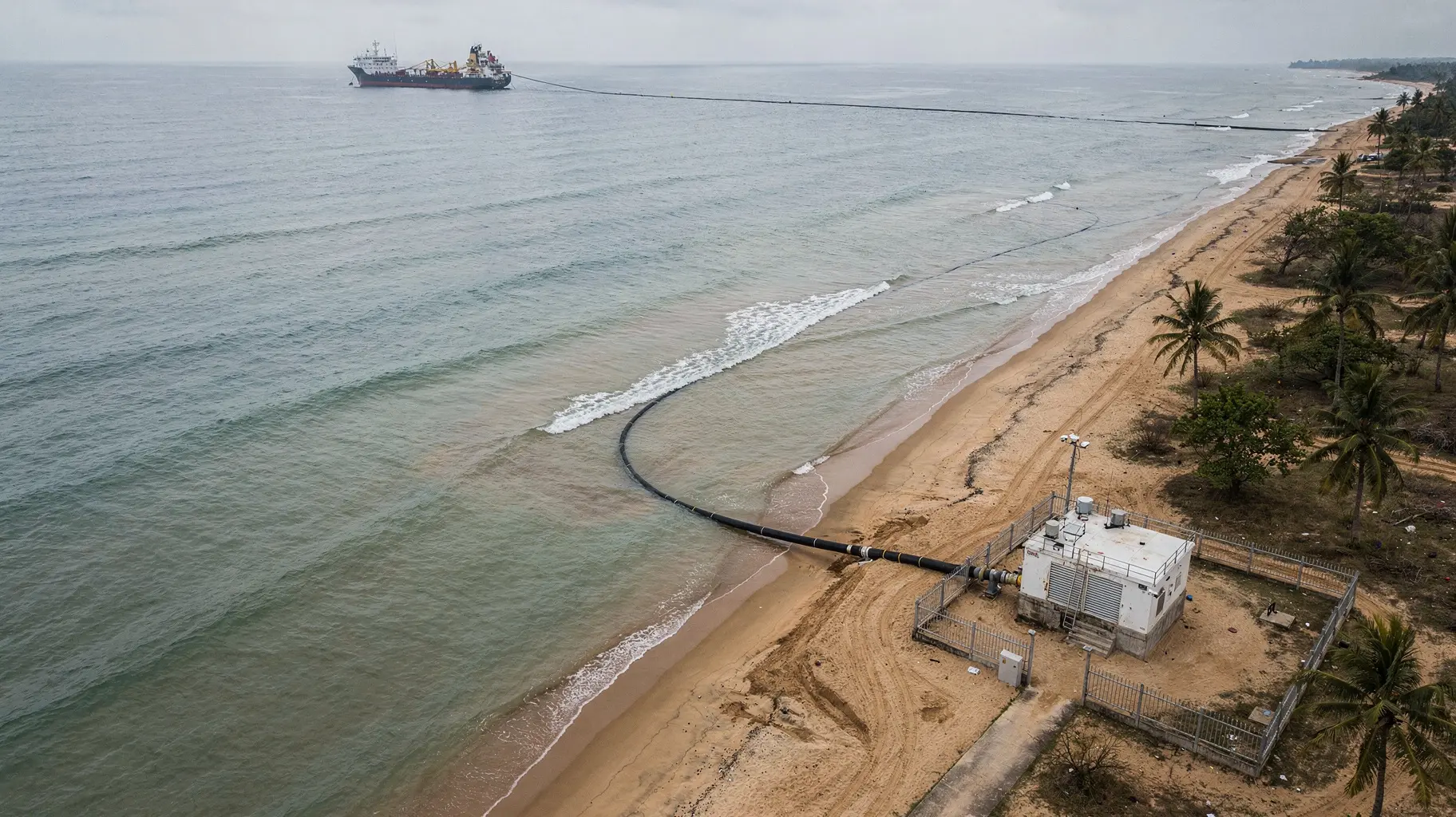
Two Landing Stations, One Operator: What Bangladesh's Submarine Capacity Figures Actually Establish
Bangladesh's international bandwidth comes ashore at two beaches and, on the public record, through one company. In October 2026 that company put a number on its own position, and the number closes arithmetically in one rendering of the statement and not in the other. This is a…

Africa Institutional Trends
ReuNION’s funding is defined; Réunion’s cable-access rules are not
ReuNION now has a public funding plan and a named landing party. Its harder test is whether the promise of access for every operator reaches through the station and onto the island’s terrestrial network.

Story
Asia’s cable-repair clock can stall before the ship sails
An APNIC-hosted essay points to a delay that cannot be solved by keeping a repair vessel nearby: a ship may still need a coastal authority’s clearance before work can begin. Public permission, vessel dispatch and the journey to a fault belong on separate clocks.

Europe and Middle East Institutional Trends
Three days to fit a cable-repair module is not three days to restore service
The European Commission’s €40 million second CEF-Digital call asks public emergency-response organisations to prepare modular equipment for submarine-cable repairs across the Mediterranean and Atlantic. Its three-day measure begins only after a vessel reaches a host port or…

Global Regional ISP
Guam's transport monopoly is an ownership question, not a marketing one
GTA/Teleguam Holdings, LLC sits on the part of Guam's connectivity stack that cannot be replicated by a competitor with a better price list: the landing station, the backhaul and a seat in the ownership of the SEA-US submarine cable. The public record proves the position exists…

Europe and Middle East National Telecom Trends
PISCES Cable JV Begins Delivery Phase; Route Resilience Still Needs Proof
PISCES has moved from project preparation and EU-supported phases into a dedicated delivery vehicle formed by Equitix, MDM and Orange. Its marine route survey is complete and engineering and permitting are underway, but the evidence still stops well short of a functioning…

History
The Cable Was Cut; Intelsat Kept TAT-8 Service Running for Two Weeks, 1989
In February 1989, a break in TAT-8’s French end took the new transatlantic fiber system out of service. Intelsat carried customer service for two weeks while the cable was repaired—a revealing early example of restoring a communications function through another medium.

Europe and Middle East National Telecom Trends
Qatar’s submarine-cable rules make the access offer the real bottleneck
Qatar’s new landing-station regime puts a practical document between infrastructure and competition: an approved, published offer specifying what an access seeker may request, what it costs and how a dispute proceeds. The rule establishes that interface; the public record does…

Latin America and Caribbean National Telecom Trends
Uruguay’s Fibre Trunk Cuts Exposed a Cross-Layer Dependency
Four terrestrial fibre-trunk cuts on 13 October did more than interrupt domestic transport routes in Uruguay. Their simultaneous effect also constrained access to international submarine-cable capacity reaching Maldonado, showing how a terrestrial failure can become an…

Latin America and Caribbean Institutional Trends
Five Caribbean islands joined the exchange; local routing is the test
The Eastern Caribbean Internet Exchange now reaches five named islands through a cable operator, a local network and an exchange platform. That is a meaningful extension of regional infrastructure. It does not yet tell readers how much traffic stays local, which island networks…

History
The Backup Used the Same Cable: Iceland’s CANTAT-3 Failure, 2002
In August 2002, an undersea-cable failure exposed a quiet weakness in Iceland’s international connectivity: RHnet’s reserve route through Síminn depended on the same CANTAT-3 system as its usual route. The incident log makes a useful distinction between a second route on a…

Story
LACNIC’s Caribbean satellite fallback depends on an unstated trigger
Its CaribNOG 32 guidance pairs full-table routing over fibre with a default route over LEO. The post reports exercises, but no operator deployment, failover test or capacity result.

North America Institutional Trends
The FCC drew SLTE into cable oversight. Key licensing rules still await a start date
The United States has marked submarine line terminal equipment as a point of regulatory control, not just a component beside the wet cable. But the rule’s headline date does not tell operators when every new duty begins: core provisions for SLTE licensing, security certifications…

Global National Telecom Trends
Prysmian’s Xtera deal joins system design to cable supply; delivery remains the test
Prysmian has closed its purchase of Xtera through a joint venture with Fincantieri. The deal brings optical system design closer to cable production and marine installation, but buyers still need to know which parts can be sourced separately—and what the new production capacity…

Europe and Middle East National Telecom
Space Norway’s shared optical standard is a resilience claim to test
Ciena will modernize Space Norway’s existing Svalbard cables and equip the new Arctic Way system with the same optical technology. That may simplify operations, but a shared equipment standard does not establish independent routes or tested continuity.

Africa Datacenter Trends
ANGONIX: Angola's internet exchange and the Atlantic cable layer
Angola's national internet exchange has operated since 16 March 2015 as a neutral platform run by Angola Cables and hosted at the AngoNAP Luanda data centre. Its operator's submarine cable layer is moving toward services of up to 800 Gb/s, while the exchange's own interconnection…

Europe and Middle East National Telecom Trends
Europe’s backbone map is being drawn before the next funding rules
The Commission wants a map of Europe’s terrestrial and submarine networks, then a view of where money may be missing. The study can clarify those choices; it cannot make a network, a grant or a market failure appear by itself.

Europe and Middle East National Telecom Trends
Pisces has a joint venture. Its access rules remain the real test
The 14 October announcement gives the Ireland–continental Europe cable a named delivery company and chief executive. It does not yet show who will receive capacity, on what terms, or when the route will carry traffic.