- SGC Energy and Vertiv are jointly designing power and cooling infrastructure for the first 60MW of SGC's planned Gunsan AI data centre
- PowerNexus is planned for the project and SmartRun is also being considered as SGC prepares for possible expansion to 300MW
The fact
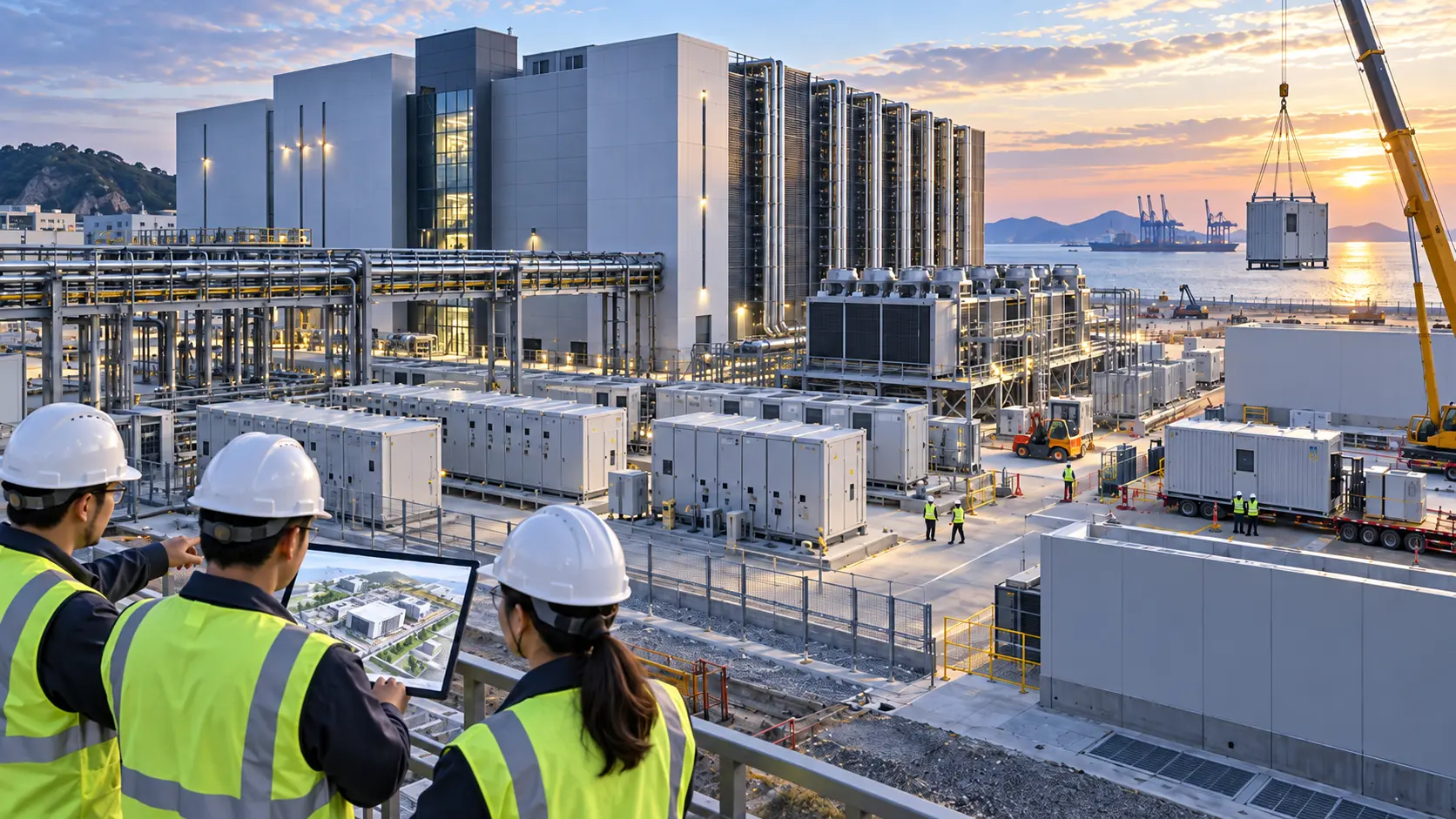
SGC Energy said on 8 September that it had signed a memorandum of understanding with Vertiv to support its planned AI data centre in Gunsan, South Korea. The agreement was signed on 18 August. The companies are designing power and cooling systems for the first 60MW phase. They also plan to keep working together if the campus later expands to as much as 300MW. SGC says the project will use a modular design.
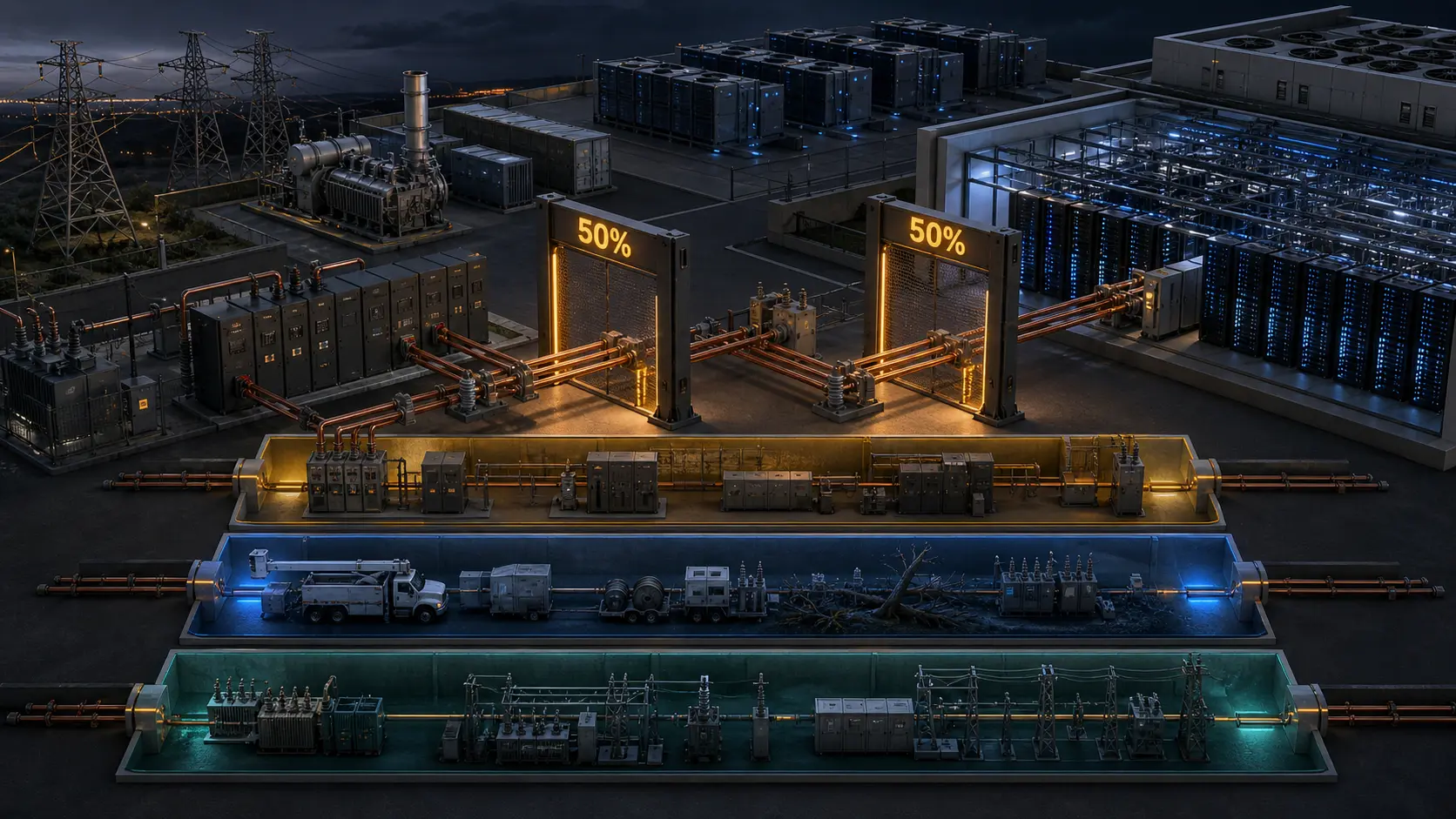
Vertiv plans to deploy its PowerNexus system at the site, which would be the product's first use in South Korea. PowerNexus combines an uninterruptible power supply with electrical switchgear. The companies are also considering Vertiv SmartRun, an overhead system that can carry power and cooling infrastructure above the data hall.
Vertiv offers PowerNexus in several configurations, including factory-preassembled and site-integrated versions. SGC has not disclosed which configuration it will use in Gunsan. Separate reporting says the first 60MW phase is expected to begin operating in the first quarter of 2028.
The assessment
The agreement gives SGC a defined power system around which to design the first 60MW. PowerNexus brings the UPS and switchgear closer together, and some configurations can be assembled and tested before they reach the site. If SGC chooses that approach, part of the electrical integration work can move away from the construction site.
The larger issue is what happens after the first phase. A campus that may grow from 60MW to 300MW needs electrical and cooling connections that allow later capacity to be added without unnecessary changes to equipment already in service. Maintenance access matters for the same reason: a compact first-phase layout still has to leave technicians enough room to inspect, repair and replace equipment as the campus fills out.
For BTW readers, the first 60MW will show whether the design is genuinely repeatable. The useful evidence will be the final equipment layout, commissioning results and the interfaces reserved for later phases, rather than Vertiv's general claims about prefabricated deployment.
What to watch
Watch for SGC to finalise the PowerNexus and SmartRun configuration, followed by equipment installation and site acceptance testing. The first-phase design should also show how later power and cooling capacity can connect to the operating 60MW. Progress towards the planned first-quarter 2028 opening will show whether those decisions are working in construction.
Member Briefing
Deeper Profile Context
Sign in with the right membership level to unlock the full briefing and source notes.
Only for Strategic Circle
Strategic Circle
Open to all readers. Unlock profile briefings after joining and signing in.
Join Strategic CircleOnly for Leadership Alliance
Leadership Alliance
For qualified IP-asset owners and management; sign in to unlock alliance briefings.
Join Leadership Alliance