Summary
- NTT East and BroadBand Tower measured roughly 3% slower large-file reads across a 100Gbps optical link from Tokyo's New Otemachi site to NTT East's Sapporo East exchange. The trial measured 7.14ms one-way latency and jitter below 16ns.
- BroadBand Tower opened its renewable-powered Ishikari Shinko site in September and says it has a commercial optical connection to New Otemachi. The published storage-performance test used the Sapporo exchange, while the Ishikari circuit has a separate network measurement.
A fast read has two addresses
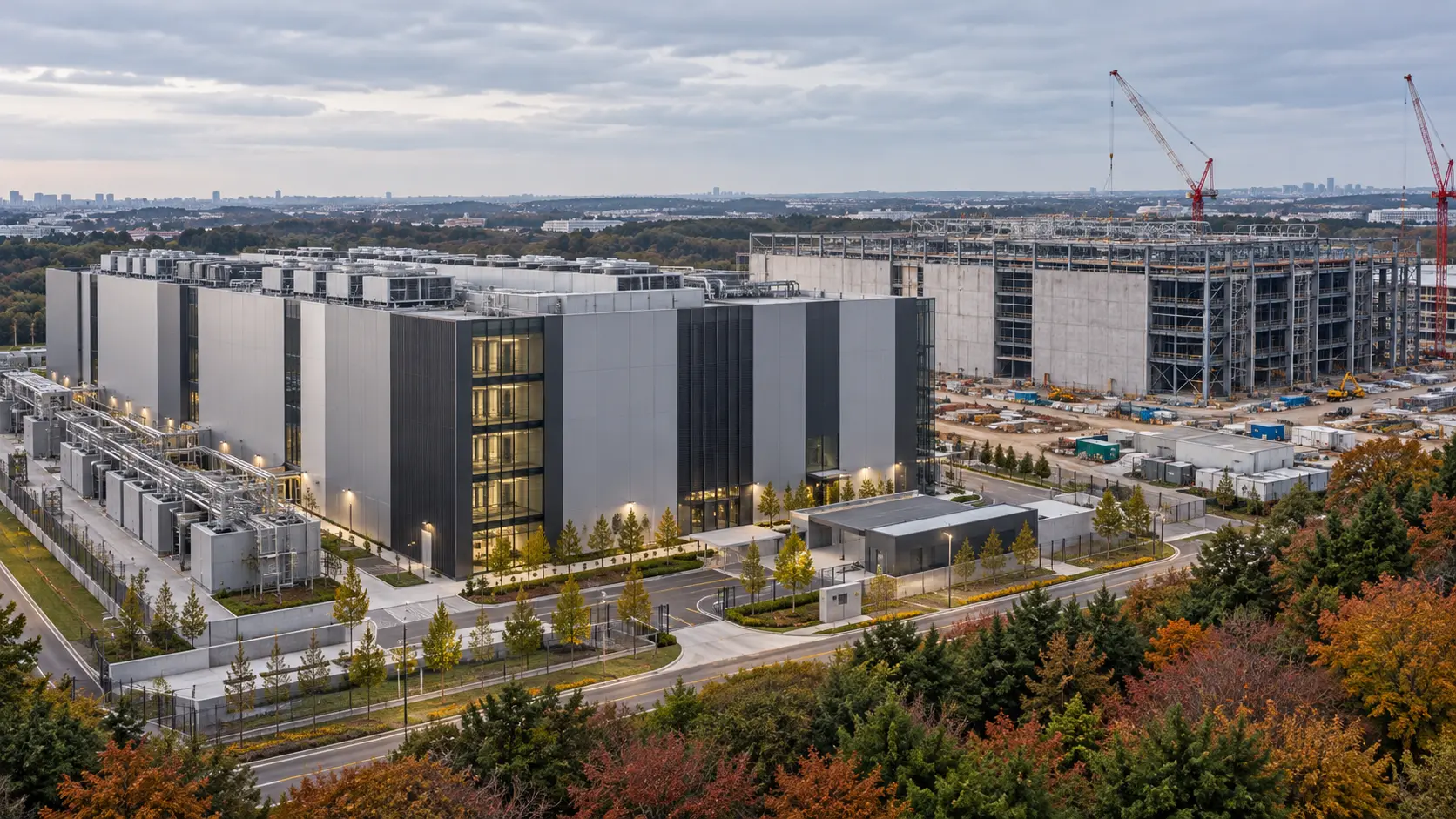
BroadBand Tower wants to sell a northern data-centre address without making its customers behave as though their files have moved north. The joint 27 October test report gives that ambition a hard measurement: a large file read remotely over more than 1,000km ran about 3% slower than the same-site arrangement. The measured difference in the tested read was under a second. That is an unusually concrete number in a business fond of promising that distance has disappeared.
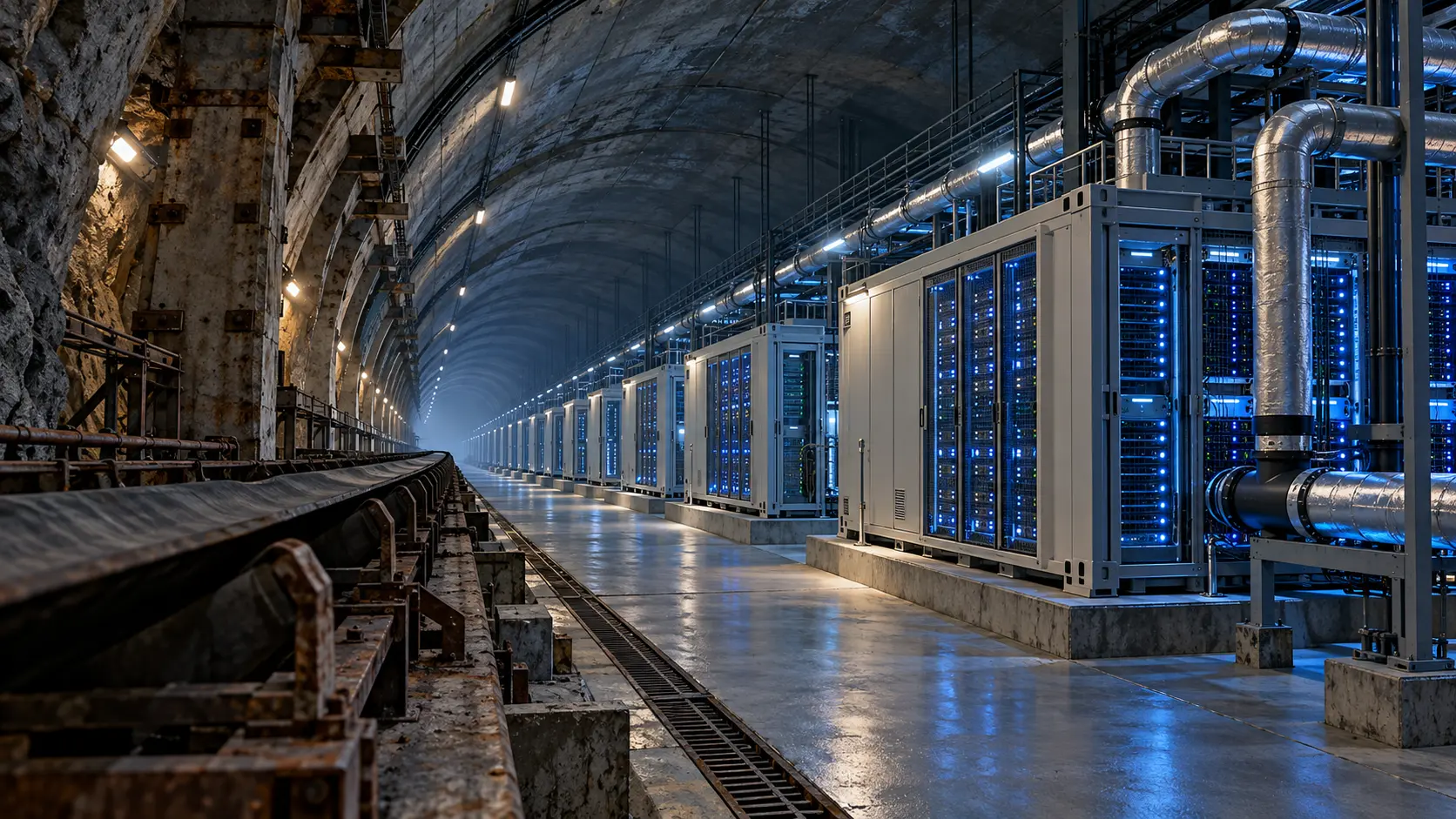
The circuit in the test carried 100Gbps between BroadBand Tower's New Otemachi data centre in Tokyo and NTT East's Sapporo East exchange building. Three PowerScale F200 storage units sat at each end. One-way network latency was 7.14ms; jitter was below 16 nanoseconds. The two companies also reported detecting and defending against a simulated ransomware attack on storage spanning the sites. Those details describe an engineered configuration, not a general price list for every workload.
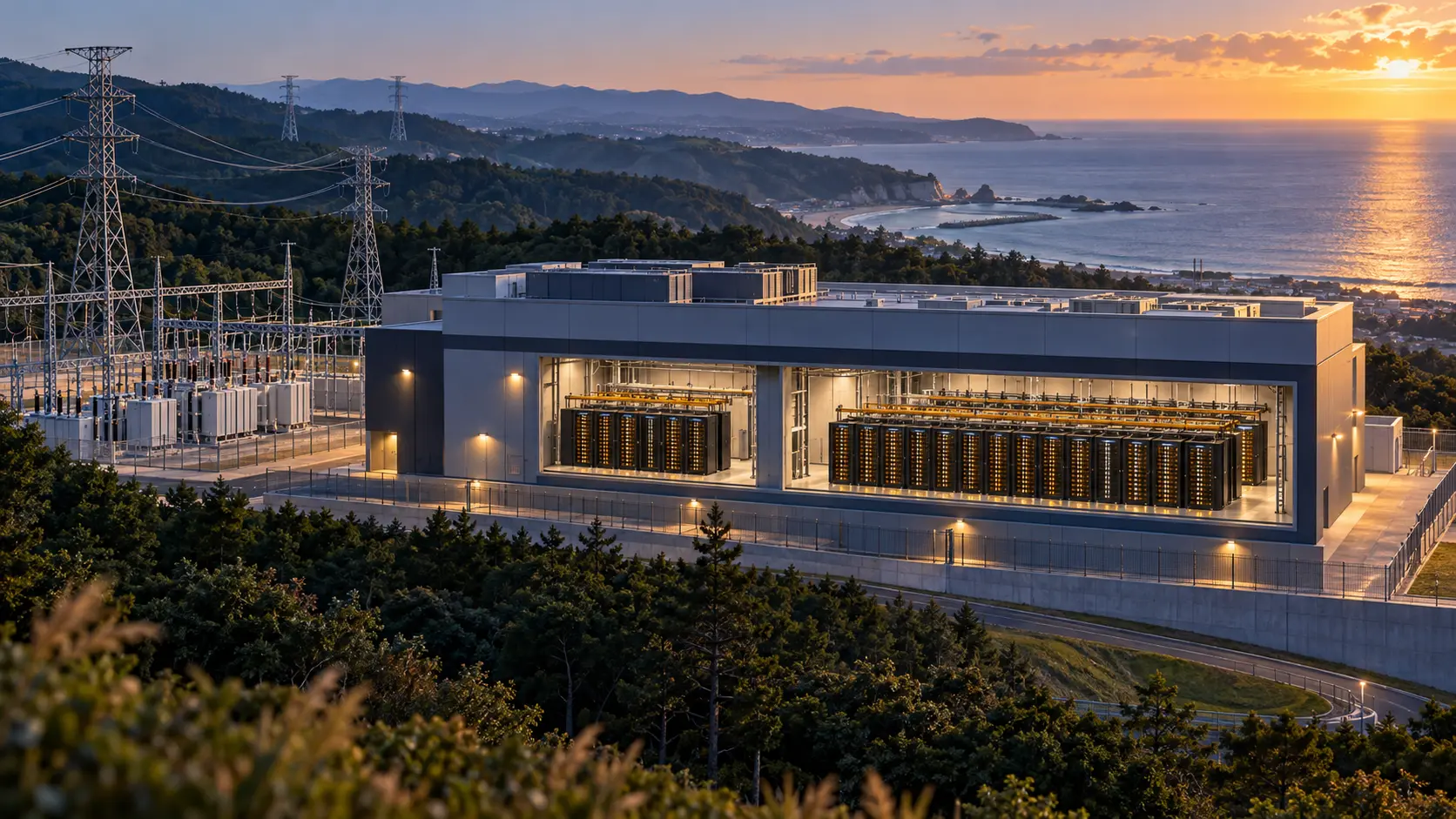
The location switch is where the market story starts. The companies' November 2025 trial plan explicitly used NTT East's Sapporo location as a stand-in for the Ishikari renewable-energy site then expected to open. BroadBand Tower opened Ishikari Shinko on 14 September and says the commercial All-Photonics Connect circuit links it directly to New Otemachi. Its site specification offers 10kVA standard rack power and carrier-neutral access. These are saleable site attributes today, separate from the storage benchmark.
The release includes a second network receipt for New Otemachi to Ishikari: 6.38ms one-way latency and jitter below 13ns on a commercial circuit. That is a circuit measurement, while the 3% read result belongs to the Sapporo storage trial. Mixing them would give a customer a performance guarantee that neither company published.
The financial bet is plain. If storage can be managed across the two sites without a punishing read penalty, customers can buy renewable-powered Hokkaido capacity while keeping their Tokyo operations. NTT East sells the long-distance optical path; BroadBand Tower sells the remote rack, power and storage arrangement. A named Ishikari customer running the unified storage service, with its workload and commercial terms disclosed, would settle the remaining sales claim.
Sources
Member Briefing
Deeper Profile Context
Sign in with the right membership level to unlock the full briefing and source notes.
Only for Strategic Circle
Strategic Circle
Open to all readers. Unlock profile briefings after joining and signing in.
Join Strategic CircleOnly for Leadership Alliance
Leadership Alliance
For qualified IP-asset owners and management; sign in to unlock alliance briefings.
Join Leadership Alliance