Summary
- Australia’s AEMC is consulting on how data centres and other large loads should contribute to network costs they cause or accelerate.
- The unresolved bill is for infrastructure built against demand that arrives late, arrives smaller, or never arrives; submissions close 5 November 2026.
Analysis
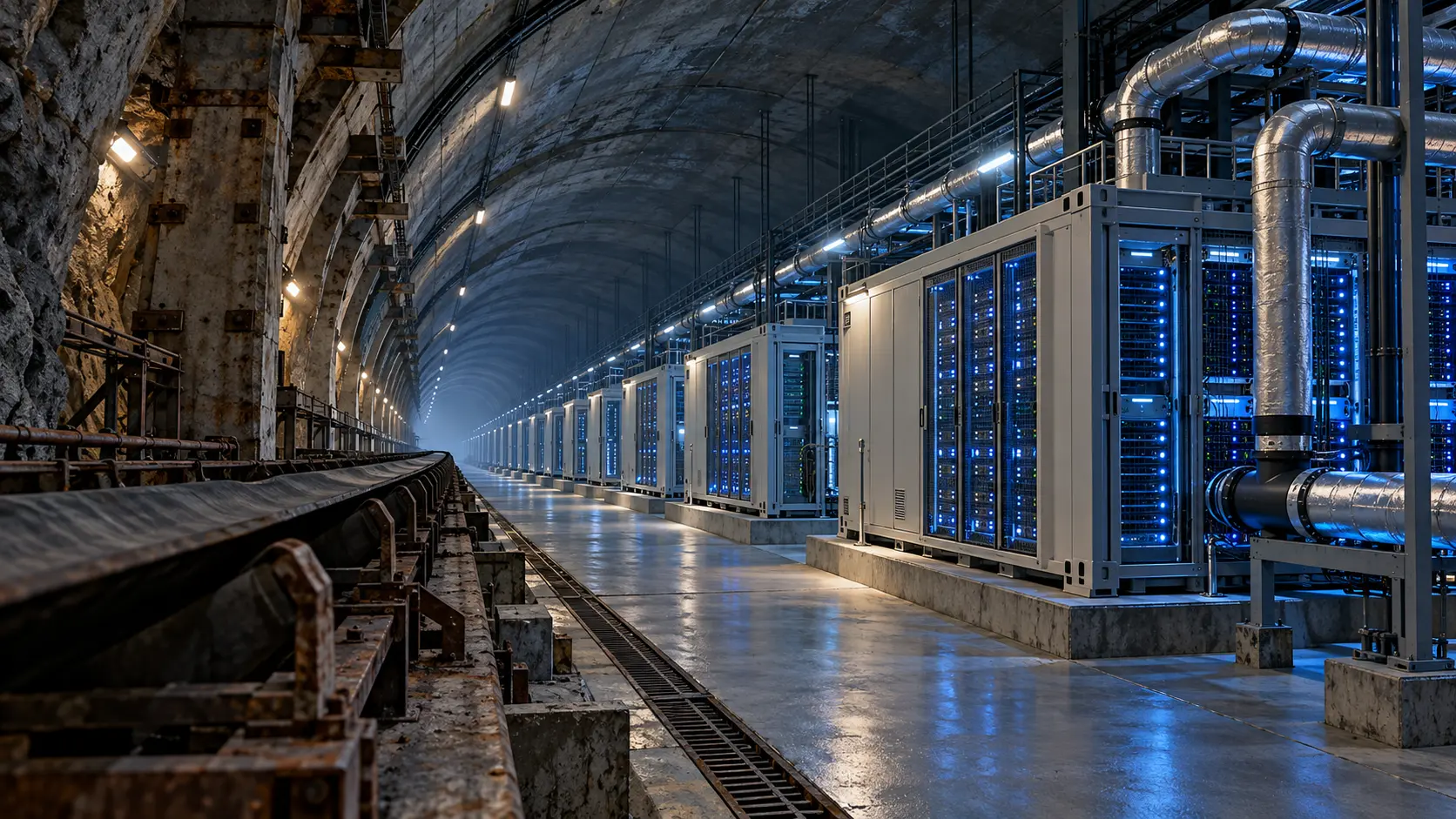
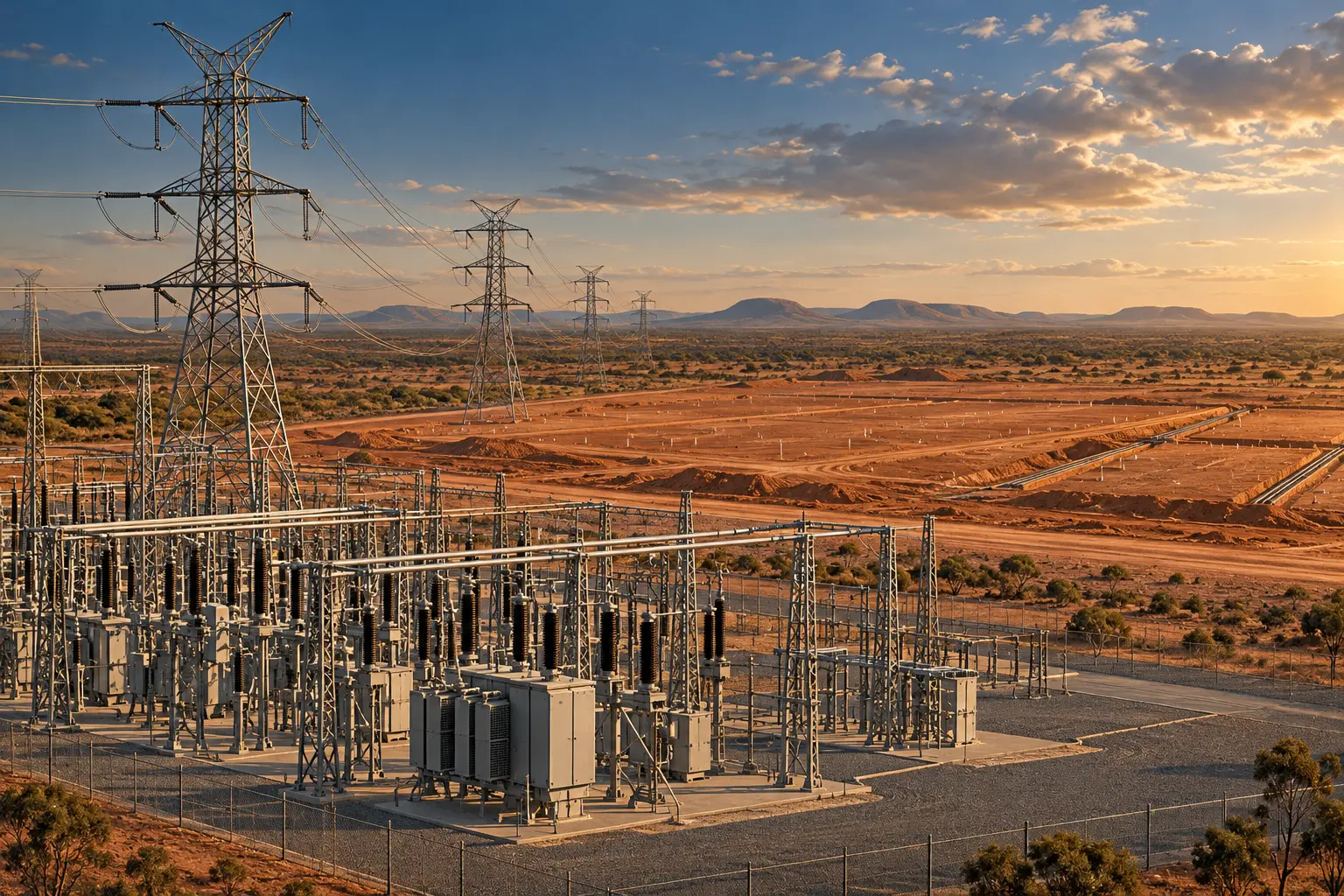
A forecast can summon a substation before a server hall exists. The Australian Energy Market Commission’s ERC0456 consultation asks who should pay when a data centre or another large load causes or brings forward network augmentation—and who carries the stranded-asset risk if expected demand does not proceed or uses less capacity. Those are separate questions with one uncomfortable overlap: the steel and conductors can be real before the load is.
The Commission says it published the consultation paper on 24 September. The project remains at the Initiation stage. Its public summary describes two related rule-change requests and four issues: augmentation costs linked to large-load connections; assets left underused when demand falls short; jurisdictional scheme costs for loads connected to transmission; and the limits that weak public information on existing and future loads place on forecasting and network planning. The AEMC project notice attributes the criticism of current cost allocation to the proponent. It does not announce a Commission finding or assign a bill to a named customer.
That distinction matters because “the load caused the upgrade” is not yet a complete cost rule. A connection can bring forward work that later serves a wider network. A forecast can also clear the way for capacity that the expected customer never takes. The consultation has to say how those paths are separated; otherwise a connection agreement can price the first day and leave the last forecast to everyone else. The AEMC’s summary does not set out a formula, threshold or customer-specific exposure, so the mechanics remain open.
Information is the second pressure point. The AEMC asks whether too little public information about actual and expected loads weakens demand forecasts and network plans. That is a planning problem before it is a billing problem: the less visible the queue of prospective demand, the harder it is to tell which augmentation has a customer behind it and which rests on a forecast.
Submissions close on 5 November 2026; the draft determination is scheduled for 1 April 2027. The AEMC says this work will intersect with its wider data-centre agenda, including expected rule-change requests on contracting obligations and demand flexibility or co-location, as well as a separate visibility proposal for large inverter-based loads. The AEMC’s data-centre advice and ministerial advice announcement provide that broader context.
Success for the draft is specific: the party whose forecast accelerates a build must keep enough downside when that forecast changes. Until the allocation rule is set, “pay their way” remains an aspiration with an open invoice.
Sources
Member Briefing
Deeper Profile Context
Sign in with the right membership level to unlock the full briefing and source notes.
Only for Strategic Circle
Strategic Circle
Open to all readers. Unlock profile briefings after joining and signing in.
Join Strategic CircleOnly for Leadership Alliance
Leadership Alliance
For qualified IP-asset owners and management; sign in to unlock alliance briefings.
Join Leadership Alliance