Summary
- SBA's Q3 2026 earnings exhibit shows U.S. cash site-leasing revenue of $453.6 million, down $17.2 million from a year earlier. International cash leasing grew $23.4 million, yet group tower cash flow rose only $0.5 million.
- In its full-year forecast bridge, Sprint and EchoStar churn subtract $111 million–$112 million from domestic leasing revenue. New U.S. leases and amendments add $34 million–$35 million; contractual escalators add another $51 million–$52 million.
- The company spent $300 million repurchasing stock in the quarter, paid $131.3 million in dividends, built 213 towers, and sold its Chile and Ecuador assets. Those choices put capital behind selected markets while the U.S. tenant base is being rebuilt.
The empty bracket has a price
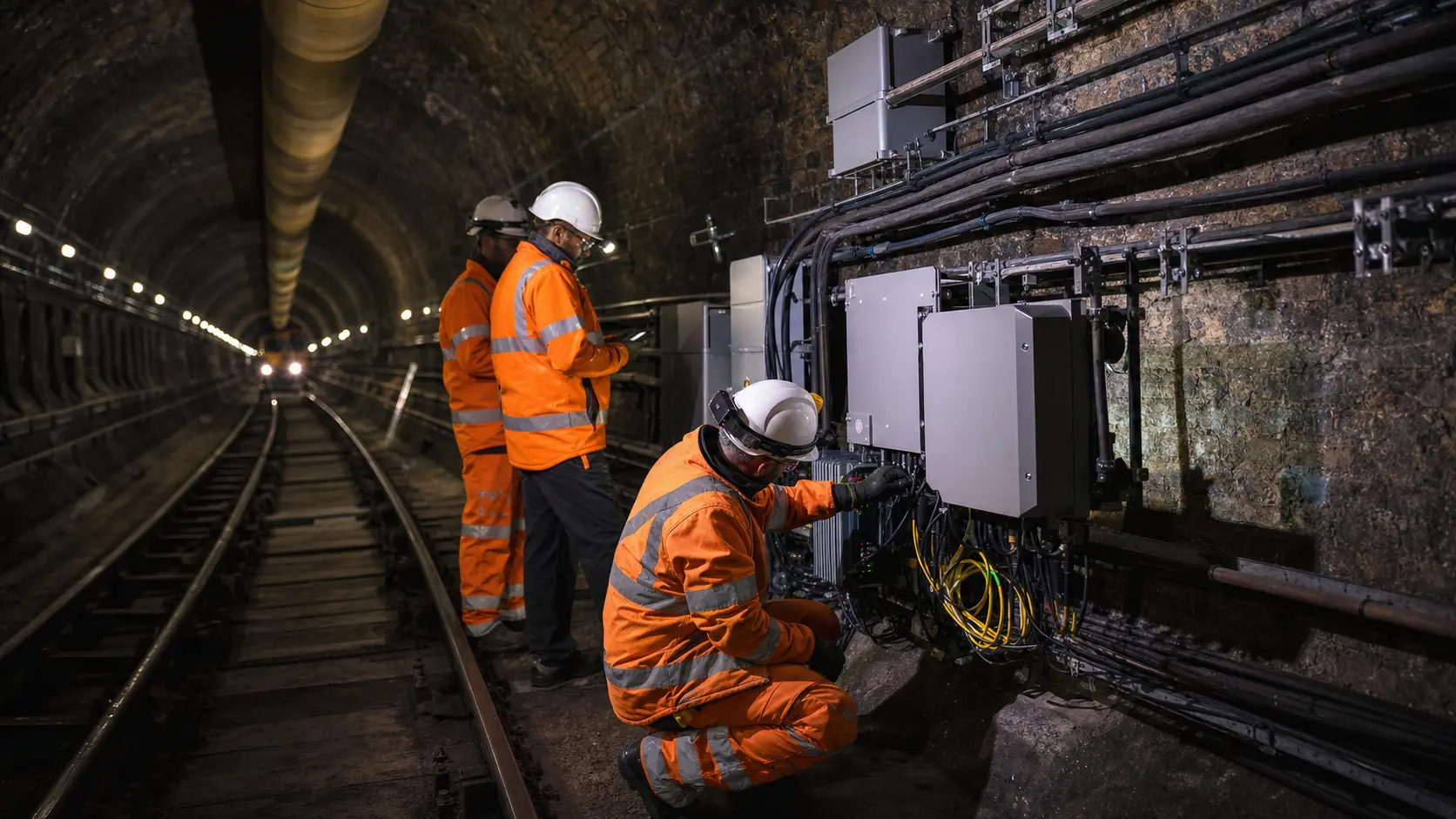
A mobile operator can leave a tower without moving the tower an inch. The steel stays upright. The land lease and maintenance schedule stay alive. The landlord loses a paying antenna position. SBA Communications has put a large figure on that quiet departure: its latest SEC-filed earnings exhibit forecasts $55 million–$56 million of Sprint consolidation churn and $56 million of EchoStar churn in 2026. Together, those two customers take $111 million–$112 million from the domestic site-leasing revenue bridge.
The same bridge assigns $34 million–$35 million to new U.S. leases and amendments. Contractual rent escalators contribute another $51 million–$52 million. SBA therefore has a real source of replacement revenue, but the new business alone is roughly one-third of the two named churn lines. Including regular domestic churn of $22 million–$24 million, the forecast removal reaches $133 million–$136 million. Management projects domestic site-leasing revenue of $1.815 billion–$1.825 billion for 2026, below the $1.866 billion recorded in 2025. The lease book shrinks while the physical network remains.
That forecast has already shown up in two reported quarters. Domestic cash site-leasing revenue fell $17.2 million year over year in Q2, to $450.2 million. In Q3 it fell another $17.2 million against the prior-year quarter, to $453.6 million. The repeated dollar change is a coincidence of two separate year-on-year comparisons, but it makes the direction hard to miss. Q3 domestic tower cash flow declined $18.2 million to $380.6 million.
International growth covers the top line, barely the cash-flow line
Outside the U.S., Q3 cash site-leasing revenue rose $23.4 million to $207.4 million. On a consolidated basis site-leasing revenue rose $9 million to $665.4 million. Yet consolidated tower cash flow was $526.9 million, only $0.5 million above a year earlier. Adjusted funds from operations fell $17.6 million to $337.3 million. More foreign rent kept the group leasing line positive while the American decline and the rest of the cost structure narrowed the gain that reached investors.
SBA is also changing which countries sit in that international column. It sold its towers and related assets in Chile and Ecuador on 10 September and agreed to sell Peru, subject to regulatory approval. The company estimates that the completed Chile and Ecuador sales cut its 2026 leasing-revenue outlook by about $10 million and tower-cash-flow outlook by $6 million. Peru has no adjustment in the current outlook because its closing date remains uncertain. These are choices about where management wants scarce capital and operating attention, as well as about reported revenue.
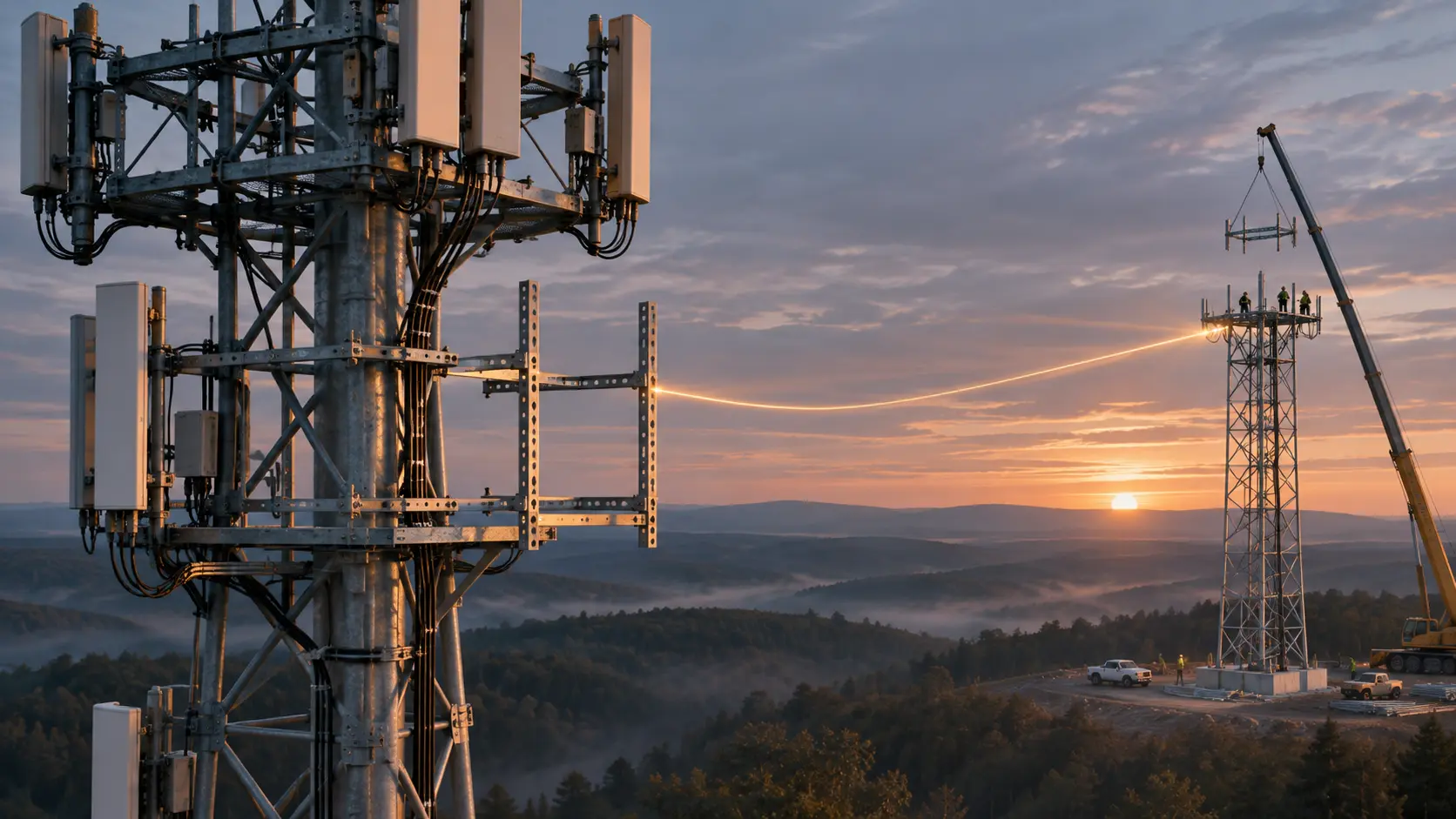
Construction moved the other way. SBA built 213 towers in Q3, including 210 internationally, against 109 total and 99 international in Q2. It spent $105.2 million in cash capital expenditure in Q3, $91.1 million of it discretionary. The revised full-year discretionary spending range is $480 million–$490 million, $20 million higher at its midpoint than the August outlook. Management is shrinking one part of the map and pouring new steel into another. The quarter-end portfolio fell from 46,390 sites to 45,252; the company's combined decommissioned, reclassified and sold line accounts for 1,358 removals, including 1,326 internationally.
That table counts several kinds of exit, not a pure disposal total.
Shareholders get paid while the lease book is repaired
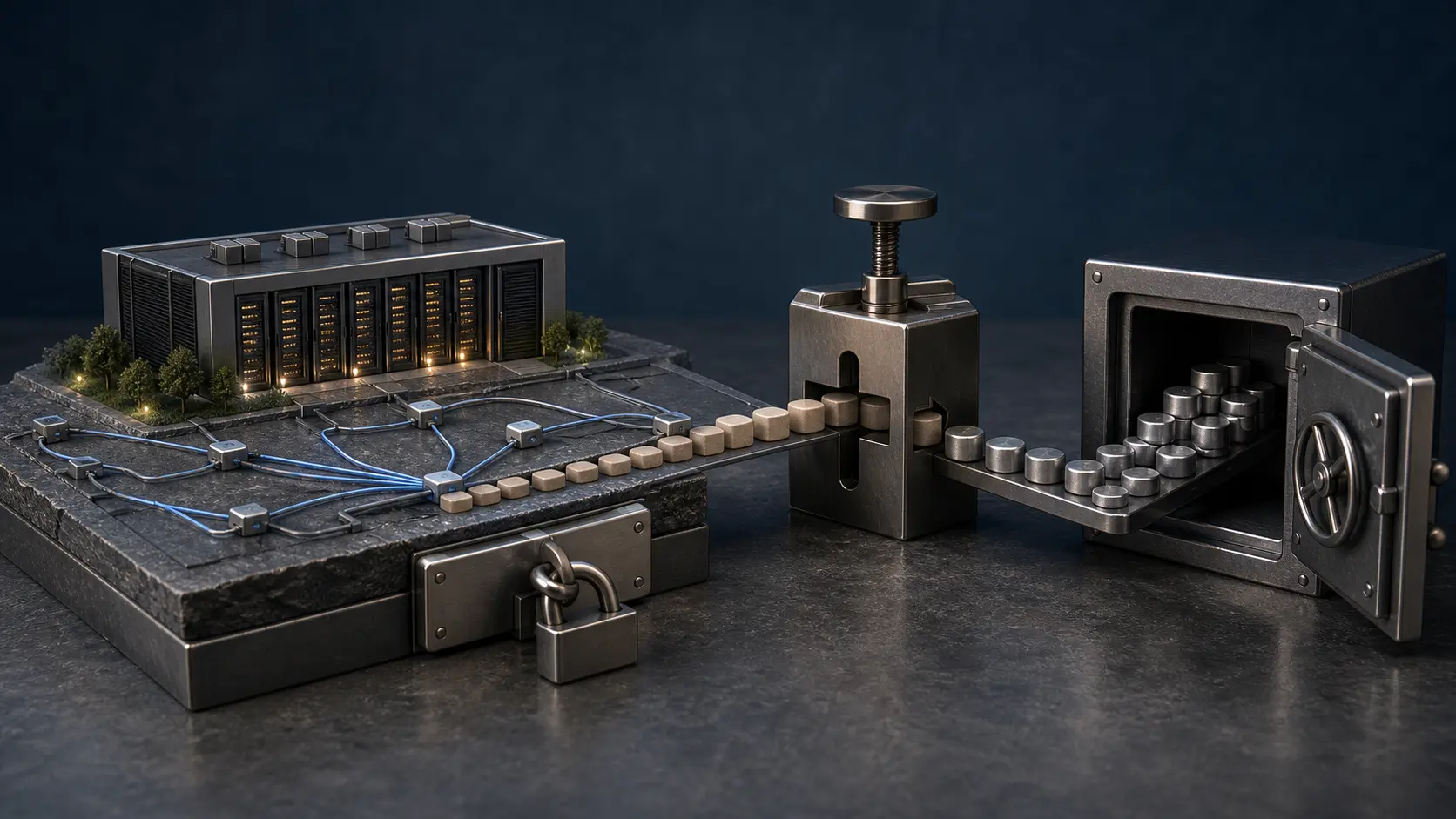
The board also chose an immediate cash destination. SBA repurchased 1.7 million shares for $300 million during Q3 at an average $179.68 and retired them. It declared and paid $131.3 million in dividends. Together those uses were $431.3 million in a quarter with $105.2 million of cash capital spending. They are separate capital-allocation lines, not a claim that buybacks directly caused the lost tenant rent.
SBA changed the financing wrapper in July. It issued $3.5 billion of unsecured notes and used the net proceeds chiefly to repay a $1 billion draw on its old revolver and a $2.2 billion term loan. The financing filing also sets out a new $2.5 billion unsecured revolving facility maturing in July 2031. By Q3 end, secured debt had fallen to $6.5 billion from $9.8 billion at Q2 end; total debt was about $13.0 billion and net debt $12.5 billion. Refinancing changed the claims on the tower estate. It did not make the customer departures disappear.
In September SBA established a $2.5 billion commercial-paper program. Its unused revolver commitments back that program, and paper outstanding reduces available revolver capacity. As of the November release, nothing was outstanding under either facility. The program is a short-term funding route inside the existing credit envelope, not another $2.5 billion sitting in cash. It gives management timing options as it builds sites, sells others and pays shareholders.
The next test is simple enough to fit on a tower work order. SBA needs actual new lease and amendment billings to outrun the churn it has already named, or its international portfolio has to carry the American gap for longer. A buyback reduces the share count today. A new tower earns its keep only after a tenant starts paying. The company has not disclosed tenant-level replacement schedules for the $111 million–$112 million carrier churn; a higher new-leasing run rate in the next filed bridge would change the judgement.
Primary documents
Member Briefing
Deeper Profile Context
Sign in with the right membership level to unlock the full briefing and source notes.
Only for Strategic Circle
Strategic Circle
Open to all readers. Unlock profile briefings after joining and signing in.
Join Strategic CircleOnly for Leadership Alliance
Leadership Alliance
For qualified IP-asset owners and management; sign in to unlock alliance briefings.
Join Leadership Alliance